Warm Spring hair color: gold, copper, and what to ask for
Golden blonde at the top, golden chestnut at the bottom - levels 8 to 5 - and copper right in the middle of the list, the same copper a Light Spring is told to avoid. Warm Spring (True Spring, in the older naming) can wear red without apology. What it cannot wear is anything with the gold taken out. Below: the whole band, the codes that get it, and the tone a colorist reaches for out of habit that quietly undoes it.
- Levels 8 to 5
- Gold and copper, never ash
- What to say at the chair
Your range, in salon levels
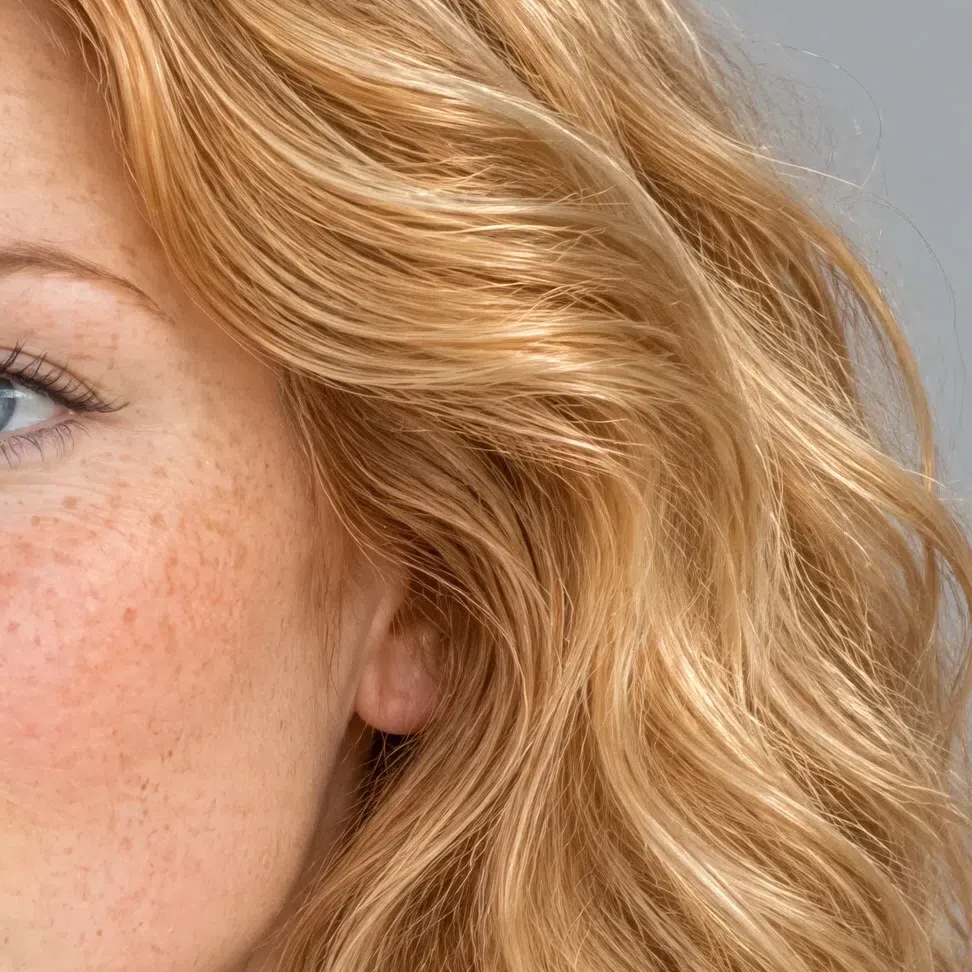
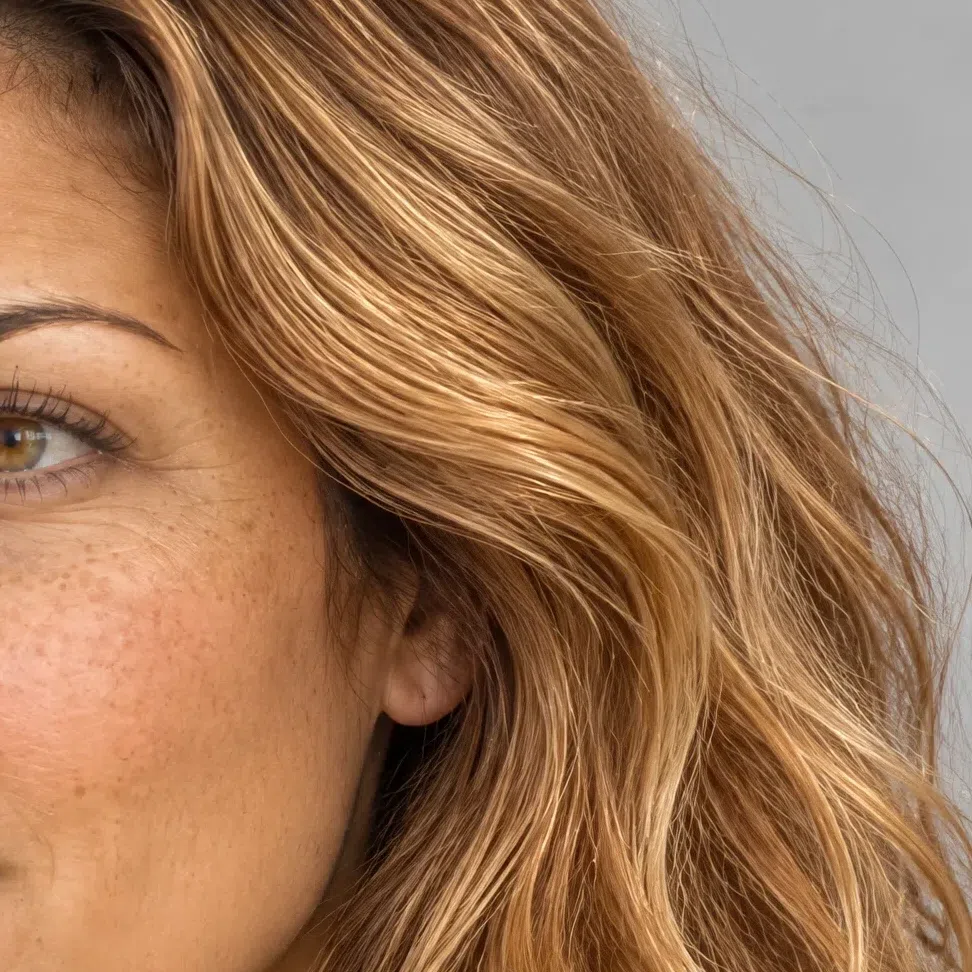
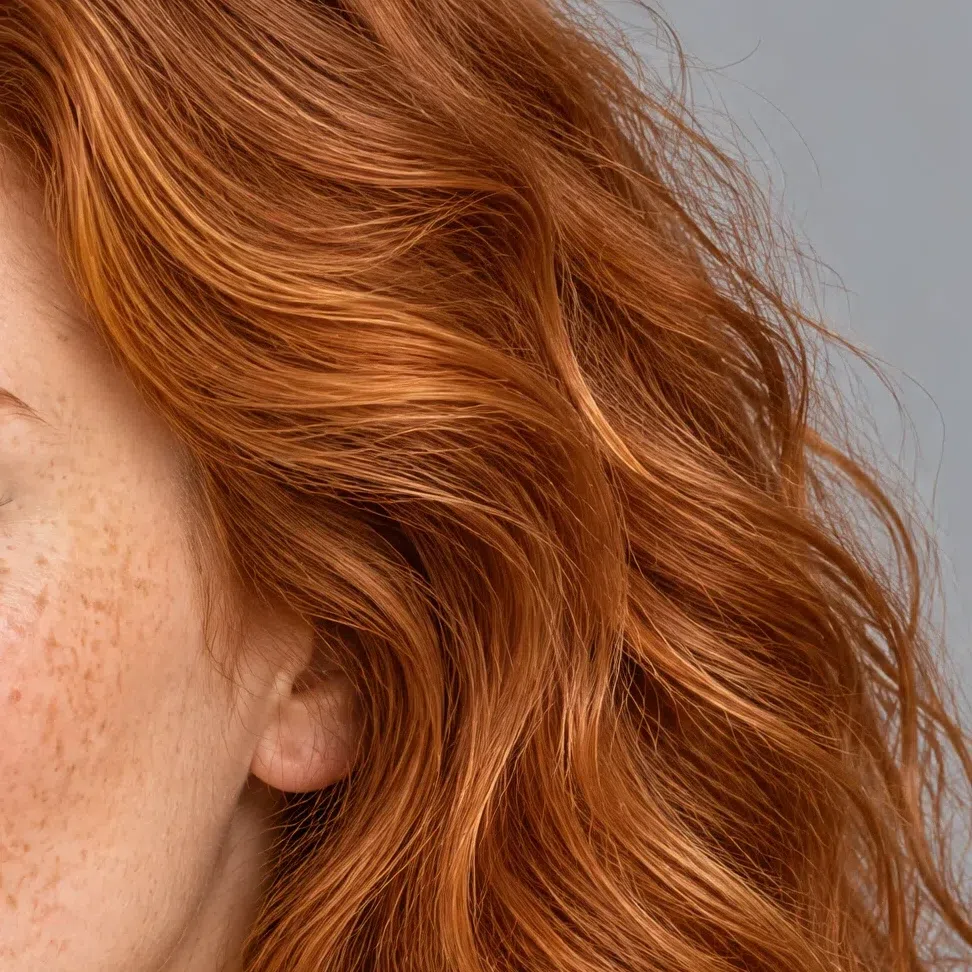
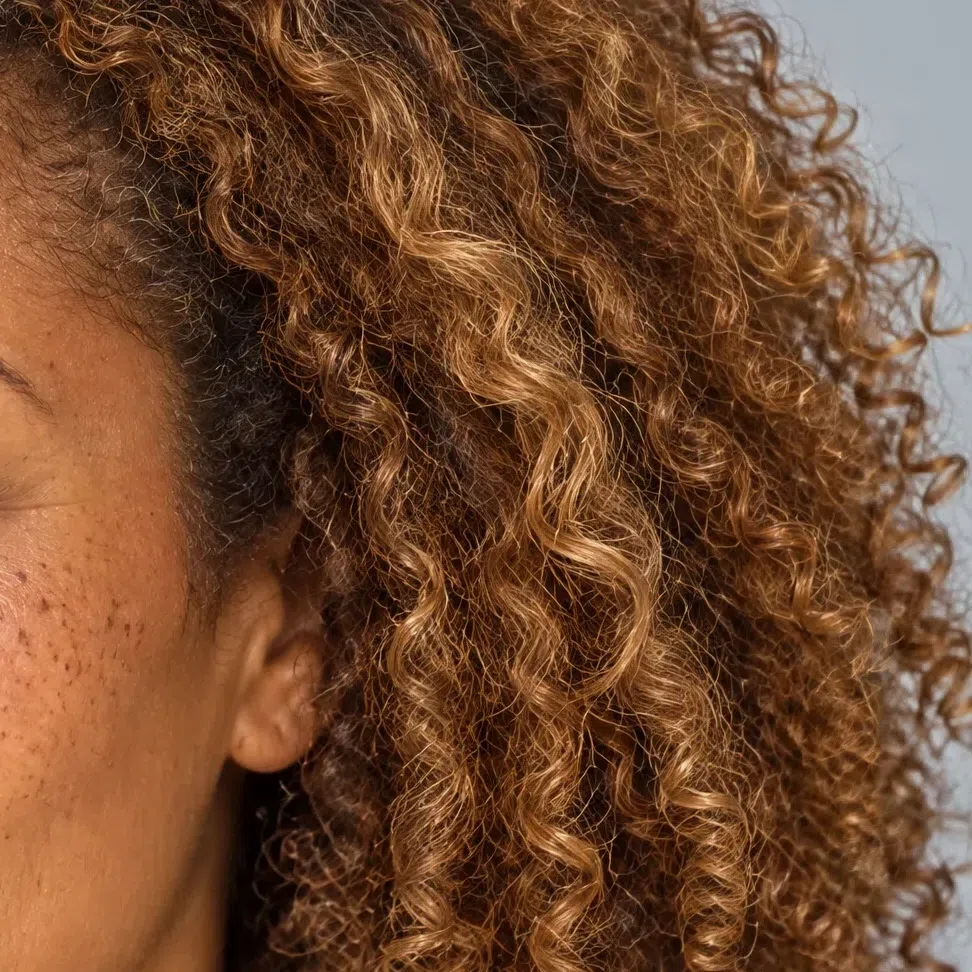
Start here
You are a Warm Spring. Here is what to dye it.
Hair color is ordered by number before it is ordered by name. The level runs from 1, black, to 10, the palest blonde a salon stocks, and it is the one word you and your colorist are guaranteed to mean the same way. Ask for something warm with a bit of red and you have described a mood; ask for a level 6 copper and you have described a tube.
Your palette names a shade at four rungs, level 8 down to level 5 - golden blonde at the top, golden chestnut at the bottom - which puts the middle of your range two levels deeper than a Light Spring’s. The bigger difference is what fills it. Every one of the eight shades carries gold or copper, and two of them are frankly red: strawberry copper and copper itself. The shades this coloring cannot wear are the ones with that warmth removed - ash, platinum, silver, blue-black. So the number is the easy half of this conversation. The tone is where it goes wrong.
Stay within about two levels of the hair you were born with - three at the very most - and whatever depth you land on, ask for it in gold or copper. That covers the number. The tone is where this coloring actually goes wrong: an ash toner flattens a Warm Spring at level 8 just as surely as at level 5.
The salon scale, and your part of it
- L10
- L9
- L8 lightest
- L7
- L6
- L5 deepest
- L4
- L3
- L2
- L1
Four cells are lit - one for each level your palette names a shade at, with every shade’s ramp reaching a step or two beyond. The flat cells at the deep end are still Warm Spring hair. Plenty of people in this season grow a natural level 4 or level 3, and you will meet two of them further down this page; their tone is the same gold, only the number is lower. What the band marks is where going further on purpose stops working. Above level 8 the gold thins out into the pale, pigment-free blondes on your avoid list; below level 5 dye starts to read as a dark frame around a face that is lit from within, and the warmth in your skin loses its echo.
What is on this page
- What to ask for How to say a level out loud, the two digits that get you gold and copper, and the polite word that quietly gets you ash instead.
- How blonde? Golden blonde is on your palette; platinum is on the avoid list. Where the line sits depends on your own starting level, and it is a number.
- Copper and red Copper is on your wear list, not your avoid list. Which reds work, and the one direction of red that does not.
- Going gray Silver on a golden face is a real trade-off. What blends it, what it costs, and when to stop paying.
- Keeping it Copper leaves faster than any other pigment in the dye. Four things hold it, and one of them is free.
- What goes wrong Eight shades in two groups, and the two different ways they take the warmth out of this face.
- The level list All the shades and their numbers on one card, ready to show at the salon.
What to ask for at the chair
Your level is visible to anyone holding a comb; the tone is not, and it is the part a colorist will quietly fill in if you leave it blank. On a Warm Spring that fill-in is usually ash, the one direction your palette never goes. So bring the tone with you - here is the full sentence, then its three moving parts.
Jumps to the color chart further down. Pick your natural depth and it marks the levels and the tone that are yours.
Depth is given a whole number from 1 to 10, where 1 is the darkest hair colour (black), and 10 is the lightest (lightest blonde).
Say thisI am about a level 5 naturally. I would like to go to a level 6 gold - a 6.3 - kept multi-tonal, with fine honey or copper babylights rather than one flat block. And if it needs toning at the end, a warm gloss, not a violet toner.
Put your own numbers into the first two blanks. The digit after the point travels with you whatever level you start from, and the line about the gloss is the one that protects everything else in the sentence.
The three things you are actually saying
-
How light
The level. Your palette names shades at levels 8, 7, 6 and 5, and your own hair sits on the same ten-rung ladder. Say where you are now and where you want to be: the gap between those two numbers decides the cost, the time in the chair, and how soon the root shows.
“I am about a 5 now, I would like to be a 6.” -
Which direction
The tone, written after the point. Gold is .3 and copper is .4, and on this coloring both are yours at every level of the band - your palette names a copper at level 6 and a strawberry copper at level 8. Most seasons get one warm digit or none. You get two, and the choice between them is taste rather than risk.
“Gold - a 6.3. Or copper, a 6.4.” -
How it is placed
The placement, and what goes on last. One solid shade of warm color looks heavy on a face this bright, because nothing in it catches the light differently. The final step matters as much: toning drawers are full of violet and blue, and either one sends a golden brown out of the door mousy.
“Multi-tonal, and a warm gloss to finish.”
Reading the number on the tube
Read the code on any tube as level.tone - depth first, then direction. The four photographs below hold the depth at level 6 on one woman and change only the digit after the point, so you can see what that single number does.
-
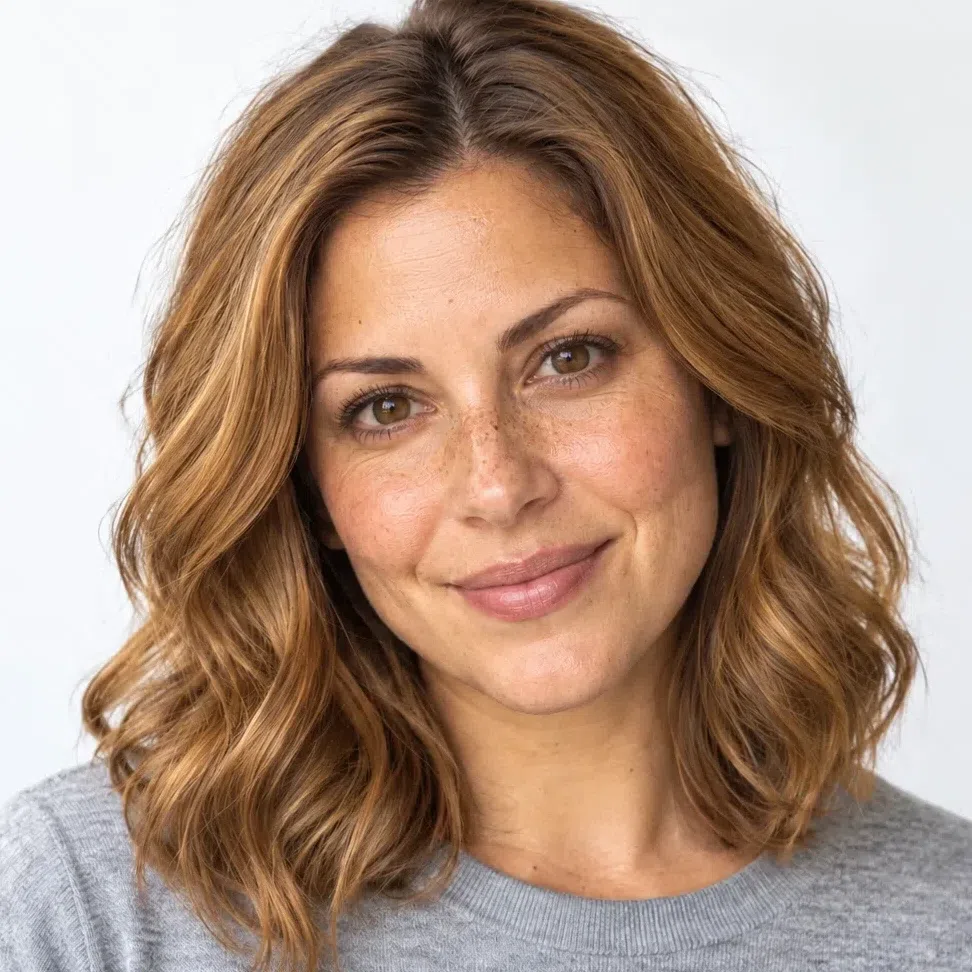 6.3 Gold
The default. Her freckles and her eyes both come forward.
-
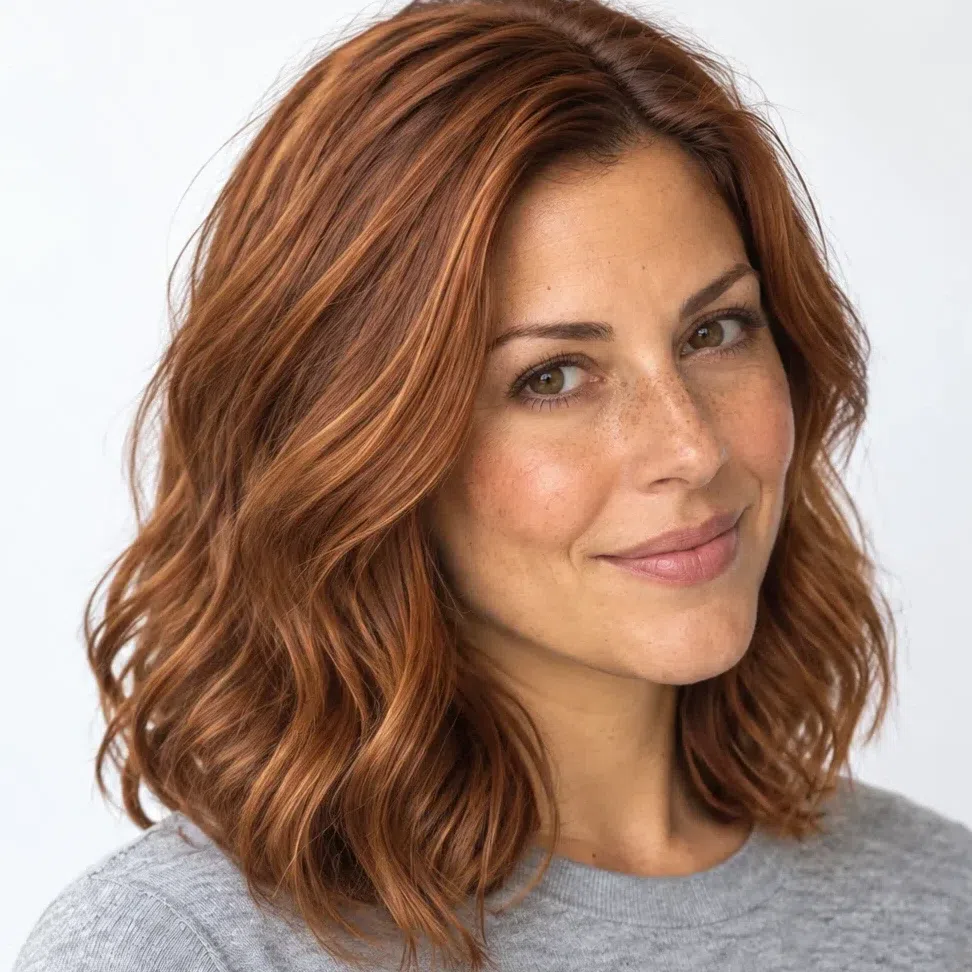 6.4 Copper
The bold option, and still hers - the red repeats the warmth in her skin.
-
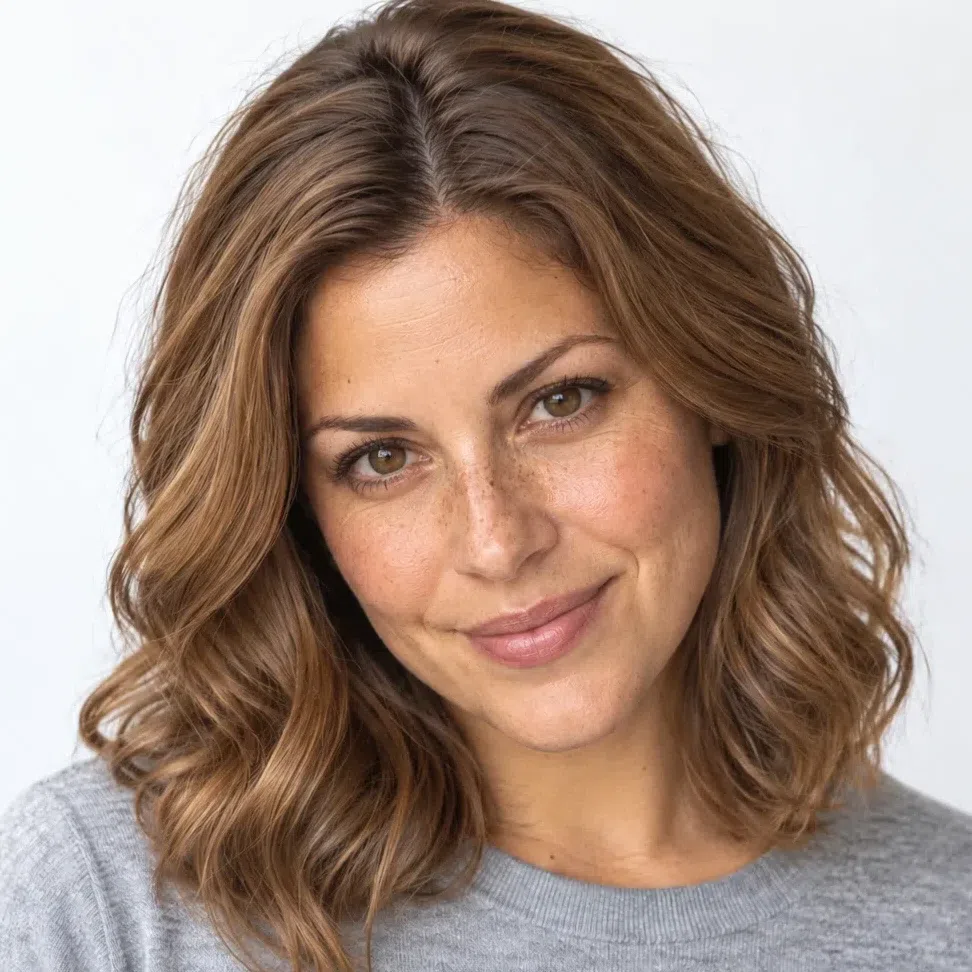 6.0 Natural
Fine on the day. A shade flatter than her skin by week three.
-
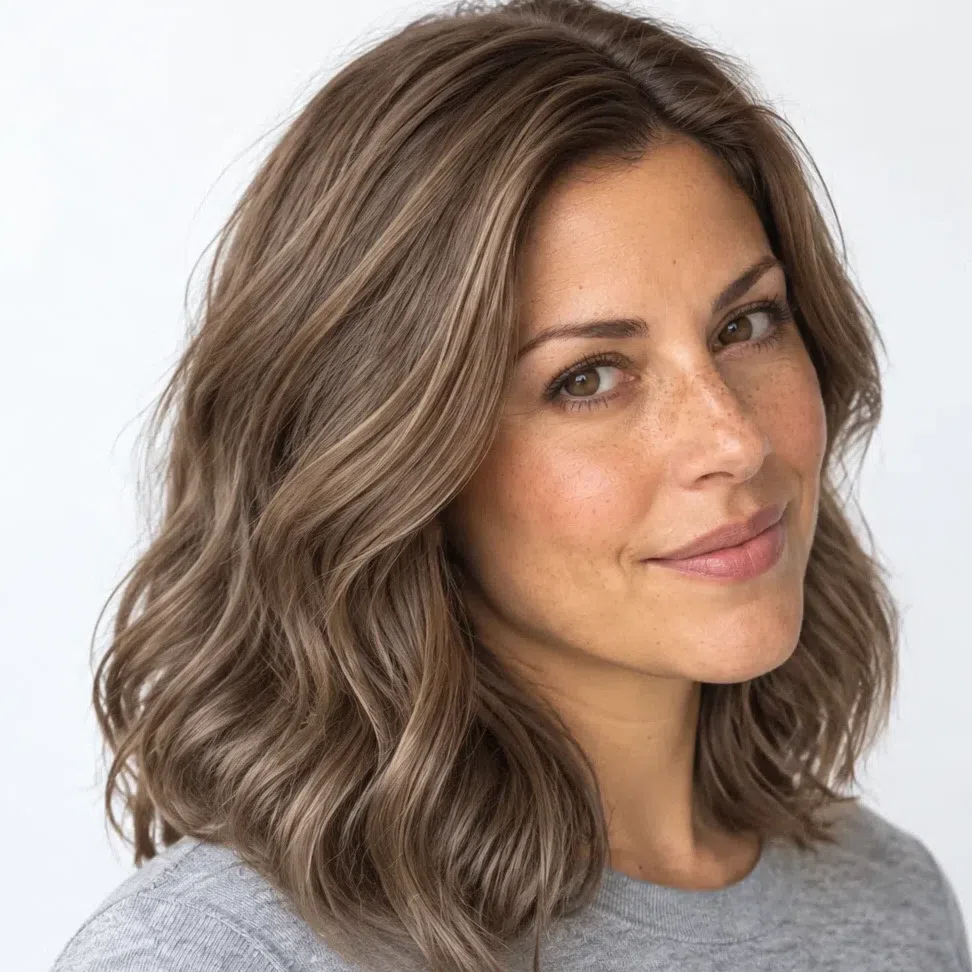 6.1 Ash
Same depth, gold removed. The hair goes gray-brown and so does she.
- 6.3 Gold The digit most of this palette is built on - golden blonde, honey, caramel and golden chestnut are all gold at different depths. Gold is yellow-based, so it keeps the warmth that lifting exposes instead of cancelling it. On most colorings gold is the risky choice. On this one it is the safe one.
- 6.4 Copper Also yours, and without the conditions a Light Spring gets. Your palette publishes copper at level 6 and strawberry copper at level 8, so the digit works across the whole band. It is the most vivid thing this coloring can wear, and the fastest to fade - see Keeping it, further down.
- 6.0 Natural No tone correction at all. On a warm head that lands close enough on the day, but a natural series is a different beige in every brand, and as the little warmth it has washes out it drifts toward mushroom. There is no reason to take that lottery when a .3 sits on the same shelf.
- 6.1 Ash Blue-based, the opposite of everything your palette is made of - and the digit you are most likely to be handed, because ash is what most people mean by not brassy. On this coloring it does not remove brass. It removes you.
- 6.2 Pearl, or matt Violet in some brand systems, green-matt in others - which is exactly why this page asks you to say the word next to the digit. Either way it is built to cancel warmth, so either way it is not for you.
Two of the five chips are real palette values: 6.3 is your Caramel and 6.4 is your Copper, both published at level 6, and the photographs were colored to those same values. The other three are hues from your avoid list set to the same lightness, so the only thing that varies across the row is what the tone digit controls.
The whole chart, and the part of it that is yours
Salon walls carry a version of this chart: depth down the side, direction across the top, dozens of squares. Here it is again with everything but Warm Spring taken off.
The outlined column is the answer, top to bottom: one tone digit, at whatever depth you naturally are. It sits at the far right of a chart that runs cool to warm - and unlike most seasons, the column next to it is filled too. Copper, the .4, is yours as well, from level 9 down to level 5. The cool side holds only a handful of squares, and every one of them is a value from your avoid list, there so that half of the grid reads at all.
A few plain facts about this grid. Every square is a value this site publishes, not a manufacturer’s swatch - brands mix the same code differently, which is why the page keeps asking you to say the name alongside the number. Two warm columns are filled, not one: gold is outlined because most of your palette is built on it, but copper runs from level 9 to level 5 right beside it, strawberry copper at the top and copper below, and choosing between them is a matter of taste. And the grid ends at level 3 only because nothing deeper is published - a natural level 2 uses the same gold column, at 2.3.
And how it is placed
Same woman, same level 6 gold; this time only the placement changes. The first pair is about the length. The second pair switches to another woman - a natural level 4 - seen from above three weeks after her appointment, because the root is where placement shows.
-
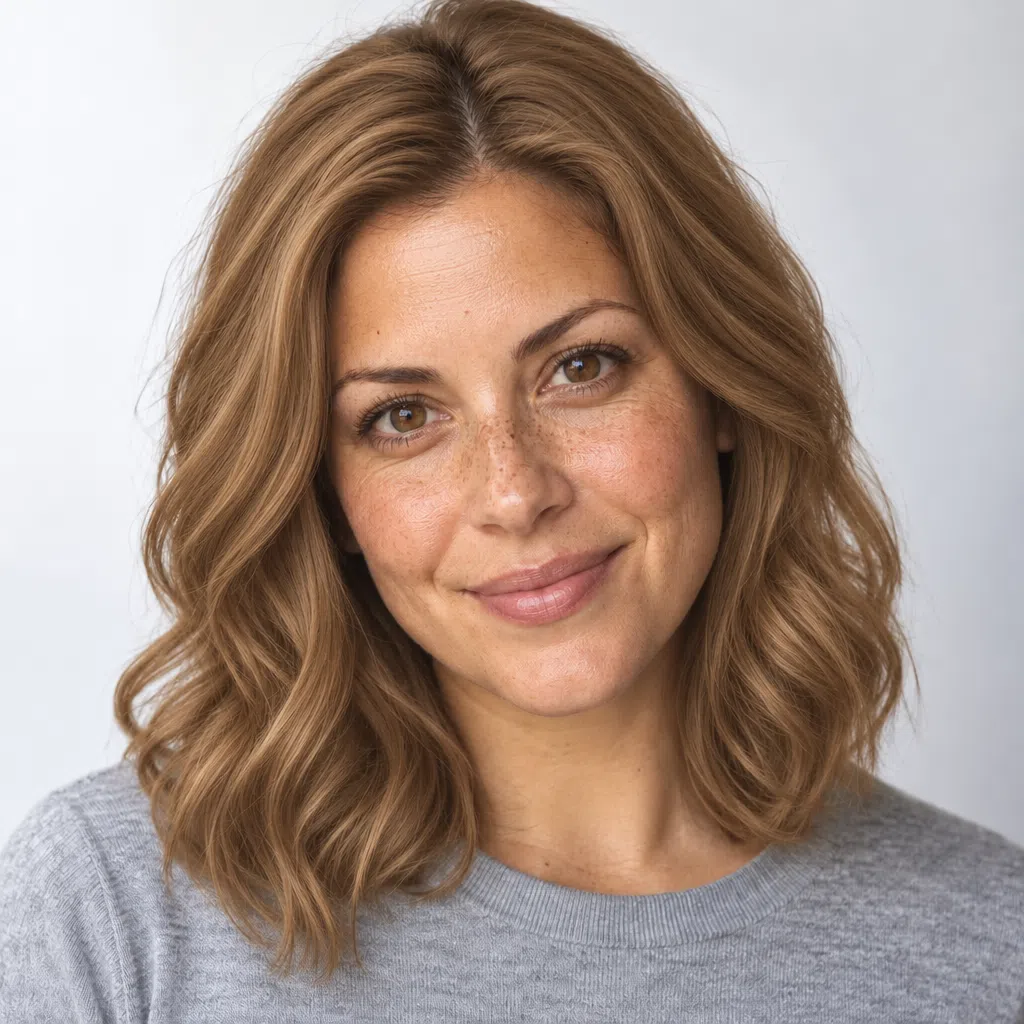 One flat block
Every strand the same value. Warm pigment laid on evenly reads as a single solid shape around the face, and the gold starts to look painted on.
-
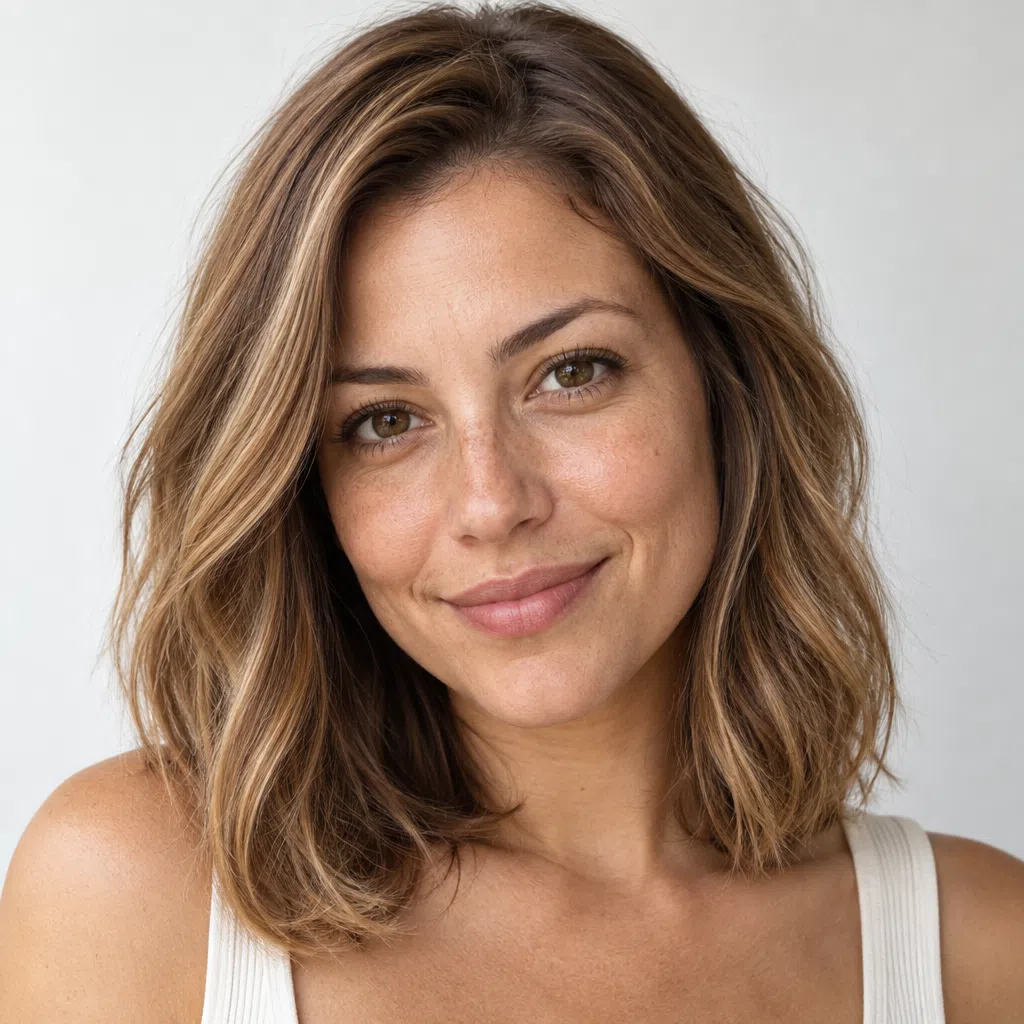 Multi-tonal
The same color with honey and copper babylights through it. Several close warm values give the light something to move across - the way this coloring’s own hair behaves in sun.
-
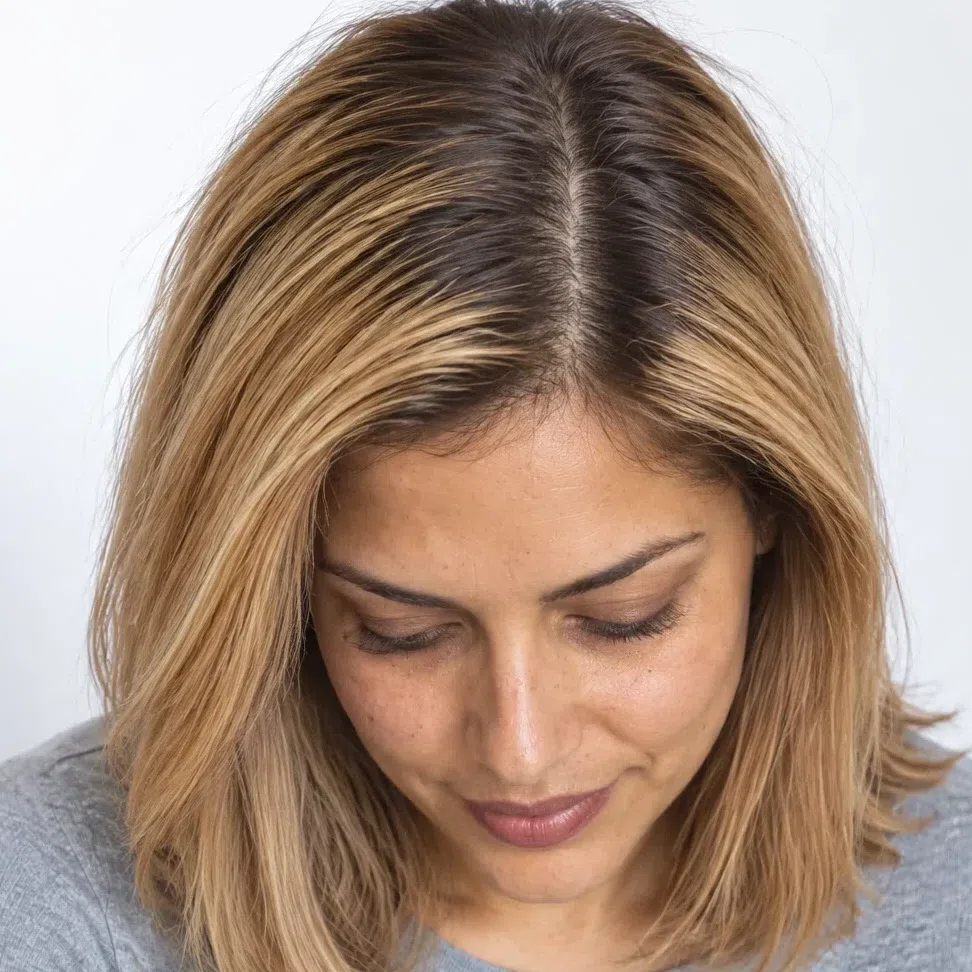 A hard regrowth line
Honey taken right to the scalp, three weeks on. Her own level 4 has grown in as a band along the parting, and the date of the appointment is visible from across the room.
-
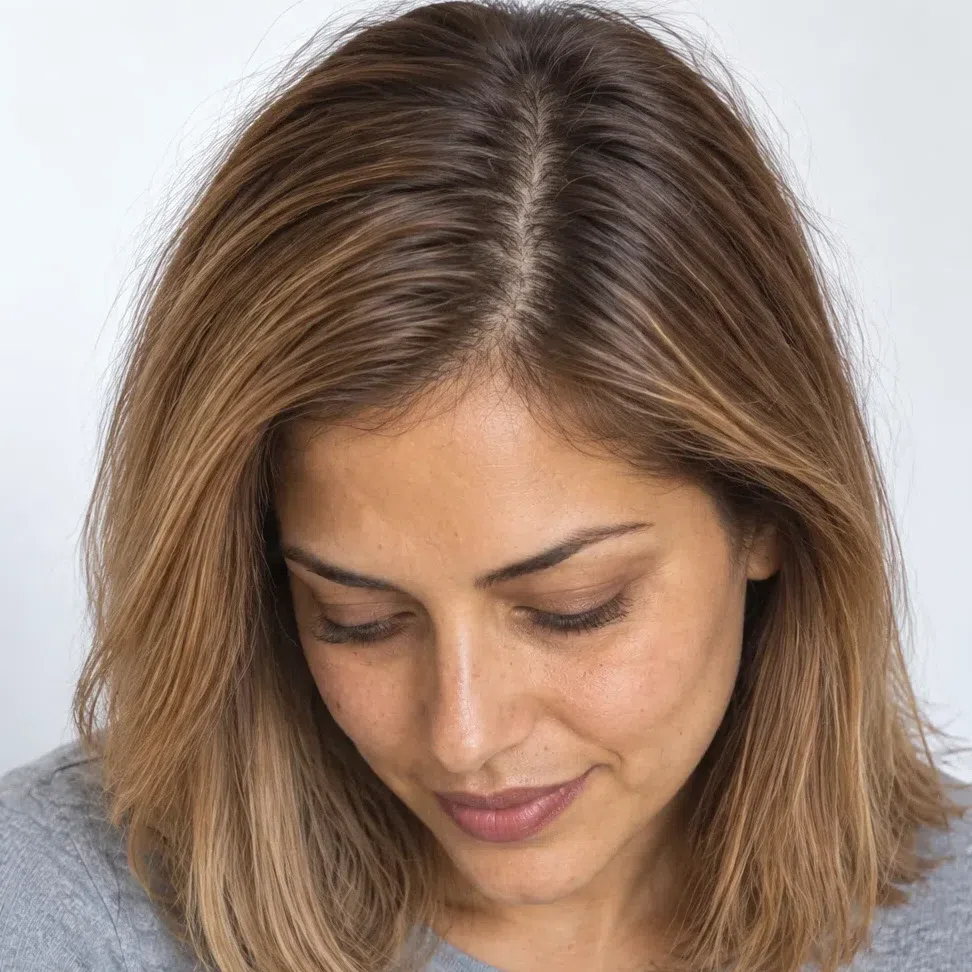 A root smudge
The same honey, with her own depth kept at the root on purpose and melted into the length. Three weeks later it still looks chosen.
And what the distance costs you
This is why the rule at the top of the page asks for small moves. How visible regrowth is depends on distance - the gap between the dyed length and what grows back - far more than on anyone’s skill. The same woman, natural level 4, three weeks after two different appointments.
-
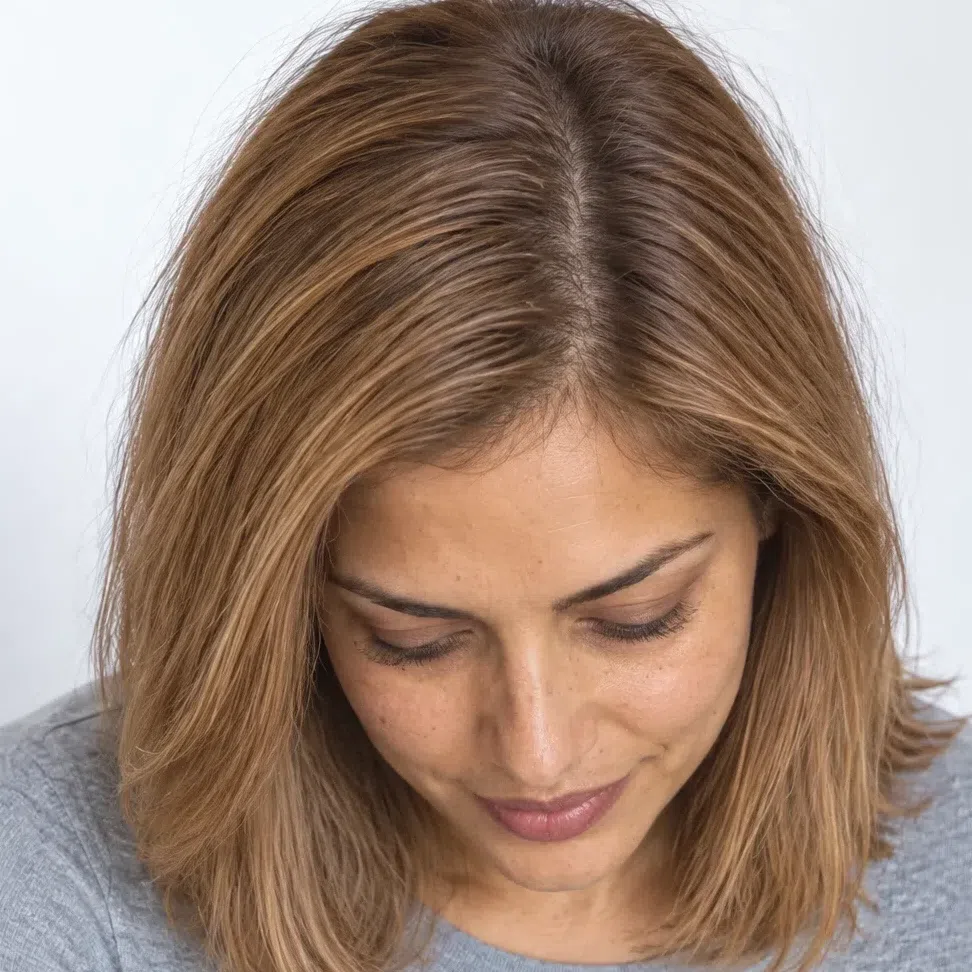 Two levels from natural
Caramel at level 6 over her own level 4. The regrowth is a soft shadow you have to look for.
-
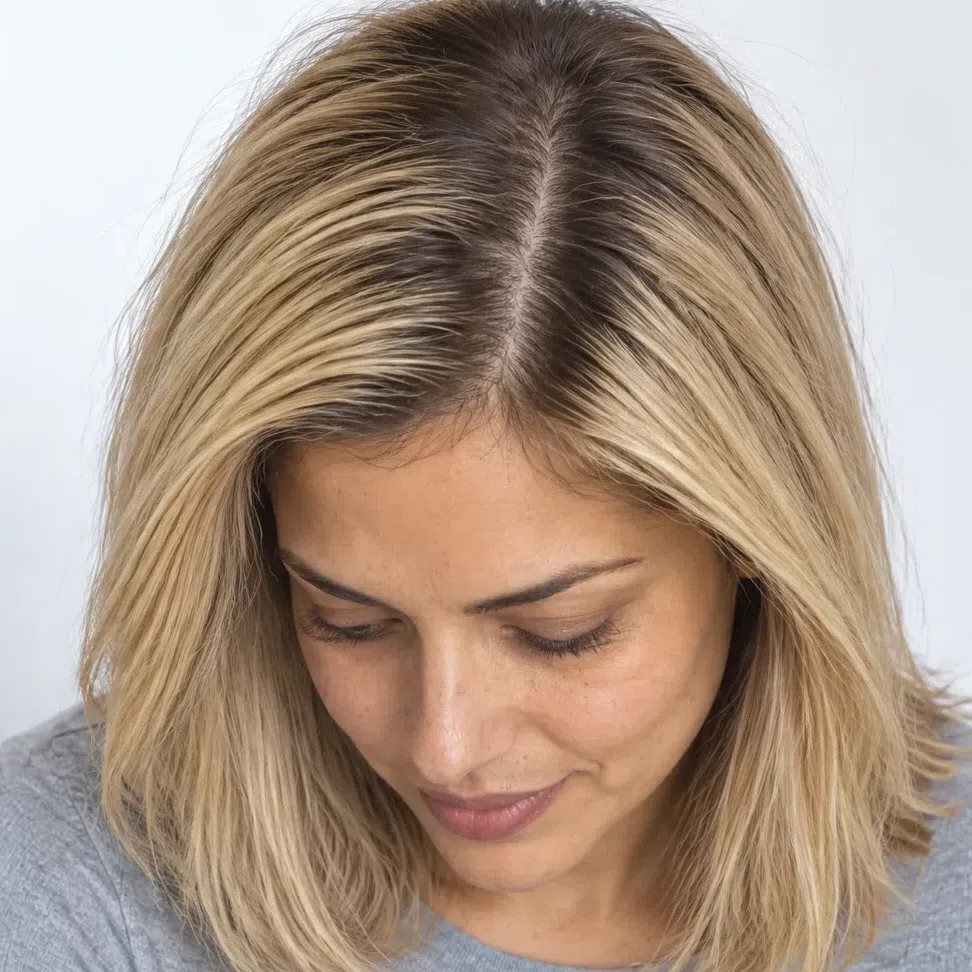 Four levels from natural
Golden blonde at level 8 over the same level 4. The same three weeks, and now a stripe.
The phrasebook
Say this
- “Level 6, gold”
- A number and a direction, with nothing left for anyone to interpret.
- “A warm gloss, not a violet toner”
- The sentence most likely to save the appointment. Toners default to violet or blue, and on your hair both cancel exactly the warmth you came in for.
- “Copper, but a golden copper”
- Keeps the red on the orange side of the wheel, where your palette lives, rather than drifting toward the burgundy end that sits on your avoid list.
- “A root smudge rather than a line”
- Your natural depth kept at the parting on purpose, so the first centimeter of regrowth blends in instead of drawing a line.
And what these get you
- “Ash brown”
- The default answer to "something natural" on a brown head, and the one shade on the shelf built to remove exactly what your palette is made of.
- “Something cooler, it looks too orange”
- A reasonable instinct aimed at the wrong thing. Copper that has gone brassy has faded; cooling it hides the fade by taking out more color.
- “A rich dark red, like wine”
- Wine, burgundy and mahogany are red with blue in it. Your red is the other kind, and mahogany is on your avoid list by name.
- “Platinum, just for summer”
- Four or five levels up from a Warm Spring base, with every trace of gold lifted out. It is on your avoid list, and it is the most expensive color there is to grow out.
A level, a tone digit and a word about the gloss will do more at the chair than a photograph can - and small moves away from your own level are what stretch the time between visits. Next: how light that level can go.
How blonde can a Warm Spring go?
Blonde is on your palette - a golden blonde at level 8 is the lightest shade it names - and platinum is on the avoid list. The line between them is not a fixed level, though. It moves with the hair you were born with, which is why the same shade can be exactly right on one Warm Spring and a costly mistake on the next. Two women, two starting points, only the level changing.
Yes, golden blonde - up to about three levels above your own natural, and never past level 9. Whichever limit you hit first is your ceiling. Keep the gold in it the whole way up: a warm blonde at your ceiling looks like your own hair in August, while the same level toned to ash looks like somebody else’s.
A natural level 6, climbing. Golden at every step until the last one, where the gold is lifted out.
-
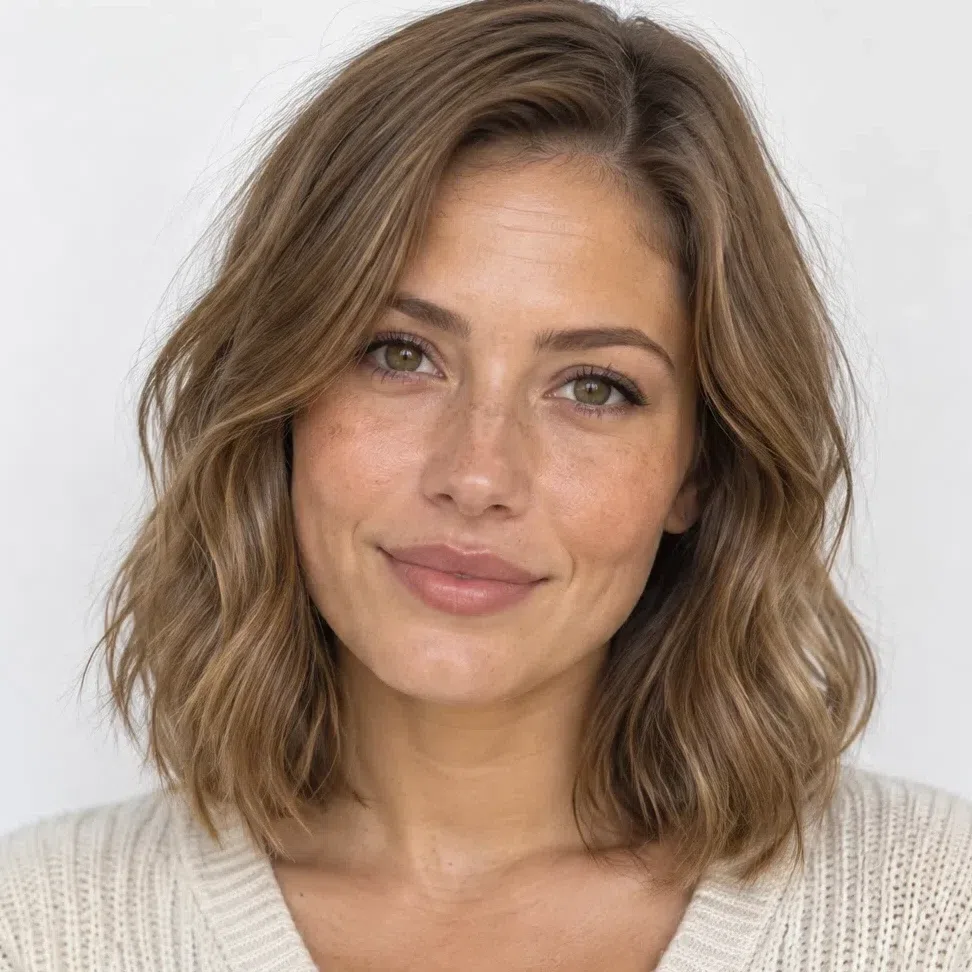 Her natural, L6
Her own hair. Warm, and already doing more for her than she thinks.
-
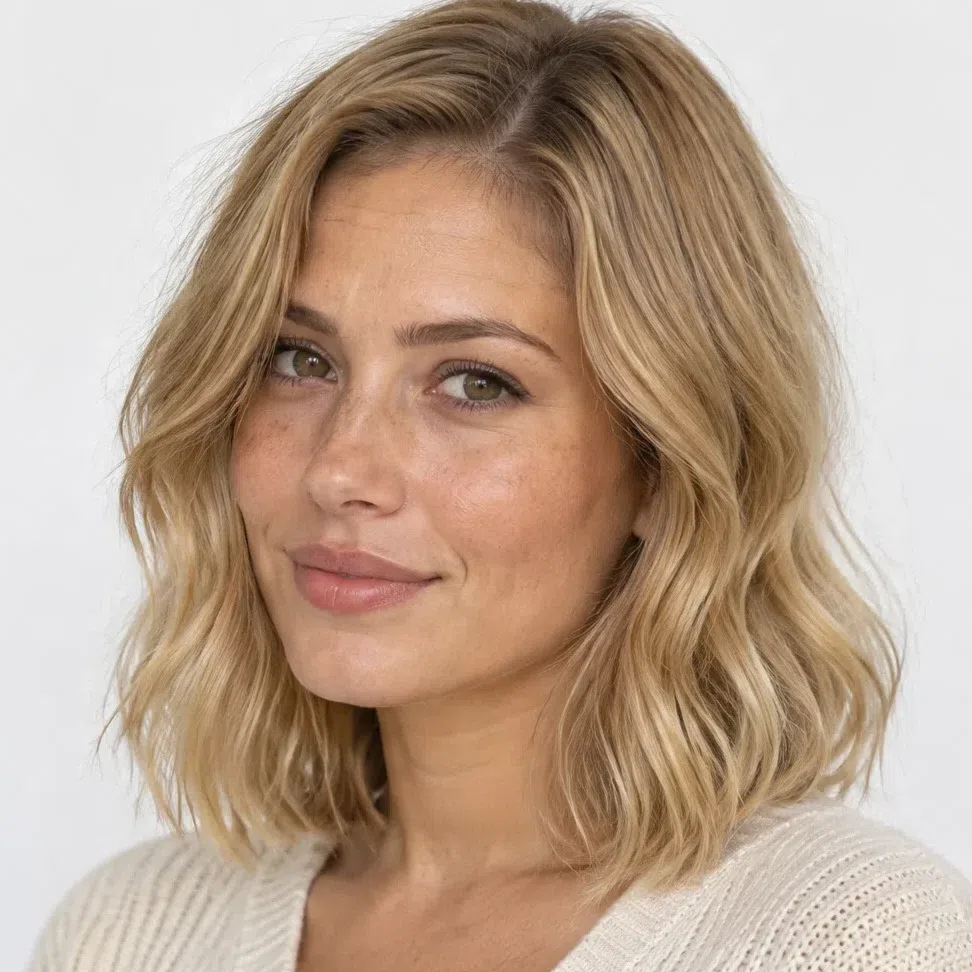 Two up, L8
The top of the palette, and an easy move from here. Sunny rather than bleached.
-
 Her ceiling, L9
Still golden, still hers - and as far as this starting point goes.
-
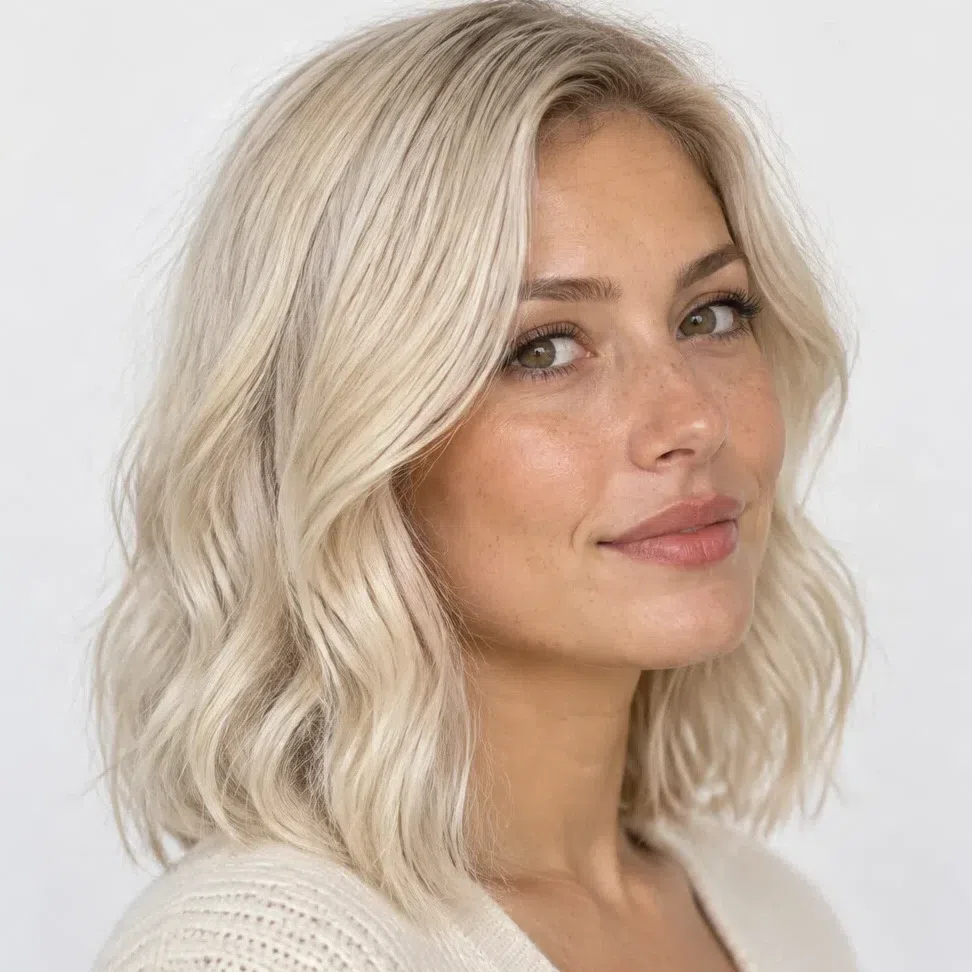 Past it, platinum
The gold stripped out. Her skin reads sallow beside it and her freckles look like marks.
A natural level 4, climbing the same way. Her ceiling arrives two rungs earlier.
-
 Her natural, L4
Her own warm brown. Every bit as Warm Spring as the blonde above.
-
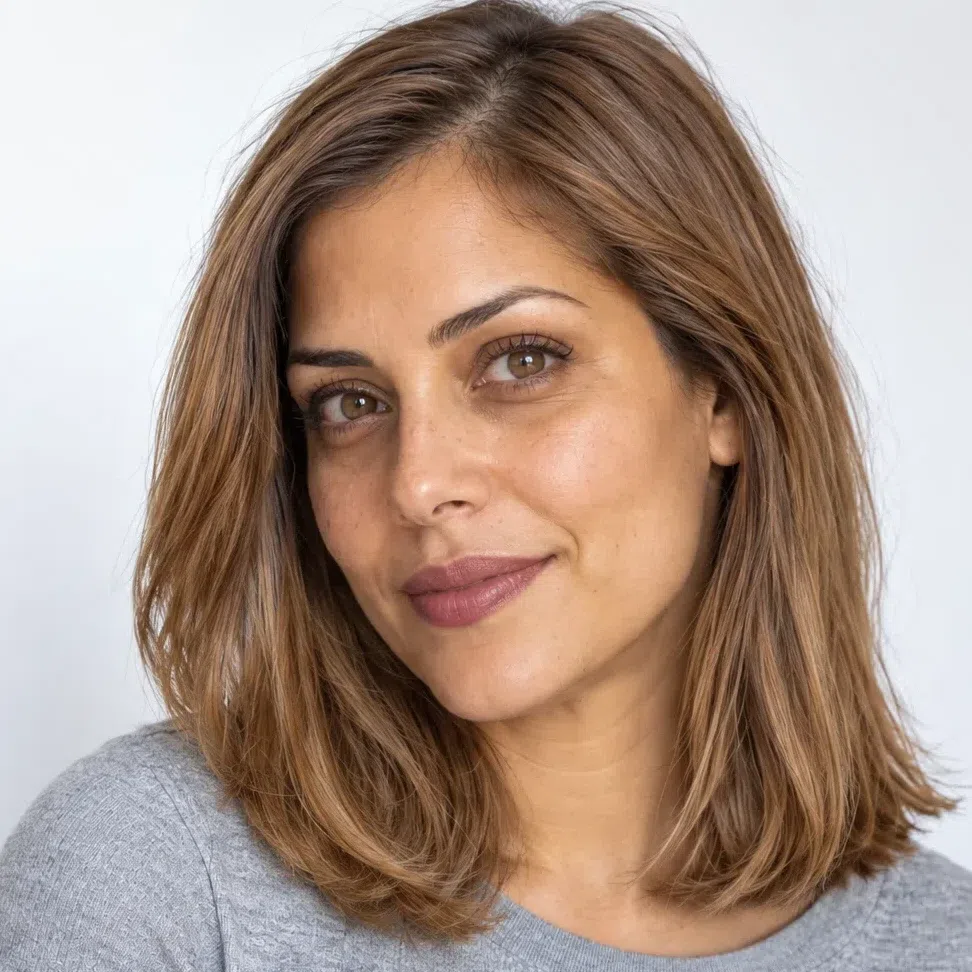 Two up, L6
Caramel - two rungs up, and the warmth in her skin gets an echo.
-
 Her ceiling, L7
Honey blonde. Lovely, and the last step that grows out quietly.
-
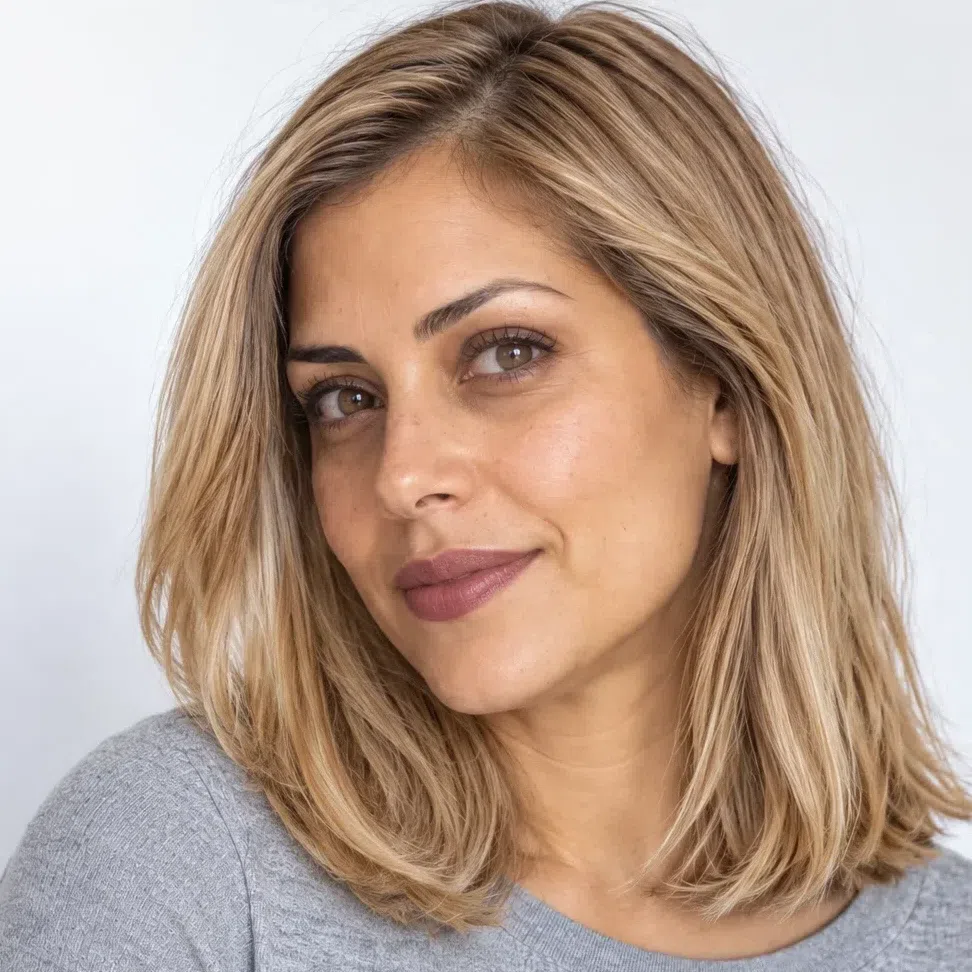 Past it, L9
Five levels up. The color is fine; the distance is what shows, at the root and against her brows.
Look at the third frame of the top row and the last frame of the bottom one. They are the same level 9 golden blonde - the same value off your own palette. On the first woman it is her ceiling, three rungs from home. On the second it is five rungs away, and nothing about the color changed: only the distance did. That is why this page never gives one "best blonde" for Warm Spring. The right blonde is a number counted from your own head.
The ceiling is about contrast and upkeep, not about whether blonde suits you. A Warm Spring’s face is lit by clear, warm color, and hair that echoes it at a similar depth reads as part of the same person. Push the hair four or five levels lighter than the brows, the lashes and the root, and the head starts to look assembled from two people - and the root is back in three weeks to prove it.
The level-9 limit is the palette’s own, and it holds even if you were born very fair. Above it, blonde can only be reached by lifting nearly all of the pigment out, and what is left is the pale, pigment-free territory - platinum, pearl, icy - that sits on your avoid list for a reason: there is no gold left in it to agree with your skin.
If you want to go lighter anyway
-
Go two levels, not four
Two levels is one appointment and a soft grow-out. Four is a bleach-and-tone job that needs a root touch-up every five or six weeks for as long as you keep it.
I am a 5 - can we go to a 7 gold? -
Put the lightness around the face
Fine golden babylights at the hairline and the parting give the effect of blonde where it is actually seen, while the rest stays near your own level. It is the cheapest lightness there is to maintain.
Face-framing babylights, gold, two levels up. -
Ask for the gold back at the end
Lifting exposes warmth, and the reflex at the basin is to tone it away. On you that warmth is the point. A golden gloss after lightening keeps the blonde in your palette rather than one step from platinum.
A golden gloss, please, not a violet toner.
So blonde is a yes, counted from your own level. Red is a more interesting question on this coloring, because it is the one place Warm Spring gets a yes that most seasons do not.
Can a Warm Spring wear red?
Most color seasons get a careful answer to this one. Yours is the rare plain yes: your palette lists copper at level 6 and strawberry copper at level 8 as shades to wear, where a Light Spring finds copper on its avoid list. The question here is not whether, but which way the red leans - and that turns out to matter far more than how much of it you wear.
Yes - as much red as you like, as long as it leans orange. Copper, golden chestnut and strawberry copper all repeat the warmth that is already in your skin. The moment red leans toward blue - burgundy, wine, mahogany, plum - it stops agreeing with you, at any depth and on any complexion.
A medium golden complexion, every frame at level 6. Only the kind of red moves: from a red-gold brown, to copper, and then round the color wheel toward blue.
-
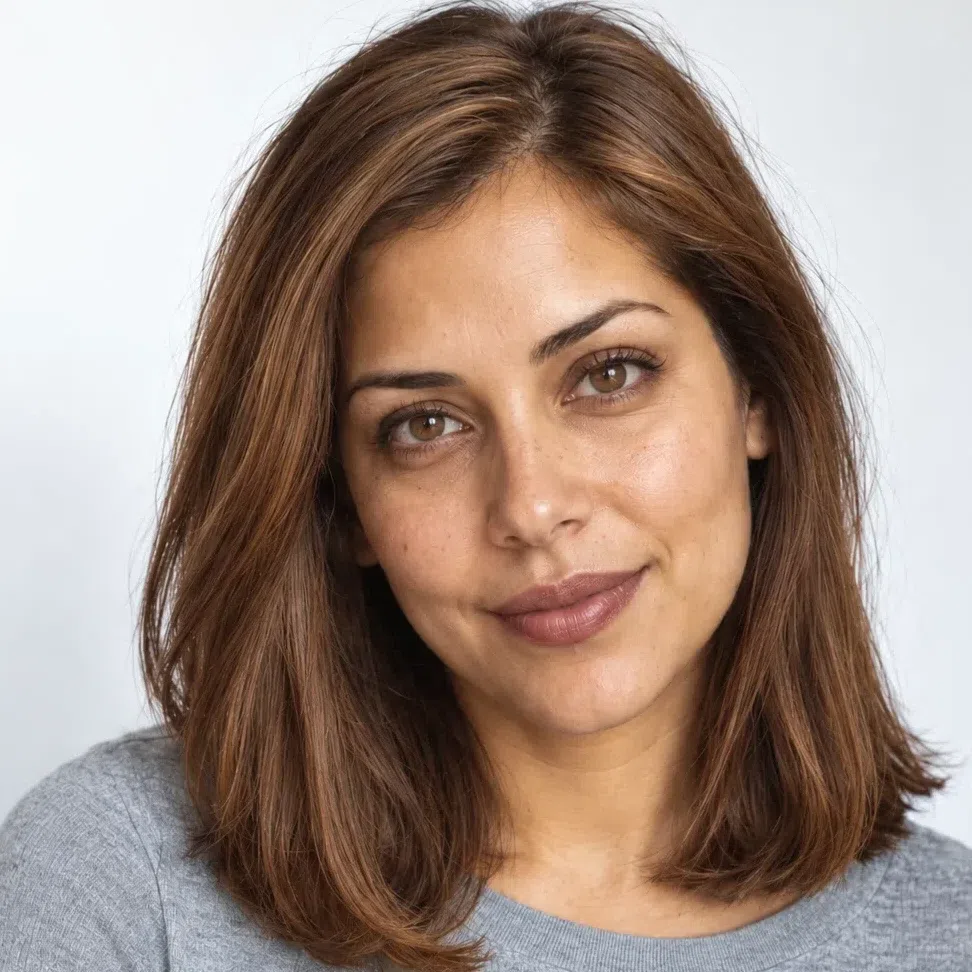 Golden chestnut
The quiet version. Red enough to glow, brown enough to wear every day.
-
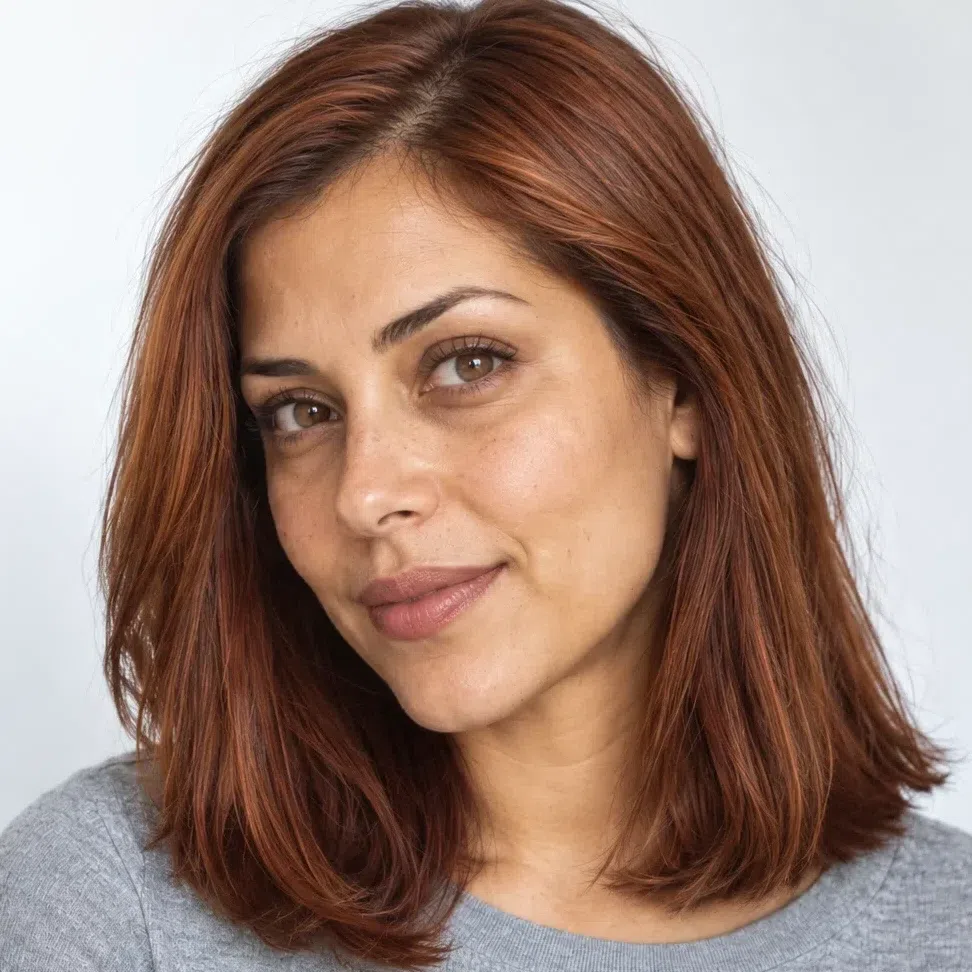 Copper
The loud version, and still hers - the red repeats the warmth already in her skin.
-
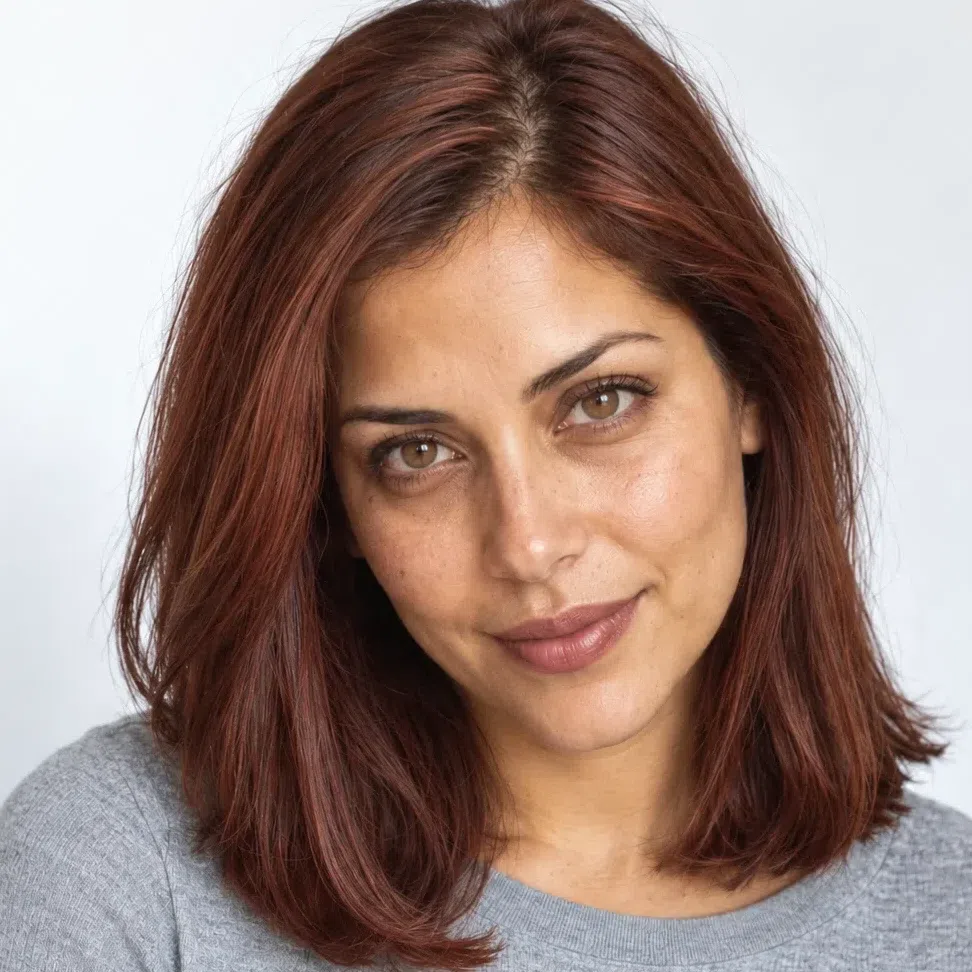 Auburn
Redder and less orange. It holds, but it starts to sit on her rather than with her.
-
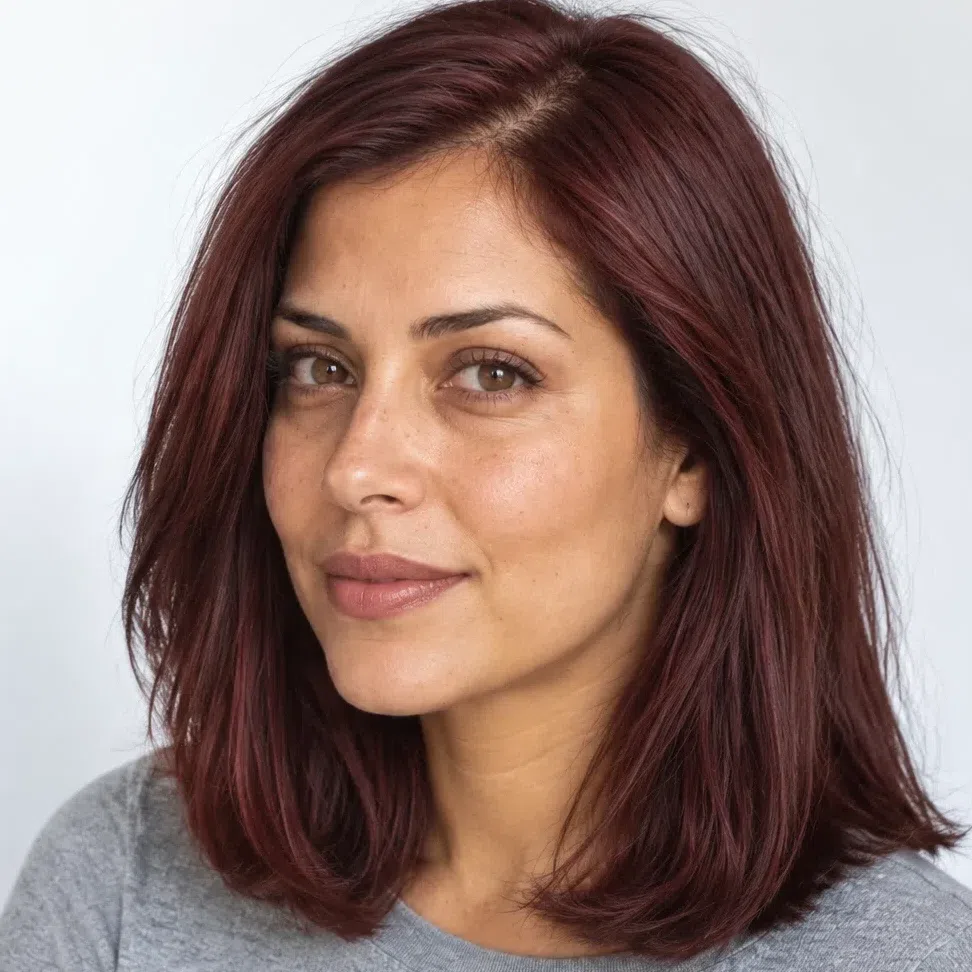 Burgundy
The same depth with blue in the red. Her skin turns sallow beside it.
A deep golden-brown complexion, the same four reds at the same level 6.
-
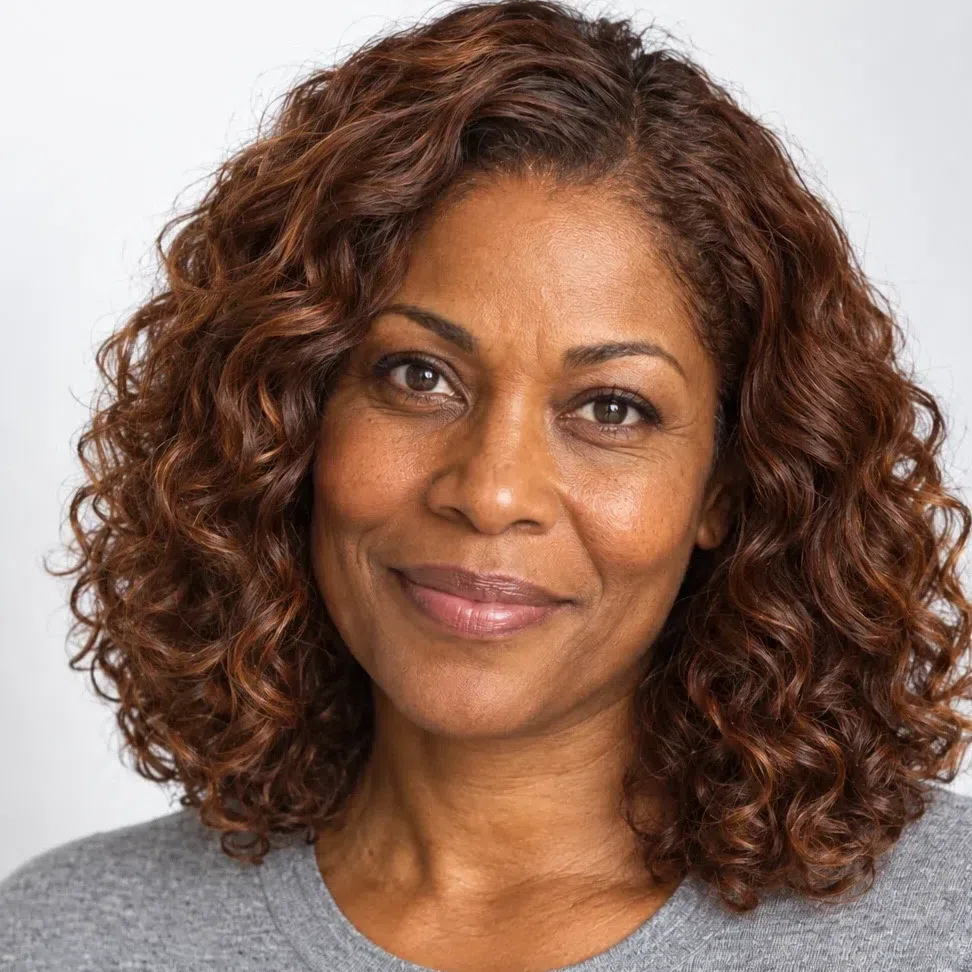 Golden chestnut
The quiet version. Red enough to glow, brown enough to wear every day.
-
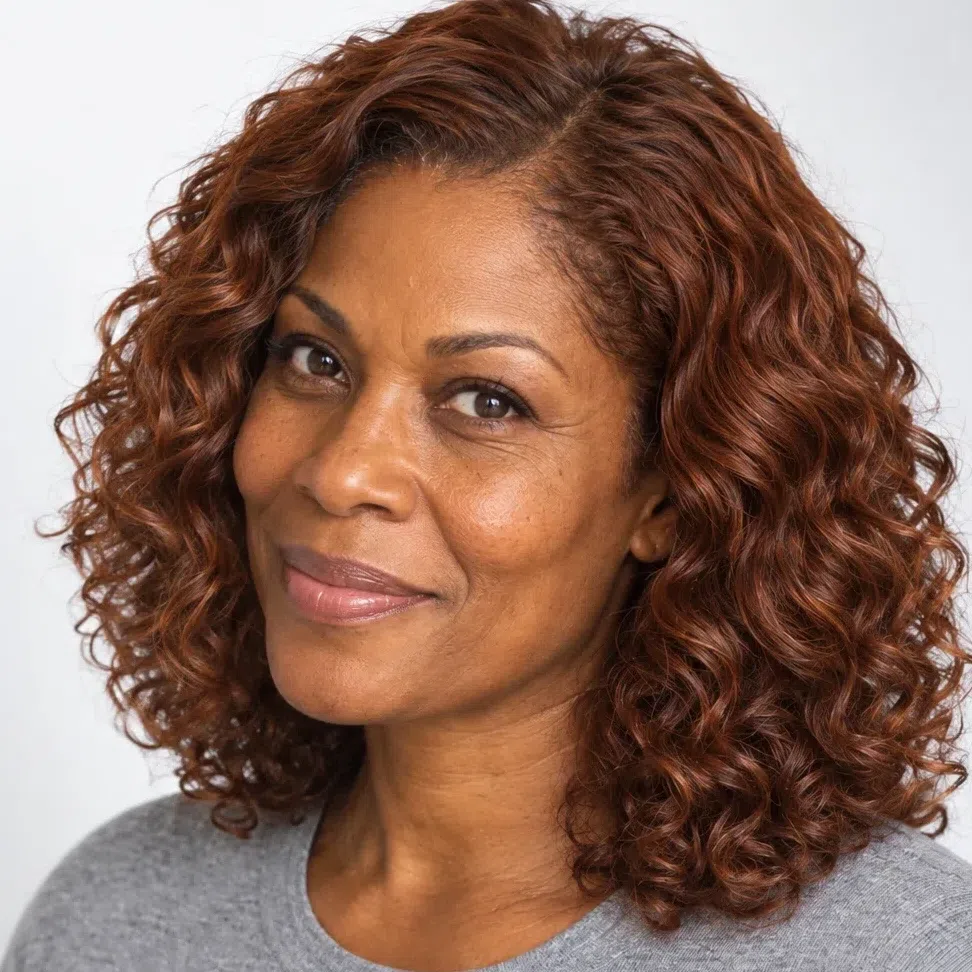 Copper
The loud version, and still hers - the red repeats the warmth already in her skin.
-
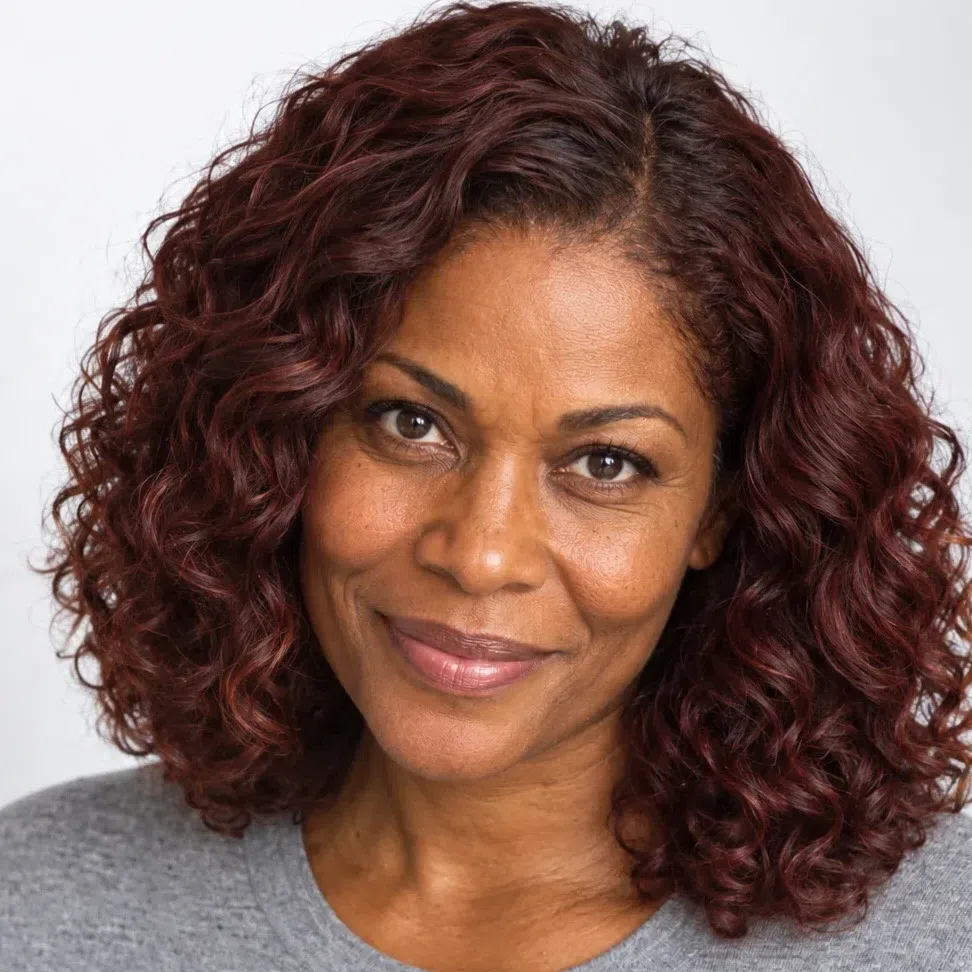 Auburn
Redder and less orange. It holds, but it starts to sit on her rather than with her.
-
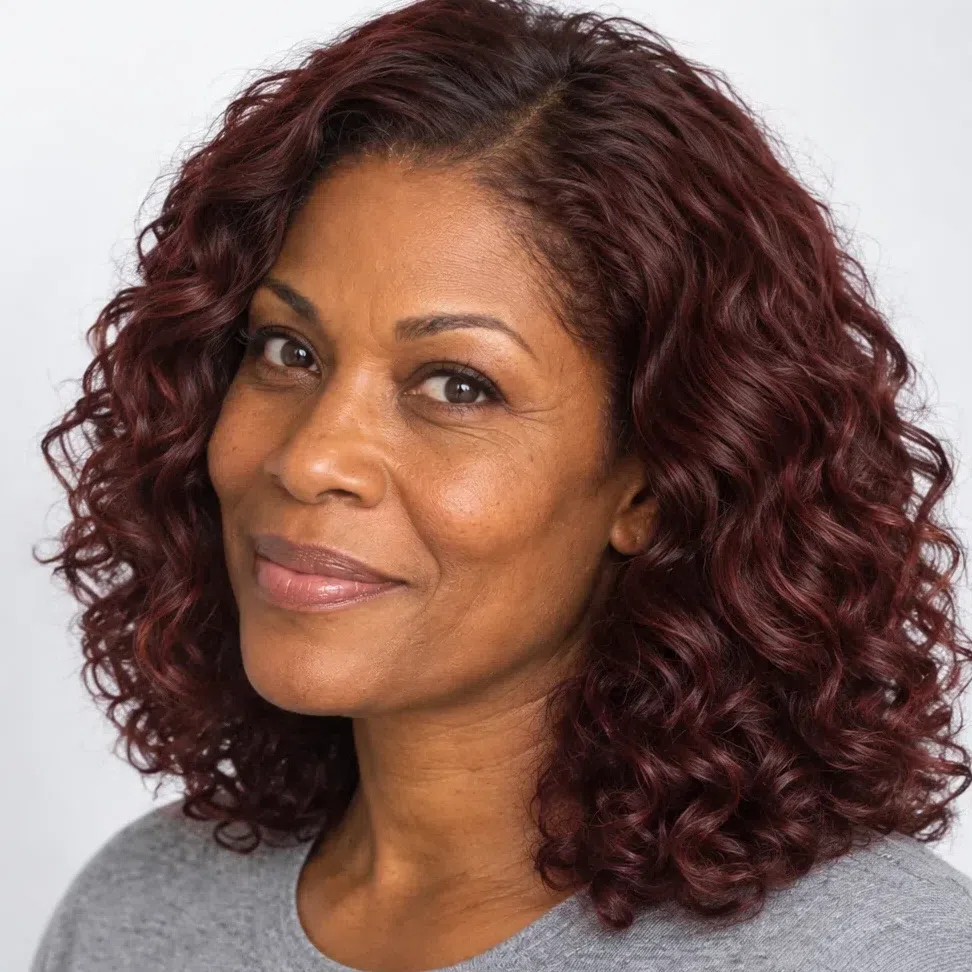 Burgundy
The same depth with blue in the red. Her skin turns sallow beside it.
The first two frames in each row are the interesting pair. Golden chestnut and copper are both on your palette, and at level 6 they are measured at the same hue and the same lightness - to within half a point. The only difference is how much pigment they carry: copper has about one and a half times the chroma. Both work. So on a Warm Spring the amount of red is a matter of taste, and the second complexion shows the same thing. The line is crossed only in the last two frames, where the depth stays put and the red turns toward blue. That is also exactly how your avoid list is built: mahogany and plum black are on it, copper is not.
Why direction matters more than intensity comes down to what is under your skin. A Warm Spring’s complexion is golden or peach, a yellow-leaning warmth, and an orange-leaning red shares that yellow component - the two read as one color family, so the hair lights the face. A blue-leaning red has none of it. Next to it the yellow in your skin is left on its own, unanswered, and that is the sallow cast in the last frames.
Both complexions are here for coverage, not because the answer changes. Clarity belongs to the dye rather than to the skin behind it, so the door shuts at the same frame in both rows. If you have deep skin and a Warm Spring palette, the copper is yours exactly as much as it is anyone’s.
Copper is the most vivid thing this coloring can wear and the quickest to go. Before that, though, the question that eventually arrives for everyone: gray.
Going gray as a Warm Spring
Silver is hair with no pigment left in it, and a Warm Spring’s coloring runs on pigment - gold in the hair, gold in the skin, the one echoing the other. So gray is a real change on this coloring, not the easy win it is for the cool, muted seasons. How much of a change depends on your own depth, and what you do about it matters more than how much silver there is.
Keep some gold in it. Blending silver with golden highlights and a few warm lowlights is the best result on both women below, and it grows out without a line. Full silver is where the two part company: on a lighter Warm Spring it takes the last warmth out of the face, while on deep golden skin it becomes bright, deliberate contrast - a legitimate choice rather than a compromise.
A light-medium warm complexion, late fifties, a natural level 6 with plenty of silver. Four decisions about the same head of hair.
-
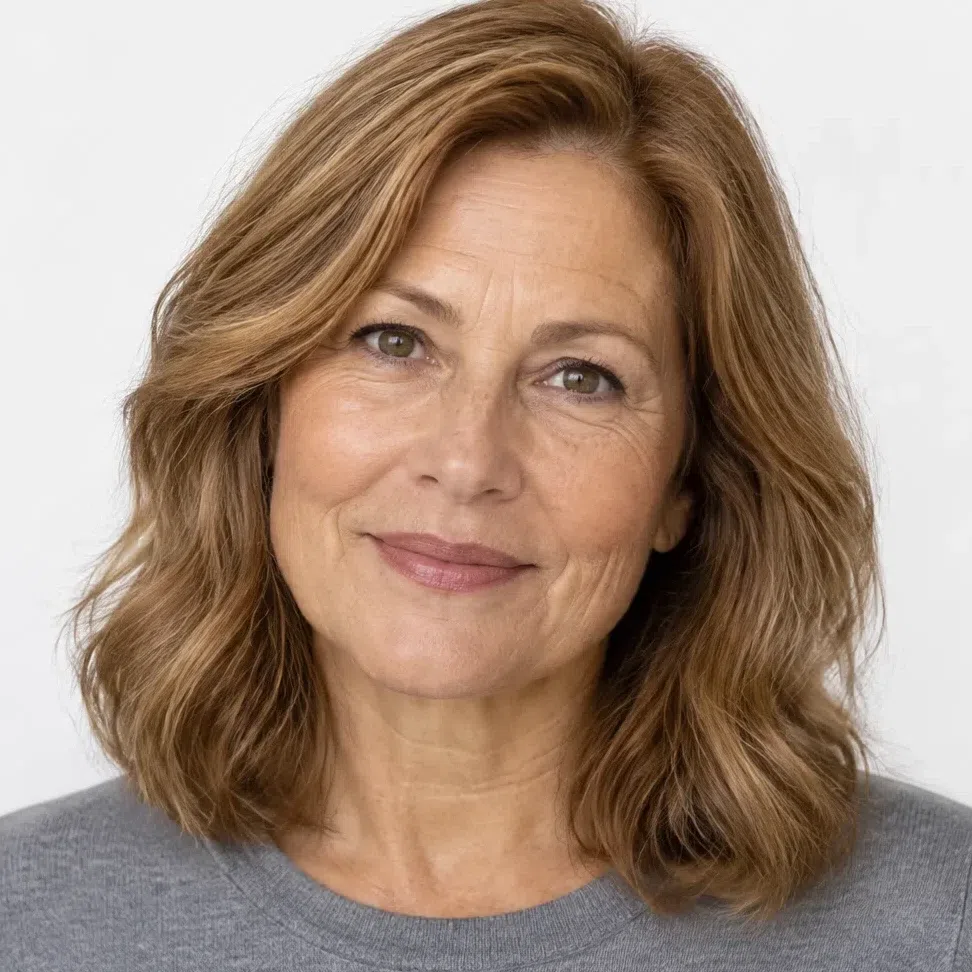 Covered
Golden caramel over everything. It suits her - and it is back at the root in four weeks, every four weeks.
-
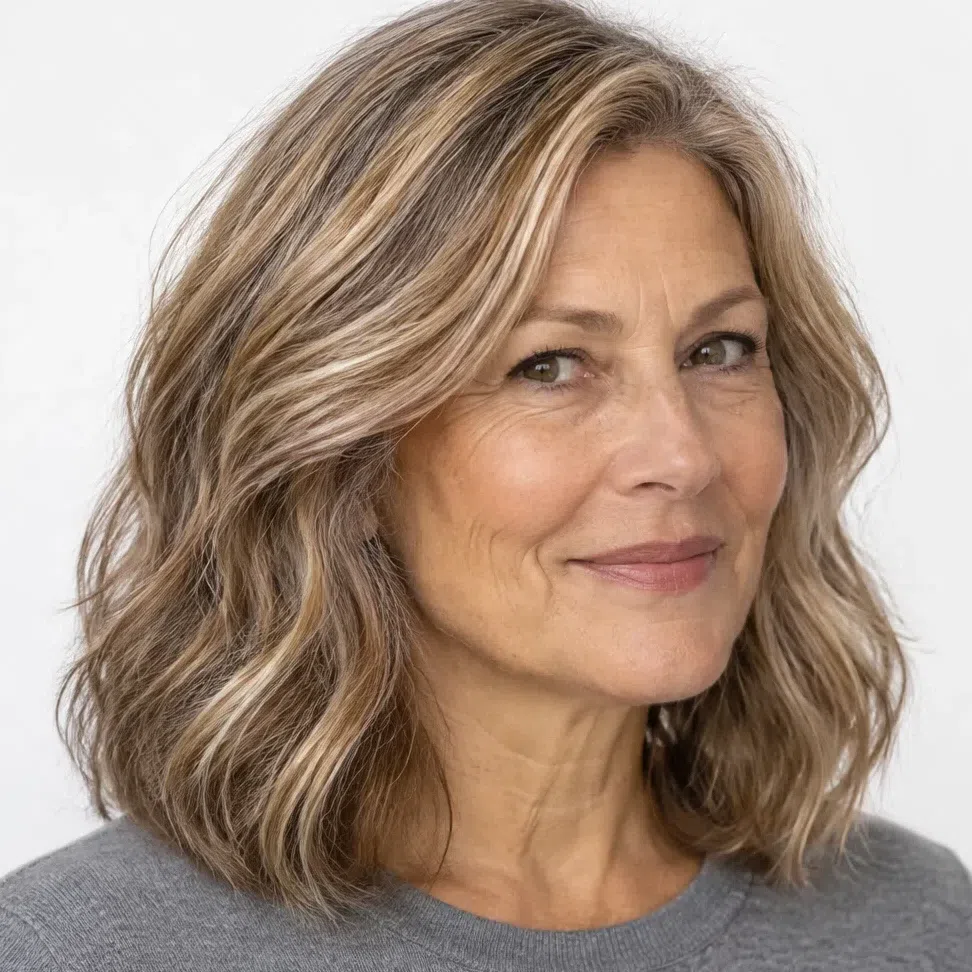 Blended
Silver, gold and her own base mixed together. Warm, soft, and nothing to grow out.
-
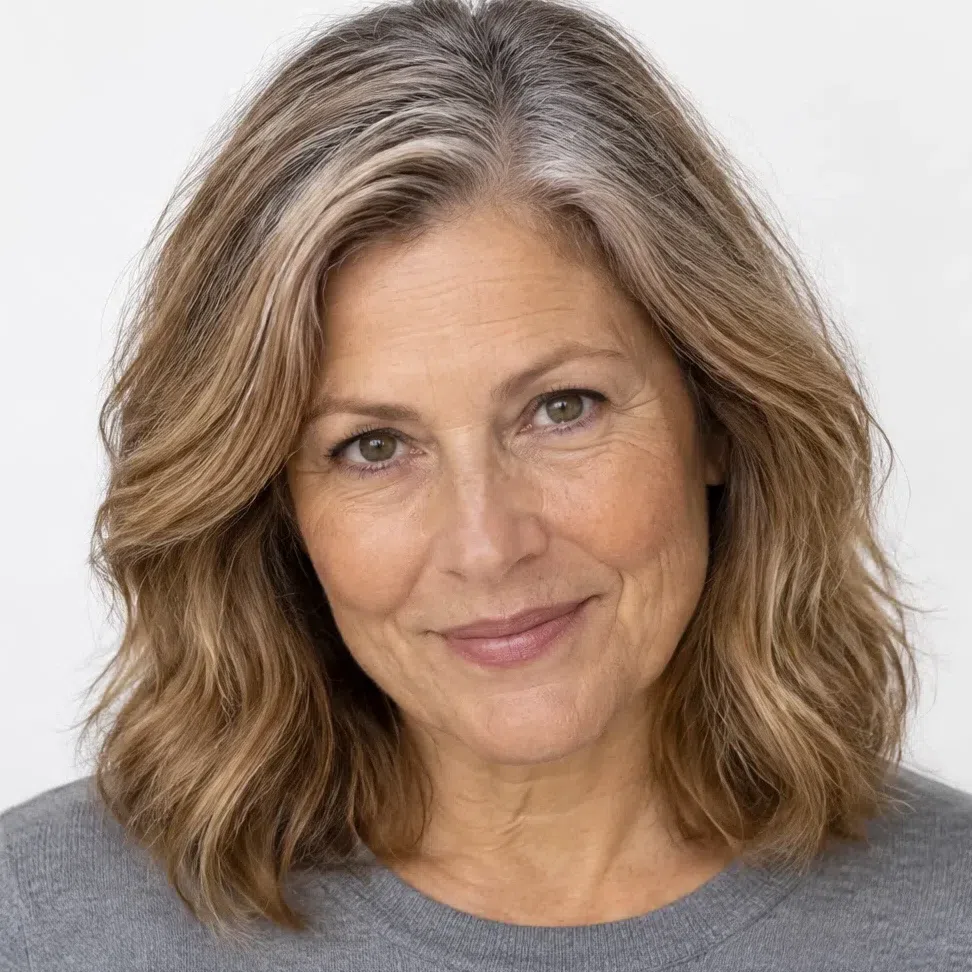 Growing it out
A sheer golden gloss melts the silver root into the old color. The kindest way through the in-between year.
-
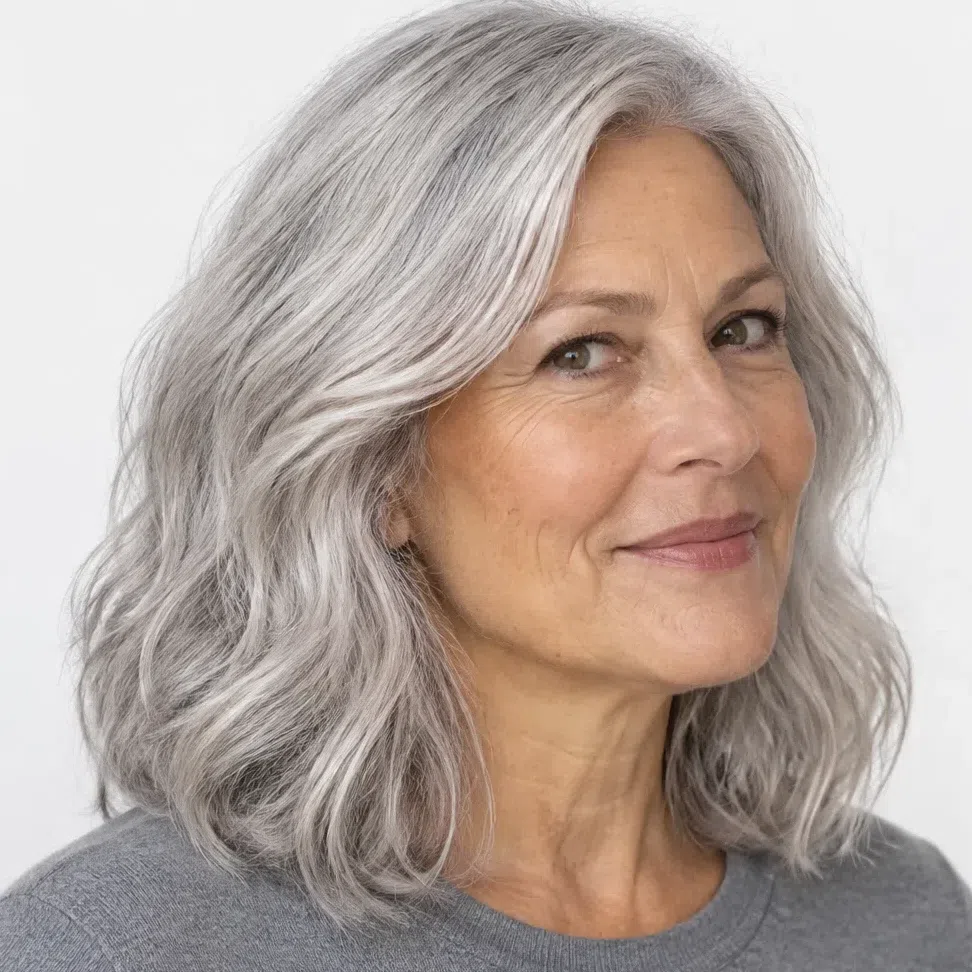 Full silver
All her own, and cold against her skin. The face loses the warmth that was holding it up.
A deep golden-brown complexion, the same four decisions on a natural level 3 that has gone about half silver.
-
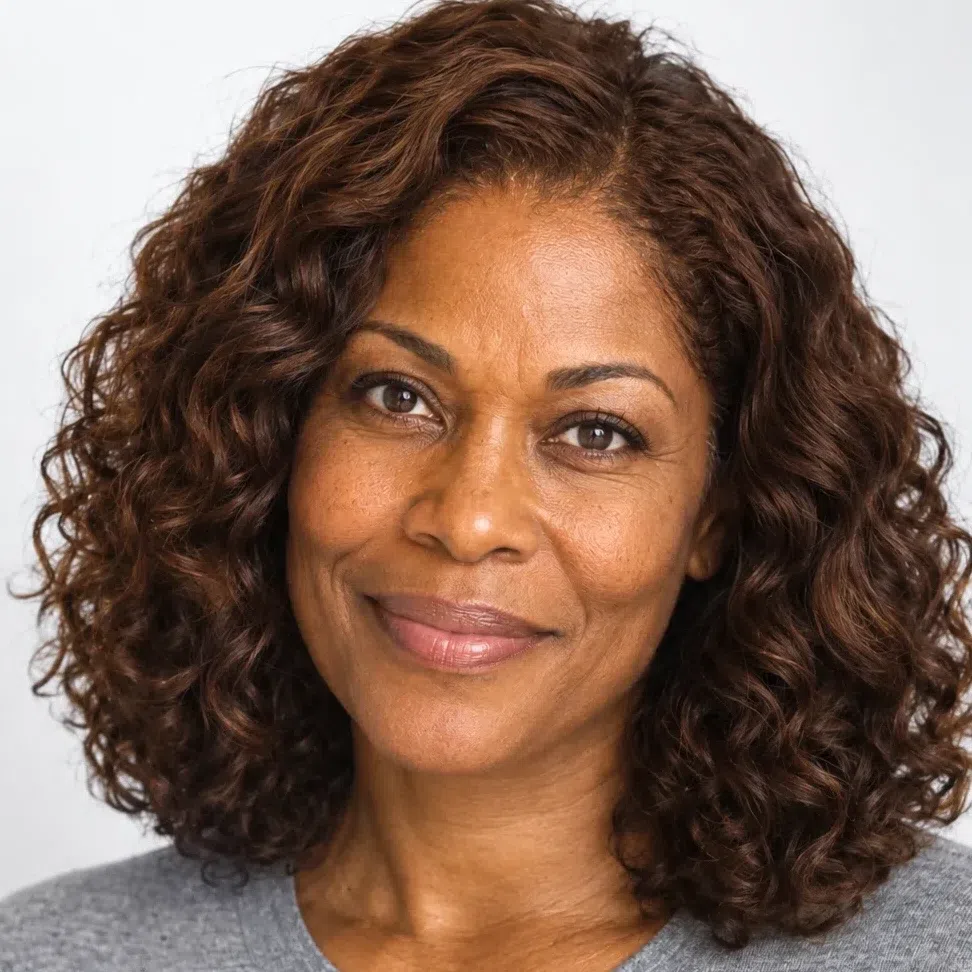 Covered
Warm golden brown over all of it. Rich, and a root that shows fast on hair this dark.
-
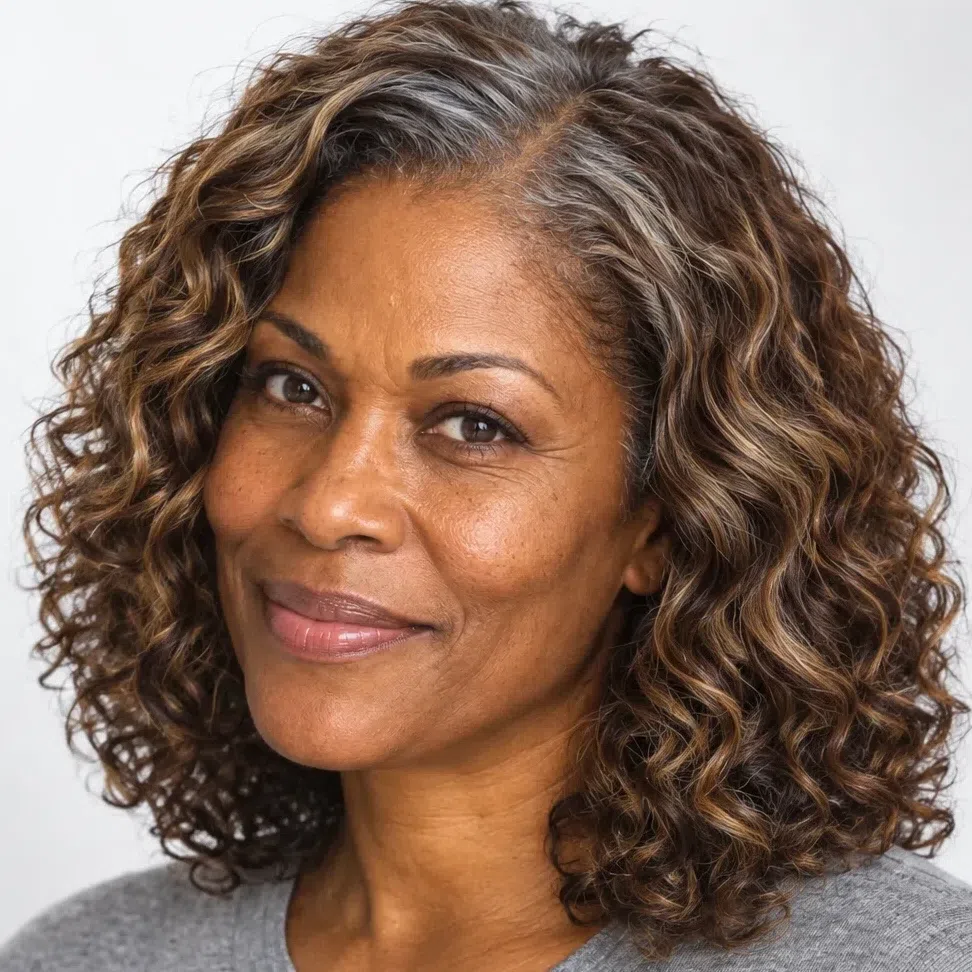 Blended
Golden highlights through the silver. Arguably the best result on this page.
-
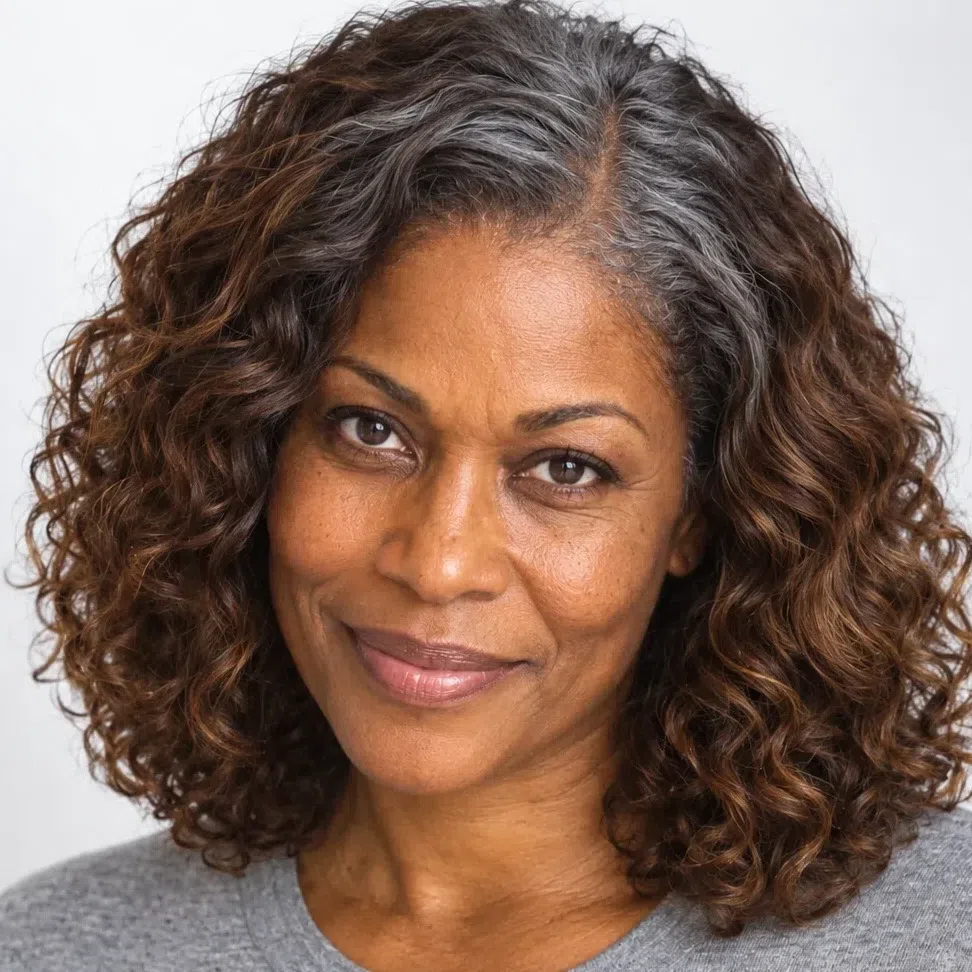 Growing it out
Silver arriving at the front, warm lengths behind it. Deliberate rather than neglected.
-
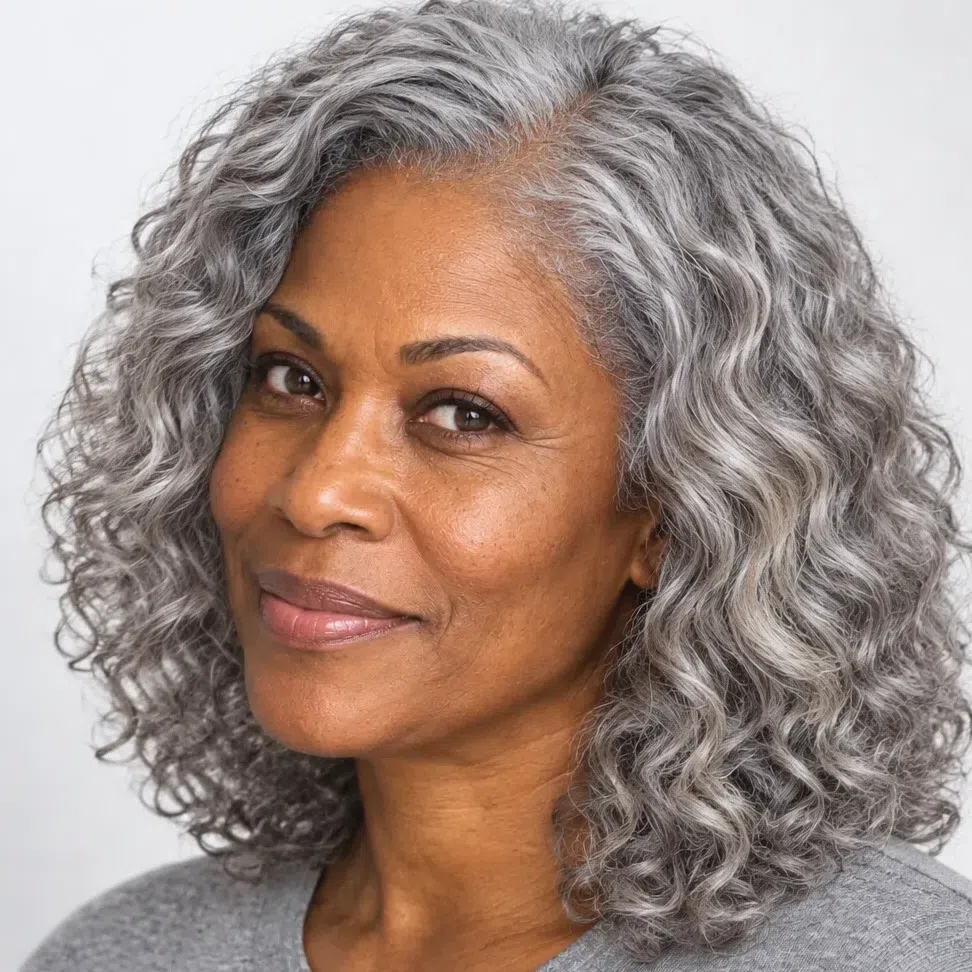 Full silver
Bright silver against deep warm skin. High contrast, clear and striking - it reads as a choice.
Compare the last frame of each row. Both women are fully silver, and the answer is different. On the lighter complexion, silver sits close to her own lightness and is colder than her skin, so the two blur together and the warmth drains out - a quiet miss. On deep golden skin the same silver sits far from her own depth, so it reads as contrast rather than as fading: bright, clean and clearly chosen. Temperature is a problem on both; on the second face, lightness contrast carries it anyway.
Gray is not your hair losing color the way dye fades. The pigment cells in the follicle stop supplying new pigment, and each new hair simply grows in without any. That is why covering it is a subscription rather than a fix - four weeks later the next centimeter arrives exactly as white as the last.
Silver on any coloring picks up yellow from sun, hard water and heat faster than pigmented hair does, and on a Warm Spring that is less of a disaster than it sounds - a faint warm cast is closer to your palette than icy white is. What you want to avoid is the purple-shampoo reflex that keeps it icy. Which is the same reflex, as it happens, that ruins warm color in the section that follows.
During ageing, there is accumulation of stranded McSCs that do not contribute to the regeneration of melanocyte progeny.
Whether it is gold, copper or silver you are keeping, the enemy between appointments is the same: warmth leaving. Here is how that happens, and how to slow it down.
Keeping it, between appointments
The appointment is one afternoon; the color has to last the two months after it. For a Warm Spring who chose copper especially, those weeks decide how the rest of this page turns out.
Your color is not getting lighter. It is losing its red. Copper is among the quickest shades to leave a head of hair, and it leaves at a constant depth - week ten is the same level 6 as day one. What drains out is the clarity, the new-penny quality you actually paid for, until what is left is a flat ginger-beige. People call that fading. It is closer to going bare, and the fix is to put color back, not to take more out.
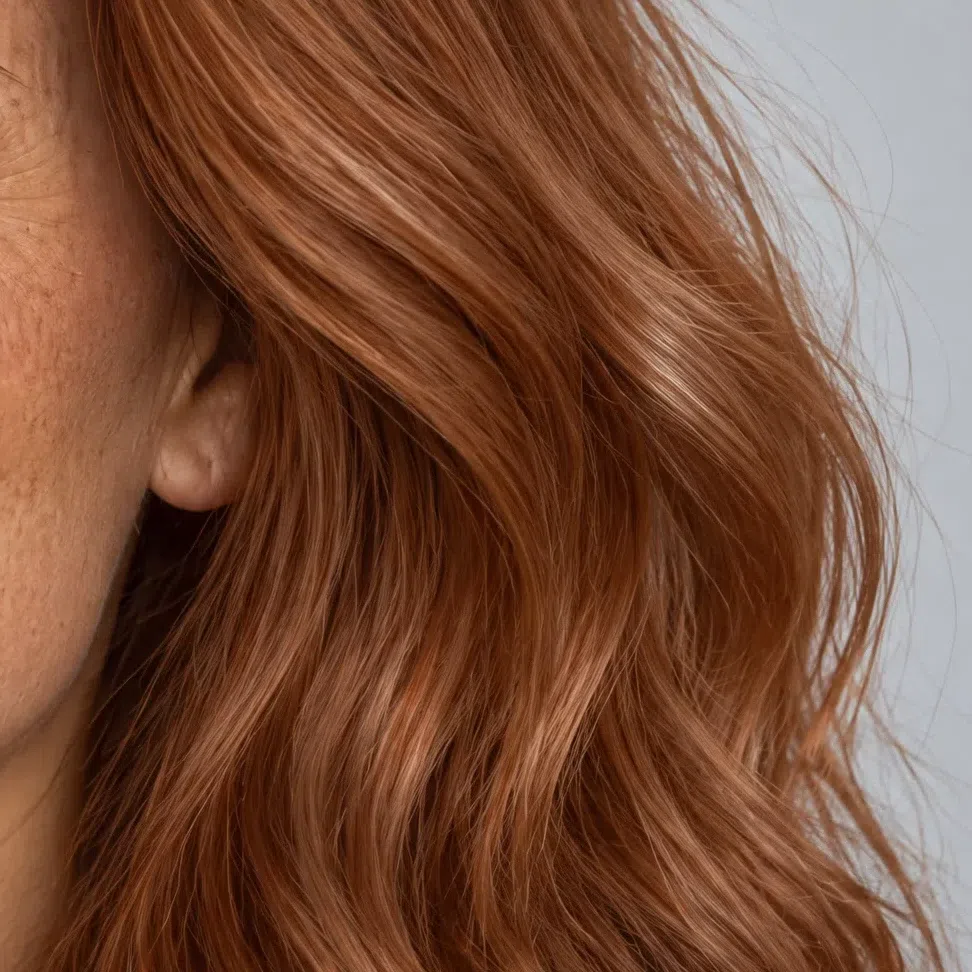
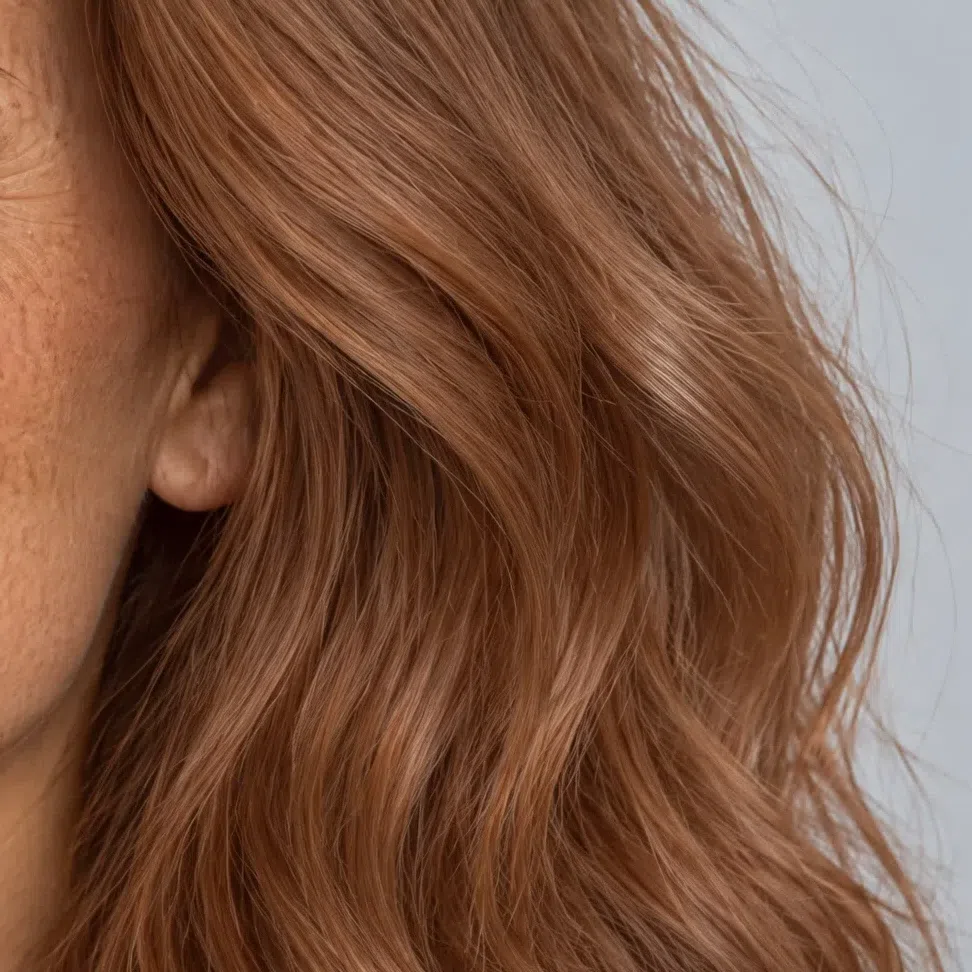
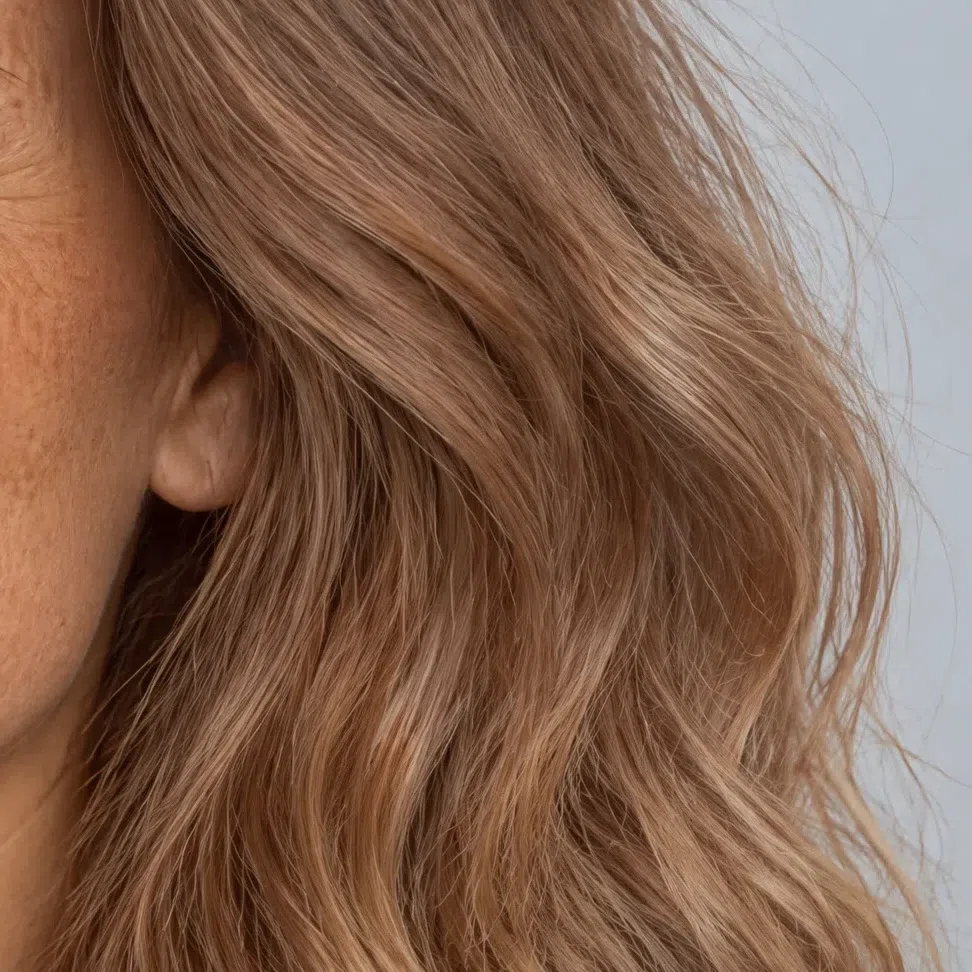
One head of level 6 copper, the same close-up, across one appointment. The level never changes - every frame is exactly as light as the first. Only the amount of red does.
-
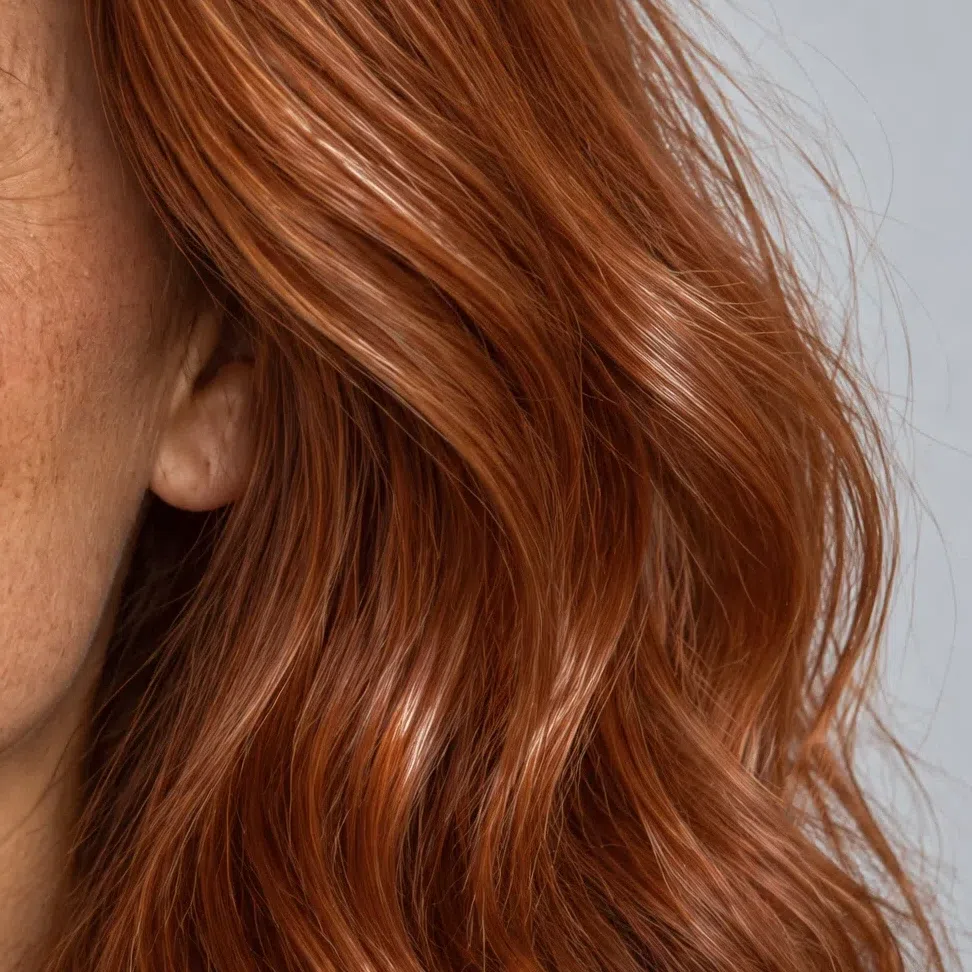 Day one
New-penny copper, several values moving through it, light bouncing off.
-
 Three weeks
Softer and more orange - and not one shade lighter than day one.
-
 Six weeks
A flat ginger, one value all the way down. The shine has gone with the red.
-
 Ten weeks
Dull ginger-beige, still level 6. Nothing got lighter; the color left.
Read the row as the same depth four times. If it looks like it got lighter, look at the ends against the ear in each frame: the value holds, and what changes is chroma and shine. Colorists will tell you red is the first tone to wash out of a dye, which is why copper needs more help than gold - and why the warm, ginger-beige base it fades down to is still inside your palette rather than outside it. Every head of hair carries some of that warm pigment of its own.
The reflex, when copper goes flat, is to ask for something to "take the orange out". That is the one move that makes it worse. A blue or violet toner does remove orange - by laying its opposite over it - and on a Warm Spring the result is the dull brown on the tone chart further up the page. The orange is not the problem. The missing red is.
Gold fades too, just more slowly, and the same four things below hold it. If you wear golden blonde or caramel, read "copper" as "gold" in every card.
Eumelanin contents decrease in that order, with a trace but constant level of pheomelanin, except for red hair which contains about equal levels of pheomelanin and eumelanin.
Four things that hold it, and one of them is free
-
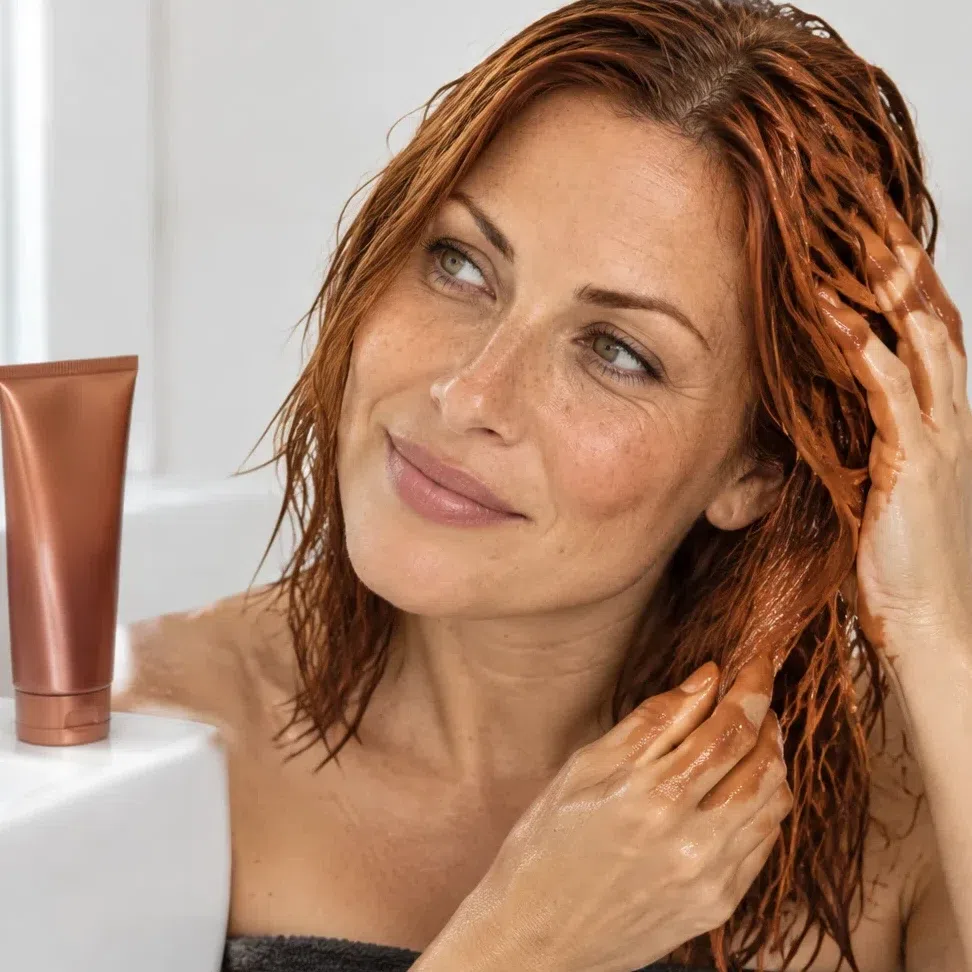 Check the bottle
A color-depositing conditioner once a week, in a copper or gold shade. This is the card most people get backwards: the purple bottle next to it on the shelf is for blondes who want less warmth, and you want more.
Copper conditioner, once a week. -
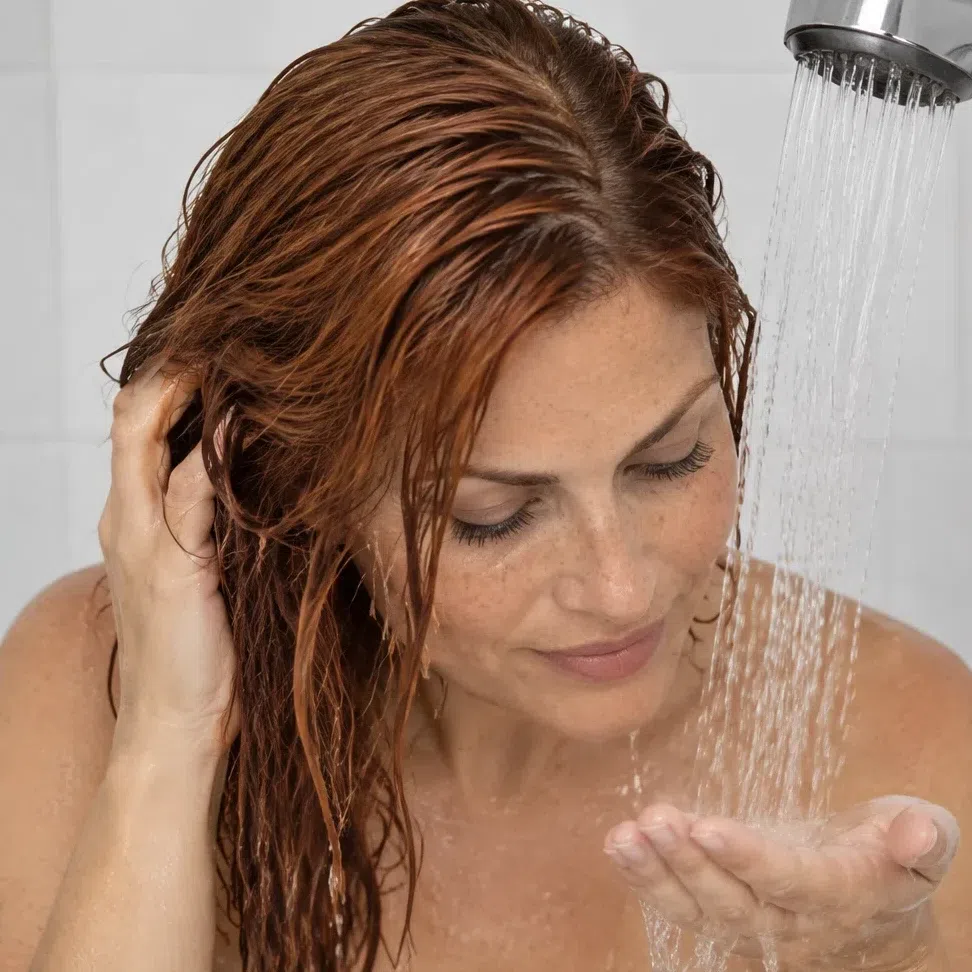 Cooler water
Hot water lifts the cuticle and lets dye slip out through it. Finishing with a cool rinse costs nothing and helps more than most products sold for the job. This is the free one.
Lukewarm to wash, cool to finish. -
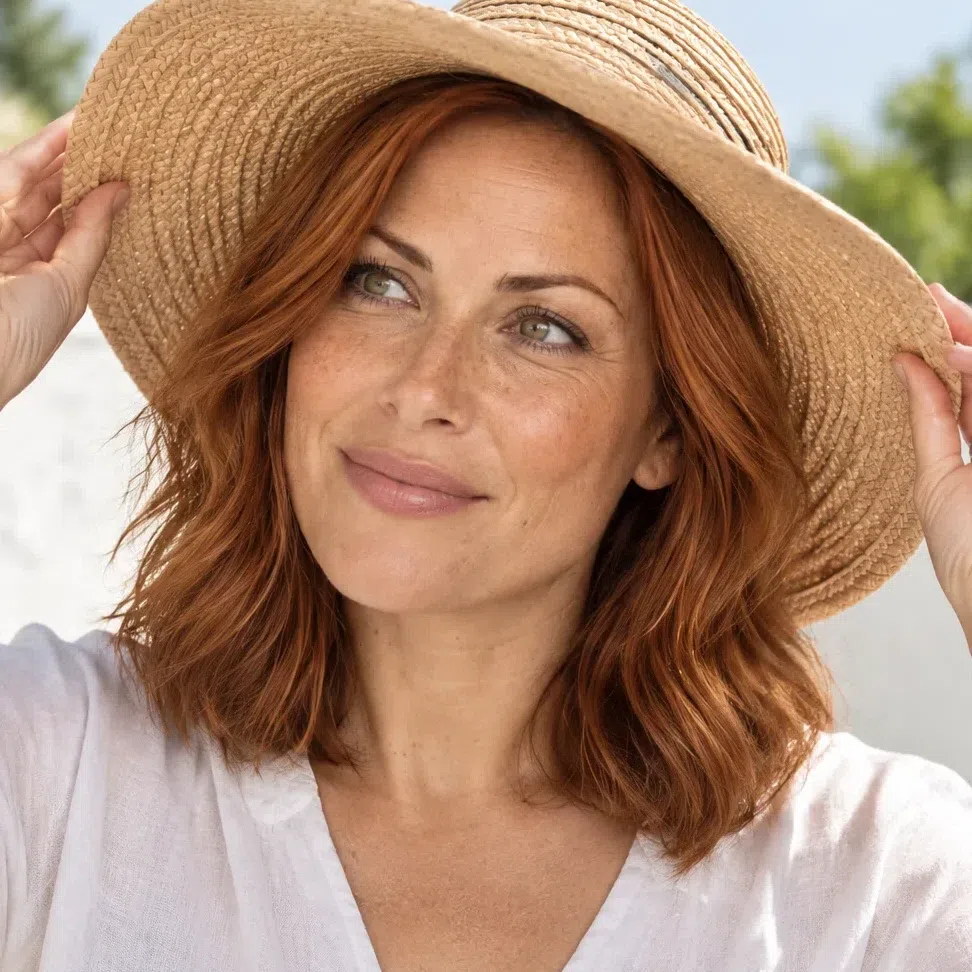 Shade in summer
Strong sun fades red dye quickly, and a beach week can take visible color out of copper that would otherwise have held for a month. A hat, or a leave-in with UV filters, on the days you are out in it.
A hat for the beach, not for the commute. -
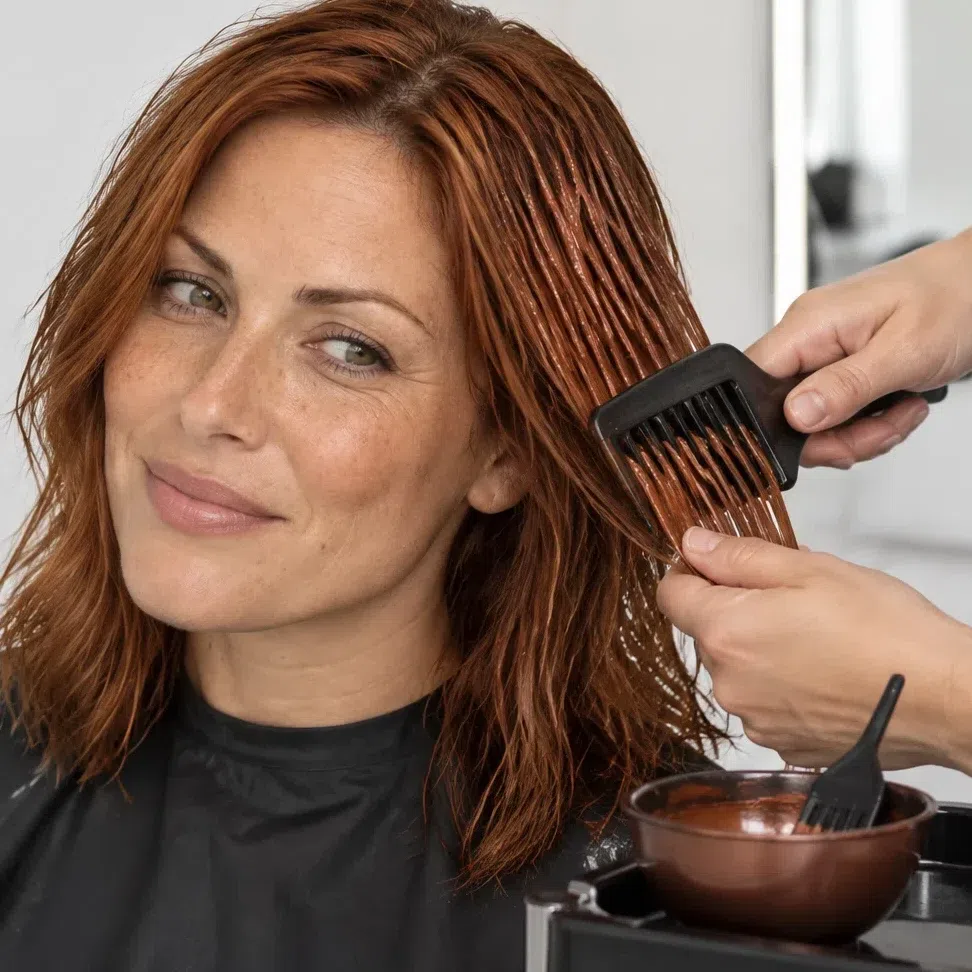 A gloss at week four
A demi-permanent gloss in copper puts the red back without lifting anything, which is why it costs a fraction of a color appointment and takes twenty minutes. Book it for week four on copper, week five or six on gold.
A copper gloss, the same shade as last time.
All of this is about keeping a color that suits you. The next section is the other half: the shades that never did, and the two different ways they go wrong.
What goes wrong, and why
Two halves. First, the two mistakes you can spot in your own mirror, because they look alike and their fixes point in opposite directions. Then the twelve shades that do it, photographed on an ordinary face on an ordinary afternoon - because a studio portrait makes every color look good, and that is not the light you live in.
The two mistakes
The hair wears you
- How you can tell
- People comment on your hair before they have looked at your face. The color is the first thing in every photograph, and your skin looks either sallow or flushed beside it.
- Why
- The distance between the hair and your skin is larger than anything your face does on its own - platinum four levels above your brows, or blue-black five below them. A Warm Spring face is medium in contrast and clear in color; it can carry warmth, but not a jump that large.
- Fix
- Close the distance. Come one or two levels back toward your own depth. The wrong instinct is to reach for a different shade at the same extreme; the level is what is off, not the shade.
It went flat, and you look tired
- How you can tell
- Nothing is obviously wrong, and yet you look paler and more tired than you did before the appointment. Your freckles read as marks rather than as color.
- Why
- A cool or neutral tone - ash, pearl, a "natural" beige - took the gold out, or a warm color faded to a single flat value. Either way the hair stopped echoing the warmth in your skin, and the skin was left doing it alone.
- Fix
- Put the warmth back, and add dimension. A golden or copper gloss, and a few warm lowlights a level deeper. The wrong instinct is to go lighter to "brighten up" - lighter without gold is the problem you already have.
The twelve shades, on a real face
The first eight are the shades your palette page lists as ones to avoid, with the same swatches. The last four are this page’s own: warm colors that still go wrong, because warm is necessary on this coloring and it is not sufficient. One woman, her own natural level 6 warm light brown, the same street, only the hair moving.
Cool and pale
-
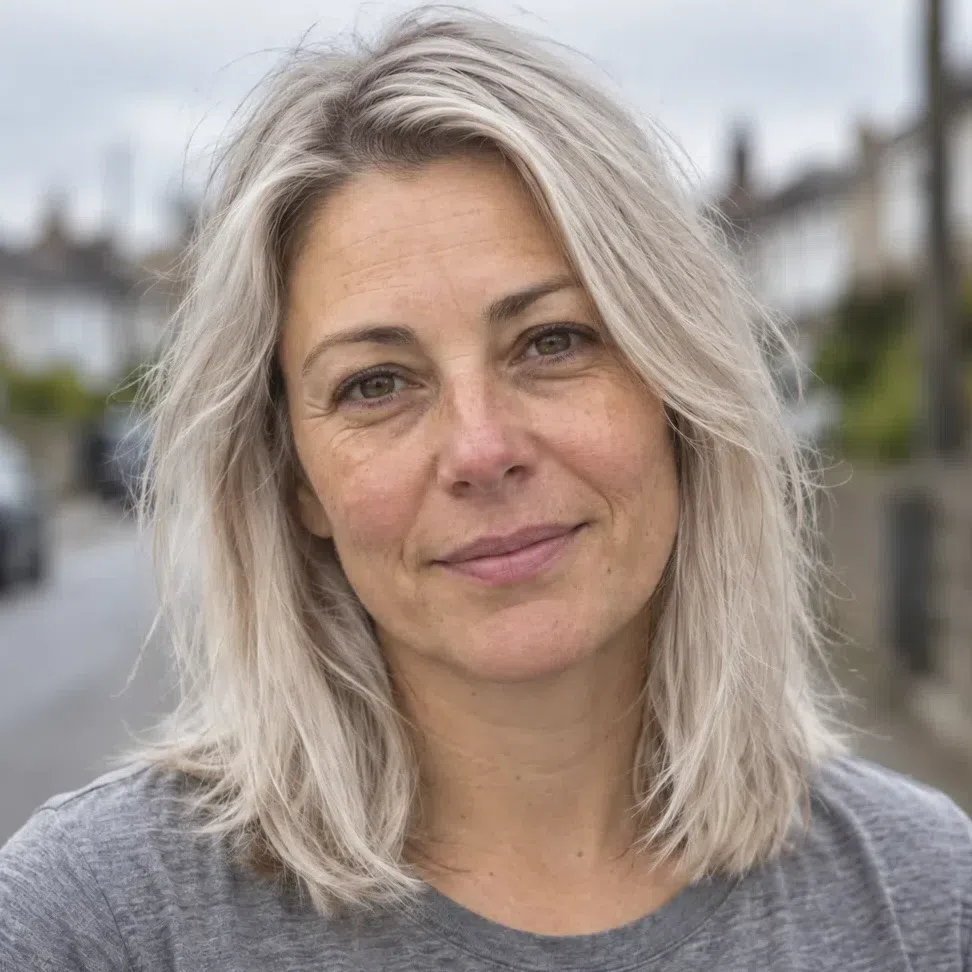 Platinum blonde
hard
-
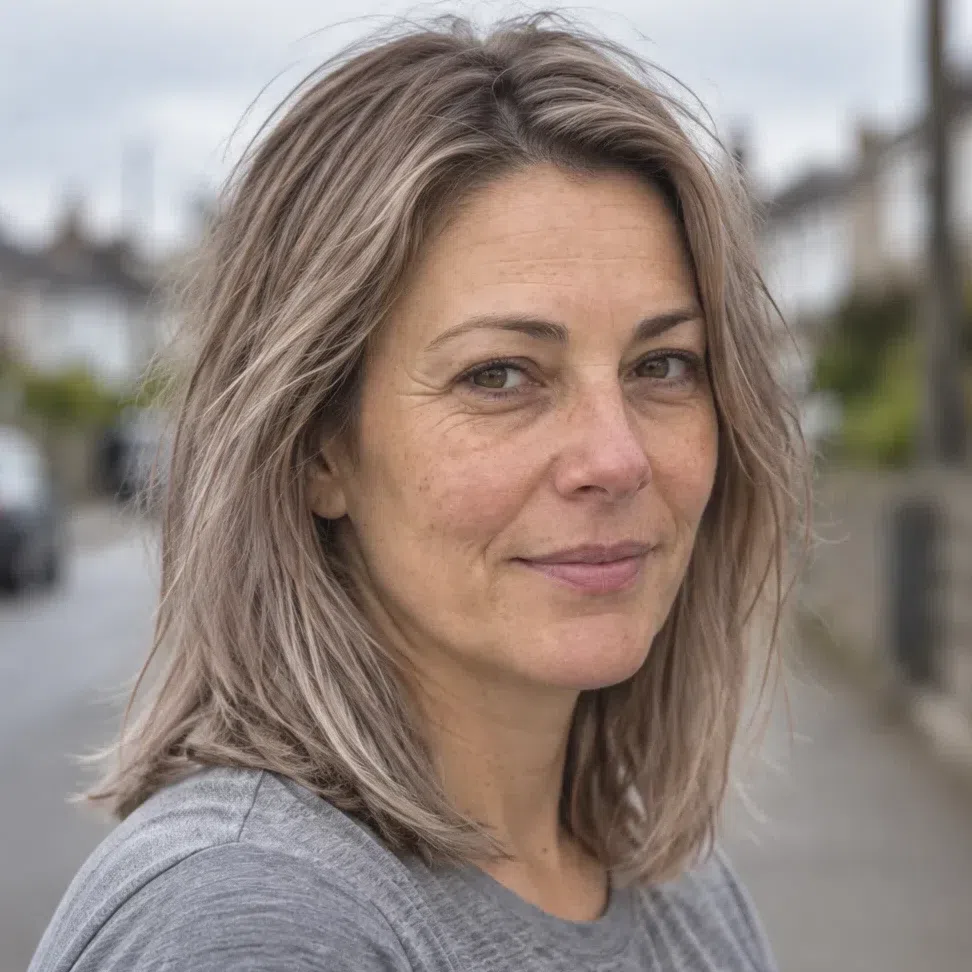 Ash blonde
warm
-
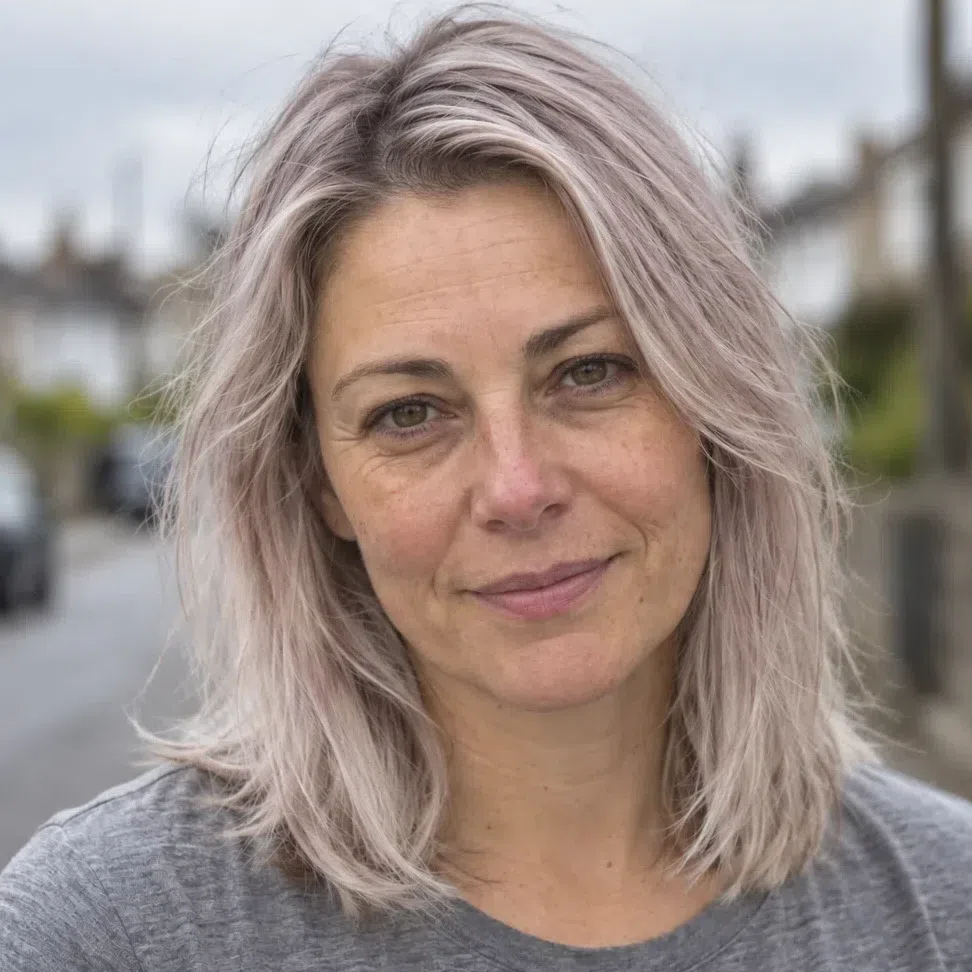 Pearl blonde
warm
-
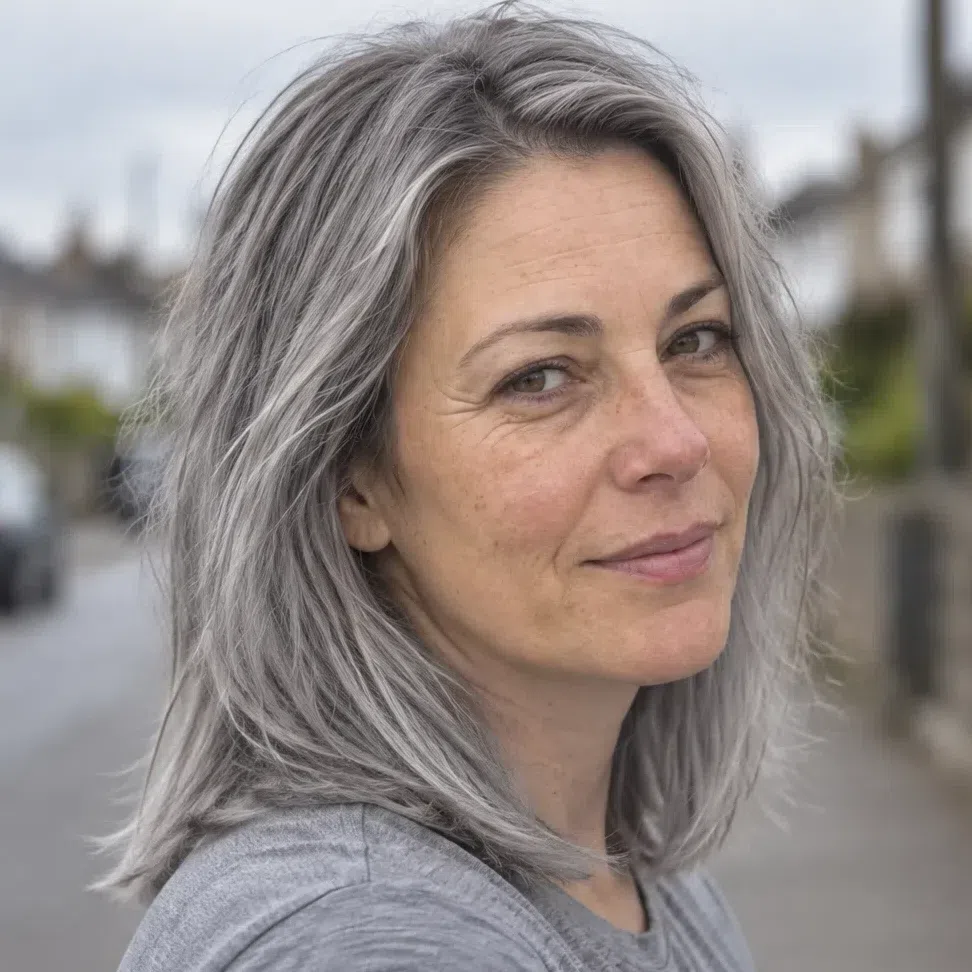 Silver
warm
Pale shades with the gold taken out of them. On a golden face they are the most common mistake, because they are the most common request: clean, bright, not brassy.
Cool and dark
-
 Blue-black
hard
-
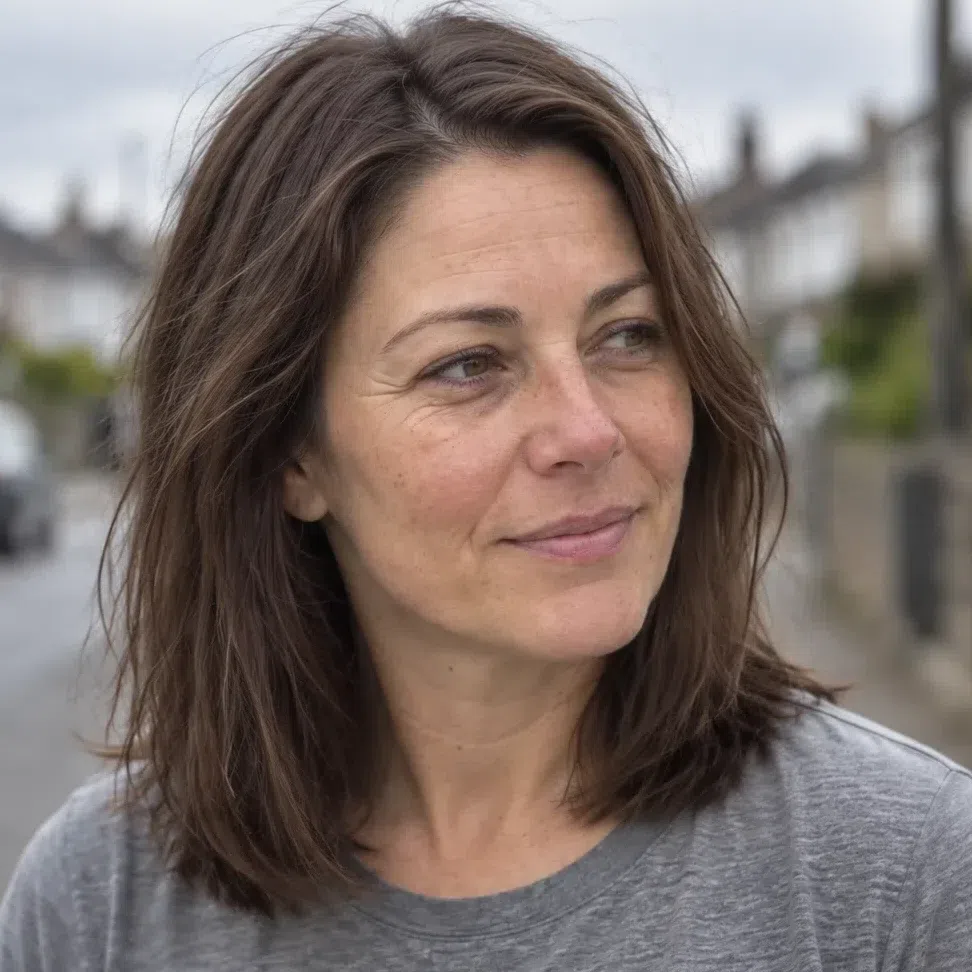 Cool dark chestnut
warm
-
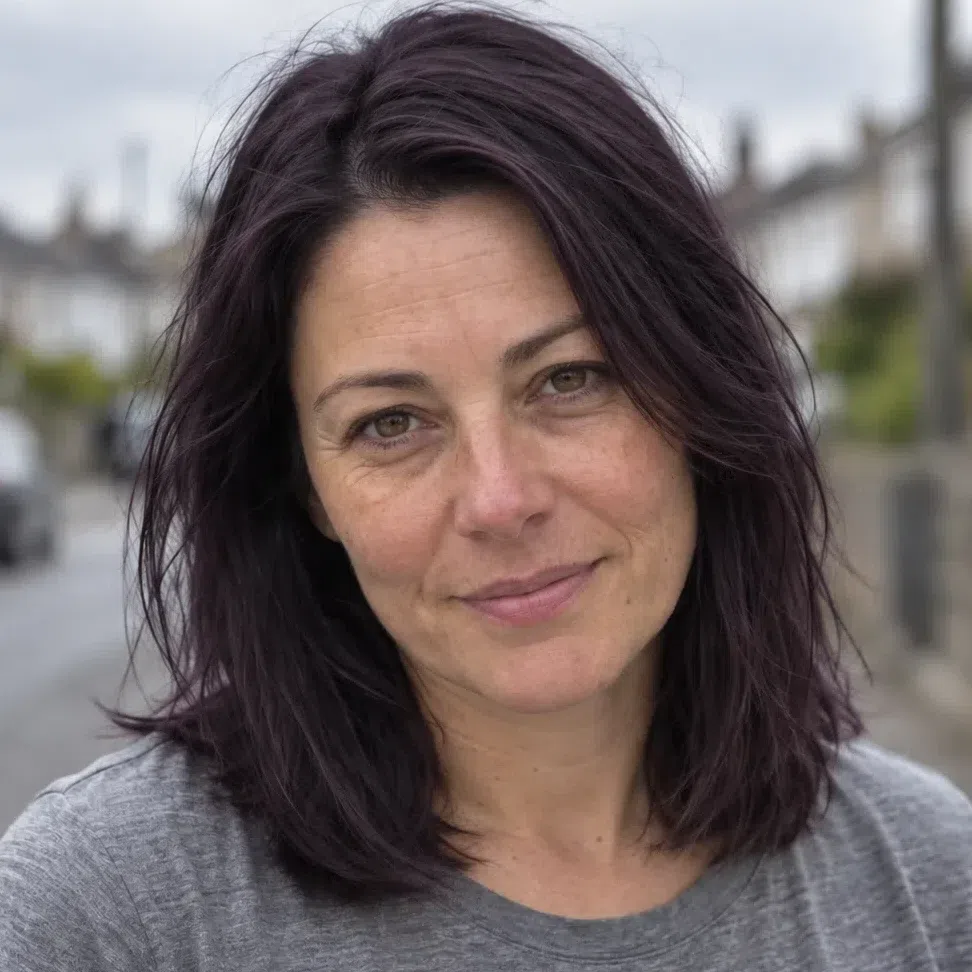 Plum black
warm
-
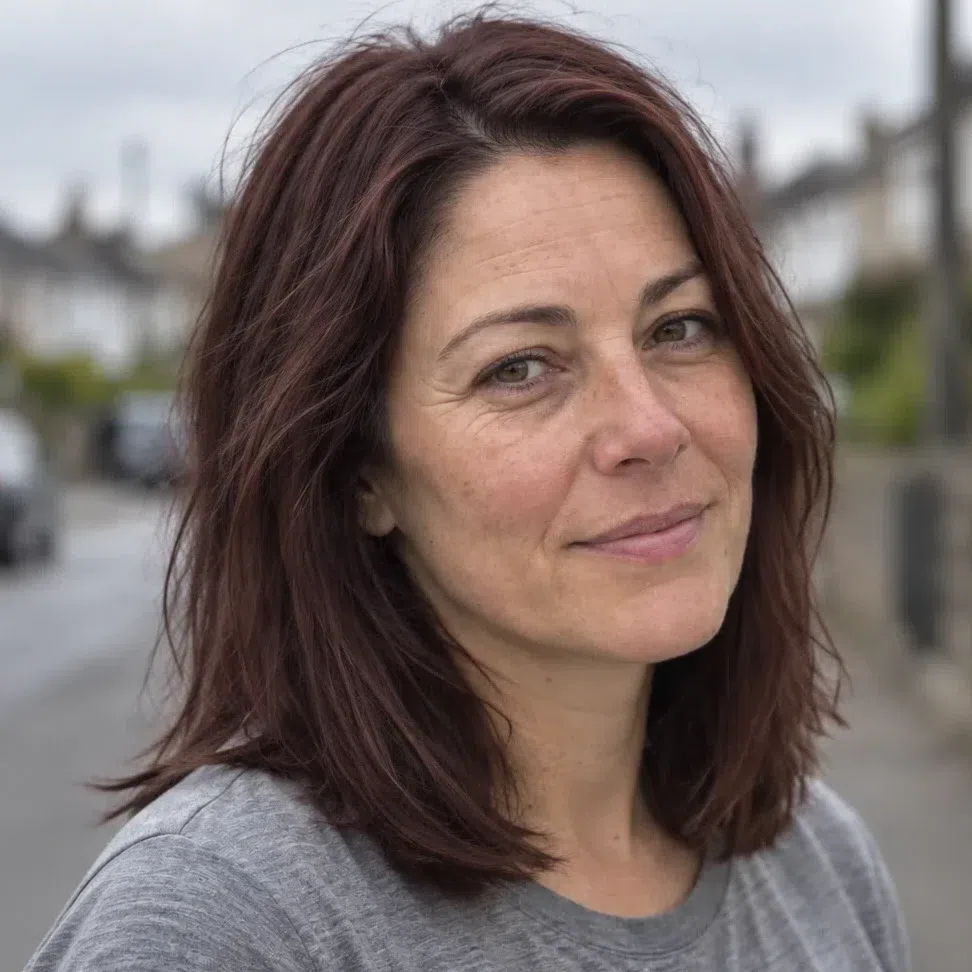 Mahogany
warm
The deep end, with blue or violet in it. Deep hair can suit a Warm Spring - these fail because of the direction they lean, not their depth, which is why a golden chestnut at a similar level works and these do not.
Warm, and still wrong
-
 Pale butter blonde
hard
-
 Golden chestnut, taken to level 3
hard
-
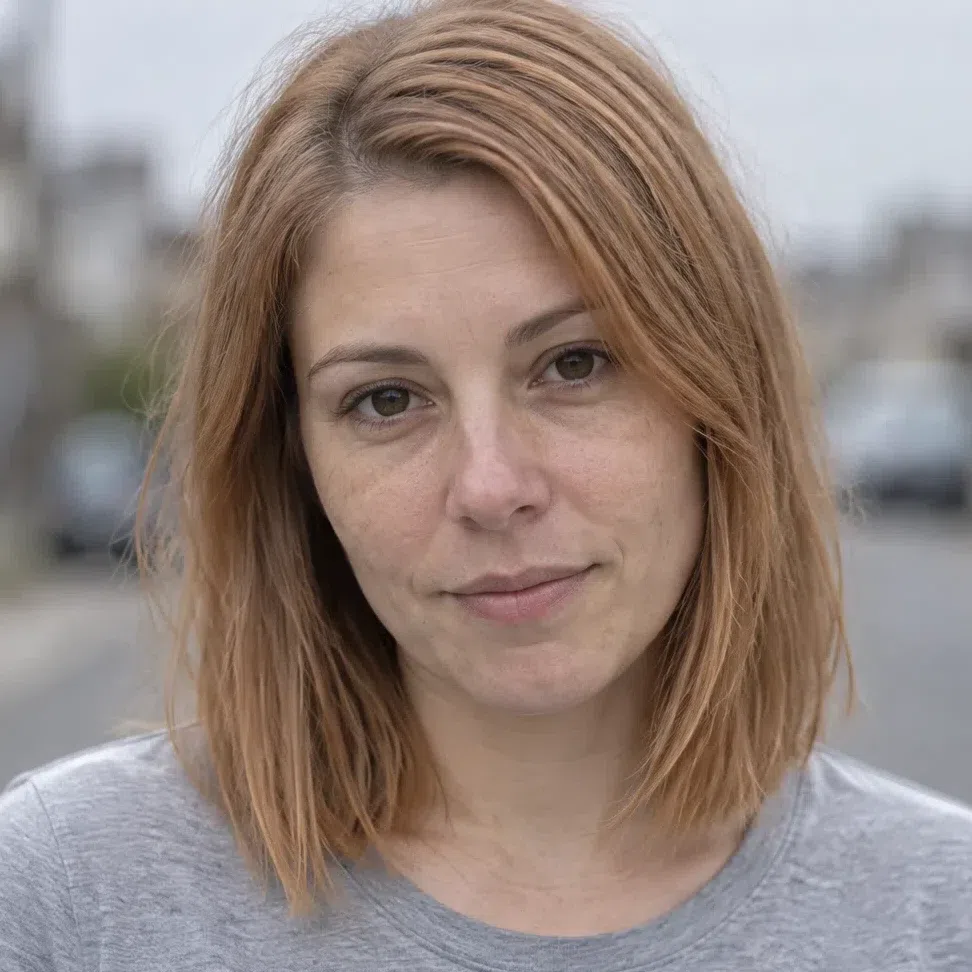 Faded ginger-beige
clean
-
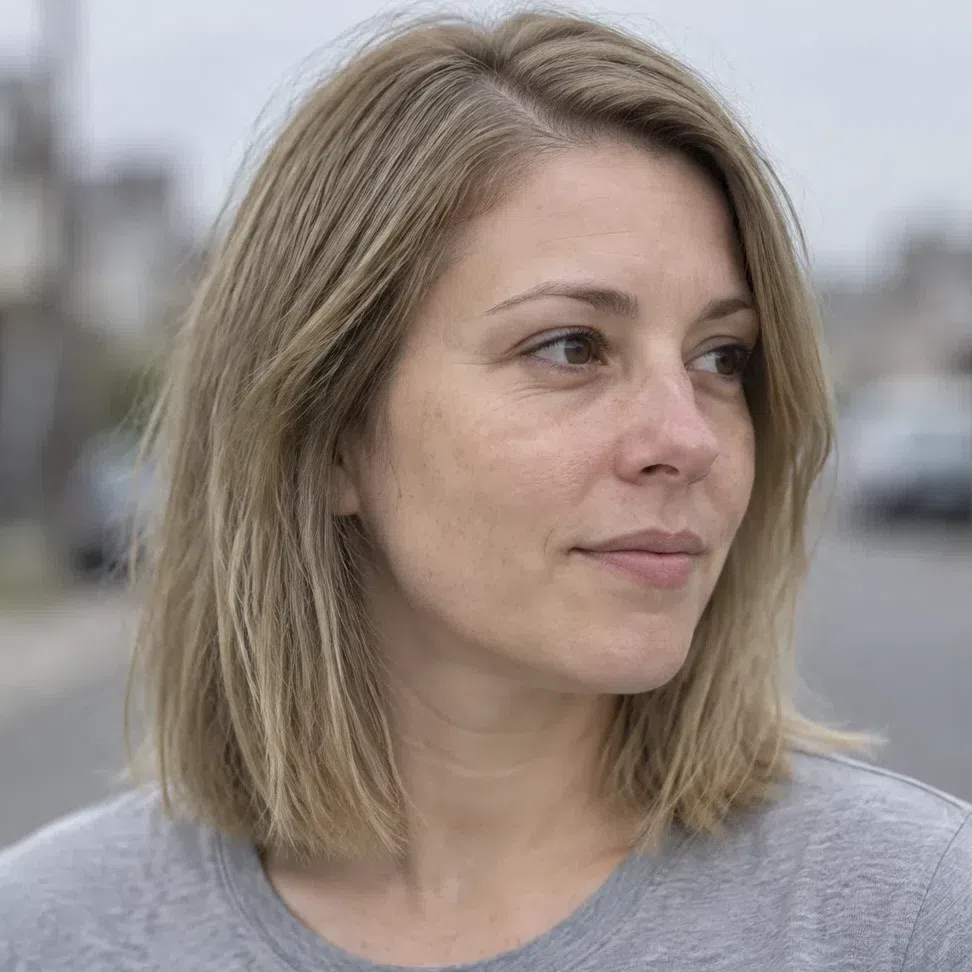 Khaki gold
clean
The trap for a reader who has understood the rest of this page. Every one of these is warm. Each fails on something else: too light, too deep, or warm gone muddy.
What the tags mean
- warmToo cool
- Ash, pearl, silver, blue-black or a red with blue in it. The tag is shared with the makeup page, and on a warm season it flips: here it marks the shades with no warmth to answer yours.
- cleanToo muddy
- Warm, but dulled - gone gray, green or flat. Warm Spring is a clear coloring, so on this page the tag flips from the muted seasons’ meaning: what fails is a warmth that has lost its clarity.
- hardToo far
- Too far from your own level, in either direction. The same meaning on every season: contrast is distance, not temperature.
Two of the twelve are worth a second look. Golden chestnut, taken to level 3 is a shade from your own palette - it is fine at level 5, and three levels deeper it becomes a dark frame around a face that is lit from within. And the faded ginger-beige is where the copper in the upkeep row ends up at week ten: nobody chooses it, which is exactly why it is here. The swatches for the last four are this page’s own, derived from your palette’s ramps rather than published on it; khaki gold is a gold ramp step turned toward green, the color a gold toner makes over an ash base. Everything that does work is in one block next.
Your shades, and the numbers to say
The whole page as two lists you can show at the chair. Each shade carries its level and each tone its digit, because those numbers are what the colorist will actually mix from.
The shades, with the level to ask for
- Golden blonde L8 #D9B978
- Honey blonde L7 #E0AA6D
- Caramel L6 #C9A06B
- Strawberry copper L8 #D99479
- Copper L6 #BE6E46
- Golden chestnut L5 #975E3A
- Hazelnut L5 #8E6D52
- Honey balayage L5 #A96839
The numbers
- Gold 6.3 #C9A06B
- Copper 6.4 #BE6E46
- Natural 6.0 #AF9D85
- Ash 6.1 #A69D8E
- Pearl 6.2 #A59B8F
Ask for 6.3 or 6.4 - gold or copper, both yours at every level of the band. Recognize the other three when they are offered: 6.0 changes from brand to brand, and 6.1 and 6.2 are the two digits with no place on this coloring. The number before the dot follows your own hair; the digit after it stays. A 6.3 and an 8.3 are one tone at two depths.
Or say it in one go: “I am about a level 5 naturally. I would like to go to a level 6 gold - a 6.3 - kept multi-tonal, with fine honey or copper babylights rather than one flat block. And if it needs toning at the end, a warm gloss, not a violet toner.”
The full Warm Spring palette →
Questions people ask
What hair color looks best on a Warm Spring?
What hair color looks best on warm undertones?
What hair colors should a Warm Spring avoid?
Can a Warm Spring be blonde?
Can a Warm Spring have red hair?
What color hair makes an older woman look younger?
Should a Warm Spring cover gray hair?
What should I ask for at the hair salon?
Why does my hair color keep going brassy?
Which box dye is best for a Warm Spring?
Where this came from
The sources behind the factual claims on this page - salon numbering, the two pigments in hair, what lightener does to them, why one color cancels another, and what happens in a follicle when hair goes gray.
-
International Colour Charts for Hairdressing (opens in a new tab)
Hair & Makeup Artist Handbook, 2023
The level and tone numbering in the salon section - a trade convention, so a trade source. It is also why this page keeps telling you to say the word next to the digit: the same code is mixed differently from one brand range to the next, and .2 in particular means different things in different systems.
-
Diversity of human hair pigmentation as studied by chemical analysis of eumelanin and pheomelanin (opens in a new tab)
Ito & Wakamatsu, Journal of the European Academy of Dermatology and Venereology, 2011
Behind the claim in keeping it that a faded copper lands on a warm ginger-beige rather than on something cool. Hair color comes from the quantity and ratio of two pigments, the black-brown eumelanin and the reddish-brown pheomelanin, and the study finds pheomelanin at a trace but constant level in every hair color it measured - and at roughly equal levels to eumelanin in natural red hair.
-
Mechanistic insights into the bleaching of melanin by alkaline hydrogen peroxide (opens in a new tab)
Smith, Garrett, Naqvi et al., Free Radical Biology and Medicine, 2017
What lightener actually does, behind the blonde section’s point that going past level 9 means lifting nearly all pigment out: alkaline hydrogen peroxide degrades melanin rather than recoloring it. Lightening is removal, which is why the warmth it leaves exposed is the hair’s own, and why removing that too is what turns a golden blonde into platinum.
-
The Art of Color: the subjective experience and objective rationale of color (opens in a new tab)
Itten, Reinhold (Internet Archive), 1961
Behind the rule that neutralizing works on color-wheel opposites - violet against yellow, blue against orange. It is why a violet toner or a blue "anti-orange" shampoo flattens copper and gold: on this coloring the thing it cancels is the color you chose.
-
Dedifferentiation maintains melanocyte stem cells in a dynamic niche (opens in a new tab)
Sun, Lee, Hu et al., Nature, 2023
Behind the gray section. Hair loses color because melanocyte stem cells stop supplying new pigment - the study shows them moving between compartments of the follicle and, with age, getting stranded where they no longer produce any. It is why covering gray is a subscription: each new hair still grows in without pigment.
-
Color Me Beautiful (opens in a new tab)
Jackson, Ballantine (Internet Archive), 1980
Background on the four-season system this site rests on. Color Me Beautiful (1980) put seasonal color analysis in front of a general readership; the twelve-season split that separates a Warm Spring from a Light or Bright one came later, but the warm-and-clear description of Spring starts here.
One honest distinction. The numbering, the pigment chemistry, the color theory and the biology above are sourced. Which shades suit a Warm Spring, where the blonde ceiling sits, why red works here when it leans orange and fails when it leans blue, and how silver behaves on lighter and deeper Warm Spring complexions are our own analysis, drawn from the palette on the parent page rather than from any of these references. The measurements in the red section are ours too: the hue, lightness and chroma figures are read off this site’s own published swatches, not taken from a study. So is the claim in keeping it that red is the first tone to wash out of a dye - it is what colorists report, and we have not found a study that measures it. We would rather say so than dress an opinion up as a citation.