What is color analysis?
Color analysis matches the colors you wear to the coloring you already have - the pigment in your skin and hair, and the color of your eyes. Together those set your warmth, your depth and your contrast. That combination barely shifts with age, which is why you only need to work it out once.
Why some colors lift your face and others drain it
Clothing works like a reflector. Fabric near your face bounces its own color straight back onto your skin. A shade from your palette evens your skin tone out: it looks clearer, your eyes read brighter, the shadows under them soften. The wrong shade does the opposite - it pulls out redness and grey, and adds years.
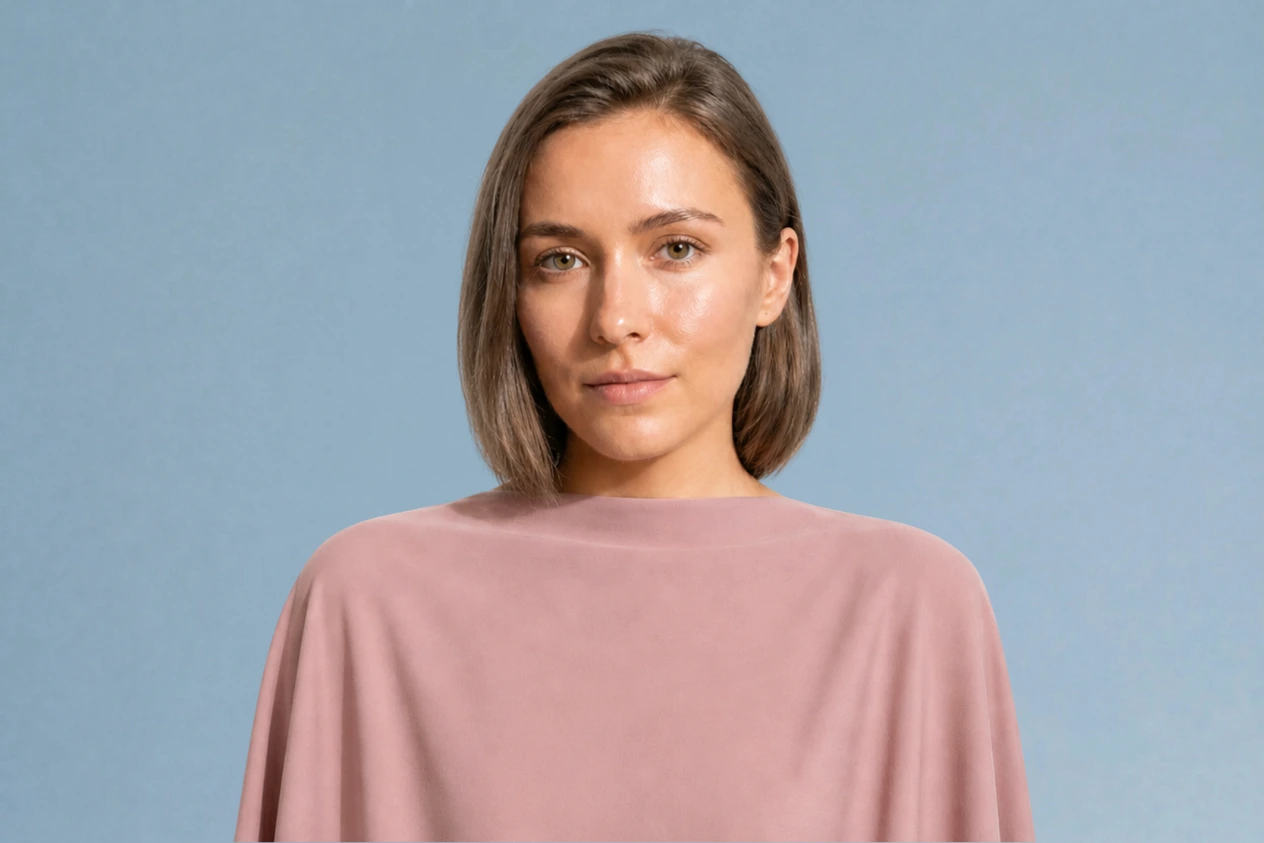
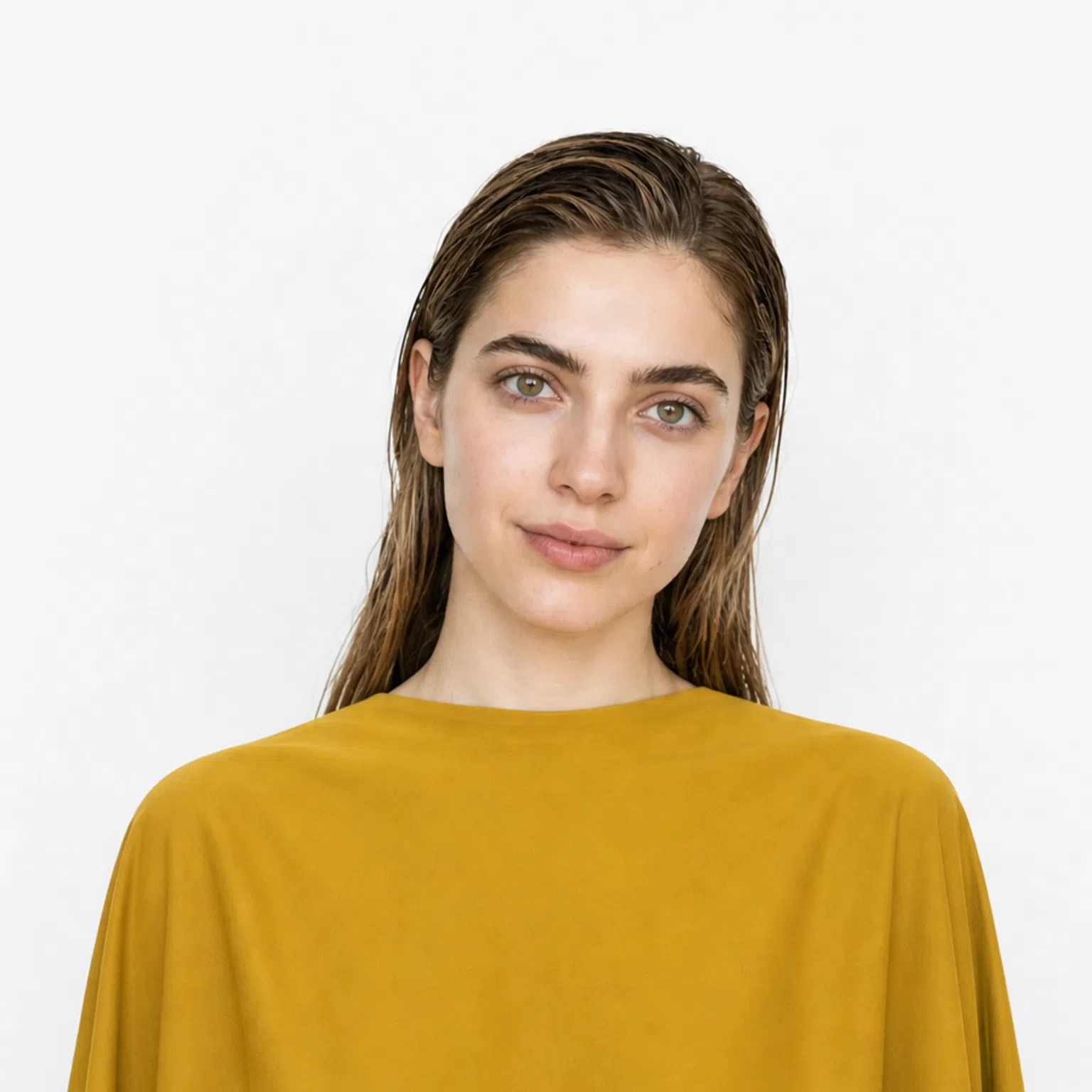
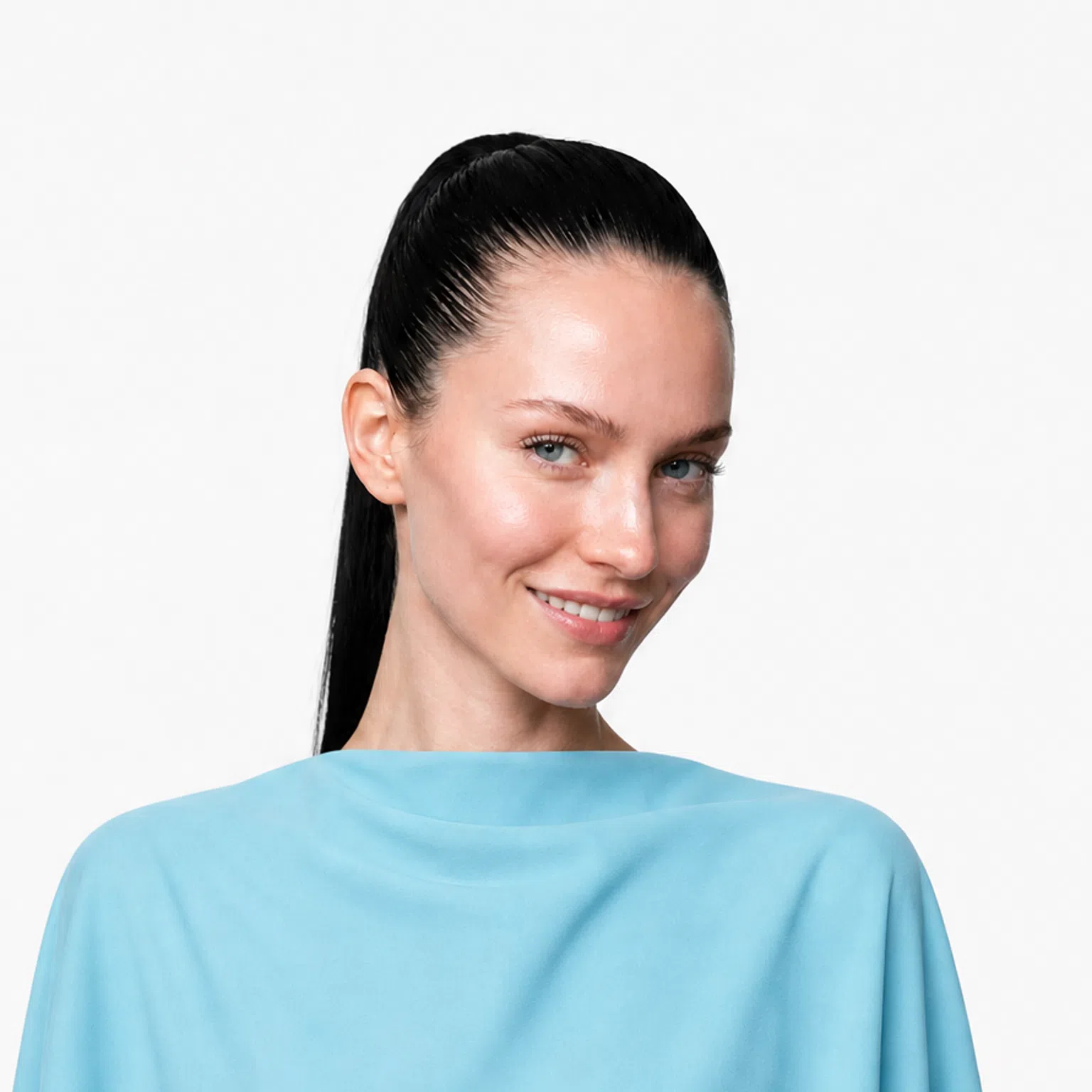
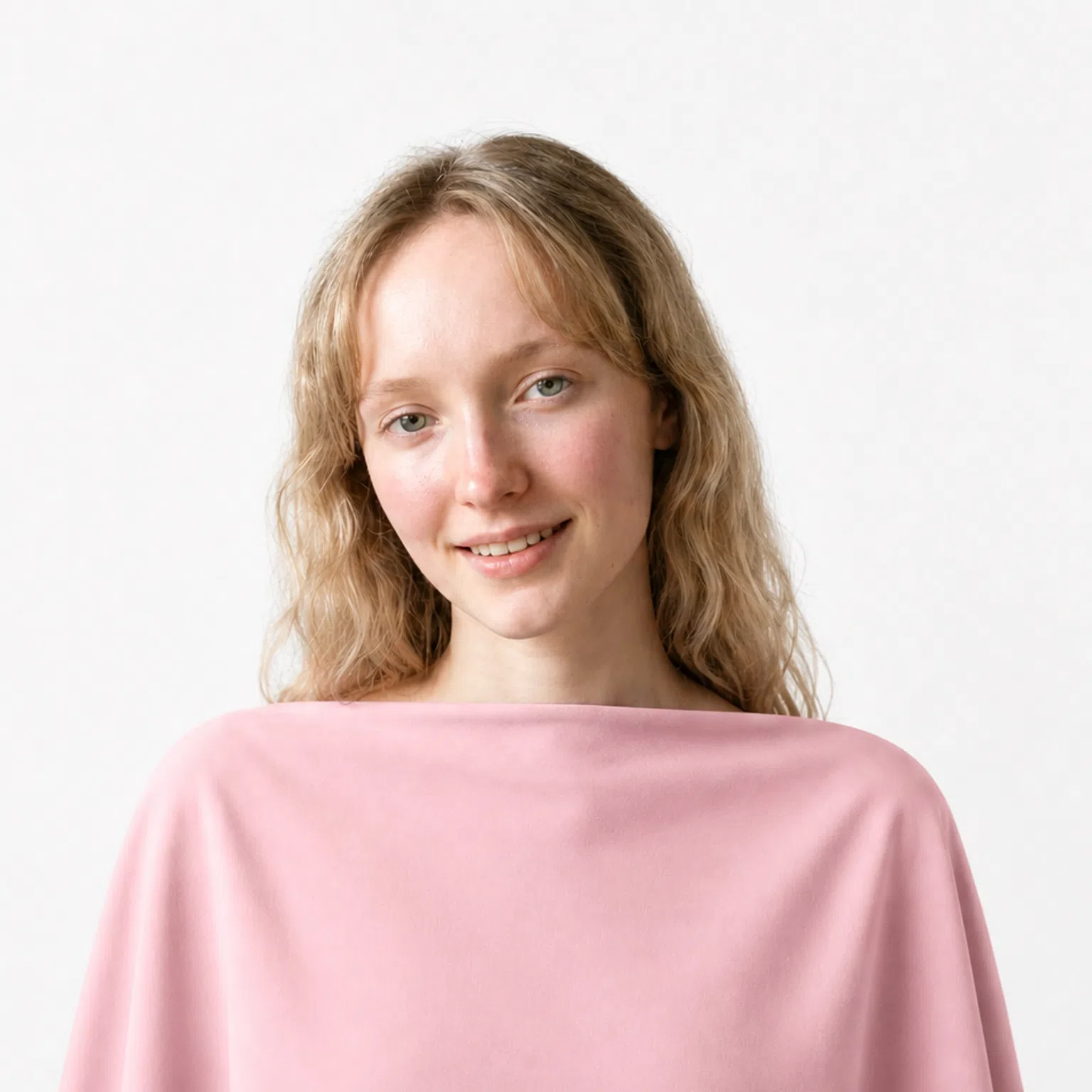
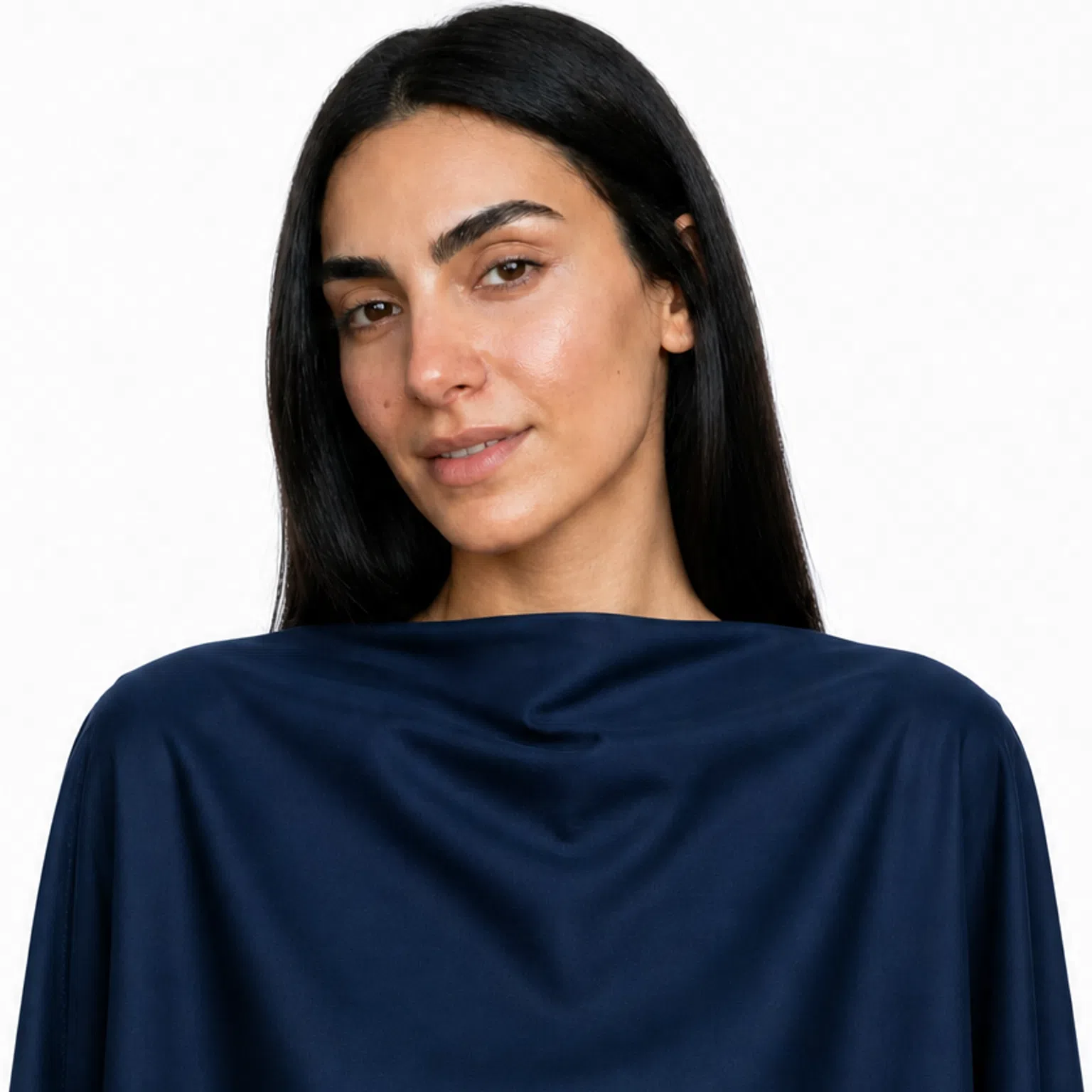
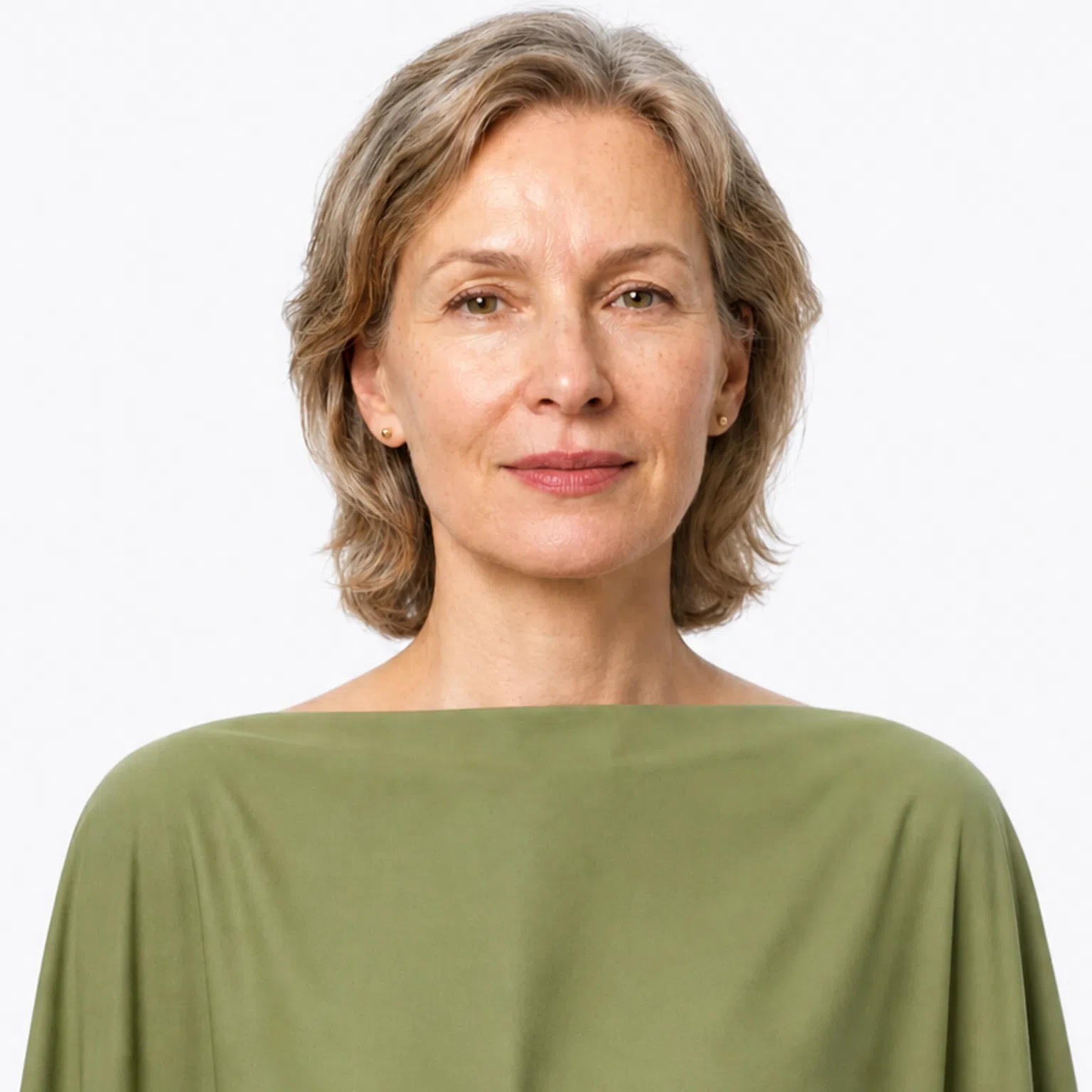
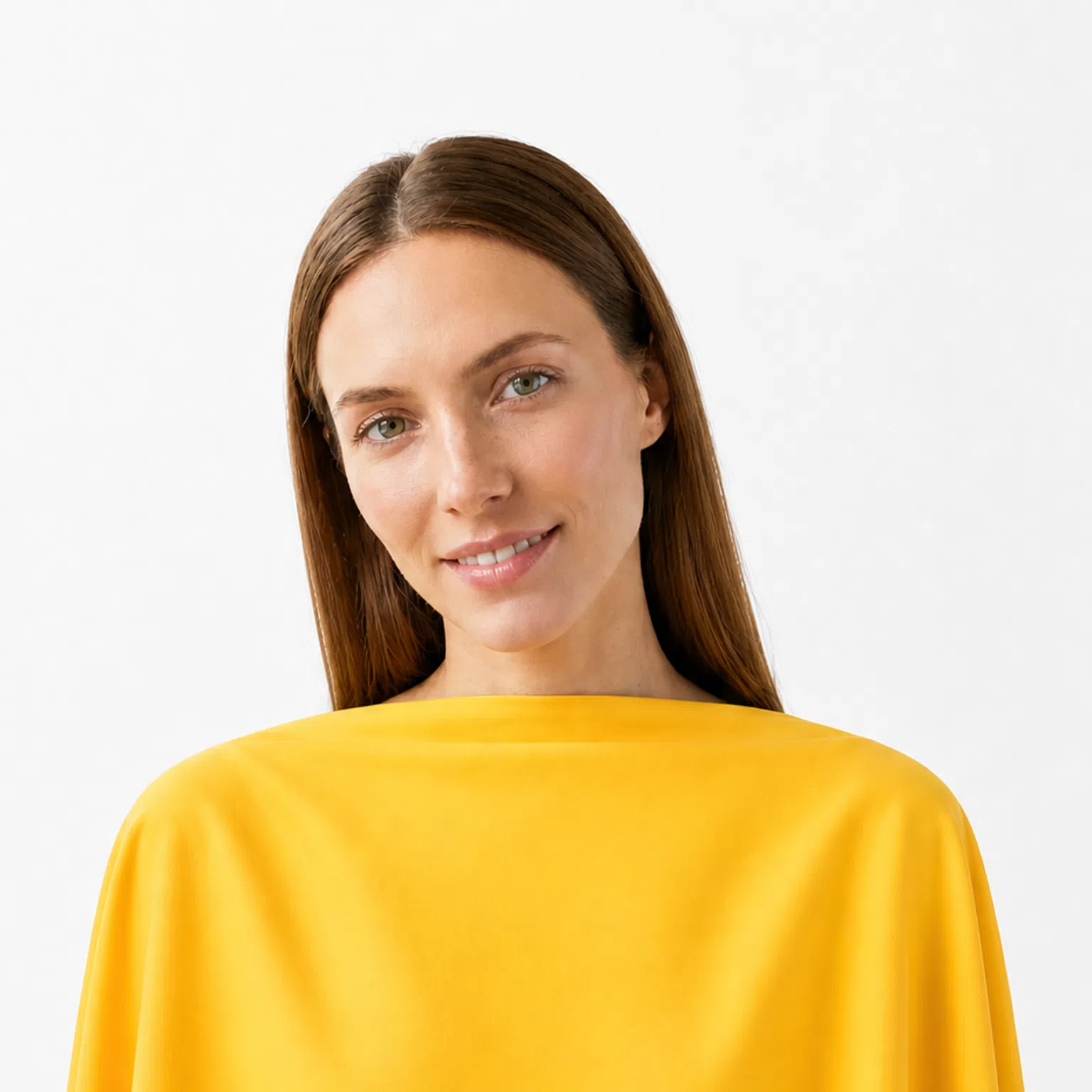
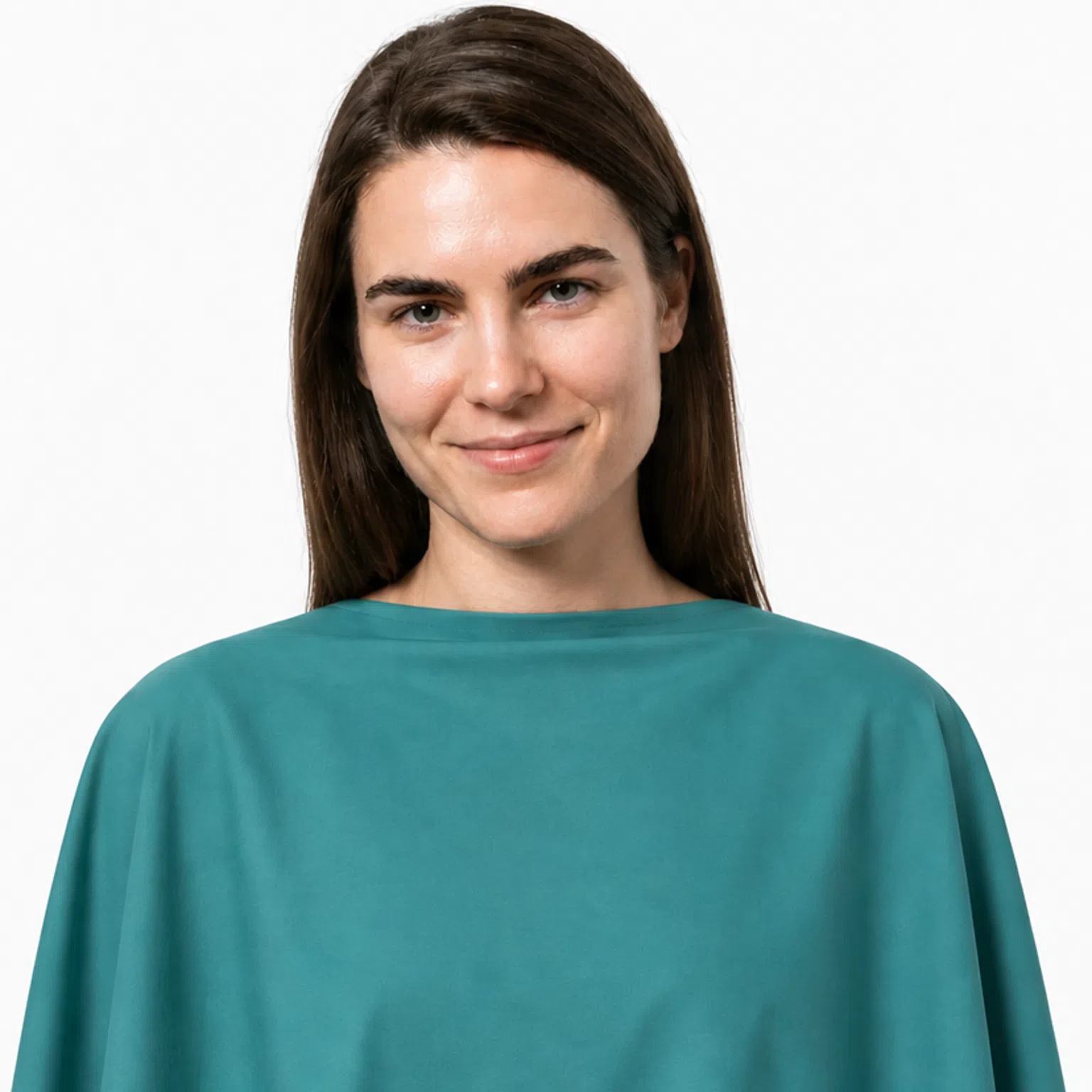
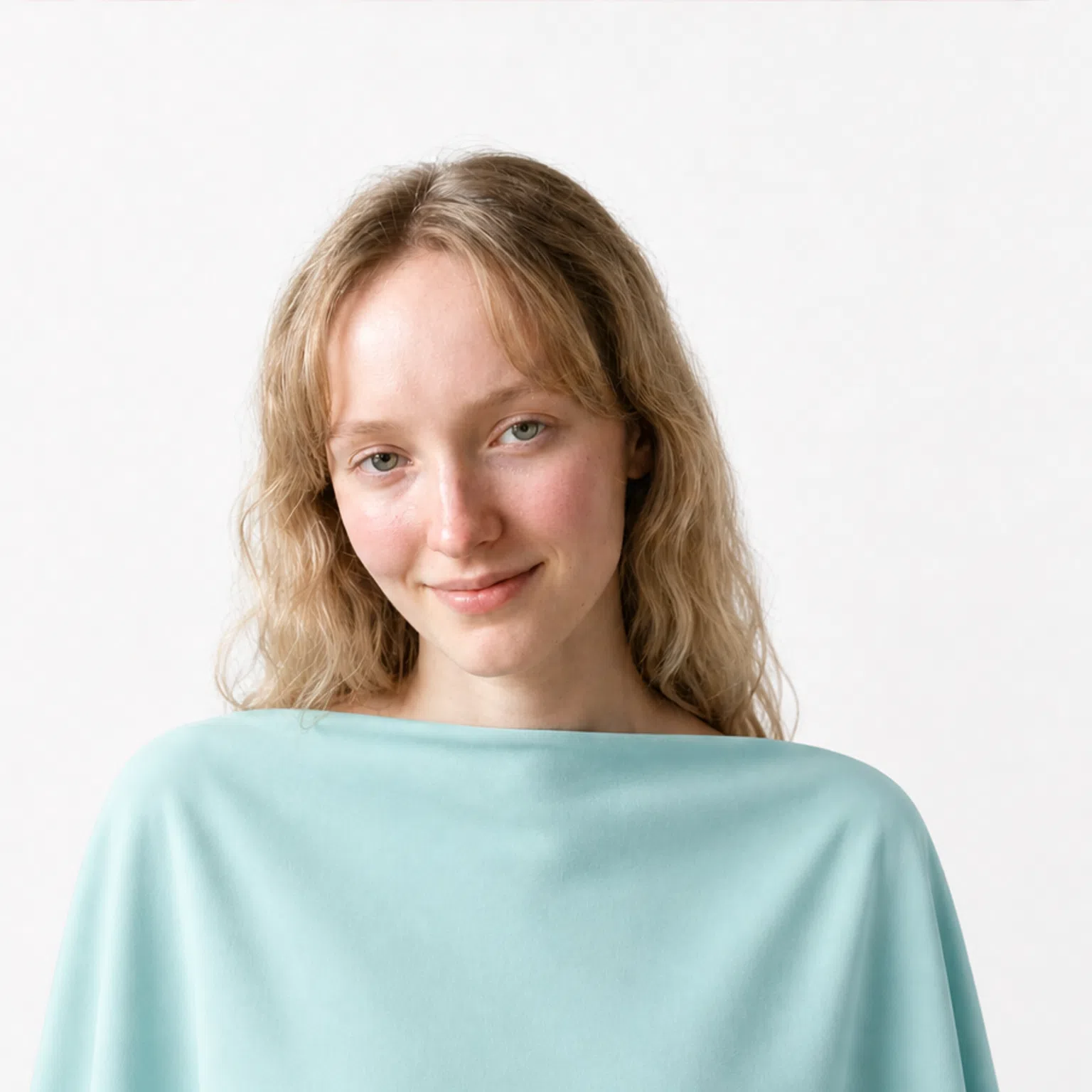
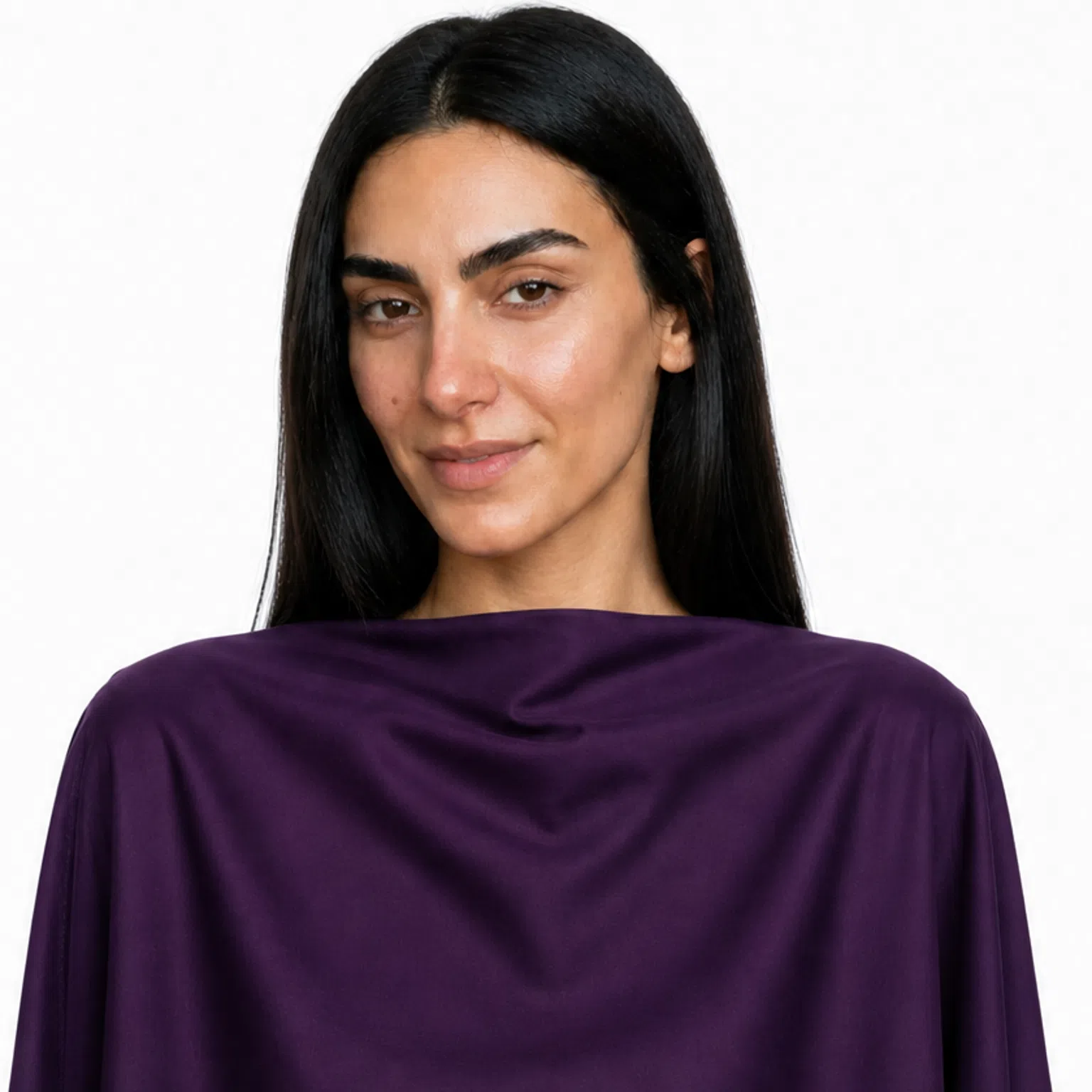
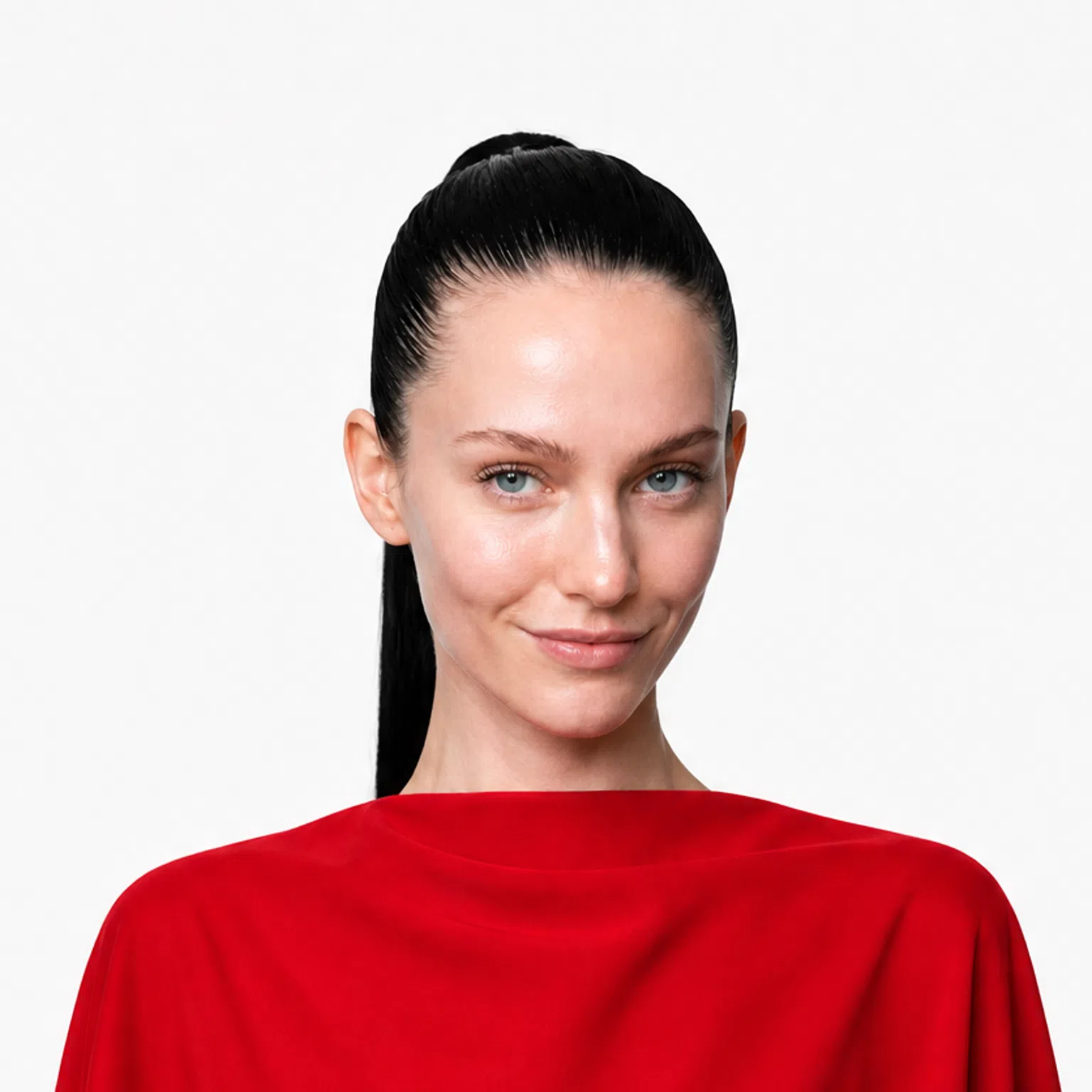
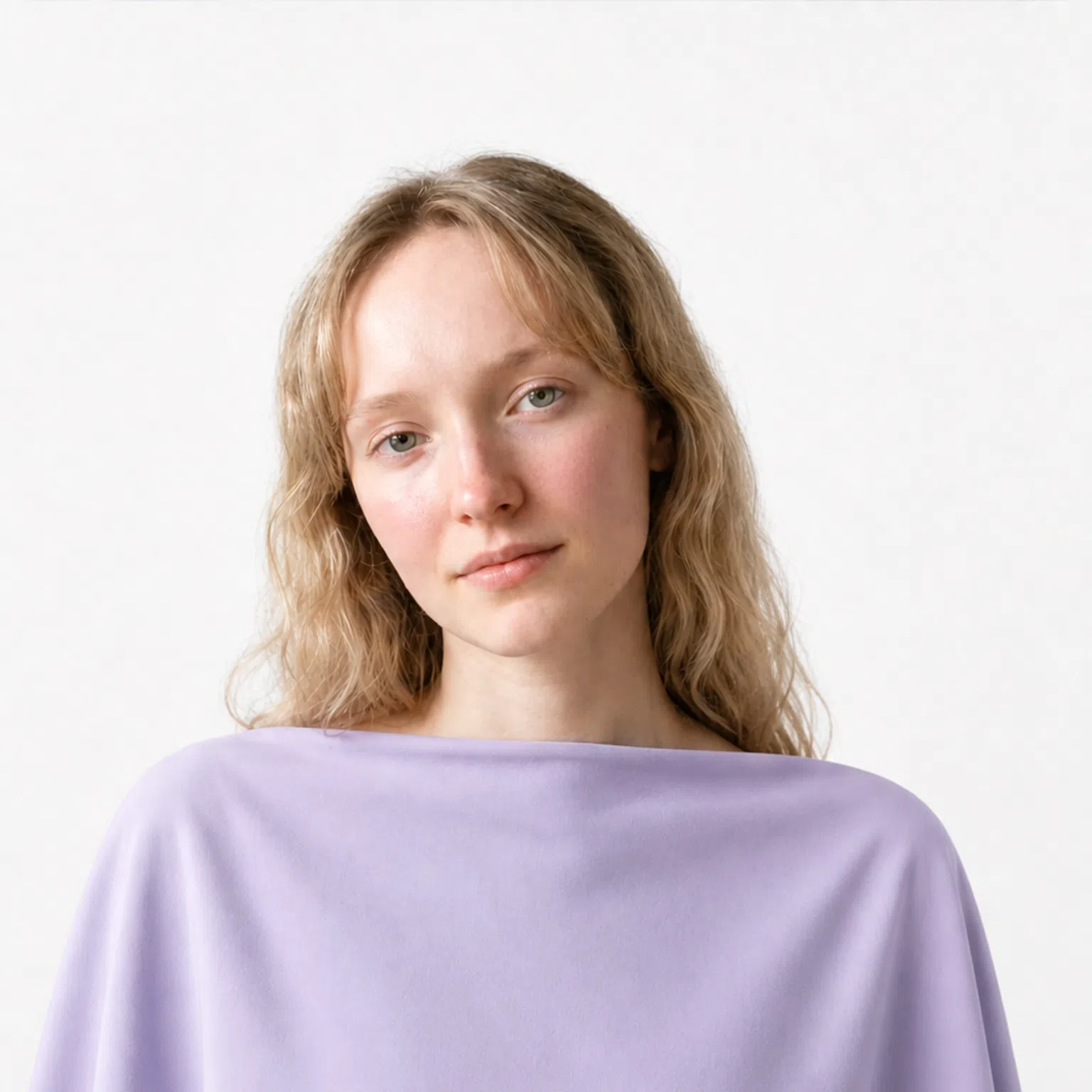
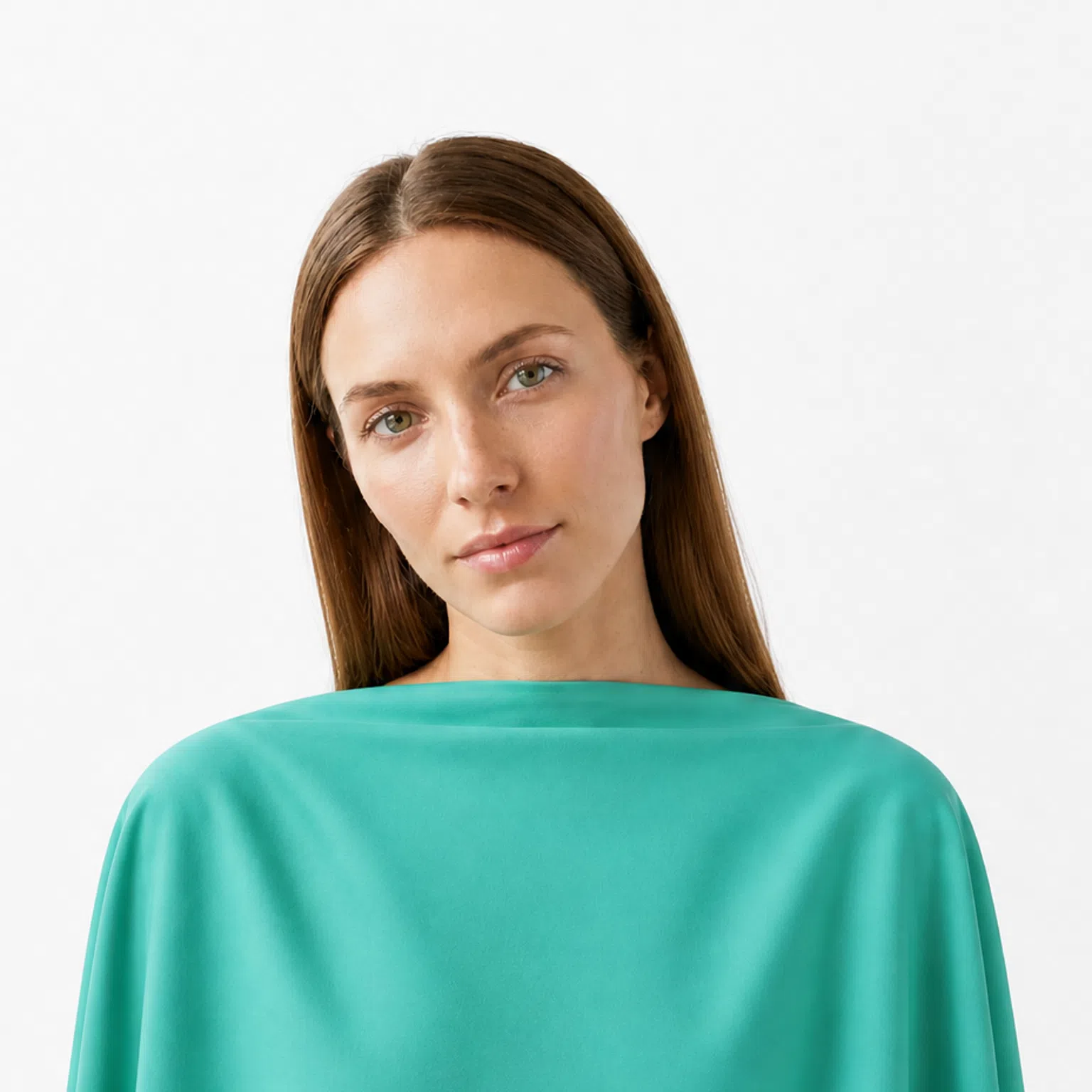
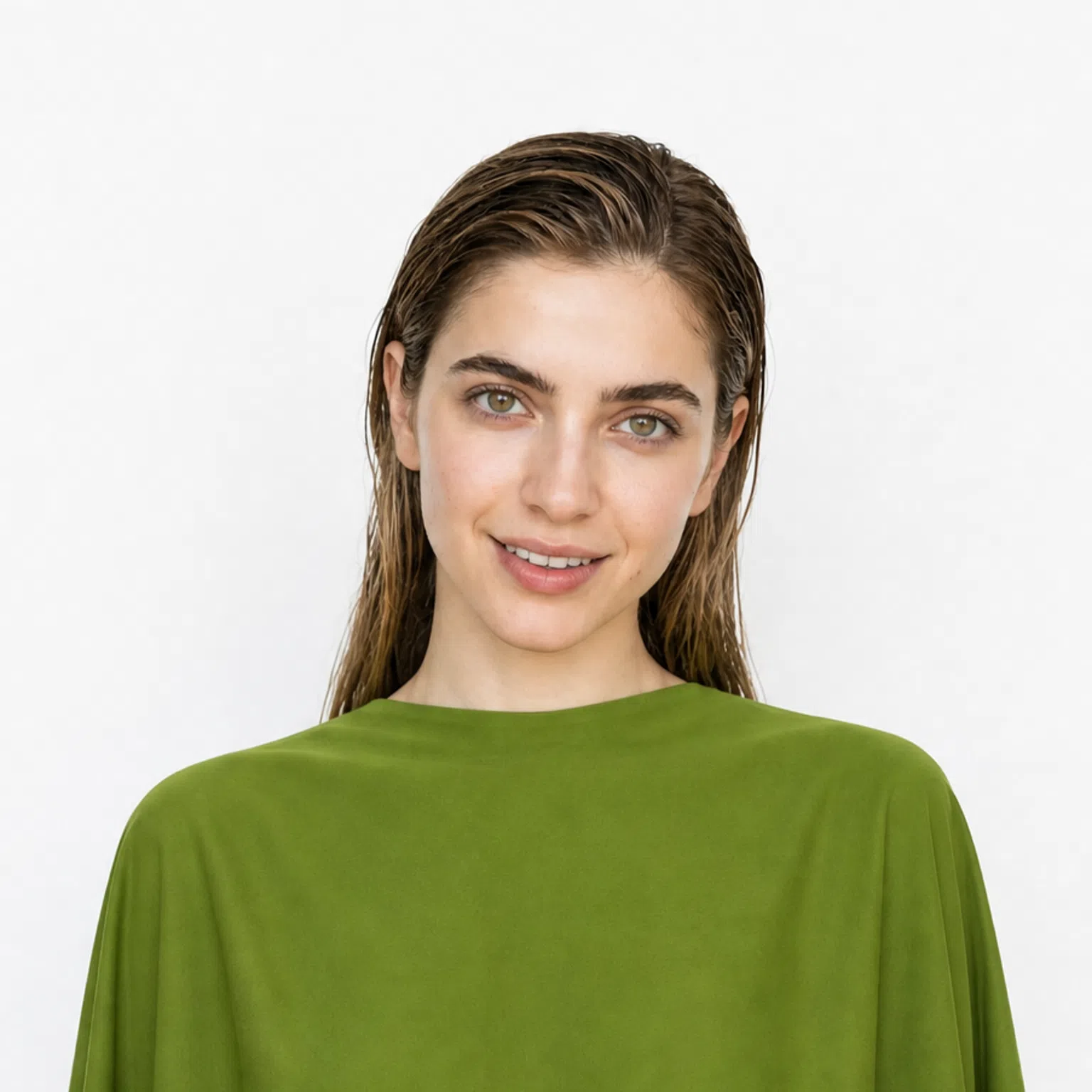
This is the drape test a colorist runs in person: fabrics of different colors held up to your face, watching how the skin reacts. Try it yourself - each of the four women is a real example of her season. Pick a season and watch her face, not the fabric.
The same drape test, run on your own photos - in minutes, without booking a consultant.
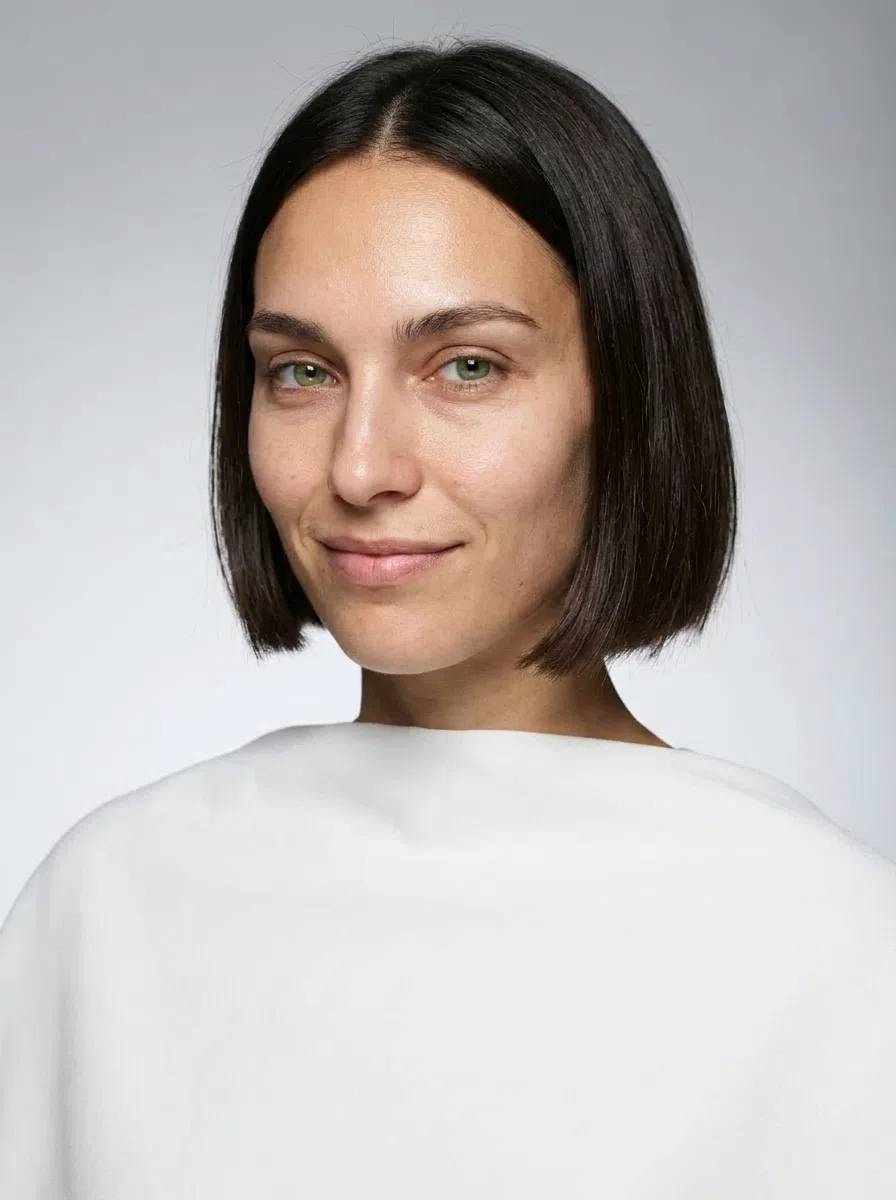
Pick a season and watch what it does to her. Her own lifts her; the wrong one washes her out.
Three properties describe any color - and any face
Color theory splits every color across three scales. Your own coloring sits on the same three: your skin, hair and eyes each have a warmth, a depth and a softness. Your season is where you land on those scales, and your palette is the set of colors that land in the same place.
Warm shades are mixed with yellow, cool ones with blue
From nearly white to nearly black - how dark the shade runs

Clean and vivid, or softened as though a drop of grey went in
Where it comes from: the painter Johannes Itten noticed his students were drawn to the palettes their own coloring was built from. Carole Jackson took the idea mainstream with Color Me Beautiful in the 1980s, and four seasons became the popular shorthand. Four turned out to be too coarse a grid, so stylists moved to a twelve-type system - each season split into three subtypes according to which of the three properties above leads.
Try any color on a real face and see what it does
Two people, each with a season of their own. Tap a color from their palette and the clothing changes - or reach past the palette and try any color at all, and it will tell you how far off it is and which of their shades comes closest. This is the same scoring the full report runs; here it is on someone else's face, and free.
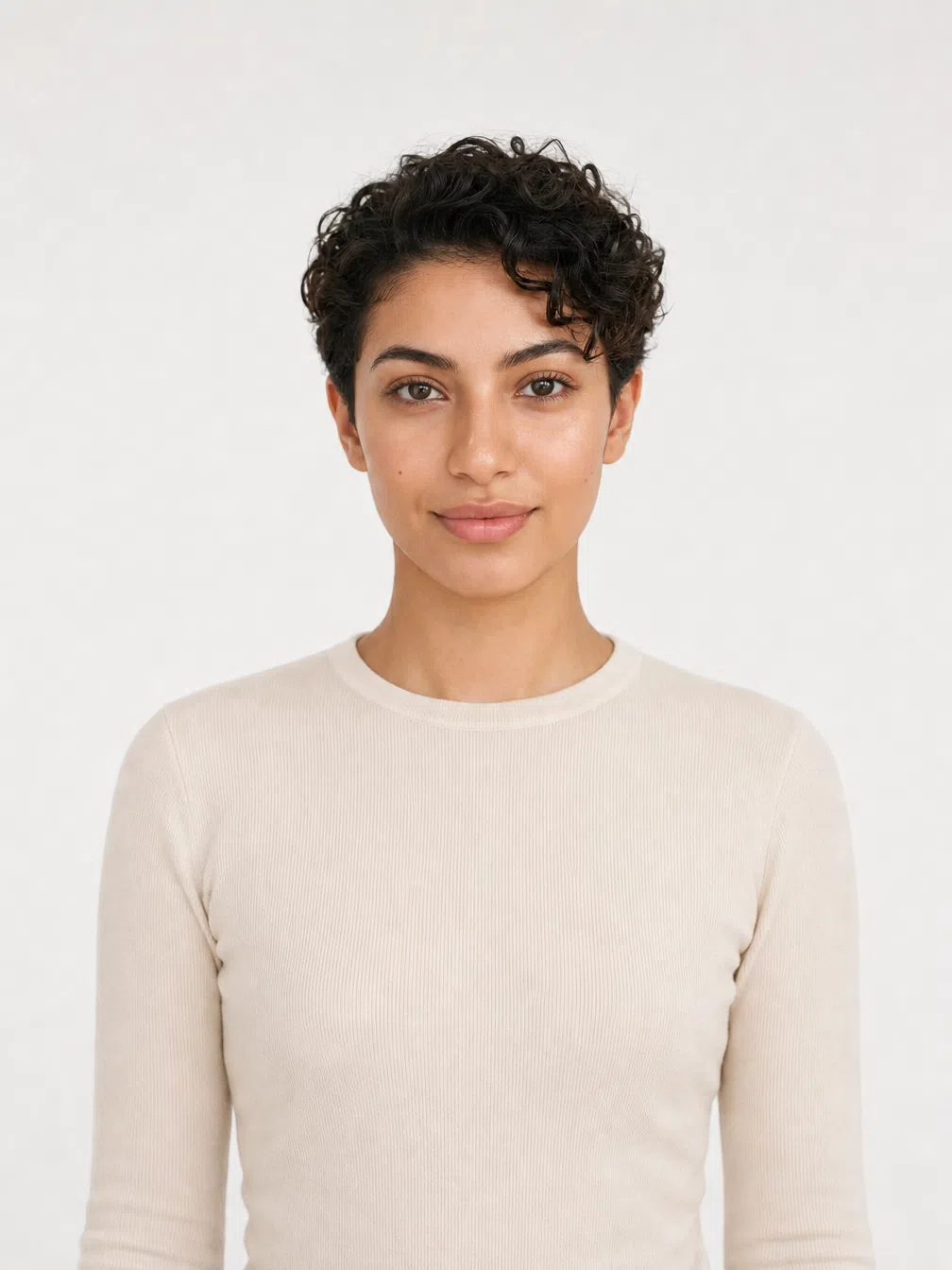
Colors that suit her
Tap any circleor use to try a color of your own

Colors that suit his
Tap any circleor use to try a color of your own
Warm, cool, soft or bright: the 4 axes behind every season
The three properties above describe a color. Add contrast - the gap between your own hair, skin and eyes - and you have the four axes that place you. Each one describes two things at once: your coloring, and your palette, because the colors that suit you repeat the characteristics you already have. A subtype's name is simply its leading axis: for Warm Autumn the warmth leads, for Soft Summer the softness does.
Temperature: warm and cool coloring
Temperature is the undertone of your skin, hair and eyes - golden (warm) or pink-blue (cool). Clothing repeats it: warm coloring takes warm shades, cool takes cool. Getting temperature wrong is the most visible mistake of the four - the wrong undertone ages a face instantly.
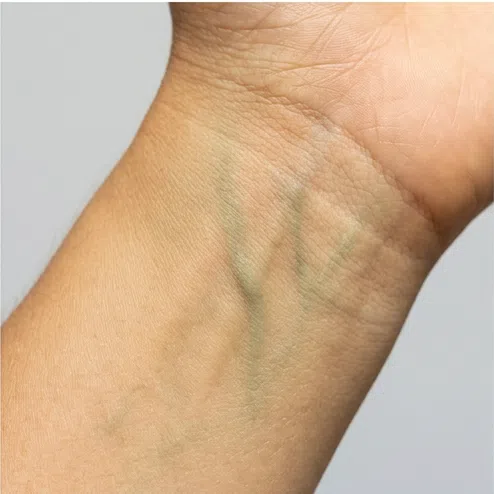
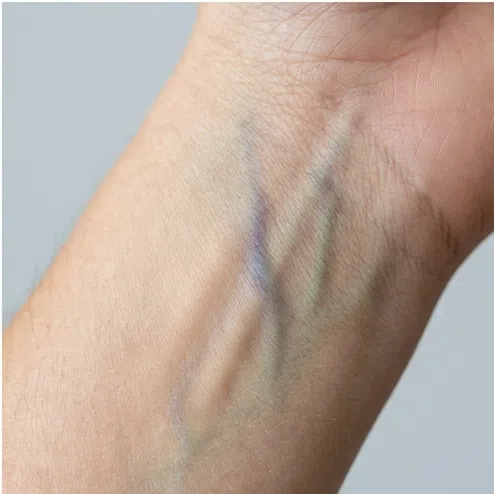
Golden undertone, greenish veins, gold lifts you more than silver, hair with a warm cast. The warm end of the palette:
Warm Spring Warm AutumnThe undertone is not obvious - gold and silver both look fine. Temperature is not your leading axis. Shades that sit on the seam:
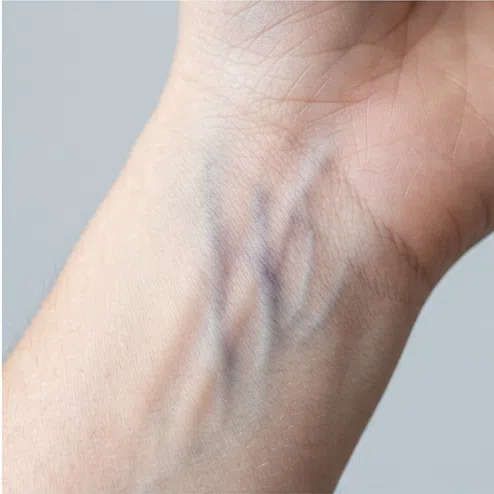
Soft Summer Soft AutumnPink-blue undertone, bluish veins, silver lifts you, ash-toned hair with no red in it. The cool end:
Cool Summer Cool WinterDepth: light and deep coloring
Depth is how dark your coloring runs overall - hair, skin and eyes taken together, ignoring their color. Light coloring is washed out by very dark shades; deep coloring swallows pale ones. This is the axis people judge most accurately about themselves.
Fair hair, light eyes, skin without strong depth anywhere. The pale end of the palette:
Light Spring Light SummerNeither pale nor dark - depth is not what defines you, so another axis leads. The middle:
Soft Summer Warm AutumnDark hair, dark eyes, or both - coloring that carries the heaviest shades without being buried by them:
Deep Autumn Deep WinterClarity: bright and muted coloring
Clarity is how pure the color is, as opposed to how dark. Bright coloring has clean, vivid pigment - it carries saturated color and is flattened by grey. Muted coloring has softness built in, and pure bright shades overpower it.

Clear, vivid eyes against hair that contrasts with them. Pure saturated color reads as normal on you, not loud:
Bright Spring Bright WinterSome clarity but not striking - clarity is not your leading axis:
Warm Spring Light SummerEverything reads a little greyed, as though a drop of grey went into all of it. Clean bright color looks like it belongs to someone else:
Soft Summer Soft AutumnContrast: high or low
The only axis that describes YOU rather than a color: the gap between your hair, your skin and your eyes. Two people can share a season and sit far apart here, which is largely what separates the twelve subtypes from the four seasons. Turn a photo of yourself black and white and it reads immediately.

Hair, skin and eyes sit close together in lightness - in black and white they nearly merge. Heavy contrast in clothing overwhelms you:
Light Summer Light Spring Soft SummerA visible difference, but a gentle one - contrast is not what defines your coloring:
Warm Autumn Bright SpringDark hair against light skin, or bright eyes against dark hair - the difference survives a black-and-white filter:
Bright Winter Cool Winter Deep WinterWhat each season looks like: skin tone, hair, eyes and contrast
The four axes place a color; these are the four people they add up to. Read all four and see which one keeps describing you - that narrows you to a season, which is the hard half. From there it is only a question of which of its three subtypes you are, and the next section lays all twelve out. If two seasons both sound plausible, the last line on each card names the axis that separates them.
Springwarm and light
Often confused with Light Summer. Both are light, so lightness cannot separate them - temperature does. Gold lifts a Spring; silver lifts a Summer.

Summercool and soft
Often confused with Winter. Both are cool, so undertone cannot separate them - contrast does. A Winter's features stay sharply distinct in black and white; a Summer's blend together.
Autumnwarm and deep
Often confused with Soft Summer. When an Autumn's coloring is muted the two look alike, and clarity cannot tell them apart - undertone can. An Autumn keeps gold in the skin even when everything else is soft.
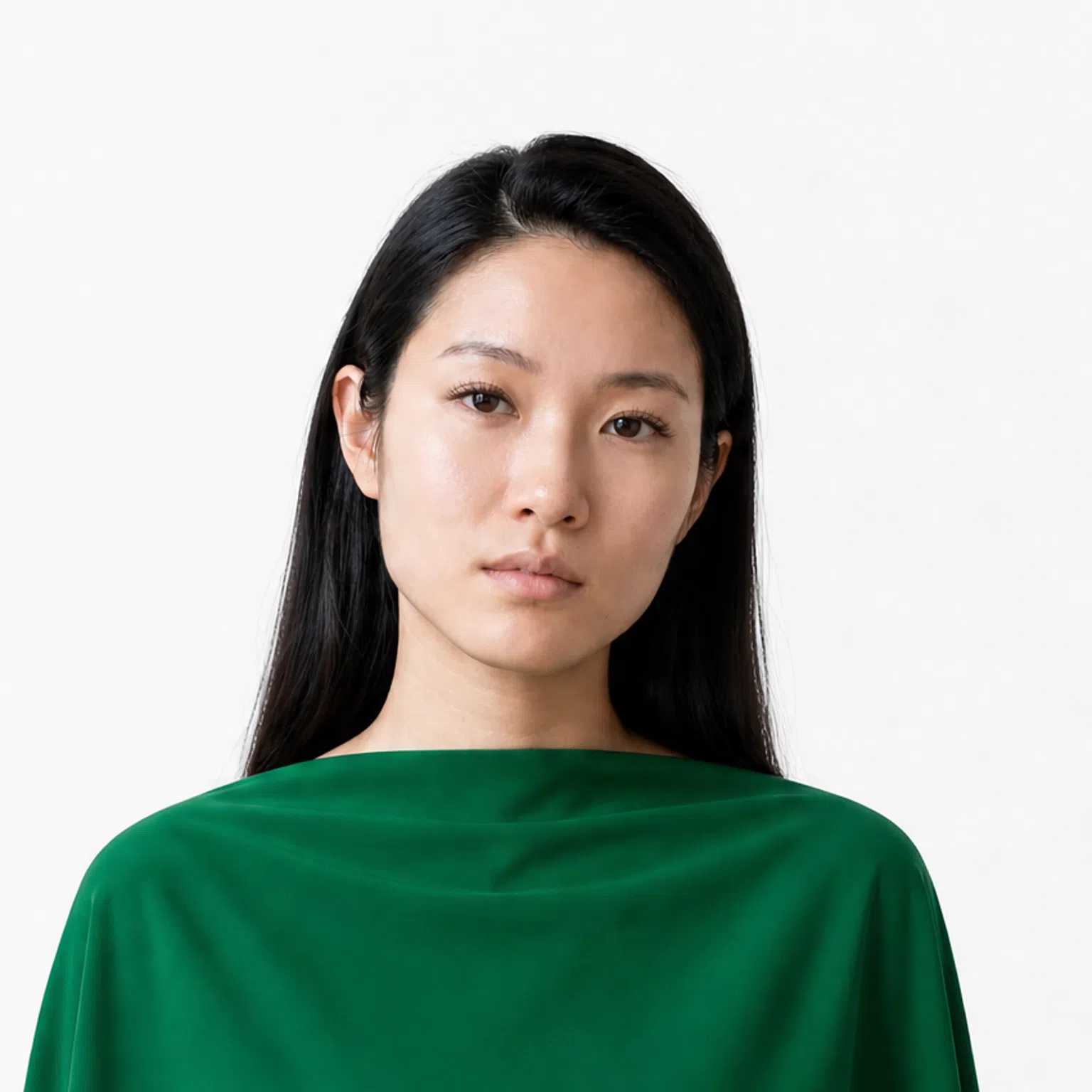
Wintercool and high-contrast
Often confused with Deep Autumn. Both run dark, so depth cannot separate them - temperature does. An Autumn's dark is warm; a Winter's is cool.
Recognising yourself in one of these is the free half of the job, and for a lot of people it is enough. The subtype is the part that is genuinely hard to judge on your own face - here is how it gets settled.
The 12 seasonal color palettes
Each season splits into three subtypes, named for whichever axis runs strongest - temperature, depth or clarity. (Contrast, the fourth axis, names no subtype; it varies within them.) Here are all twelve, with sample shades from each palette. Tap any subtype for the full breakdown - the complete palette, wardrobe, hair color and makeup.
Warm and light - golden skin, light warm hair, and a palette of clean, fresh shades
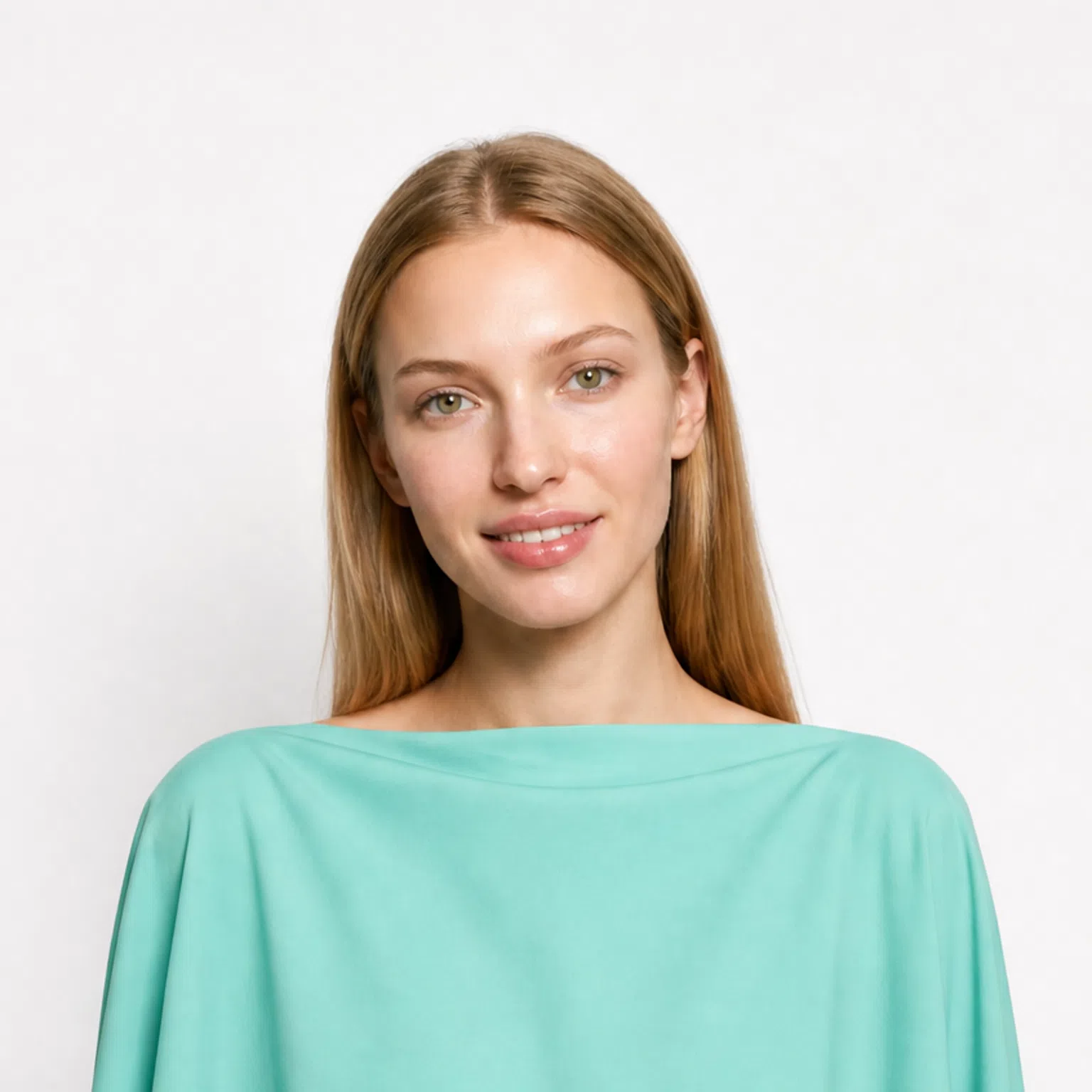 Light Spring
Light golden hair, warm light eyes, and delicate skin with a peach undertone
See palette
Light Spring
Light golden hair, warm light eyes, and delicate skin with a peach undertone
See palette
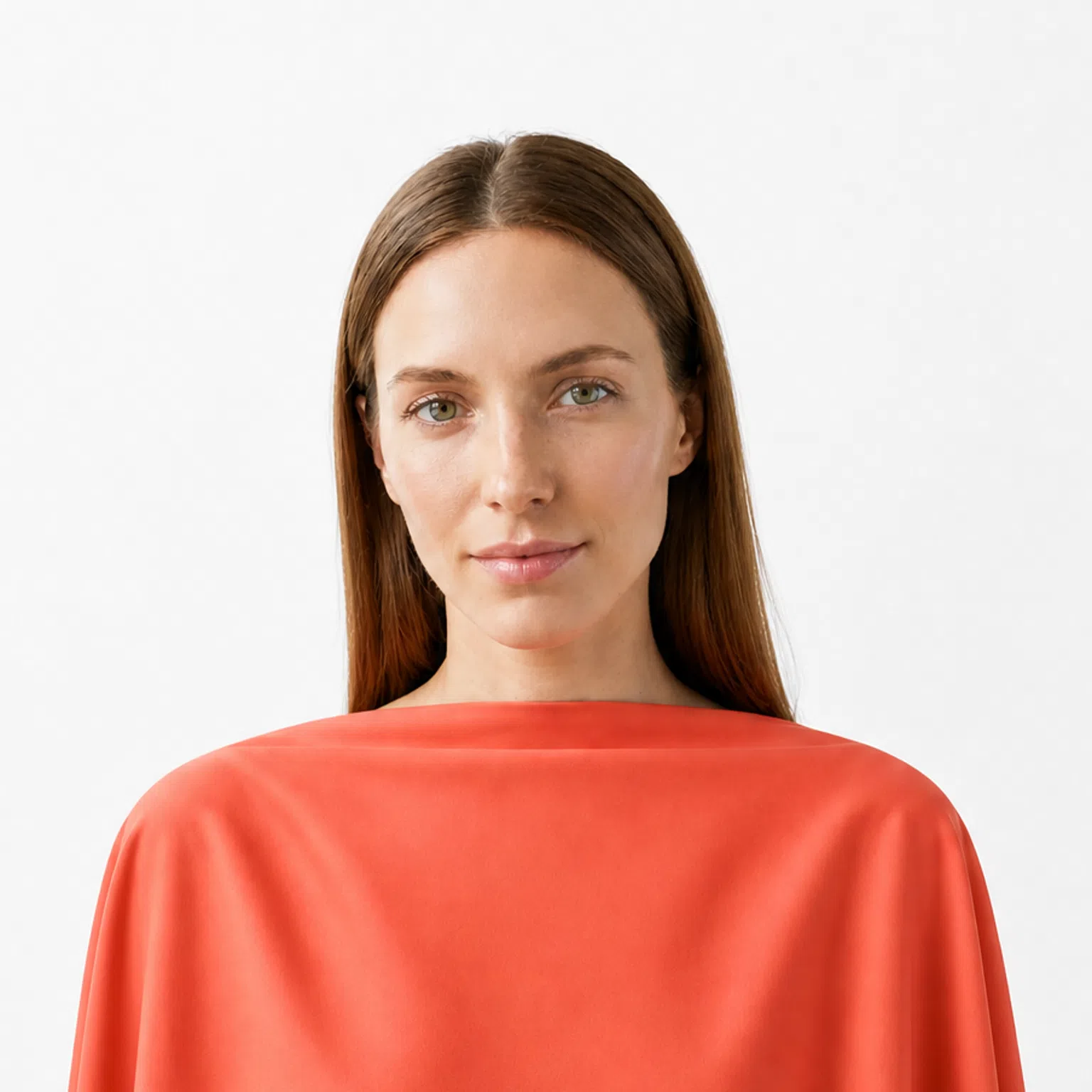 Warm Spring
Golden or reddish hair, warm skin, often with freckles - the warmest of the springs
See palette
Warm Spring
Golden or reddish hair, warm skin, often with freckles - the warmest of the springs
See palette
 Bright Spring
Warm skin with bright, contrasting eyes - coloring that can take pure, saturated color
See palette
Bright Spring
Warm skin with bright, contrasting eyes - coloring that can take pure, saturated color
See palette
Cool and soft - ash-toned hair, a pink undertone in the skin, and smoky, muted colors
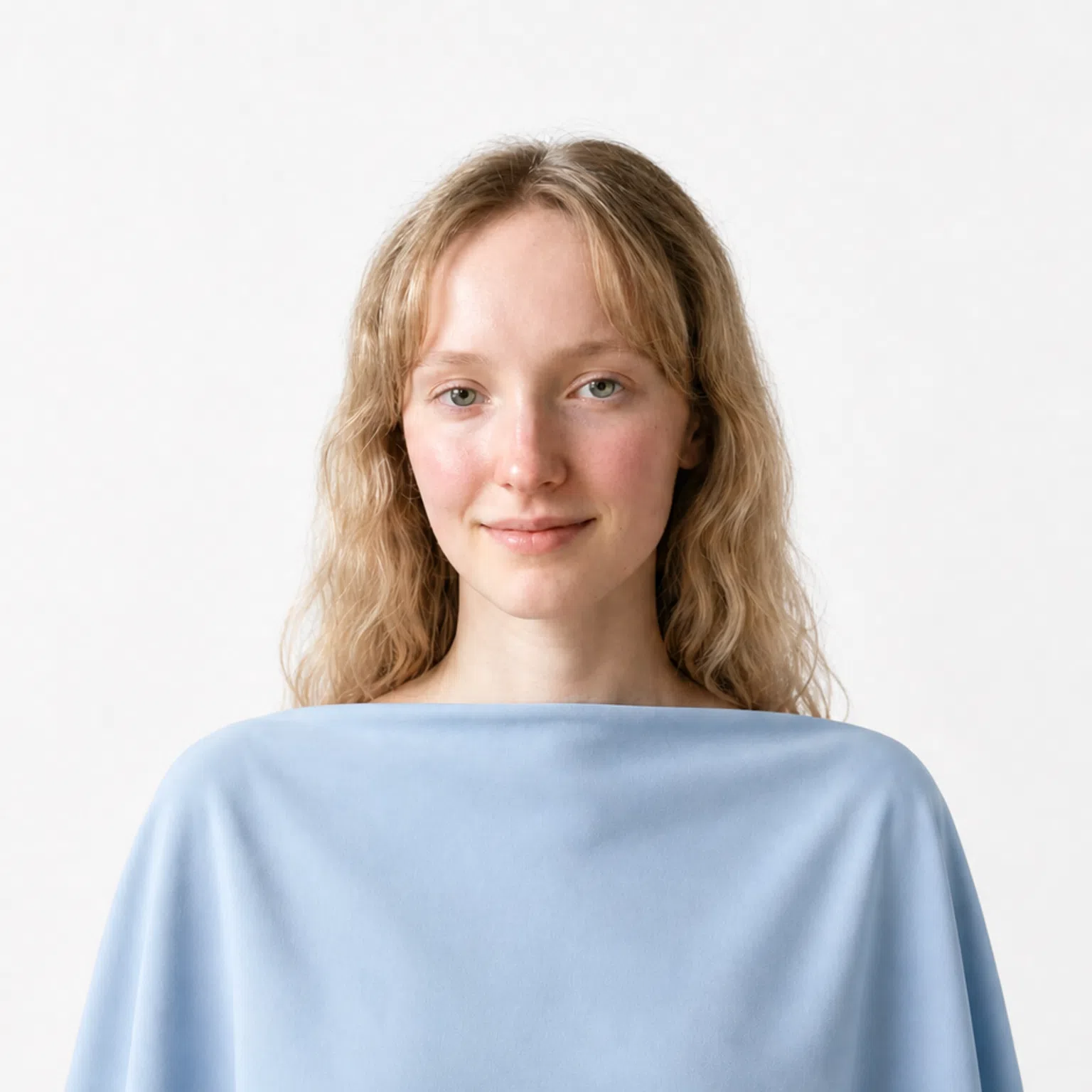 Light Summer
Ash blonde hair and light gray-blue eyes, with very little contrast between them
See palette
Light Summer
Ash blonde hair and light gray-blue eyes, with very little contrast between them
See palette
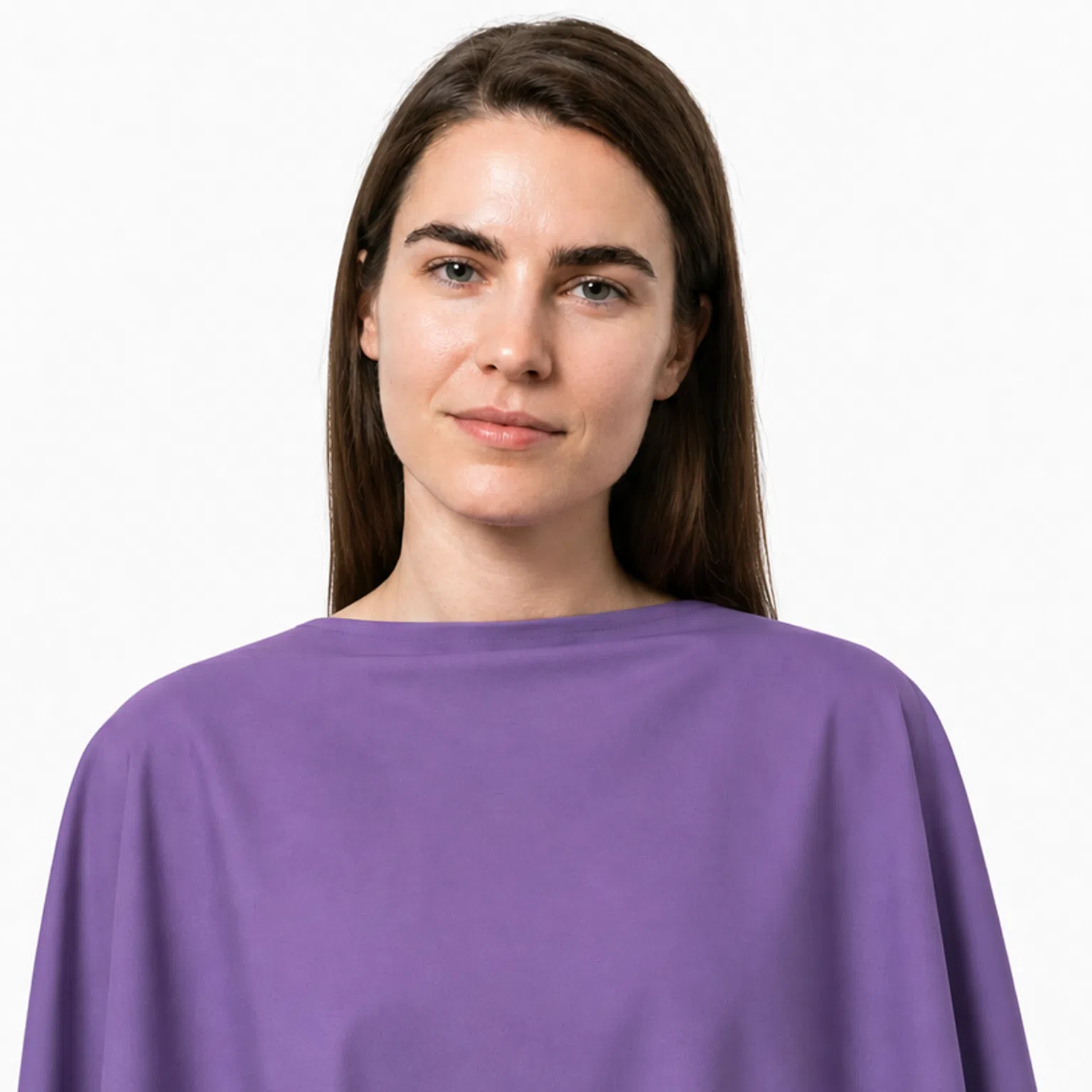 Cool Summer
Cool ash-toned hair and unmistakably cool skin - the coolest of the summers
See palette
Cool Summer
Cool ash-toned hair and unmistakably cool skin - the coolest of the summers
See palette
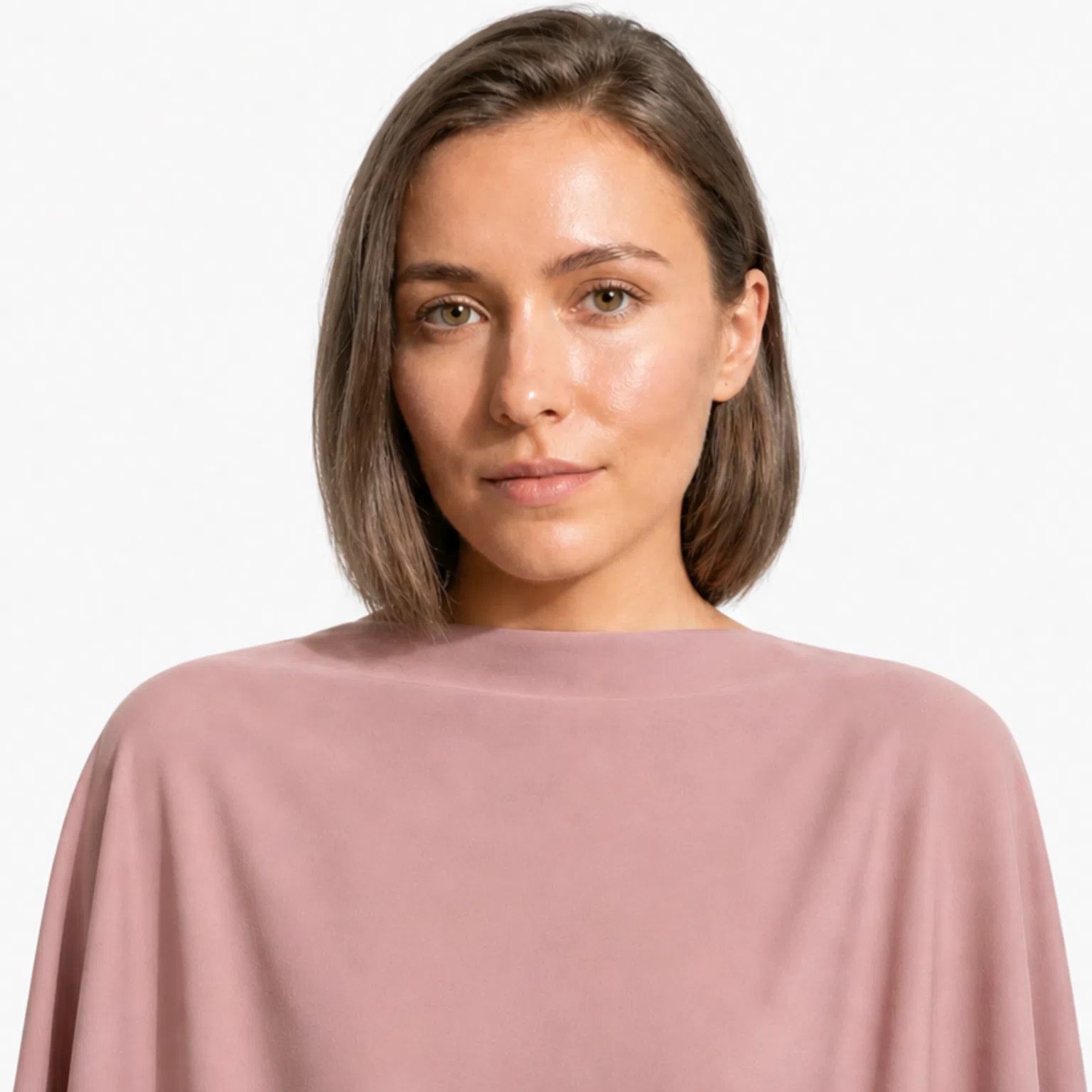 Soft Summer
Hair, skin and eyes sit close together, and nothing in the face reads as bright
See palette
Soft Summer
Hair, skin and eyes sit close together, and nothing in the face reads as bright
See palette
Warm and deep - copper, ochre and olive in the coloring, with rich, earthy shades to match
 Soft Autumn
Warm but muted - soft golden-brown hair, and no sharp contrast anywhere in the face
See palette
Soft Autumn
Warm but muted - soft golden-brown hair, and no sharp contrast anywhere in the face
See palette
 Warm Autumn
Copper or chestnut hair, golden skin, warm eyes - the warmest of the autumns
See palette
Warm Autumn
Copper or chestnut hair, golden skin, warm eyes - the warmest of the autumns
See palette
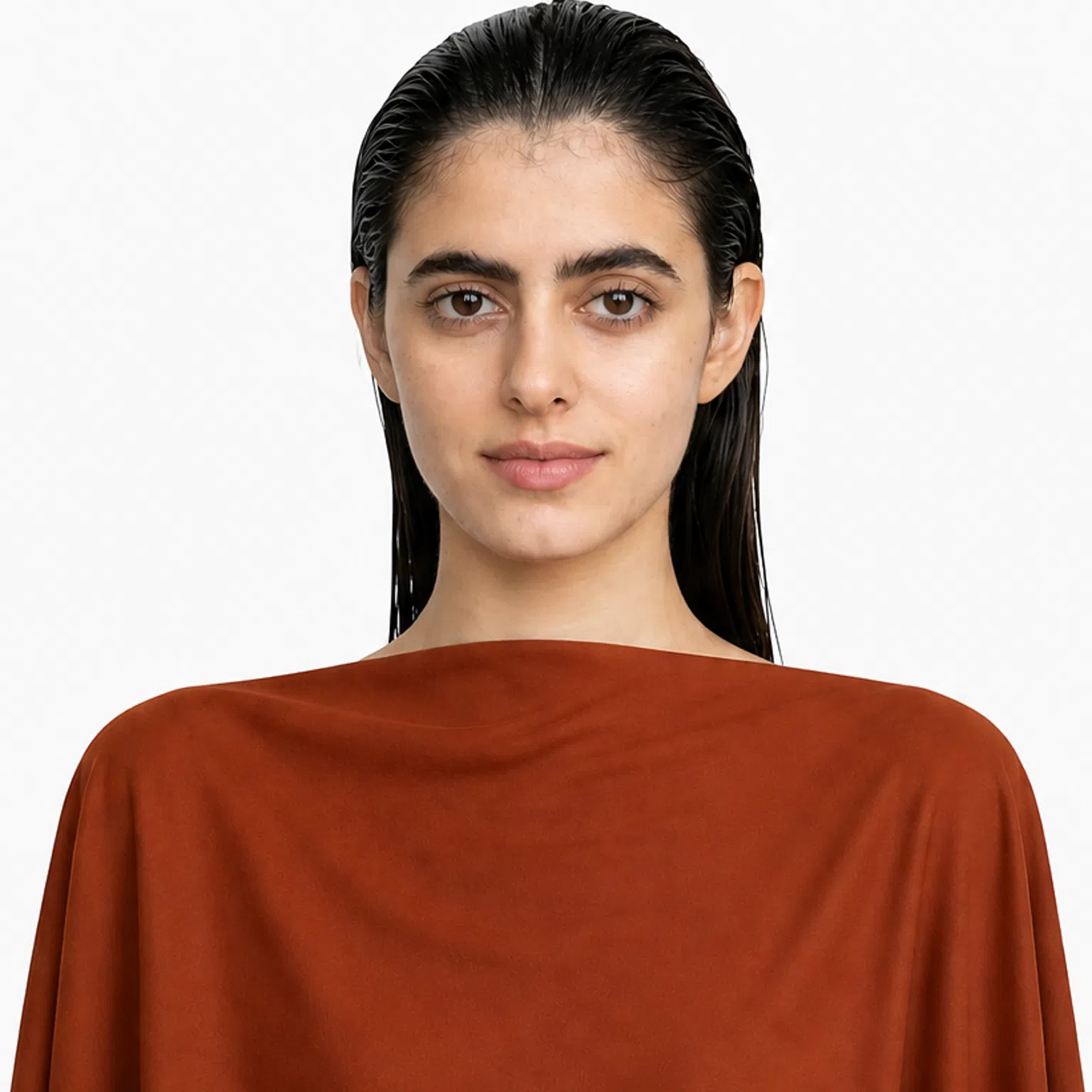 Deep Autumn
Dark warm hair and deep eyes - warm coloring that can take the darkest shades
See palette
Deep Autumn
Dark warm hair and deep eyes - warm coloring that can take the darkest shades
See palette
Cool and high-contrast - dark hair, bright eyes, and clean saturated colors with nothing muted
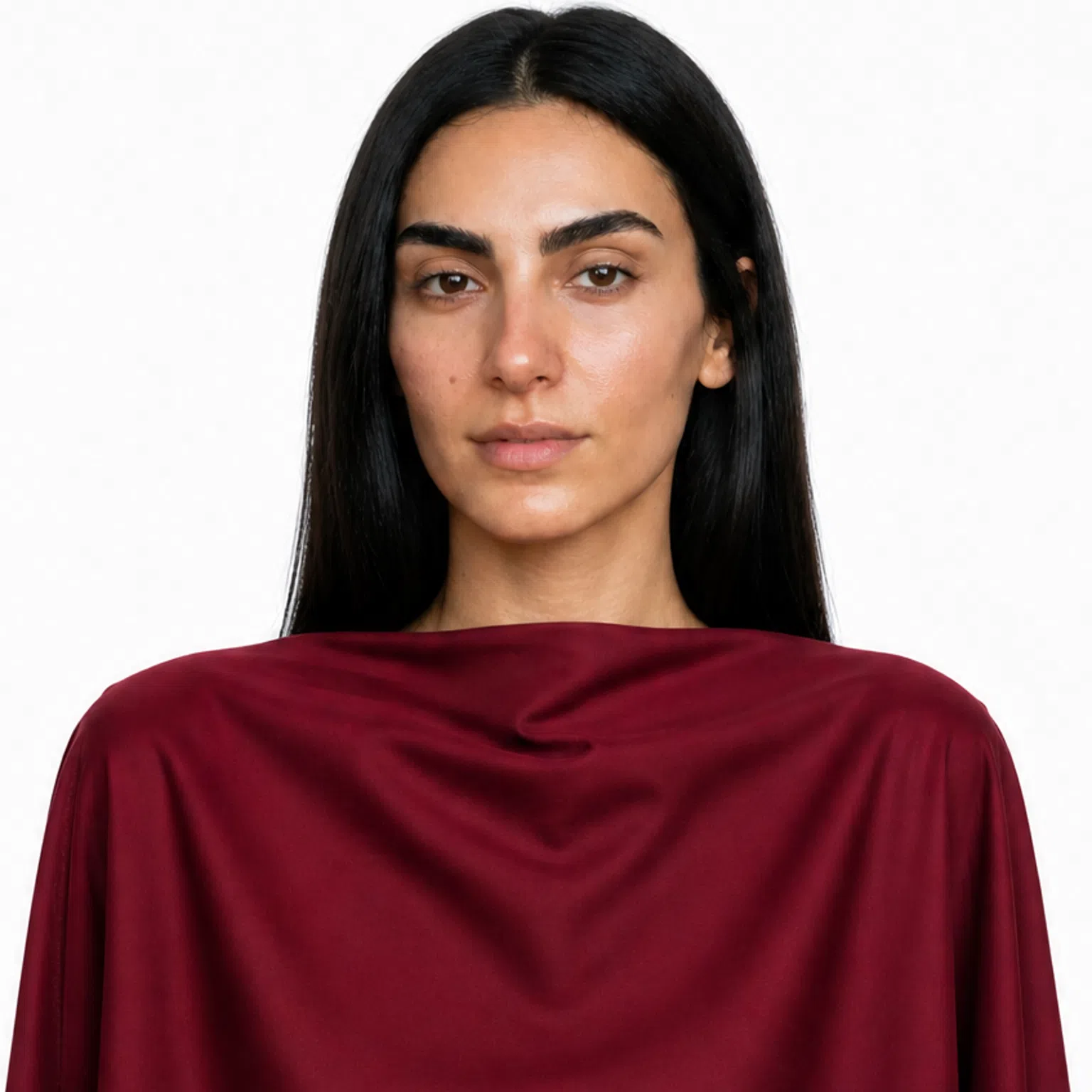 Deep Winter
Very dark hair against light or bright eyes - the deepest, highest-contrast coloring
See palette
Deep Winter
Very dark hair against light or bright eyes - the deepest, highest-contrast coloring
See palette
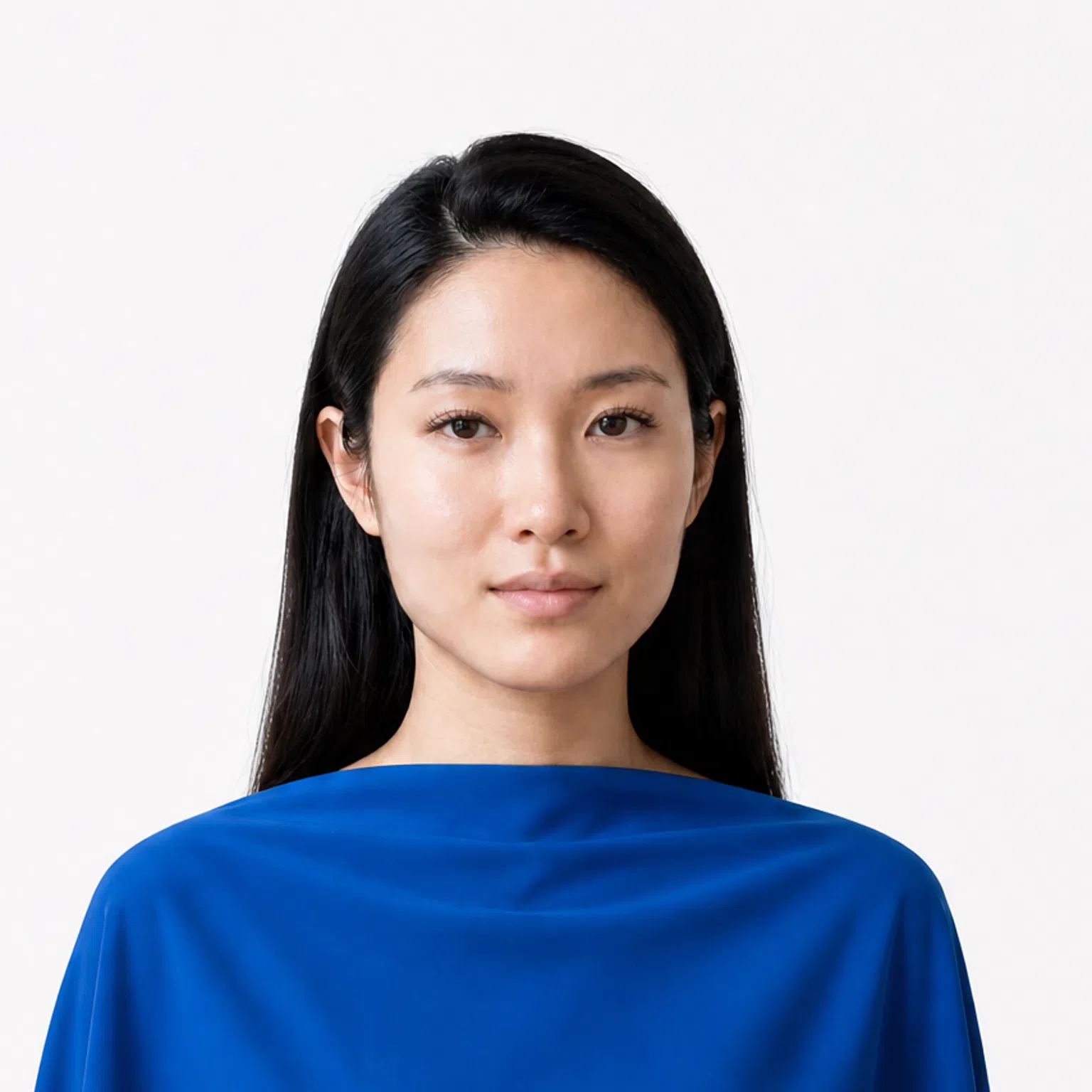 Cool Winter
Dark hair and cool skin with no warmth anywhere - the coolest of the winters
See palette
Cool Winter
Dark hair and cool skin with no warmth anywhere - the coolest of the winters
See palette
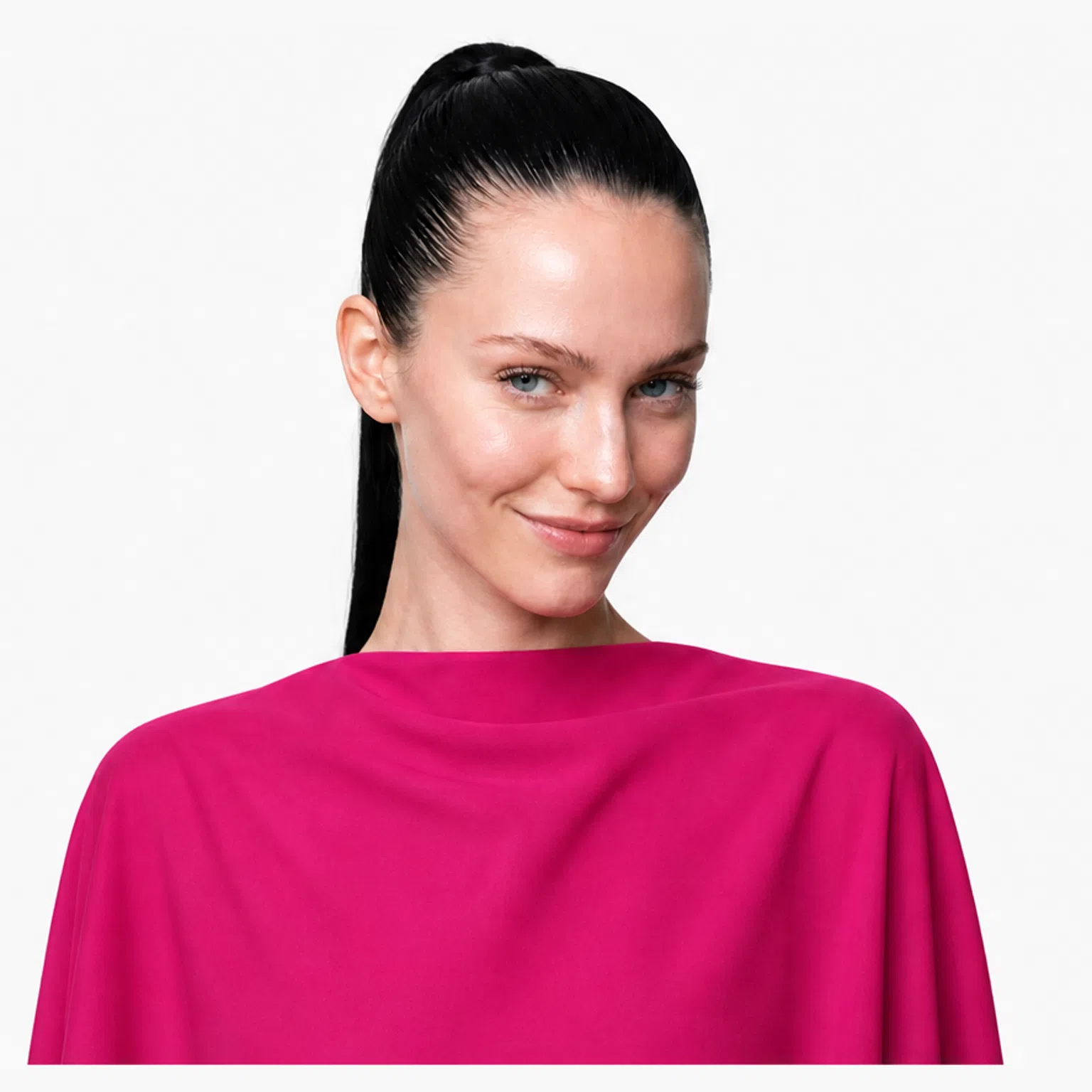 Bright Winter
Bright eyes against dark hair - the coloring that takes the purest, most saturated color
See palette
Bright Winter
Bright eyes against dark hair - the coloring that takes the purest, most saturated color
See palette
How to find your color season: 3 ways
You can work your season out yourself, answer a set of questions, or hand the analysis to an algorithm. They differ in how far they get you - here is each one honestly, with what it can tell you and what it can't.
Check it yourself: 4 steps
All of it works at home by a window - daylight, no makeup, no jewelry. These four checks give you undertone and contrast: two of the four axes, and the two that narrow the field fastest. Next to each result are the seasons it points to.
Look at the veins on your wrist
Turn your arm palm-up and hold it near a window - lamplight distorts the color. Judge the veins closest to your hand.

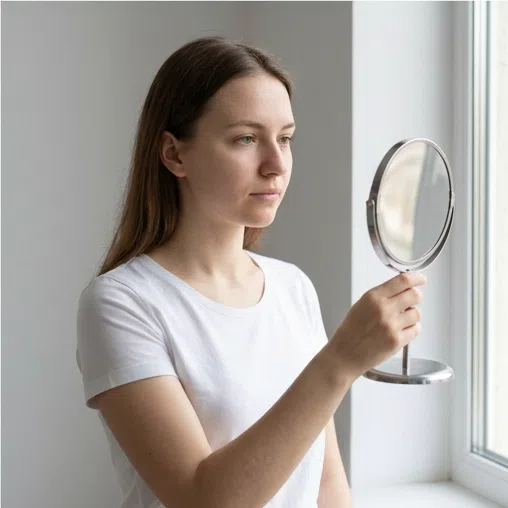
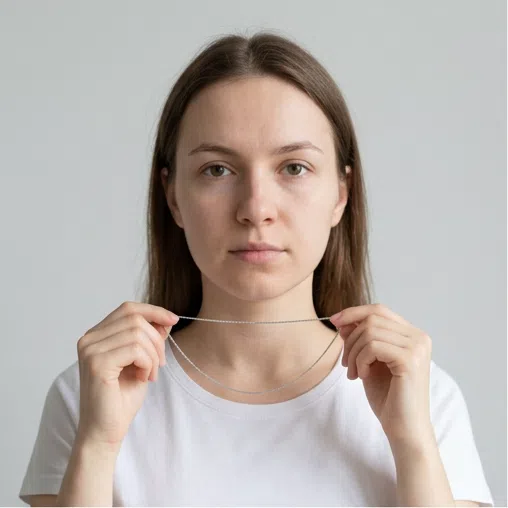
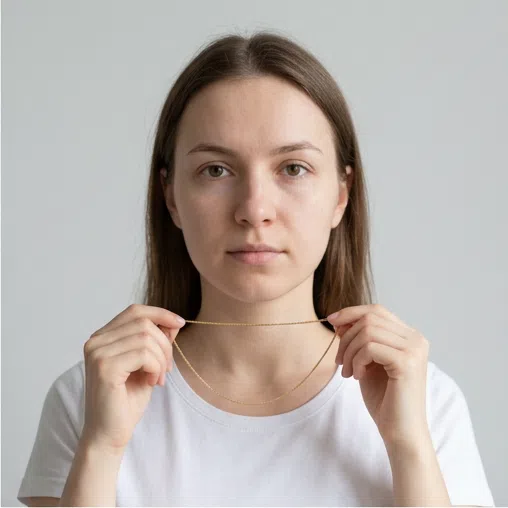
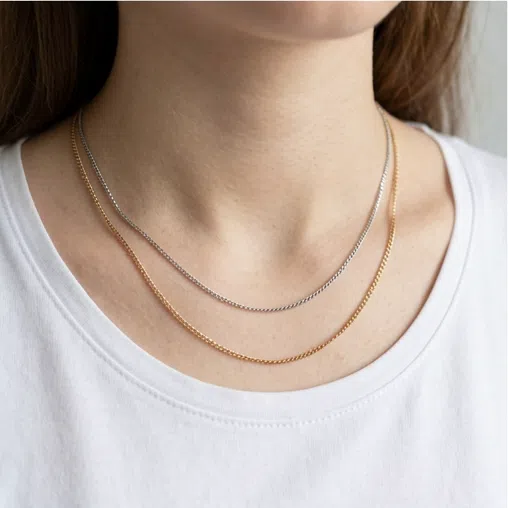
Hold silver and gold against your face
Two plain chains, or any smooth metal, one at a time near your face. Watch the skin underneath rather than the metal itself - in a mirror, by a window.
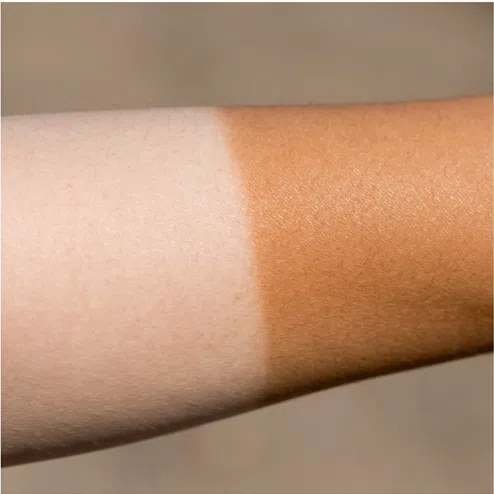
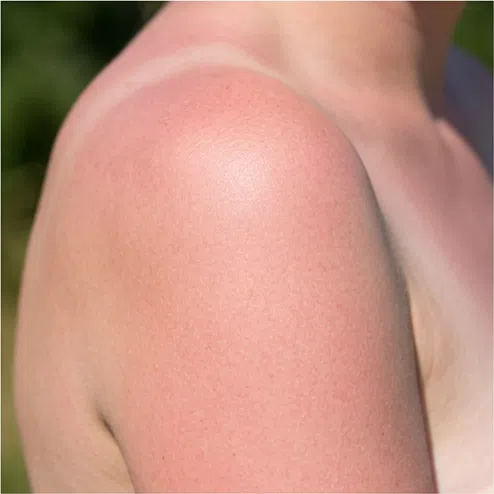
Think about how your skin handles sun
Not the tan you have today - what typically happens across a summer, in the first few days of sun.


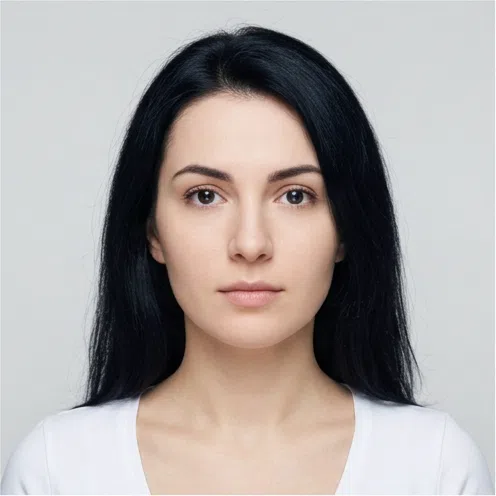
Turn a photo of yourself black and white
Any selfie with a black-and-white filter. Strip the color out and you see pure lightness - the contrast between your hair, skin and eyes reads immediately.

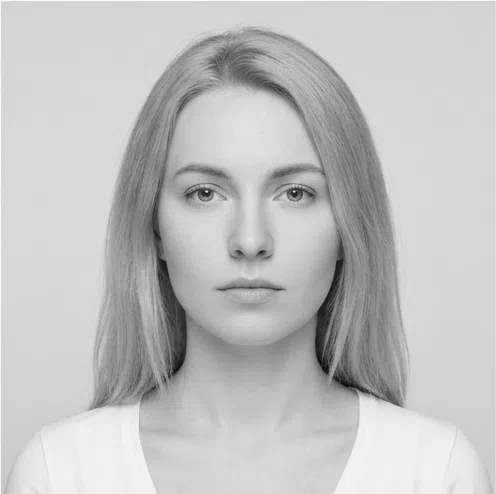
Where this stops: four checks give you undertone and contrast, which usually narrows you to two or three subtypes - not one. Depth and clarity are the harder pair to judge on yourself, because you can't see your own face next to a reference.
Answer a set of questions
The quiz below asks about the same signals you just checked, then does the matching for you. It is quicker than working through it alone and it will not contradict itself - but it is only ever as good as your own answers, and the judgment calls are exactly the ones people get wrong about themselves.

Your natural hair color - undyed
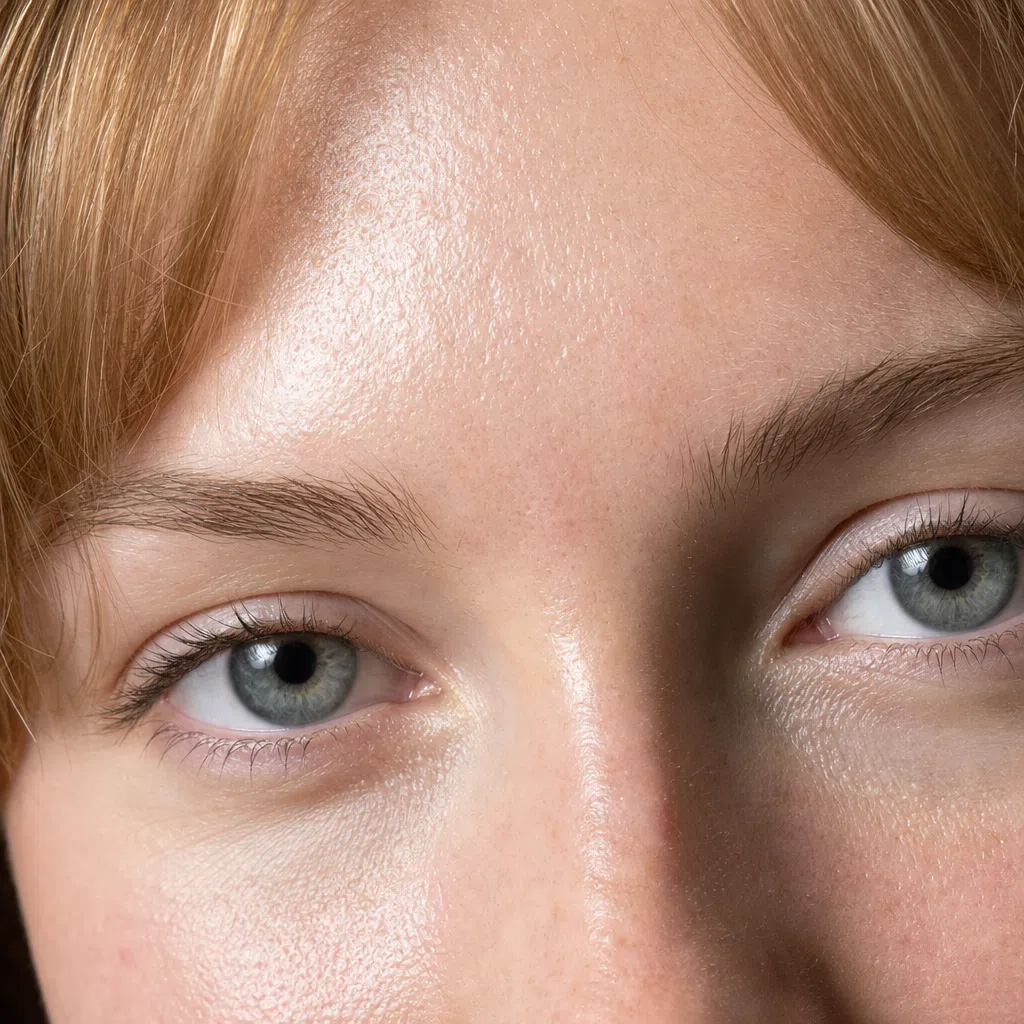
Your eye color
Skin undertone: check the veins on your wrist, and which metal suits you
How does your skin react to sun?

Your contrast: compare how light your hair is against your skin
Your answers add up to spring coloring: warm and light. Clean warm shades lift you - coral, peach, warm turquoise - while cool dusty colors flatten the brightness you already have. See the Spring season.
This looks like summer coloring: cool and soft. Muted cool shades suit you - dusty rose, grey-blue, lavender - while hot oranges and anything acid-bright fights with your face. See the Summer season.
Your answers point to autumn coloring: warm and deep. Earthy warm shades suit you - terracotta, mustard, olive, warm teal - while icy and neon colors leave your face looking tired. See the Autumn season.
This looks like winter coloring: cool and high-contrast. You carry clean saturated color - emerald, fuchsia, cobalt, black against white - while dusty pastels wash you out. See the Winter season.
Start with these subtypes:
A self-check narrows you to a season, but the subtype is hard to pin down from descriptions - that's where people go wrong most often. The photo analysis settles it, because it measures undertone and contrast instead of asking you to judge them.
Analyzed from your photos
This is the drape test, automated. Your photos are measured against a fixed reference rather than judged by eye, which removes the two things that make self-checking hard: your lighting, and your own opinion of your face. You get the subtype rather than the season, the full palette, and the shades to keep away from your face.
Everything in your color analysis report
Upload a few photos and LooksFormula builds the whole report for you. Most color quizzes hand you a season - one word, and stop there. Yours goes all the way to the subtype, and shows every recommendation on your own face instead of describing it.
Try colors on your own photo
Click a color and it lands right next to your face - no guessing from a swatch card.
- Your verdict: season and subtype, plus where you sit on each of the four scales
- A palette of 50+ colors: including the neutrals that replace black and white on you
- Colors tried on your own photo: the ones that lift your face, and the ones that drain it
- What to avoid: the shades that wash you out, and the reason they do
Outfits in your palette
A wardrobe you can shop from, already worked out in your colors.
- 20 complete outfits: rendered on you, not on a model
- Color combinations that work: base colors paired with accents, so the pieces go together
- Pocket palette card: to take shopping
Ready-made looks for your coloring
Start from a finished look, then make it yours.
- Recolor any outfit, live: change the top, the bottom, the jacket - each piece separately - and see which color combinations actually work on you
- A verdict on every change: from a perfect match to off palette, so you know before you buy
Glasses, frames and scarves near your face
What you wear closest to your face matters most - so it is tried on your face.
- Glasses and frames: frame colors and finishes shown on your photo
- Scarves: the colors that brighten your face when worn right beside it
- Jewelry: the metals and materials that suit your coloring
Cuts and hair color
Hair and makeup matched to your coloring rather than to a trend.
- Hair color: the shades that suit you, with brand shade numbers to show your colorist
- Cuts: tap a haircut and see it on your photo
- Makeup: base, lips, eyes and brows in your palette
“I'd been told I was a winter for years. Turns out I'm a soft summer. Swapped black for charcoal near my face and people keep asking if I changed my hair.”
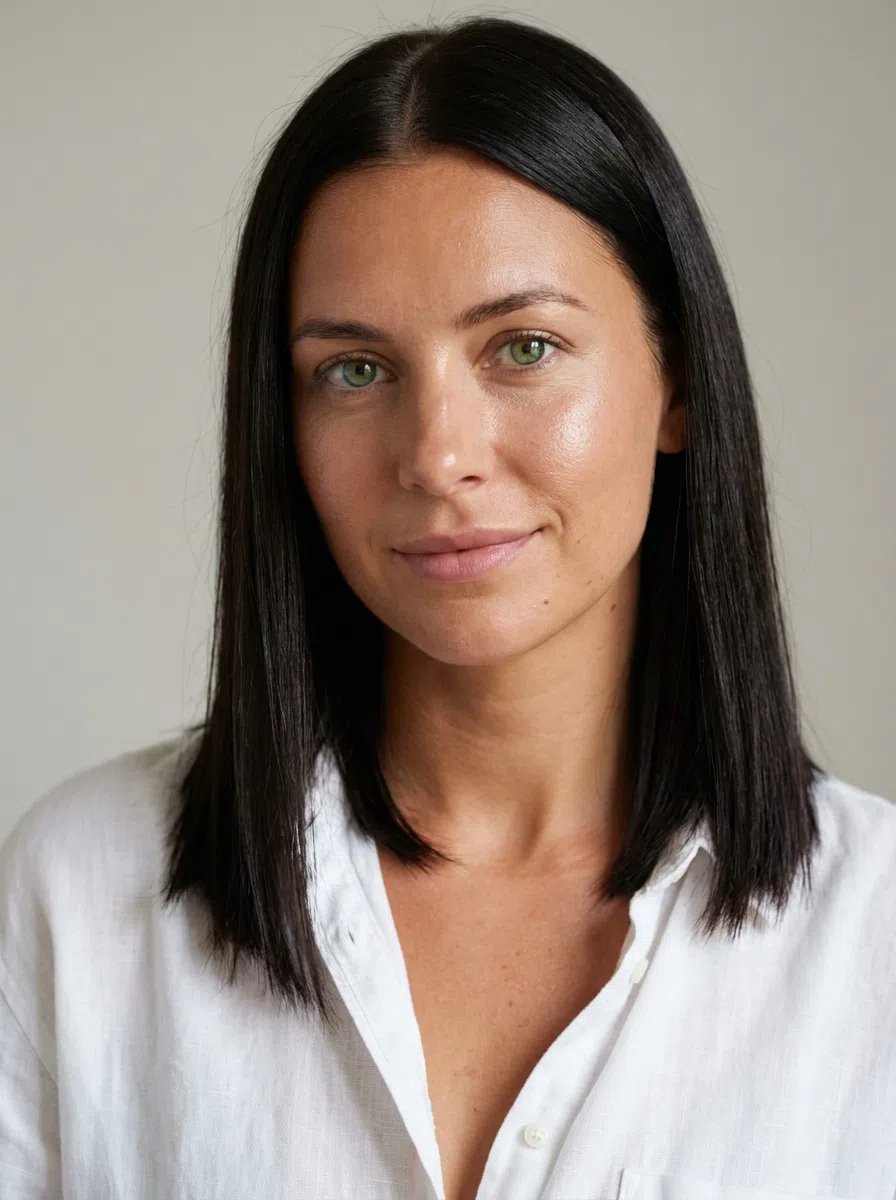
“Booked an in-person analysis years ago and paid a fortune for it. This gave me the same season and a lot more I could actually use.”
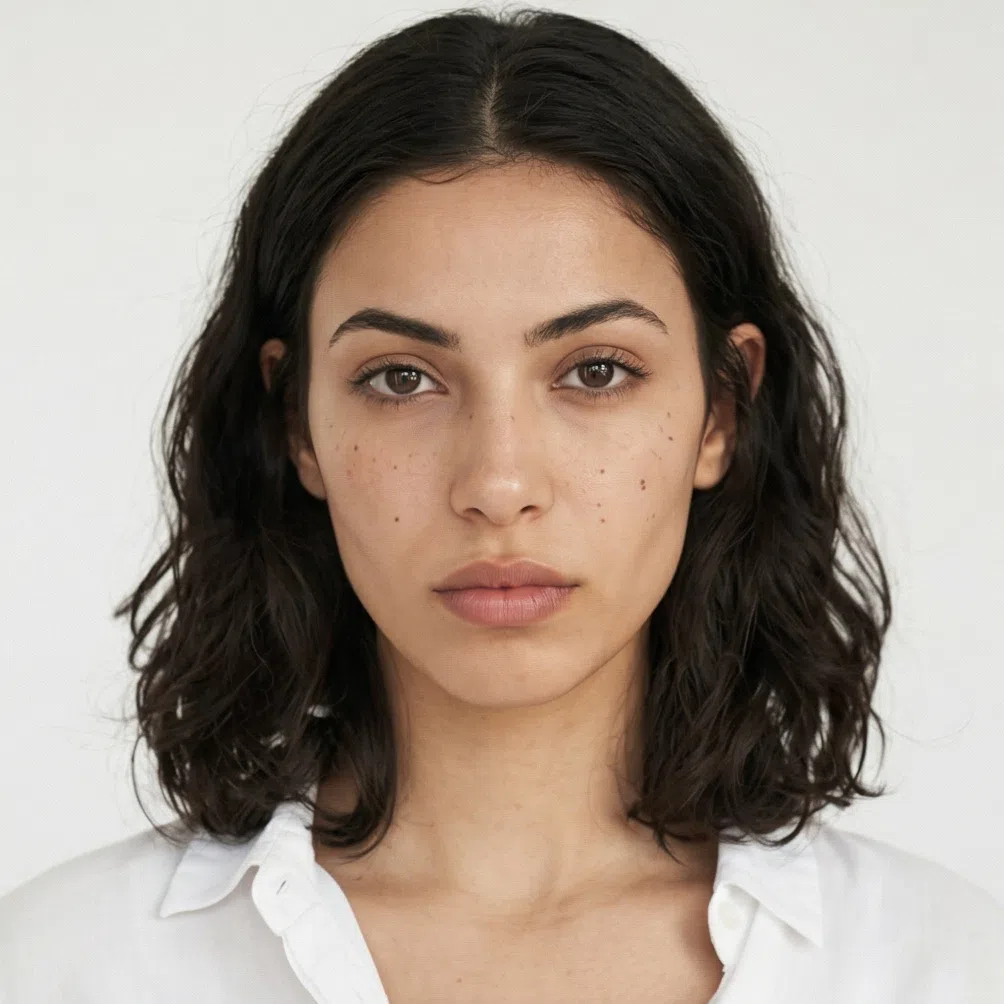
“The palette lives on my phone and I use it in every store. I've returned almost nothing since.”
What knowing your season actually changes
You do not have to believe in the twelve-season grid as a law of nature to get something out of this - and you shouldn't, it is a naming system people built, not a fact about the universe. What is real is narrower and easier to check: fabric near your face throws its color onto your skin. Everything below follows from that one effect.
You stop buying clothes you never wear
Most wardrobe regrets are not the wrong garment - they are the right garment in a shade that fights your face. It hangs there, unworn, and you are never quite sure why.
Your face reads as rested
Shades from your own range even out skin tone and quiet redness. The wrong ones do the opposite: they pull shadows under the eyes forward and make a normal night's sleep look like a bad one.
Shopping takes less time
A palette is a filter. Three-quarters of a rail stops being a decision, so you try on a handful of things instead of everything.
What you already own starts combining
Colors drawn from one palette go together in almost any order, which is why a smaller wardrobe in the right range covers more outfits than a bigger one in the wrong one.
Hair color stops being a gamble
Dyeing to a shade that fights your undertone is the most aging thing on this list, and the most expensive to undo. A palette tells you which direction is safe before you sit in the chair.
Makeup stops looking like makeup
Foundation, blush and lipstick chosen from your own range read as skin. It is the difference between a face that looks made up and one that just looks well.
4, 12 or 16 seasons: what's the difference?
Every version describes the same people. The only thing that changes is how finely the grid is cut - so a name from any system resolves to one of the twelve subtypes, and no system contains a coloring the others are missing.
The original: temperature and depth only. Fast, but coarse - plenty of people do not land cleanly in any of the four, which is what drove the later splits.
The working standard: each season split three ways by whichever axis runs strongest. This is the system our pages and reports are built on.
The same people, cut finer - four slots per season instead of three. It adds no new colorings, so every 16-season name maps onto one of the twelve.
16-season and older names, mapped to the twelve
If a consultant, a book or another quiz gave you a name you cannot find on this site, it is almost certainly here. Find it in the first column to get to your subtype.
| If you were told | Comes from | On this site |
|---|---|---|
| Soft Spring | 16-season | Light Spring |
| True Spring | 12-season | Warm Spring the same subtype, older name |
| Clear Spring | 12-season | Bright Spring the same subtype, older name |
| Cool Spring | 16-season | Bright Spring |
| True Summer | 12-season | Cool Summer the same subtype, older name |
| Warm Summer | 16-season | Soft Summer the warmest of the summers |
| Dark Summer | 16-season | Soft Summer the deepest summer |
| Light Autumn | 16-season | Soft Autumn |
| Cool Autumn | 16-season | Soft Autumn autumn on the summer border |
| True Autumn | 12-season | Warm Autumn the same subtype, older name |
| Clear Autumn | 16-season | Deep Autumn |
| Dark Autumn | 12-season | Deep Autumn the same subtype, older name |
| Soft Winter | 16-season | Deep Winter |
| Warm Winter | 16-season | Deep Winter the warmest of the winters |
| True Winter | 12-season | Cool Winter the same subtype, older name |
| Light Winter | 16-season | Bright Winter icy, light shades |
| Clear Winter | 12-season | Bright Winter the same subtype, older name |
Our twelve, for reference: Light Spring, Warm Spring, Bright Spring · Light Summer, Cool Summer, Soft Summer · Soft Autumn, Warm Autumn, Deep Autumn · Deep Winter, Cool Winter, Bright Winter. Where two schools disagree on a name we use the one people actually search for, which is why you will see Bright Spring here and Clear Spring elsewhere - all twelve are laid out above.
Common questions about color analysis
Can ChatGPT do your color analysis?
How can I figure out my color analysis?
Is color analysis accurate?
How much does it cost for a color analysis?
How do I determine my seasonal color?
Is seasonal color analysis real?
What are the 12 seasonal color palettes?
What is the rarest color analysis season?
Does my color season change over time?
Do I need to be wearing no makeup in the photos?

Sources
Seasonal color analysis is an established method, not something we invented. These are the references behind the theory on this page.
- Color analysis - Wikipedia Overview of personal color analysis and the seasonal systems
- Johannes Itten - Wikipedia The Bauhaus painter whose work on color harmony and personal coloring the seasonal idea grew from
- Carole Jackson - Wikipedia Author of Color Me Beautiful (1980), which took the four-season system mainstream
- Munsell color system - Wikipedia Hue, value and chroma - the three properties the temperature, depth and clarity scales are built on
- How Munsell color notation works - Munsell Color The same three properties, explained by the system that defined them