
Bright Winter color palette (Clear Winter): best colors and what to avoid
Bright Winter is the most vivid of the winters: dark hair, jewel-bright eyes and sharp contrast, with coolness second. Below: 22 shades to wear, the 7 that dull you, and how to tell it from Bright Spring and True Winter.
The best colors for a Bright Winter, on a real face
Twelve shades for whatever sits right under the chin: five cold neutrals, the four icy shades and three accents at full strength. Start at the end of the row. Ruby, Jewel green and Hot magenta would swamp most faces, and on this one they do the reverse - the skin looks cleaner and the eyes sharper. That is the case the whole season makes: intensity is safe here, dust is not. Then go back to Icy rose and Frost gray, which prove that pale works too, as long as it is clear rather than grayed. Judge each one by the whites of her eyes, not by the fabric: a shade that belongs makes them look whiter.

Bright Winter in 30 seconds
Bright Winter, listed as Clear Winter in some systems, is the most contrasted coloring of all twelve: clear first, cool second, with a sharp step between hair, skin and eyes. The Bright Winter color palette runs from optic white and jet black through icy pastels to jewel shades at full voltage - ruby, jewel green, ultramarine. The risk for this face is never too much color. It is color with the life taken out of it.
| Skin | Porcelain, cool olive or deep brown, pink- or blue-toned, never golden or peach. |
|---|---|
| Eyes | Gem-bright and clear: icy blue, emerald, violet or dark brown, with very white whites. |
| Hair | Black, blue-black or cool dark brown. Natural blonde is rare, and never golden. |
| Contrast | High, and the main sign - it outranks the undertone when the two disagree. |
| Metal | Silver, white gold and platinum. Yellow gold belongs to the warm side. |
Wardrobe base:
Careful with:
The one rule to keep: offered two versions of a color, take the cleaner, brighter one - a dusty shade is the riskier bet, not a loud one. Unsure whether you are this or Bright Spring, Cool Winter or Deep Winter? A photo analysis tells you.
Are you a Bright Winter? How to tell, in five checks
Clarity and contrast settle it, not undertone alone
Bright Winter is the winter led by brightness rather than by cold. Clarity and contrast come first and the cool undertone second, which is why people with this coloring often test neutral on undertone checks and get typed as something softer. The reliable sign is what strong color does to your face: saturated, jewel-bright shades make it look fresh and defined, while pastel and dusty ones make it fade. Two lookalikes cause most of the confusion - Bright Spring, just as vivid but warm, and Cool Winter, just as cold but led by the cold itself. Work down the five checks in order: undertone first, a fabric test last.
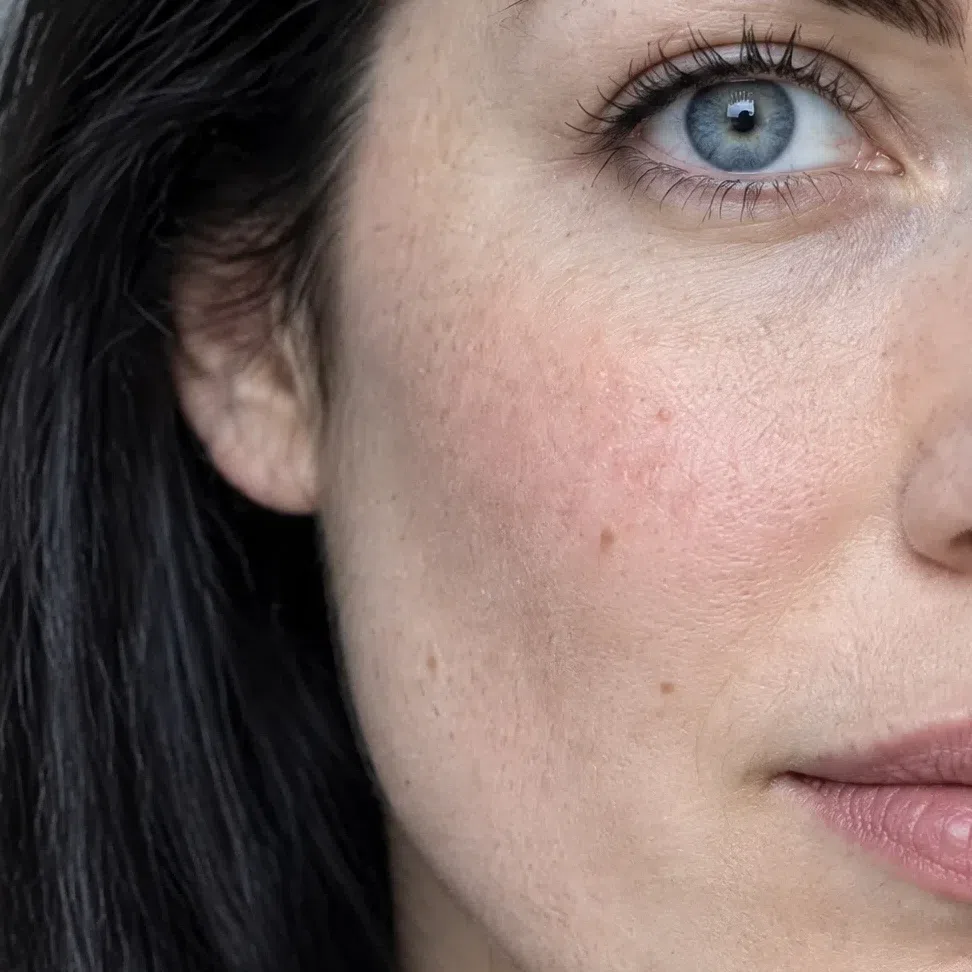
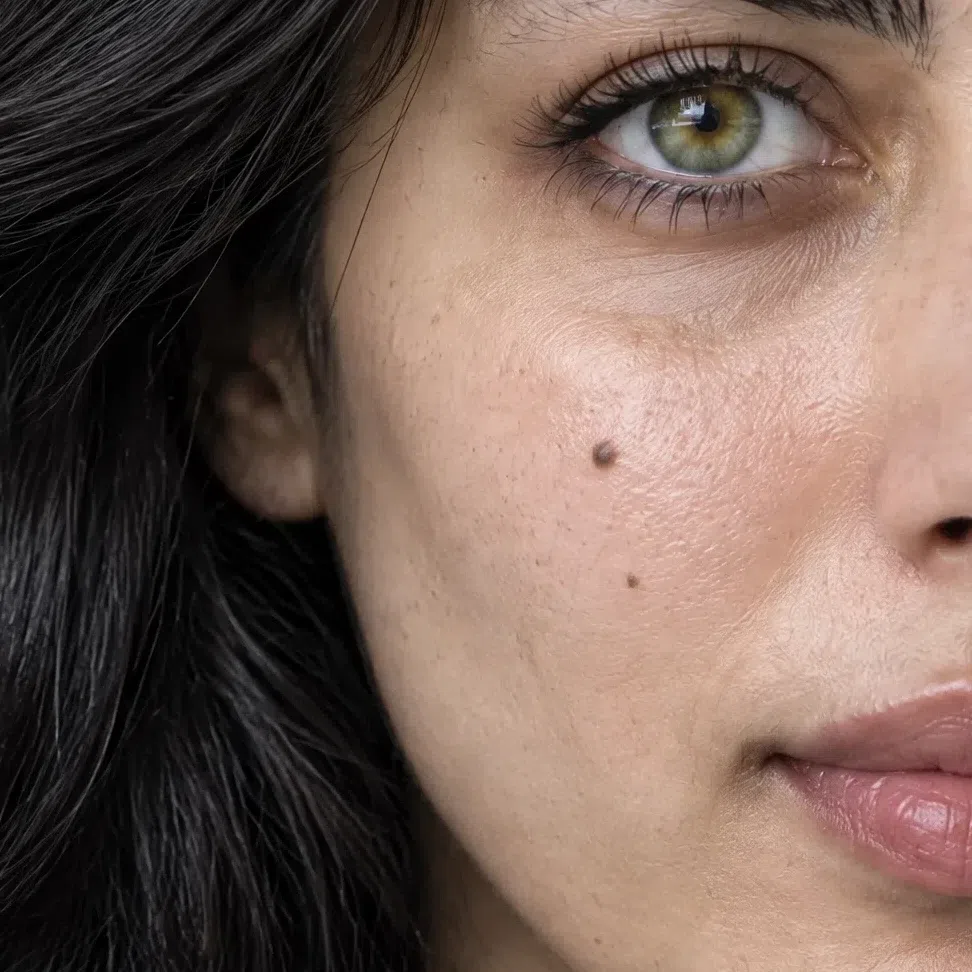
Skin depth does not make someone a Bright Winter - undertone and contrast do. The four women in the strips below run from porcelain to deep brown and share a cool or neutral-cool undertone, clean rather than dusty coloring, and hair that sits far darker than the skin with eyes that stand out from both.
11. Skin: clean and clear, whatever the depth
Bright Winter skin is defined less by how cold it is than by how clear it is. At any depth it looks fresh and almost transparent, with no gray film over it and no golden glow under it.
Underneath, it runs cool or neutral-cool: a pink or blue-pink note on porcelain, a clean olive with no yellow in it on light-brown skin, a blue-red depth on deep brown. Freckles, when they appear, are ash-colored rather than ginger. A tan goes cool beige or olive instead of honey, and fair skin burns before it browns.
What sets it apart from the other winters is the surface. Deep Winter skin can look slightly veiled and Cool Winter skin reads icy; this skin looks lit from inside once the colors near it are right. Expect the tests below to come back neutral now and then - on this subtype that is normal, and contrast is the stronger evidence.
Three quick undertone reads
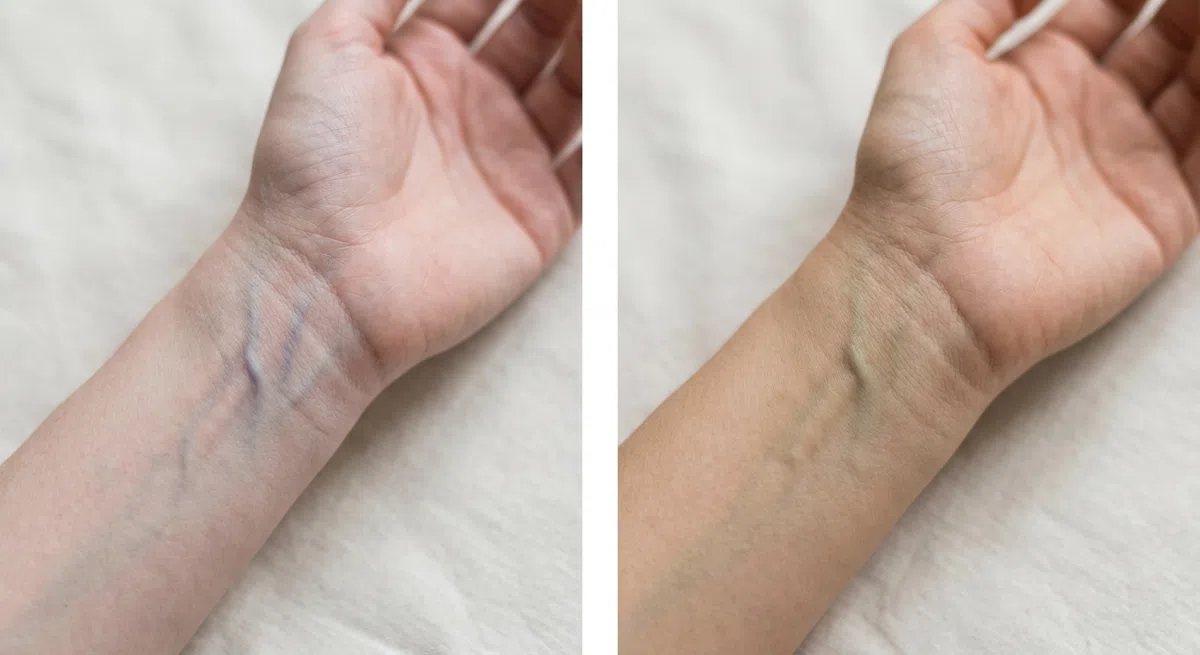
Stand by a window around noon. Lamps mislead in both directions - incandescent light tints the veins green, cool LEDs tint them blue - so the reading only counts in daylight. Take in the overall color of the veins rather than the one line that stands out most.
- Blue or violet - cool. It fits Bright Winter and every other cool coloring.
- Green or olive - warm. If the paper and the metals agree, read the springs, starting with Bright Spring.
- No clear answer - neutral, and ordinary on this coloring. Do not stall here; contrast decides it.

Makeup off, hair back from the cheeks, facing the window. Rest a blank white page along the jaw and look at the seam where skin meets paper. The sheet has to be genuinely white: cream or recycled stock brings its own warmth and nudges the result before you begin.
- The skin looks even, clean and a little pink - cool, the Bright Winter result.
- Gold or peach shows at the edge - warm.
- The skin looks faintly olive - neutral-cool, which is also common for this subtype.
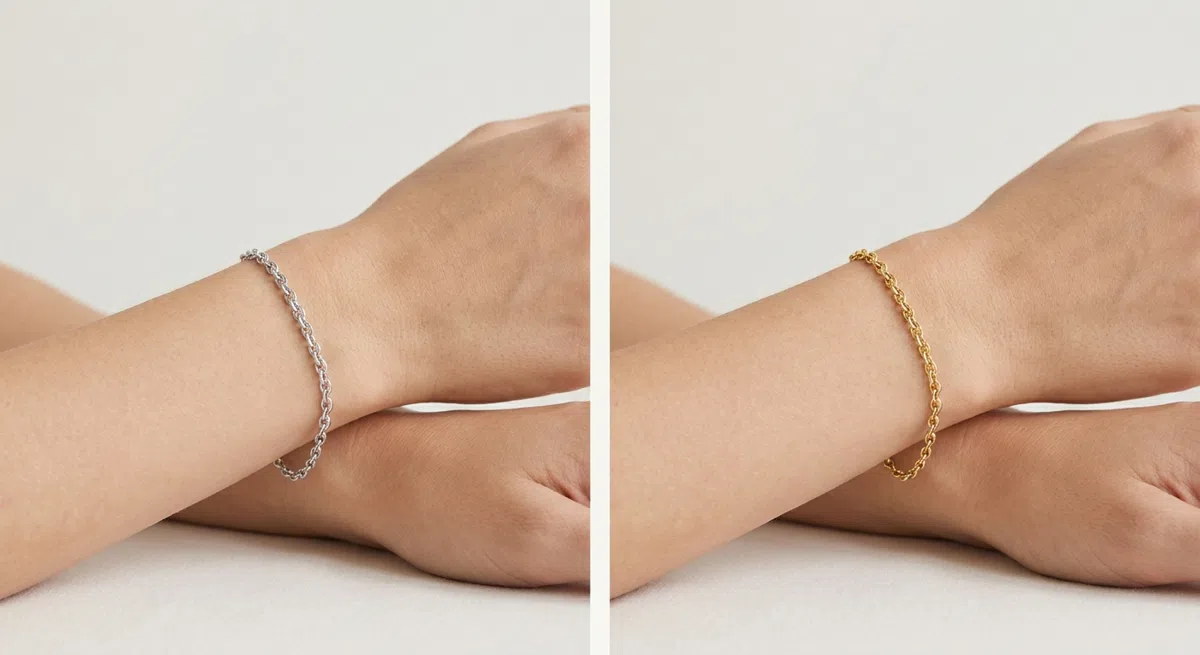
Pick one silver piece and one yellow-gold piece of about the same size. In daylight, bring each one up beside your face in turn. Ignore the jewelry and study your face: which metal makes your features look sharper?
- Silver makes the features crisper - cool. Silver, white gold and platinum are your metals.
- Gold warms and softens the skin - warm.
- Barely any difference - neutral. Let contrast make the call.
Clean skin with no golden glow keeps you on this page even when the undertone tests shrug. A clearly golden answer on paper and metal sends you to Bright Spring.
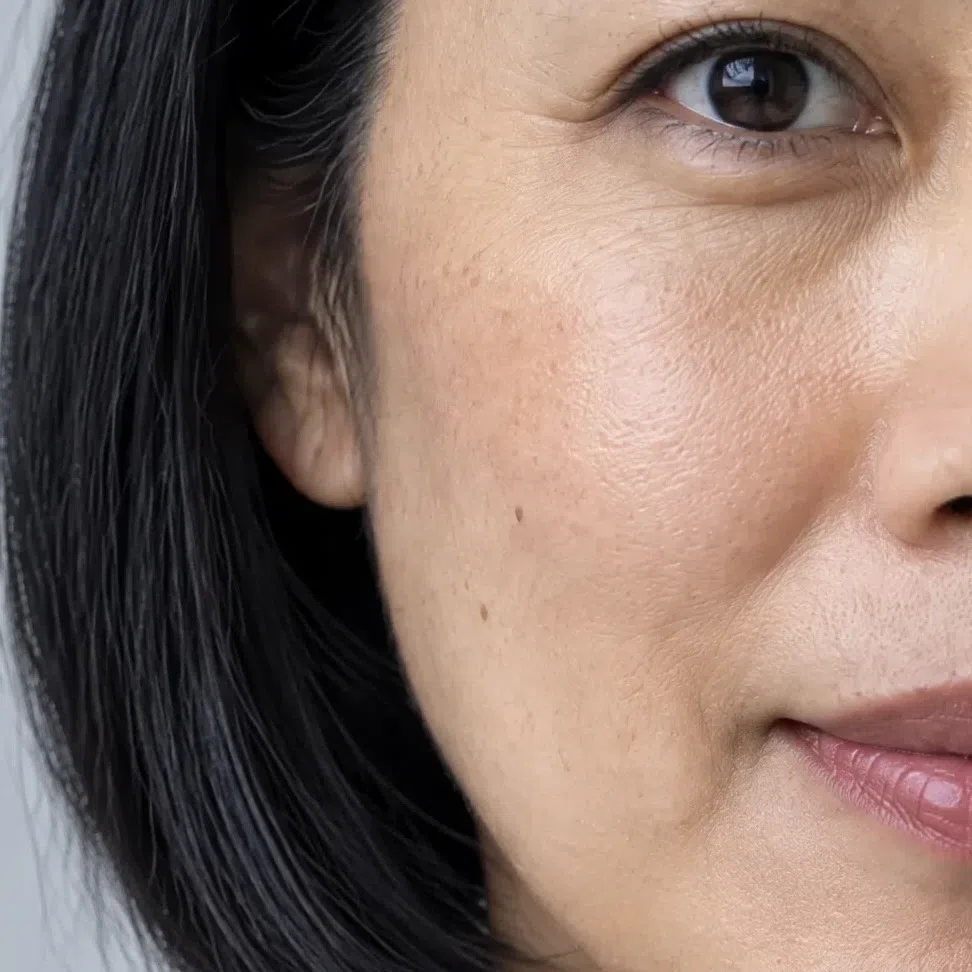
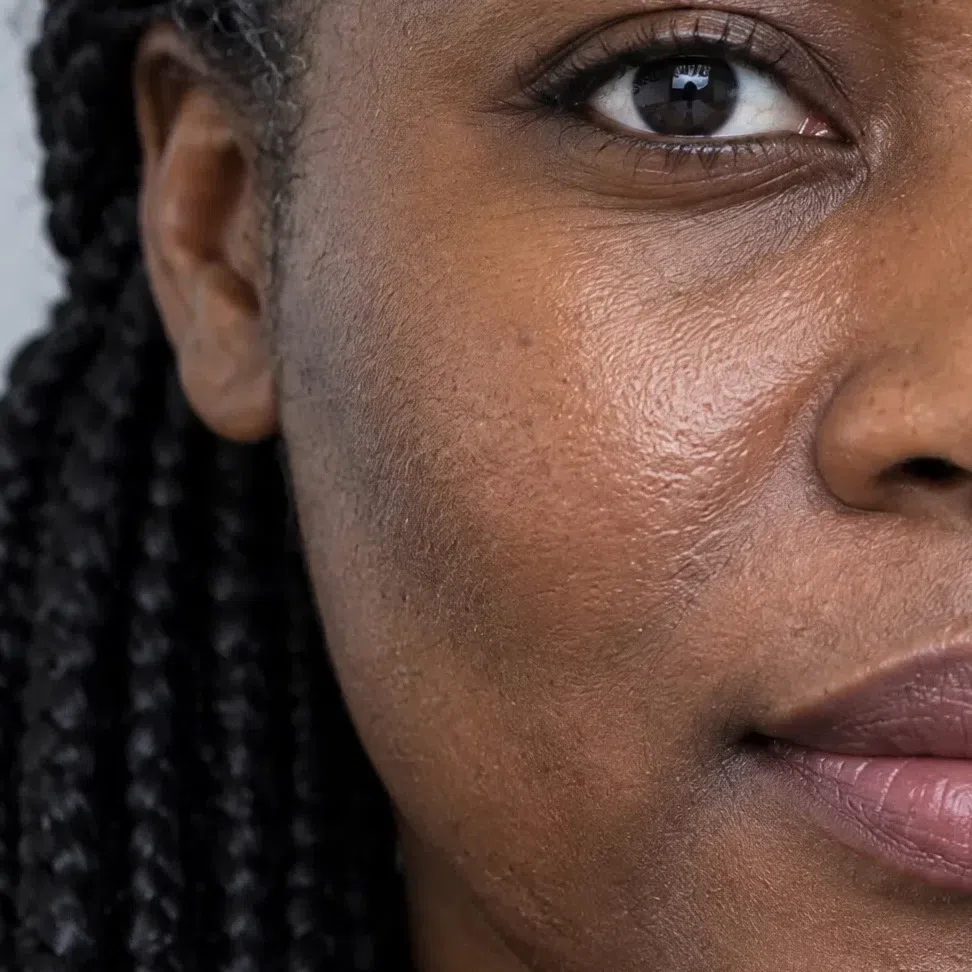
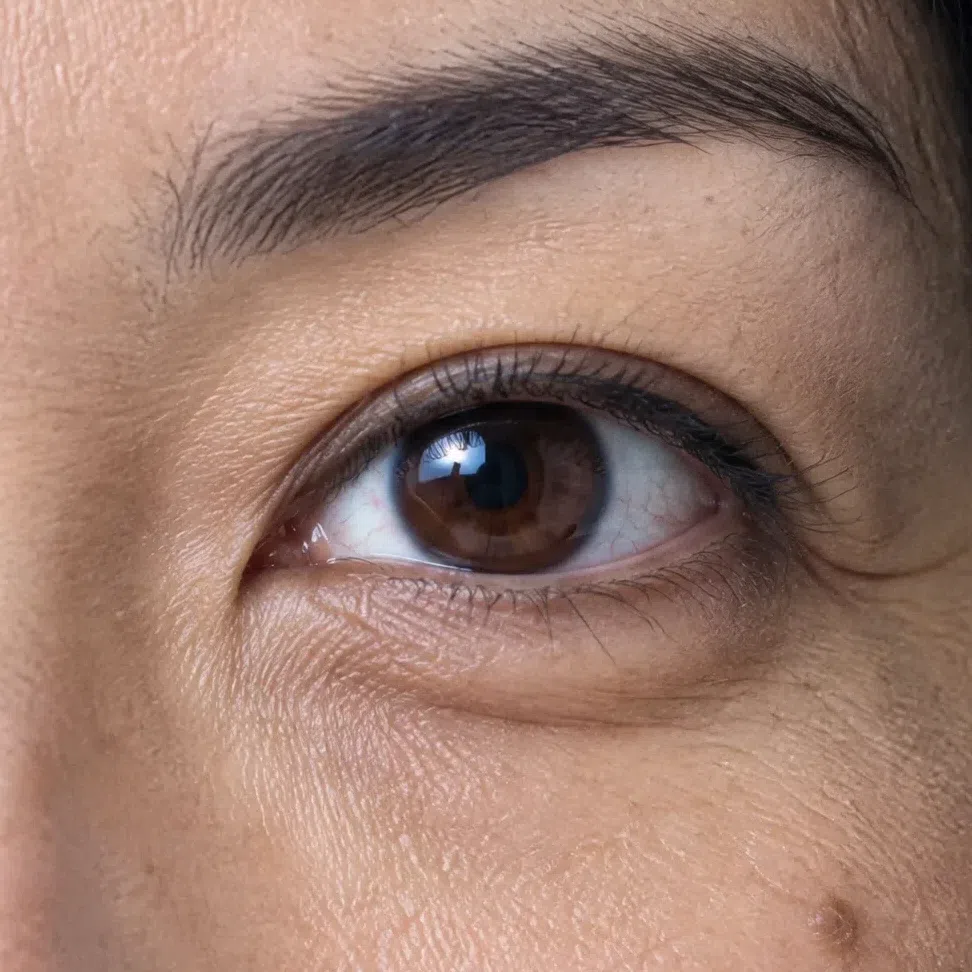
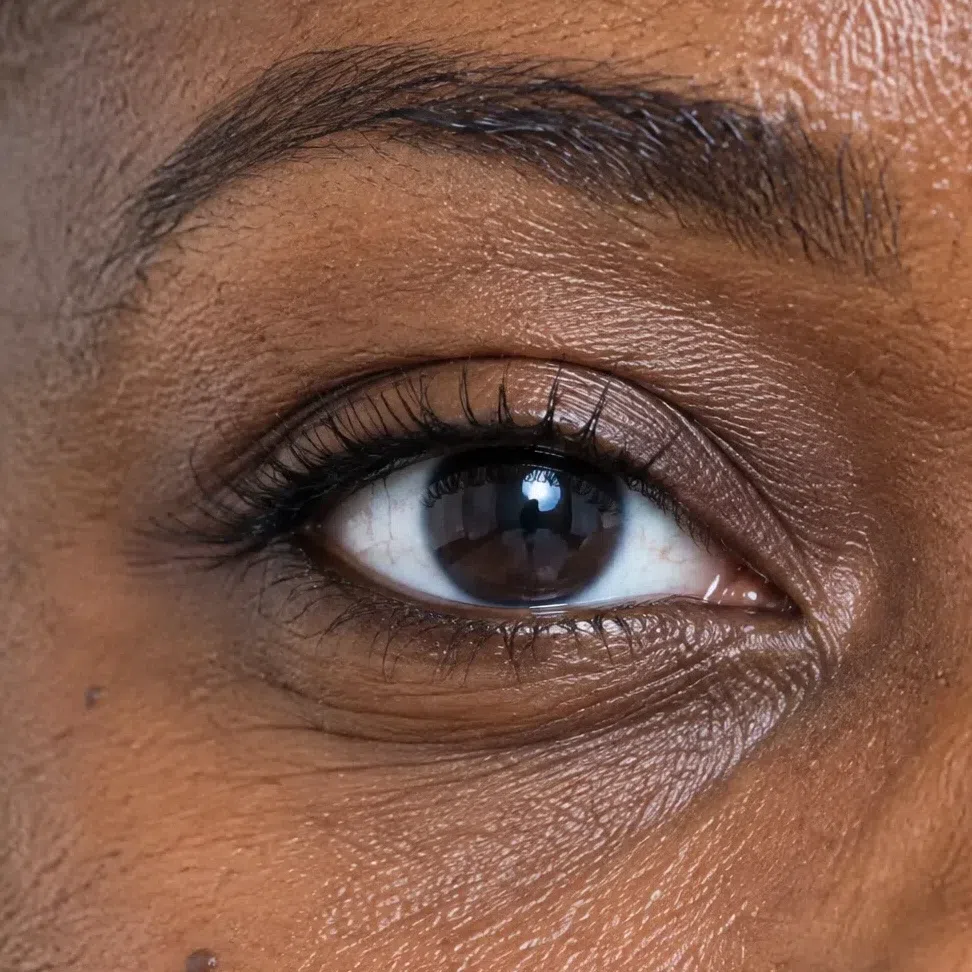
22. Eyes: jewel-bright and sharply outlined
The eyes are often the first thing people notice on a Bright Winter. Whatever their color, it looks pure and lit from behind, like a cut stone held to the light.
Almost any color qualifies as long as it is saturated: vivid blue, steel gray, violet, emerald green or a bright, clear brown. The white around it is very clean and a crisp dark line rings the iris, and together they make the gaze look sharper than anything else in the face.
What these eyes lack is haze. There is no dusty, blended quality to the iris, the soft look that summer and autumn eyes tend to have, and no warm gold spread through the color.
Dark brown eyes absolutely belong here. The brown simply reads cold - bitter chocolate or close to black rather than honey or hazel - and set against a bright white it is every bit as striking as a blue.
Judge clarity before color. An eye that looks glassy and bright belongs here whatever its hue; one that looks soft or smoky points somewhere else.
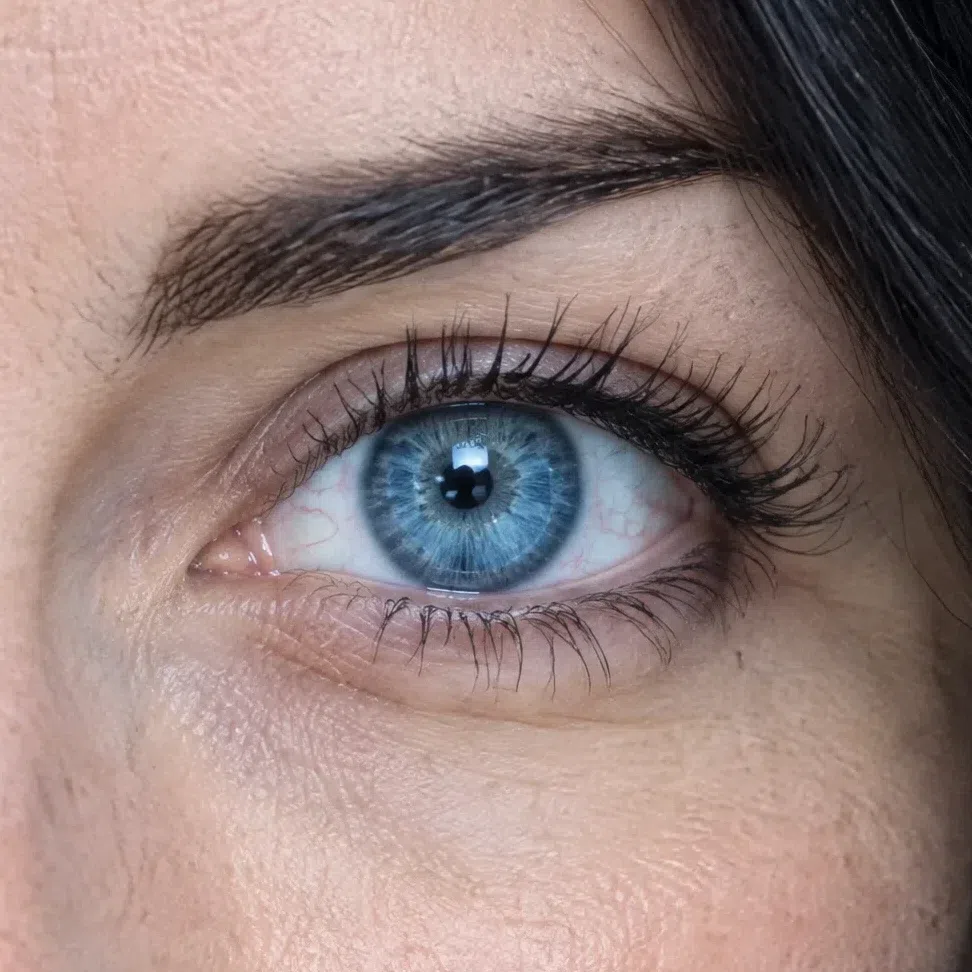
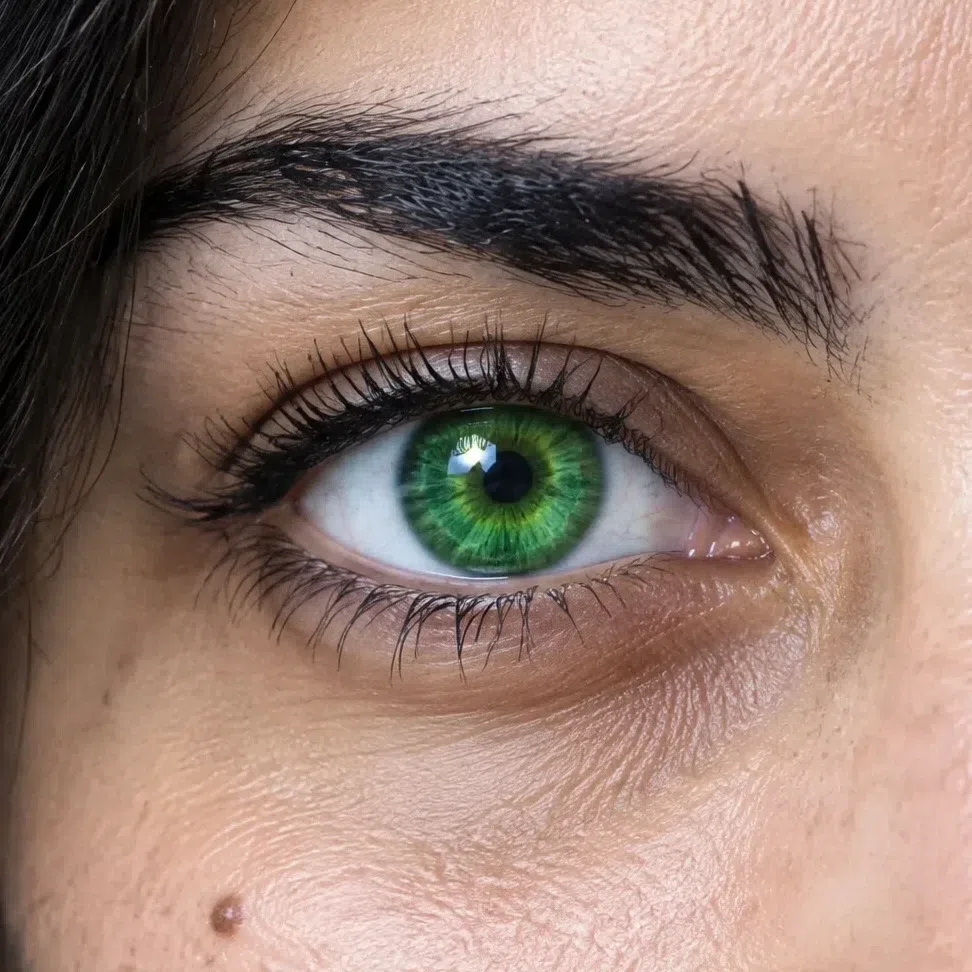
33. Hair: deep color with a cool shine
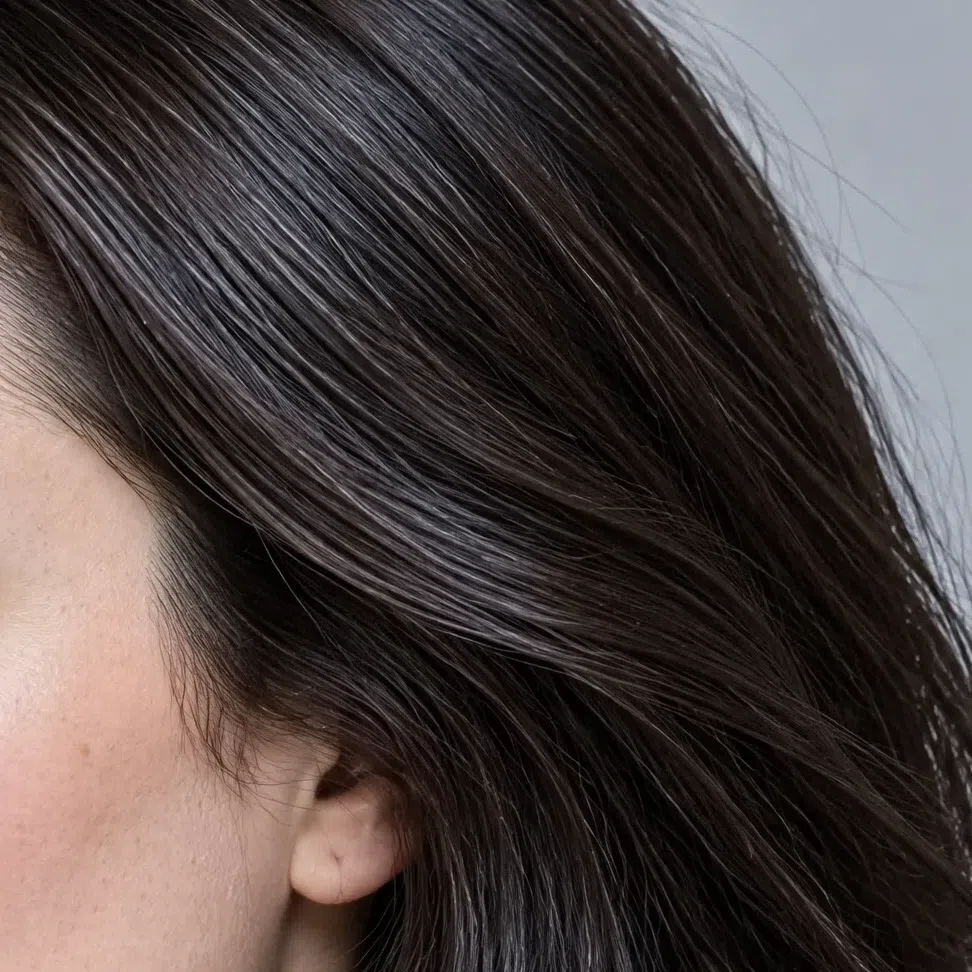
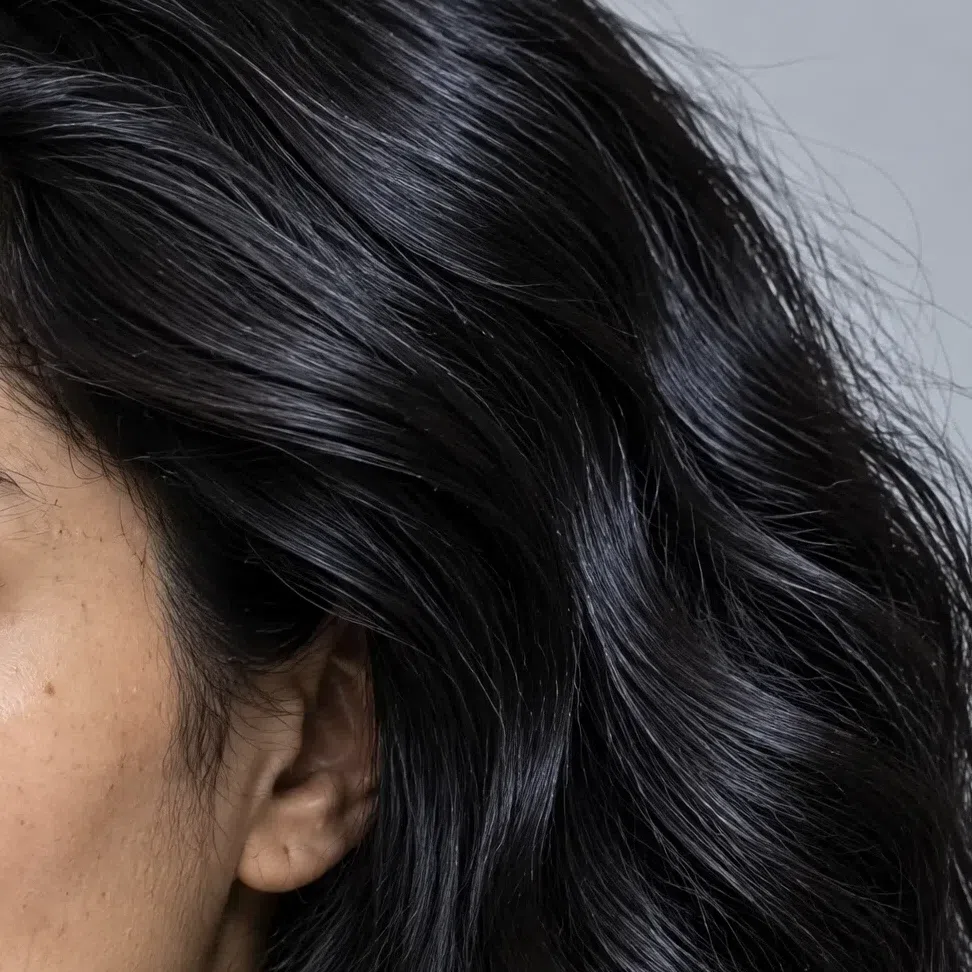
Natural Bright Winter hair is dark and cool, and it tends to shine. Red, copper and gold do not appear in it, even in full sun.
Most often it sits between medium brown and blue-black, up to the raven's-wing black of the fairy-tale picture. Lighter brown does occur, and when it does it carries an ash cast rather than a golden one. At any depth the color looks dense and saturated, and that density is what builds the contrast against the skin.
Natural blonde is a genuine rarity on this coloring. Light hair with bright eyes, on someone clear colors suit, more often turns out to be Bright Spring - the same clarity carried by a warm palette.
Years of hair color? Your brows and the first half-inch of regrowth are the honest record. A honey gloss laid over dark hair can pass a Bright Winter off as a spring until it washes out.
Dark with a cool shine: this page. Light and golden with the same bright eyes: read Bright Spring before anything else.
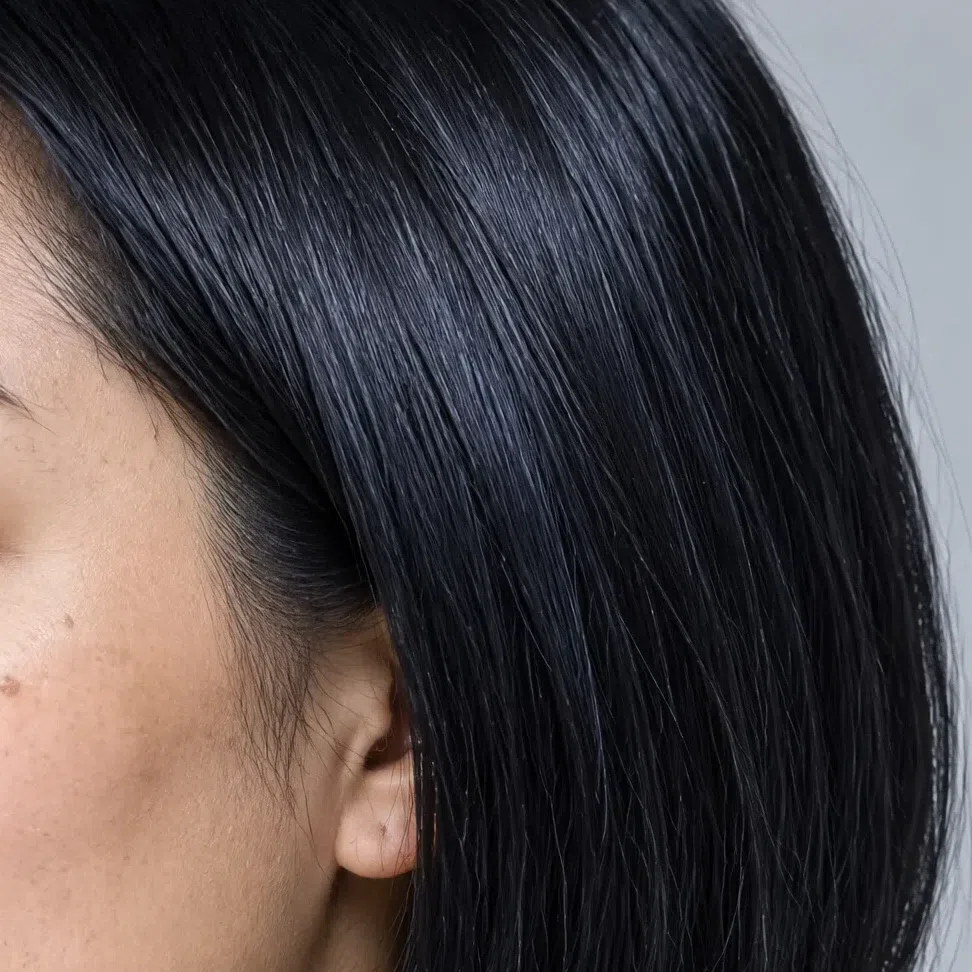
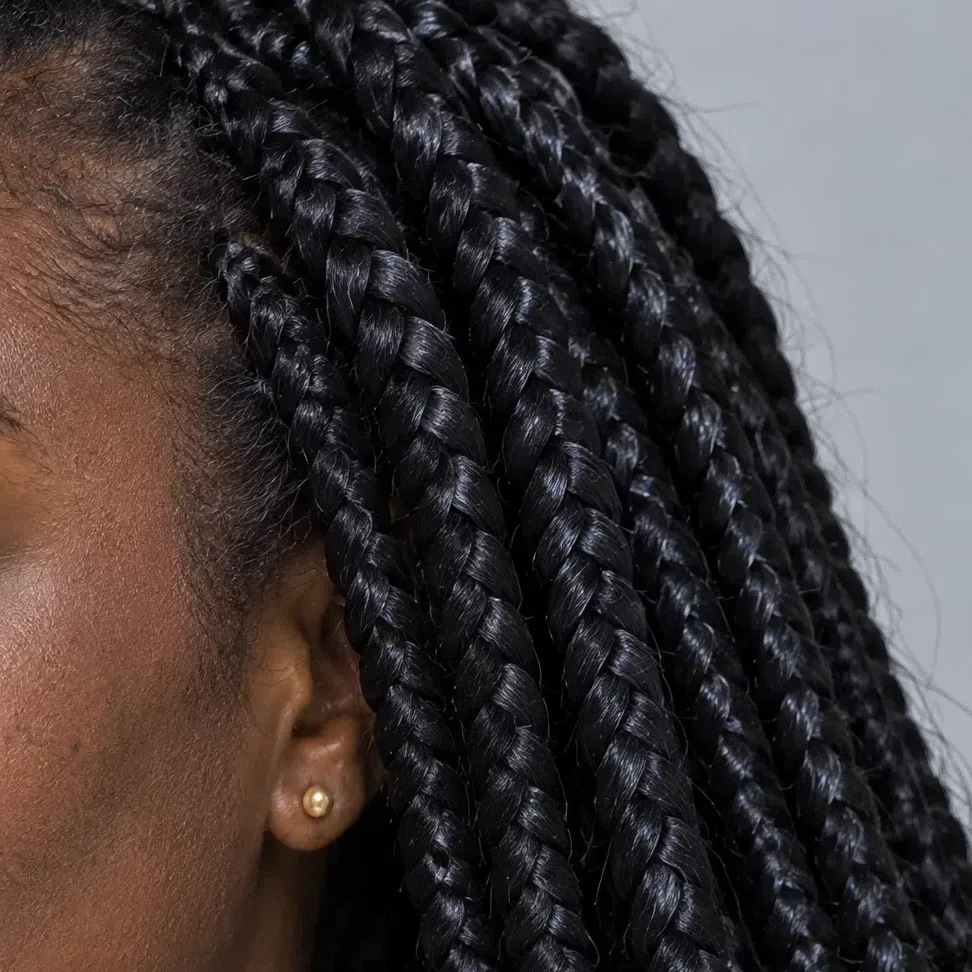
44. Contrast: the highest of all twelve
This is the trait that defines the subtype, ahead of temperature: a big, clean jump in lightness from hair to skin to eyes.
Picture Snow White - dark hair, light skin, bright eyes. That is the textbook Bright Winter, though not the only version. On deeper skin there is less distance between hair and face, so the contrast shifts into very dark hair, sparkling eyes and brilliant whites. It stays high; it simply lives in different features.
That contrast is why this face can carry colors that swamp other people. Pure black beside white, a ruby top, an electric blue coat: on a softer coloring those become the loudest thing in the room, while here they only match the intensity the face already has. It is also why pastels and dusty shades fall flat - they are quieter than the face above them.
Among the winters the contrast is built from different material. A Deep Winter builds it from darkness and a Cool Winter from cold purity. Here it comes from clarity: the eyes, and the colors that suit them, are brighter rather than darker.
Cool undertone plus high contrast is a winter. Contrast that comes from bright, clear eyes and color, rather than from sheer darkness, makes it this one.
- Take a makeup-free portrait by a window, then turn it black and white. High contrast shows as near-black hair, light skin and eyes that land at one end of the scale or the other - very light or very dark, not a middle gray. Features that merge into neighboring grays suggest a softer season.

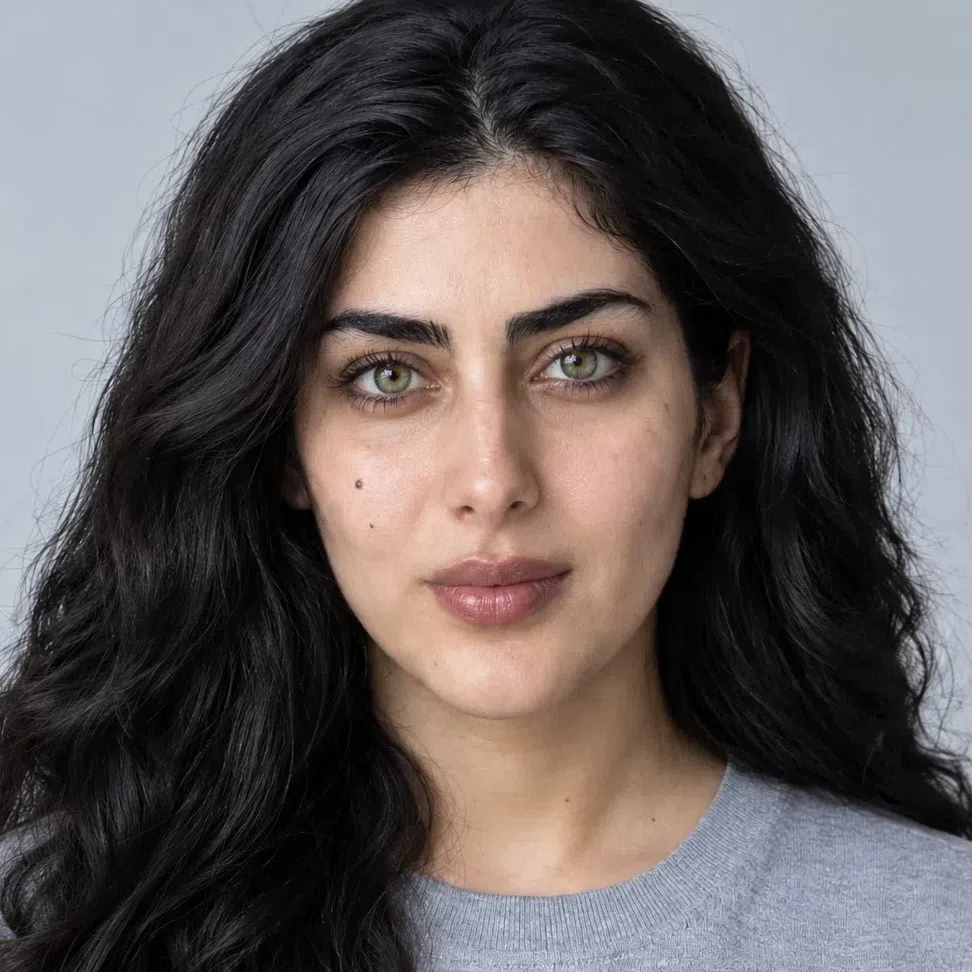


On the left is the fair woman from the contrast strip, untouched. On the right is that identical frame with the hue taken out, which leaves lightness and nothing else - and her hair falls nearly to black while her face holds high on the scale.
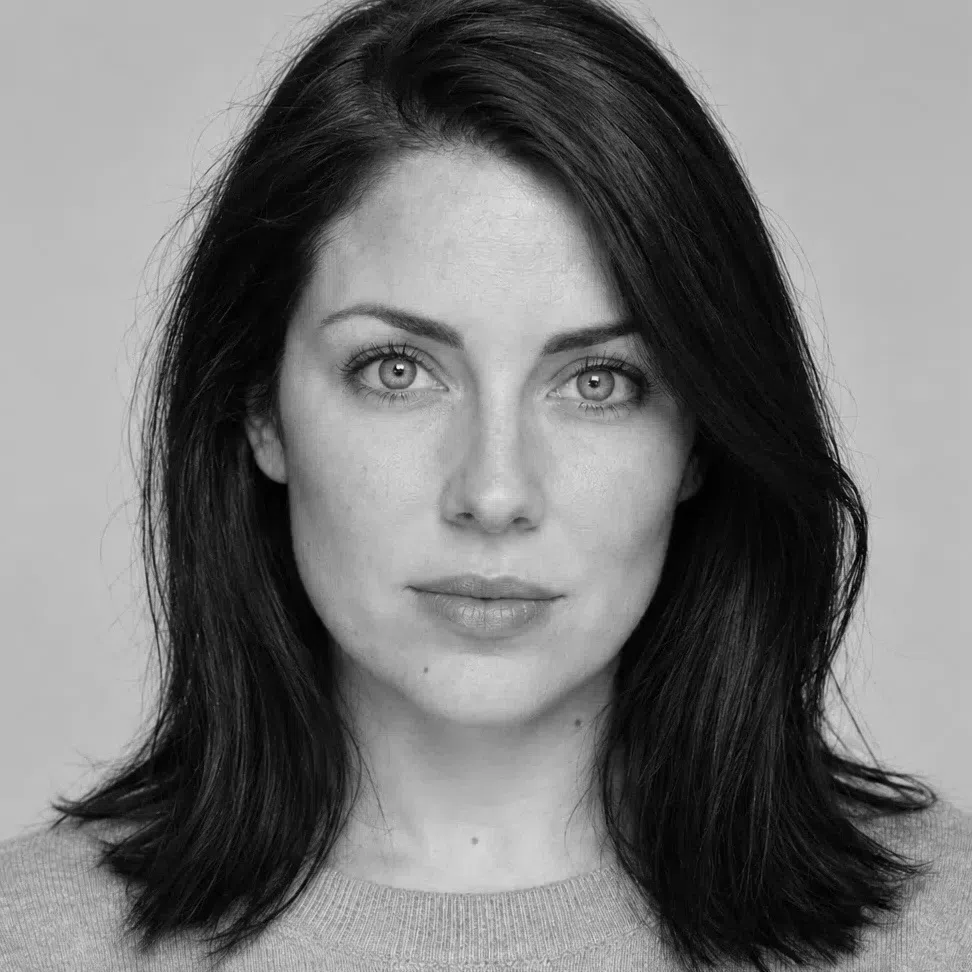
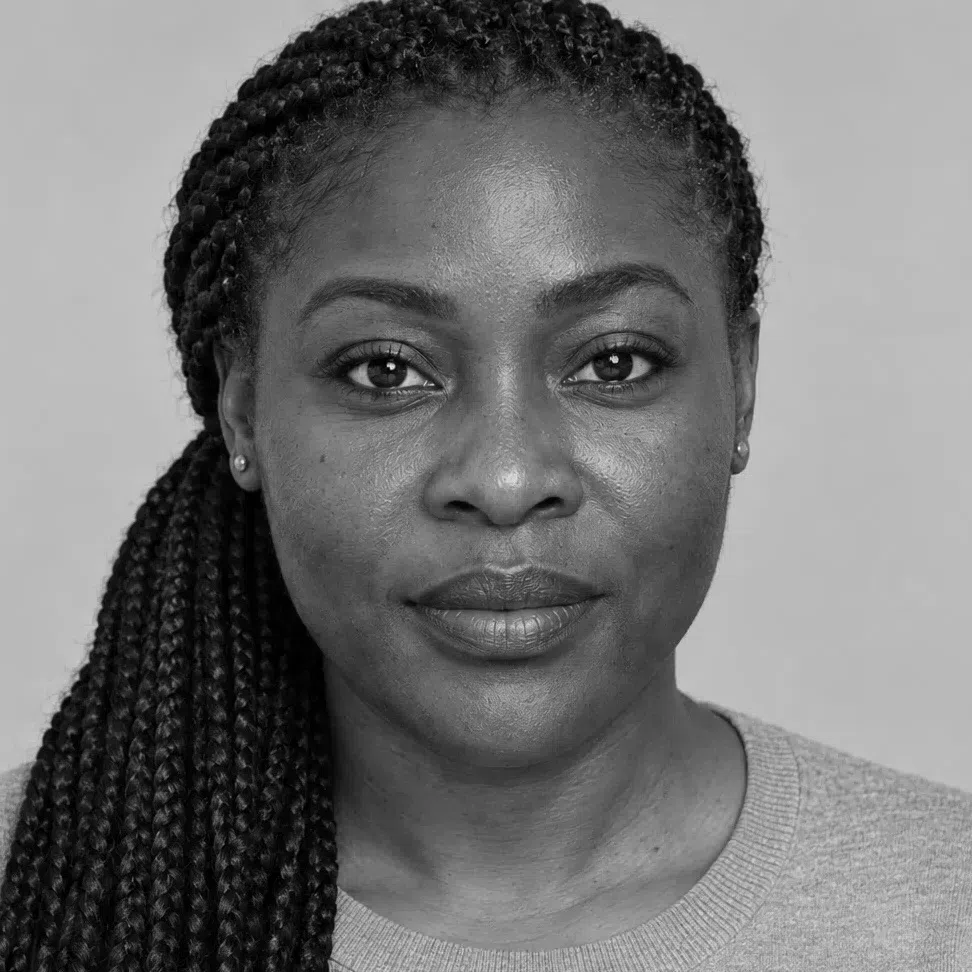

Hair Skin Ramp runs black to white
Read each ramp on its own terms. Where the markers sit is depth; the distance separating them is contrast - and that distance is no ranking, because a darker complexion starts with less headroom on the scale. The woman with braids starts much lower, yet her hair still reaches black. Soft Summer is the true opposite of this subtype - cool too, but muted and low-contrast - and her two markers nearly touch.
55. The fabric test: watch what color does to your face
The most direct check needs only a mirror, daylight and a handful of colored tops or scarves.
Bring them up under your chin one at a time and keep your eyes on your face, never on the cloth. A shade that belongs makes the skin look fresh and rested and the eyes more vivid. The wrong one makes the face look tired or gray and sends the eye to every shadow.
Expect the result that surprises most people: the loudest colors in the pile win. The shades usually sold as safe and flattering - muted pinks, oatmeal beiges, soft khaki - are exactly the ones that drain this face.
That includes the classic beige trench. Warm and muted at once, it works on you like a sepia filter, dulling the skin and the eyes together. The same coat in Optic white, Jet black, Charcoal or Midnight does the opposite.
Colors that make you look brighter
If these make your skin look clean and your eyes more vivid, you are very likely a Bright Winter:
- Optic white
- Ruby
- Jewel green
- Ultramarine
- Hot magenta
- Icy blue
Colors that steal the brightness
If these flatten the skin and tire the eyes, keep them away from your face. Not one is too strong - each is too muted or too warm:
- Mustard
- Rust
- Khaki
- Beige
- Dusty pink
Bright Winter vs Cool Winter vs Deep Winter
Every winter is cool with visible contrast, so the argument is rarely about the season - it is about which winter. Each subtype is named after its dominant trait, and for Bright Winter that trait is clarity. On the other names you will meet: Bright Winter is also Clear Winter, Cool Winter is also True Winter, and Deep Winter is also Dark Winter.
| Bright Winter | Cool Winter | Deep Winter | |
|---|---|---|---|
| Leading axis | Clarity. Brightness first, cool second | Temperature. Cold before all else | Depth. Darkness leads |
| Temperature | Neutral-cool | Purely cold, no neutral lean | Neutral-cool |
| Depth | Dark hair, skin porcelain to deep | Medium to dark hair | The darkest hair and eyes |
| Clarity | The highest - vivid and never dusty | Clean but restrained | Rich and deep rather than vivid |
| Contrast | The highest of all twelve | Medium to high | High, weighted toward dark features |
| Skin | Clear and luminous: pink-cool or cool olive | Plainly cool: pink or blue-pink | Neutral, olive or beige, often a little veiled |
| Eyes | Jewel-bright: vivid blue, violet, emerald, clear brown | Cold and clear: steel gray, blue, cool brown | Dark: near-black, deep brown, dark hazel |
| Hair | Dark brown to blue-black, glossy | Ash brown to blue-black | Very dark: black-brown to black |
| Metals | Silver, platinum, white gold, bright stones | Silver, platinum | Silver, platinum, darker metals |
If two columns both still fit, skip the detail and return to the first row. Pick the single word that describes your coloring before any other - vivid, cold or dark. Vivid keeps you here.
Bright Winter coloring: the range inside the type
Twelve close-ups, four women, one clear cool base
No two Bright Winters look alike. The skin can be translucent porcelain, a clean cool olive or deep brown; the eyes run from electric blue to near-black; the hair from dark ash brown to blue-black. The five checks above compared you with other seasons. The close-ups below show how wide this one is, so you can find your own place inside it rather than matching a single face.
Bright Winter skin: clear first, cool underneath
Three skin types turn up on this subtype - near-translucent porcelain, a light beige with no yellow in it, and a cool olive that reads darker than the other two - and the range runs on into deep brown. What unites them is not lightness. It is the ability to stand beside very saturated color without being overpowered by it.
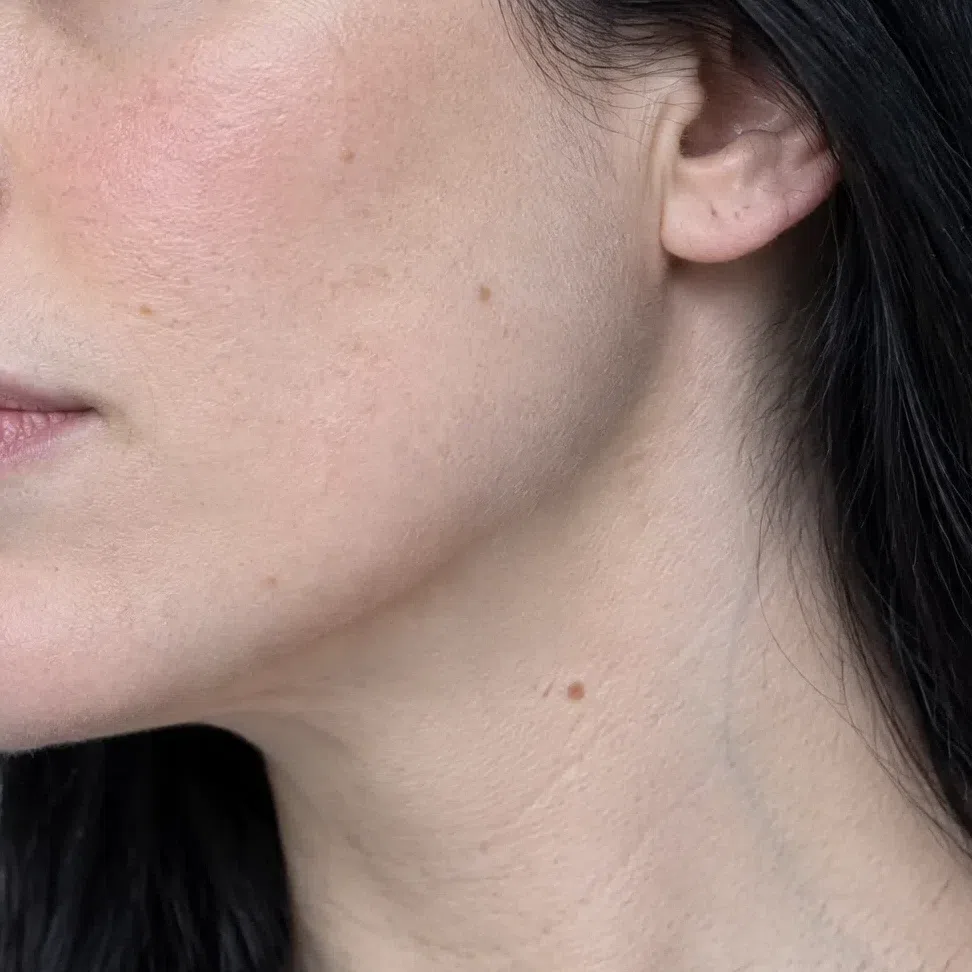
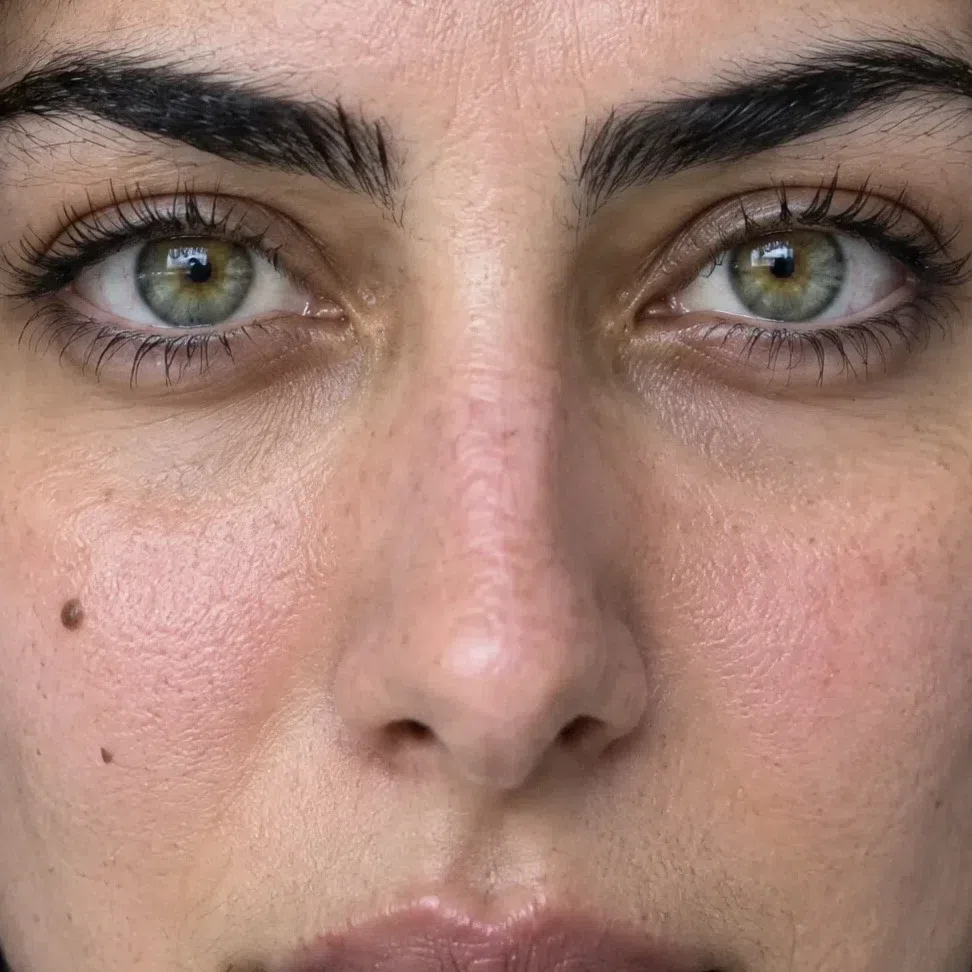
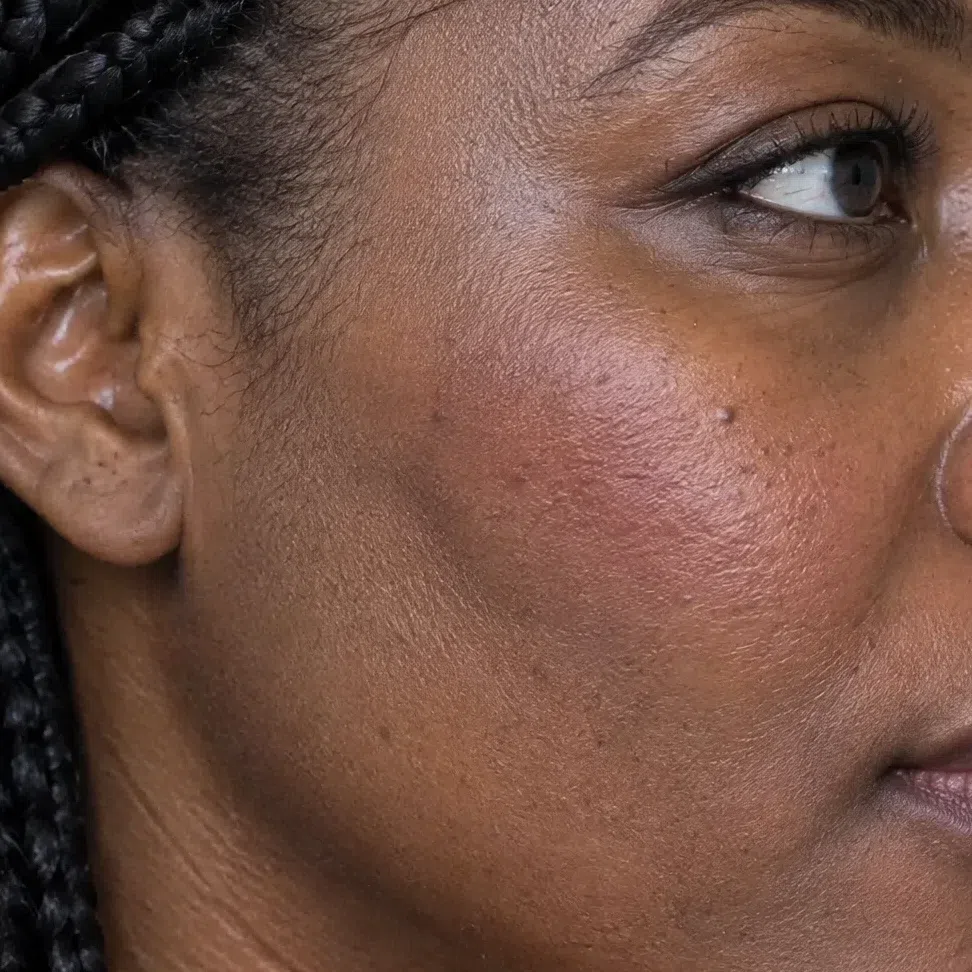
Yes, though freckles are rare on this coloring. When they do appear they are few and gray-brown, not ginger or gold. A face covered in warm, coppery freckles points toward the springs.
That clean, cool base is what lets this skin wear the boldest end of the palette. It also explains the makeup further down: blush and lipstick work in cold pinks and berries, while anything peach sits on the surface instead of melting in.
Bright Winter eyes: four clear colors
The eyes are the most expressive feature this coloring has. Whatever the color, the white around it is very white and the lashes are dark, so the iris reads as almost startling.
The four eye colors
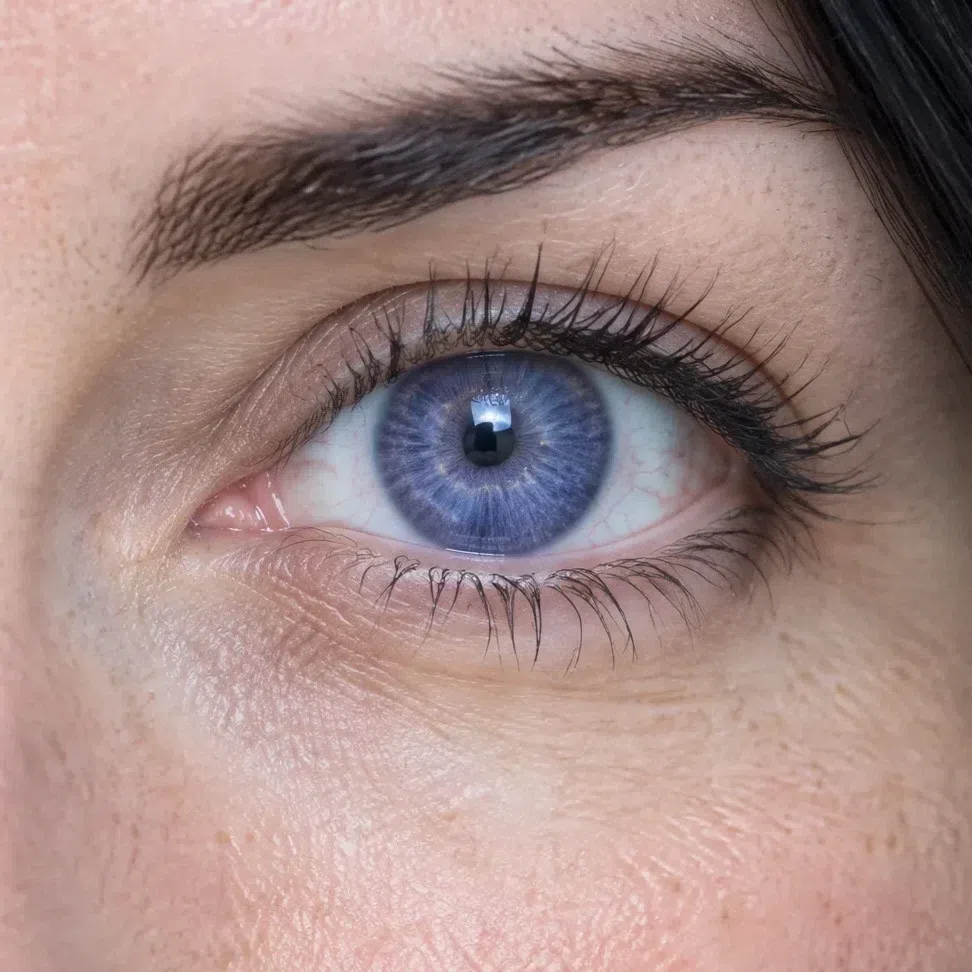
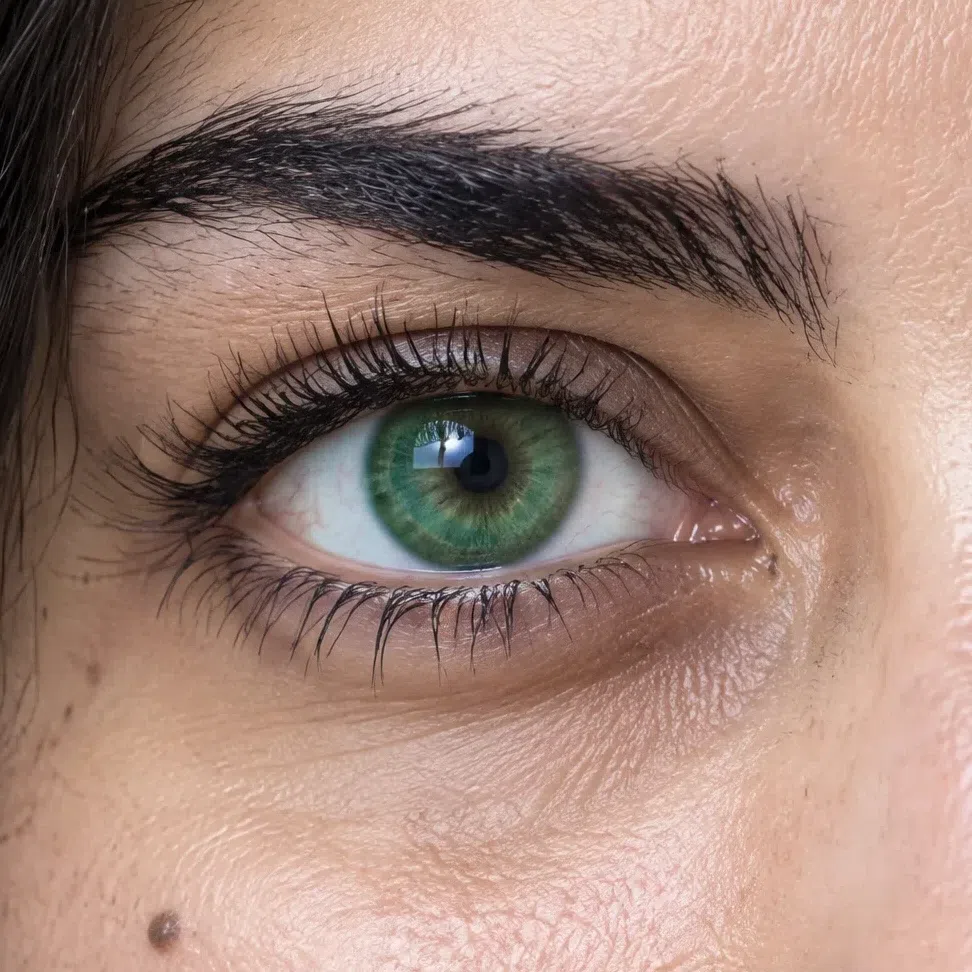
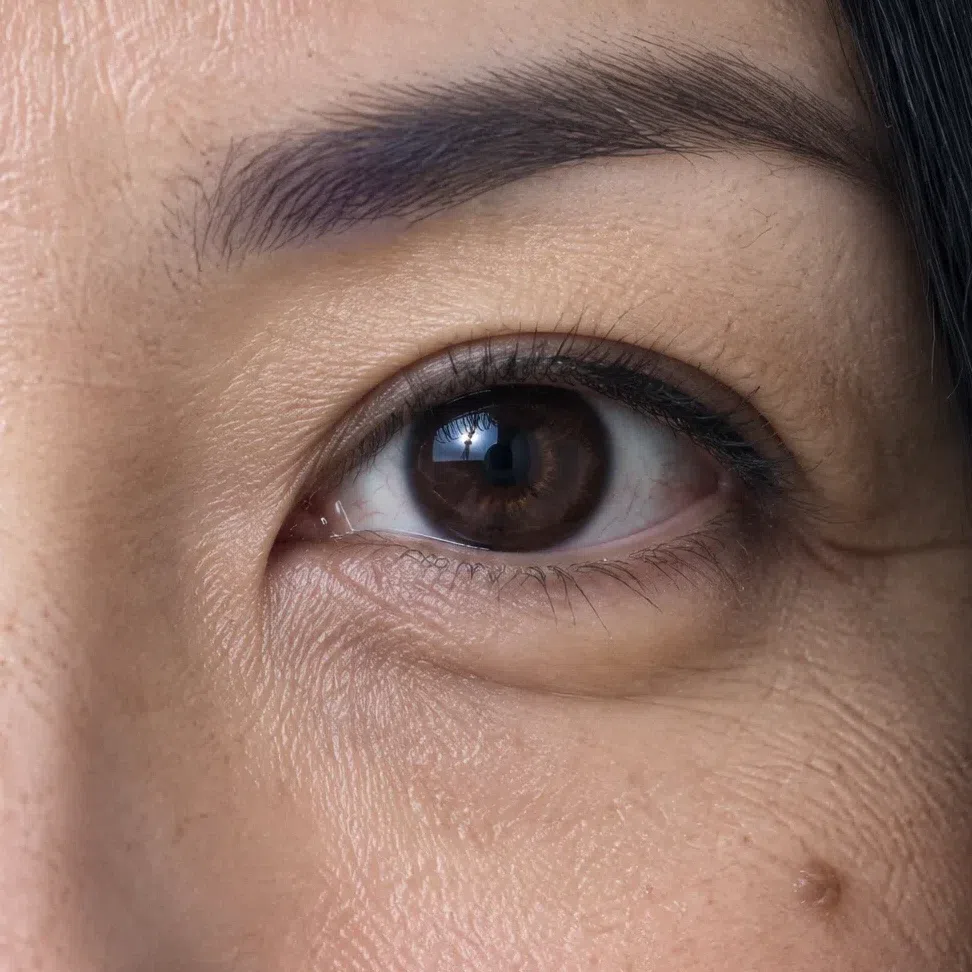
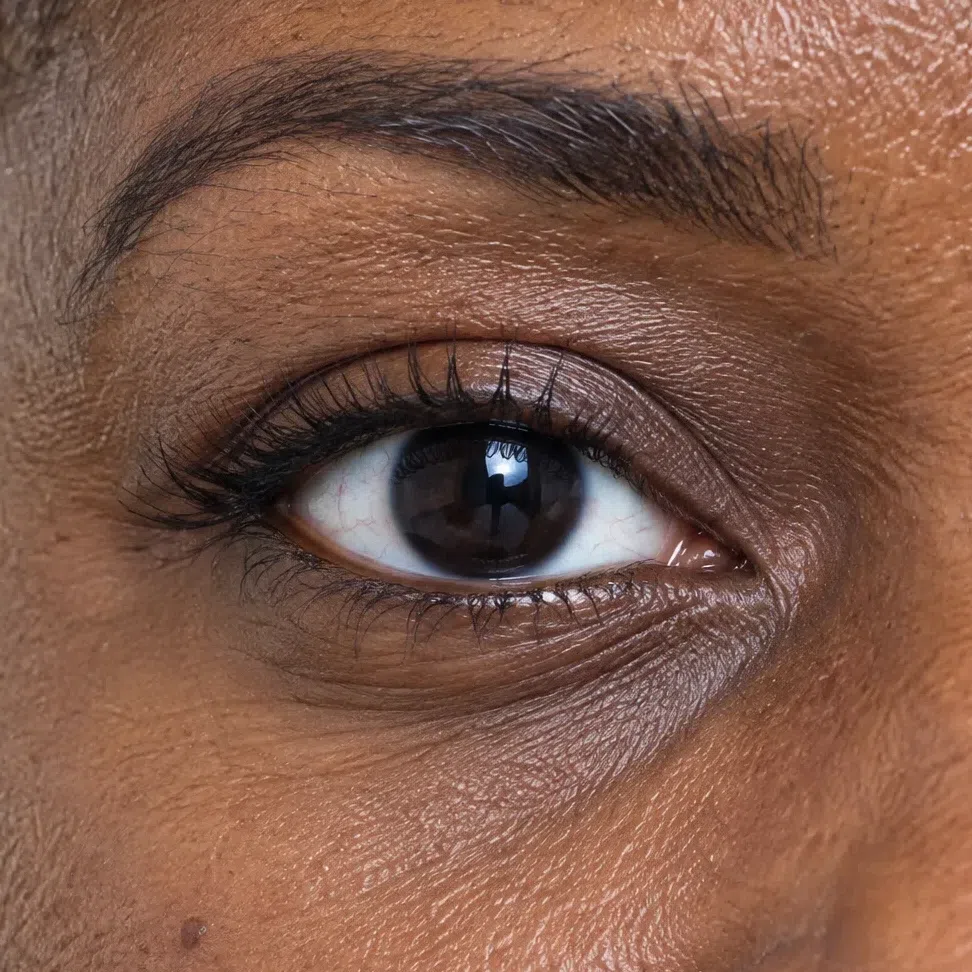
Eyes this clear can carry the boldest shades in clothes and makeup without being upstaged. Jewel colors near the face make them look brighter still; beige and khaki make them look tired.
Bright Winter hair: dark, dense and cool
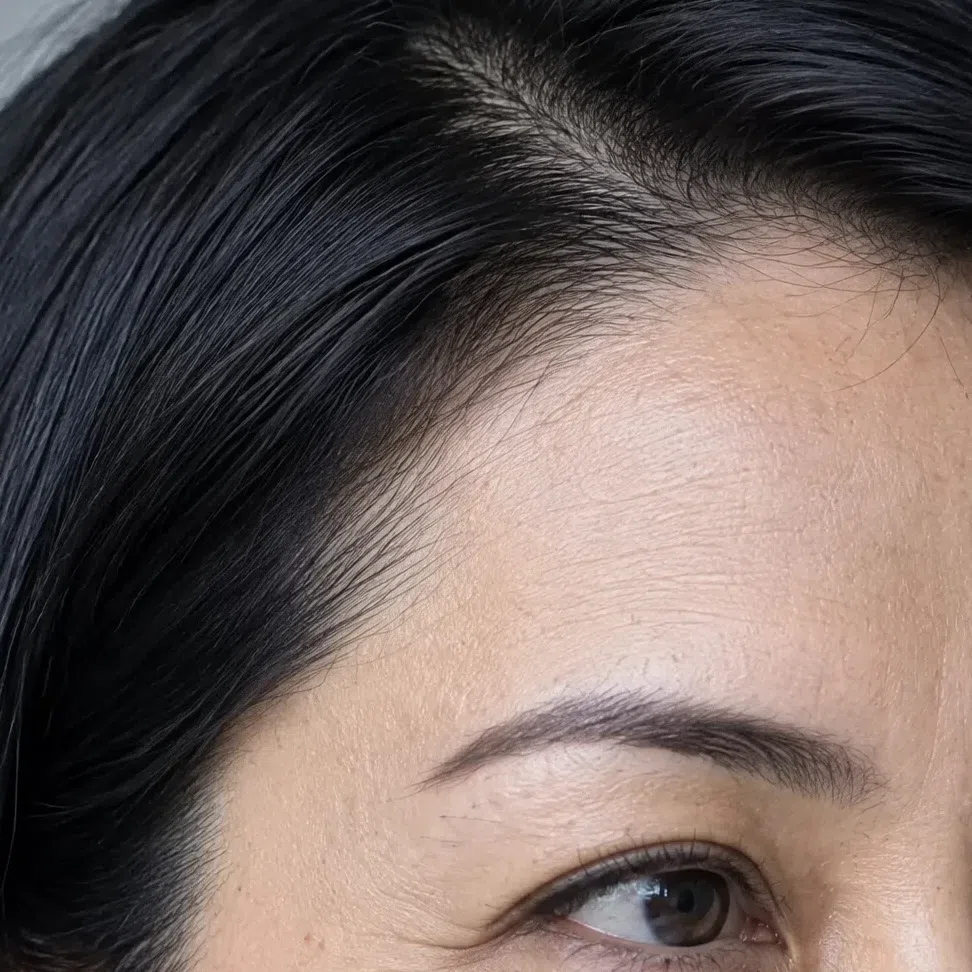
Natural hair on this subtype always has a cool or neutral base and a saturated color. Even where the shade is not the darkest, it never looks faded or mousy.
The four natural shades
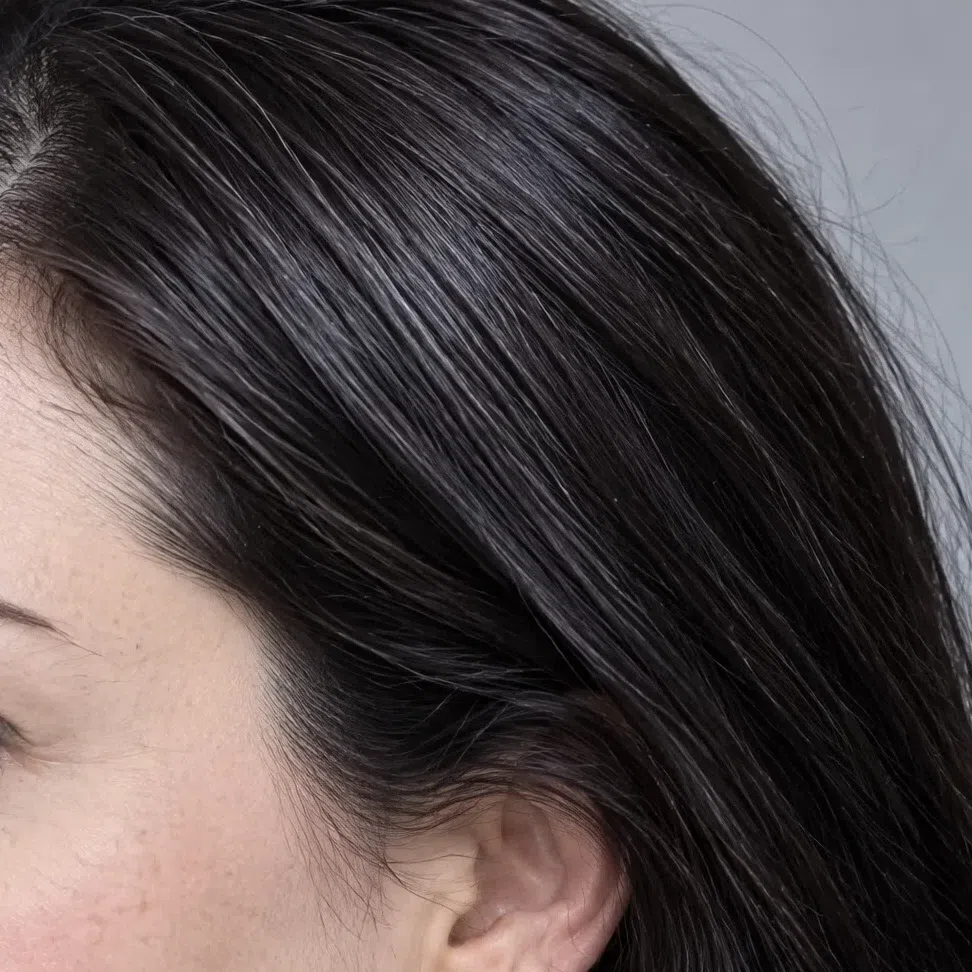
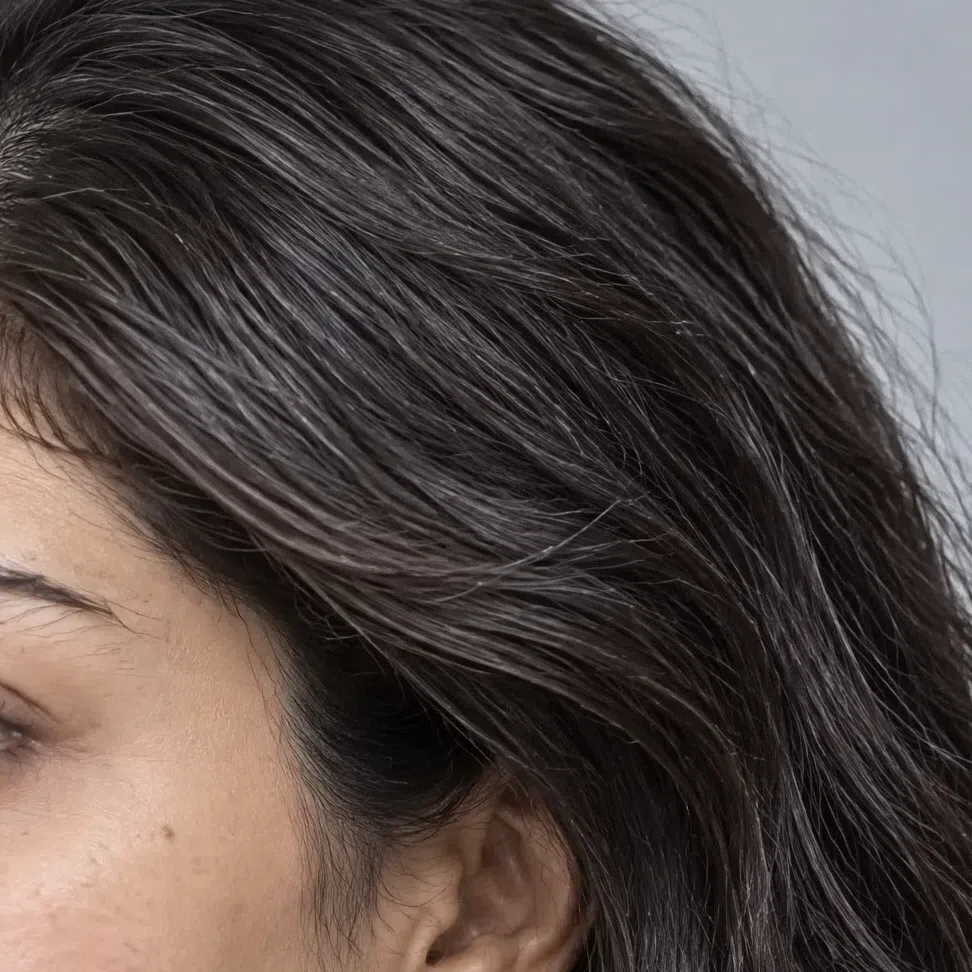
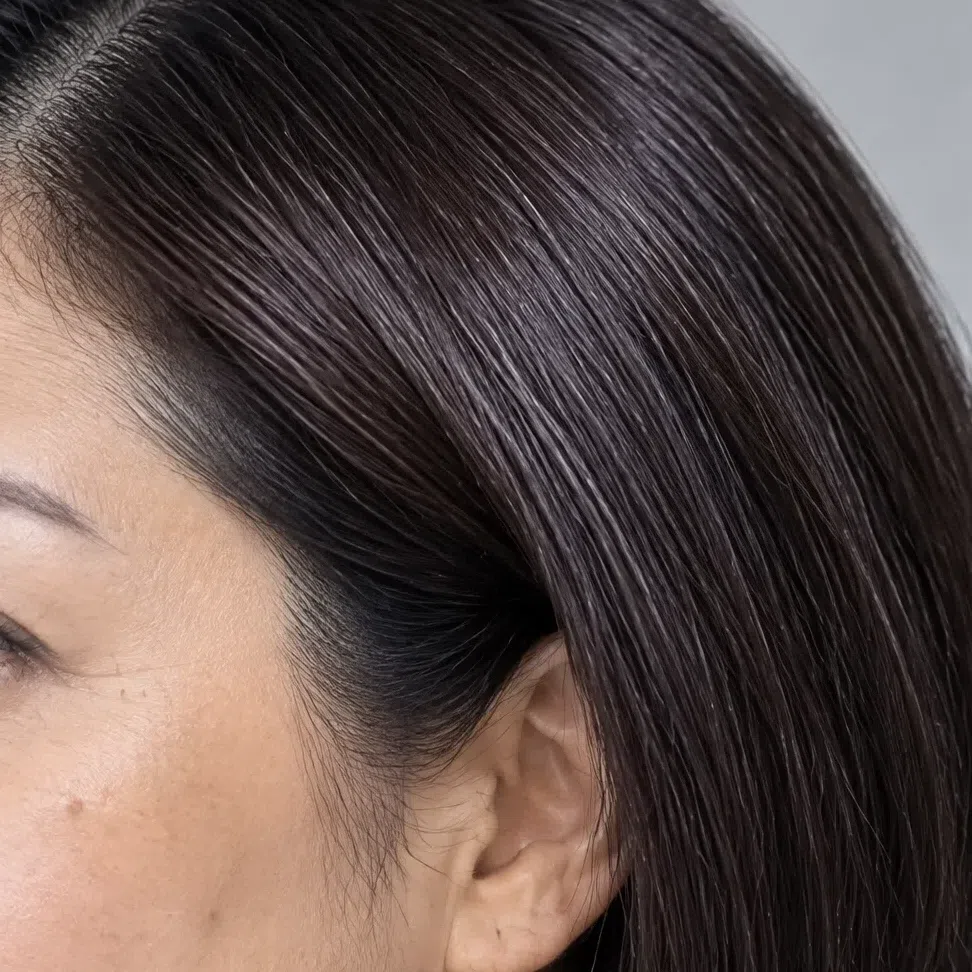
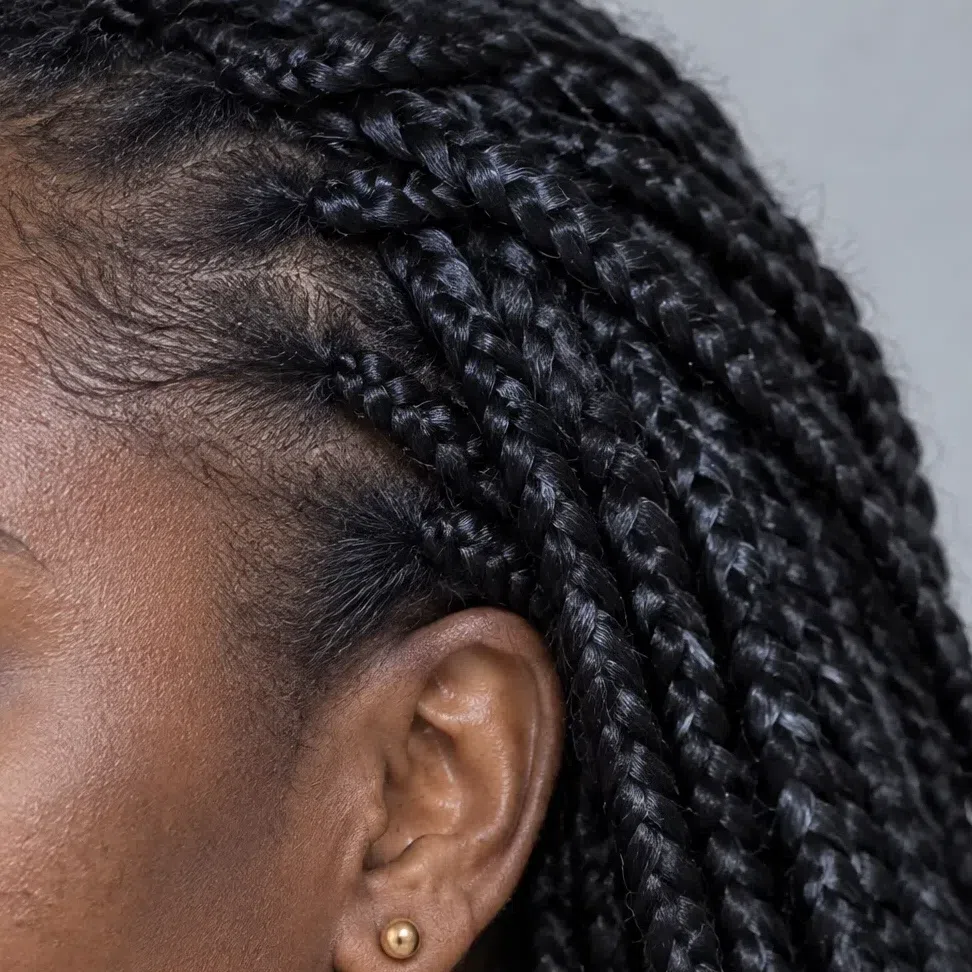
What Bright Winter hair never is
- Gold, copper or red. No warm pigment at all - no bronze glints, no ginger, no honey in the lengths.
- Light blonde. A natural light blonde would erase the contrast this type depends on, so it essentially does not occur.
- Mousy. Soft, faded, in-between browns are not part of this coloring. The color always looks deep and saturated.
Texture tells you nothing: straight, wavy and tightly coiled hair all belong. The saturated color is the finishing piece, framing bright eyes and clear skin into the vivid whole that gives the type its name.
The Bright Winter palette: all 22 shades on one face
Clear, cold and at full strength
The Bright Winter palette rests on three properties at once: cold, clean and strong. It is the one coloring that wears pure black, snow white and the jewel shades - ruby, emerald, sapphire, violet - equally well.
The rule running through all 22 reverses the usual advice. What dims this face is not brightness but dullness. Dusty, complex, earthy shades - the ones that flatter most people - look like faded fabric here. When a color comes in a clean version and a grayed one, the clean one wins every time.
None of these cards is a flat swatch. They show one Bright Winter model, her top recolored to the shade named underneath, her face and hair left exactly as shot. Read each card for what the color does to her skin and to the whites of her eyes. The three darkest neutrals lose the folds of the fabric, since a light top can only be recolored so deep - judge those by her face.
Base colors: what a Bright Winter wardrobe stands on
Uncompromising neutrals first, then the icy half of the palette. If it is white, it should be dazzling; if it is black, as deep as night. Together they are the backdrop the accents below need.
Neutrals: eight, from Optic white to Jet black
Clean, cold and high in contrast, with no beige and no warm brown anywhere in the base. Can a Bright Winter wear black? Yes, and right up at the collar: pure black beside white is the signature pair of this subtype, and very few colorings can wear the two together head to toe. On days when black feels too hard, Charcoal and Midnight are the alternatives - softer, and every bit as cold.
How to put the neutrals together
- Contrast first. Optic white with Jet black is the pairing everything else builds on, and the most flattering one this coloring has.
- Lay down a background. Charcoal or Midnight in the suit, coat and trousers calms a loud top or a bright bag without dulling it.
- Keep the base cold. No beige and no warm brown slips in, not even in shoes and belts - Steel gray and Gunmetal cover those jobs.
- Go total. Head-to-toe black or head-to-toe white looks striking and expensive on a Bright Winter, which almost nobody else can say.
Icy shades: the light half of the palette
A real part of this palette rather than a consolation prize. They are colors diluted with white instead of gray, which is why they stay crisp next to this face. The Bright Winter pink runs from Icy rose at its lightest to Shocking pink at full strength, and the Bright Winter green from Icy mint to Jewel green. None of the four carries a peach or yellow note.
Accent colors: full strength, no apology
Ten jewel shades at full voltage, then the two cold metals, then four accessories you can recolor with one tap.
Ten jewel shades
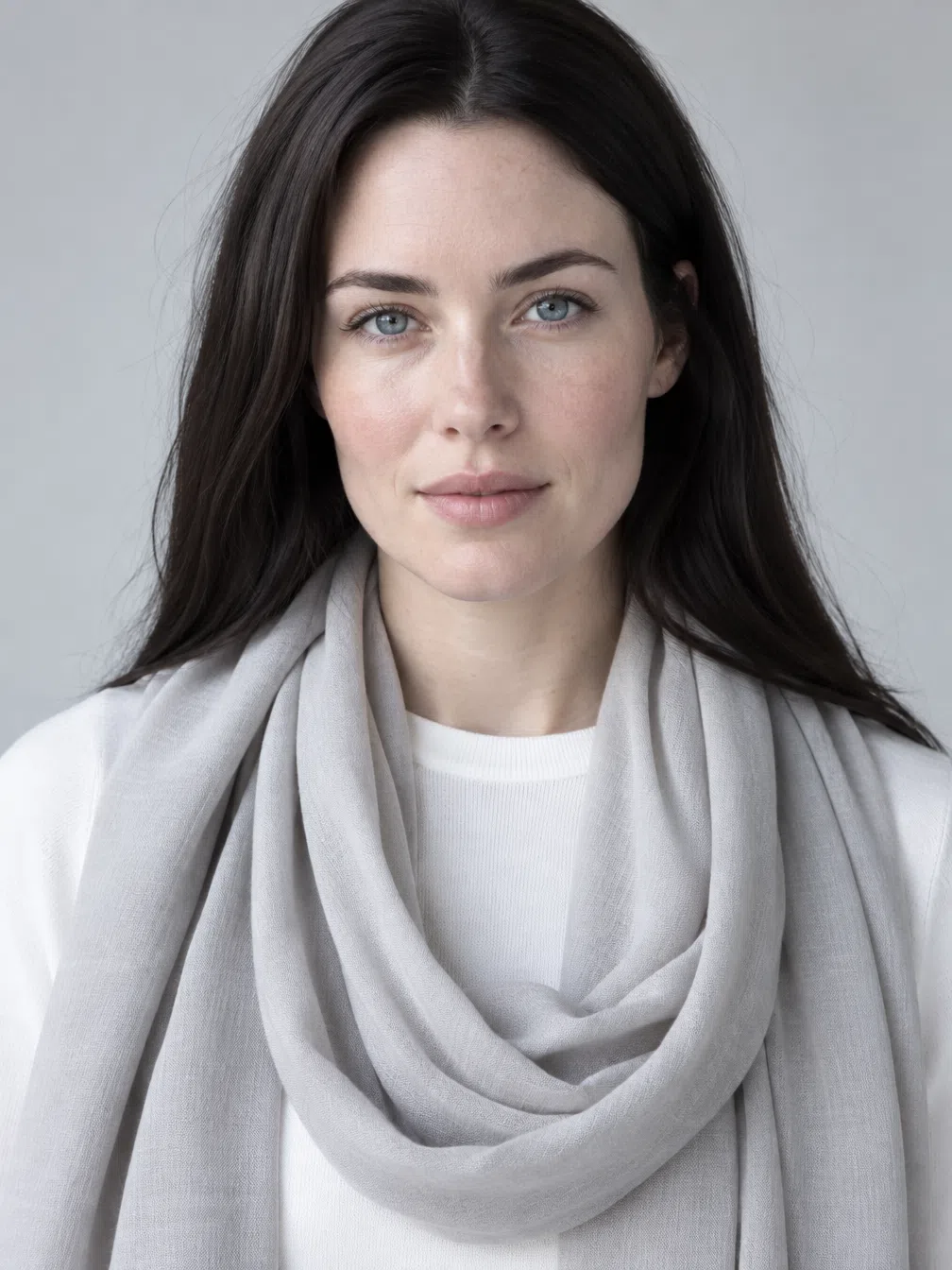
The heart of the palette. Wear them as dresses, suits and coats, not only as trim - the one condition is that the color stays clean, saturated and electric. Each card puts the accent on a scarf over a white knit, which is about the amount of it you would normally wear near your face. Further from the face, go as large as you like.
Metals: cold, and bigger than you think
Two metals, both cold. Silver is the everyday one; platinum is brighter and reads more expensive, and white gold belongs to the same family. A Bright Winter wears silver rather than gold - yellow gold sits on the warm side of the wheel and looks borrowed against this skin. Each metal is drawn as a sweep of light to dark, since a single flat tone would read as gray fabric.
Where the cold metals go
- Jewelry, and make it noticeable. Fine, delicate pieces get lost against this much natural contrast. Bold silver, large earrings and a statement cuff hold their own.
- Hardware counts. Buckles, bag clasps and shoe trims in a silver tone keep a cold outfit cold all the way through.
- Stones that act like accents. Clear rubies, sapphires and emeralds in cold settings do the same job the jewel shades above do in fabric.
Four accessories, four pairings each
A gray-and-white base, neutral in exactly the way this coloring needs: a cold gray argues with none of the accents. Each pairing you tap dresses the knit in a neutral and the accessory in a color at the same time. The closer a piece sits to your face, the more it matters - and on this subtype, unusually, that is no reason to tone it down.
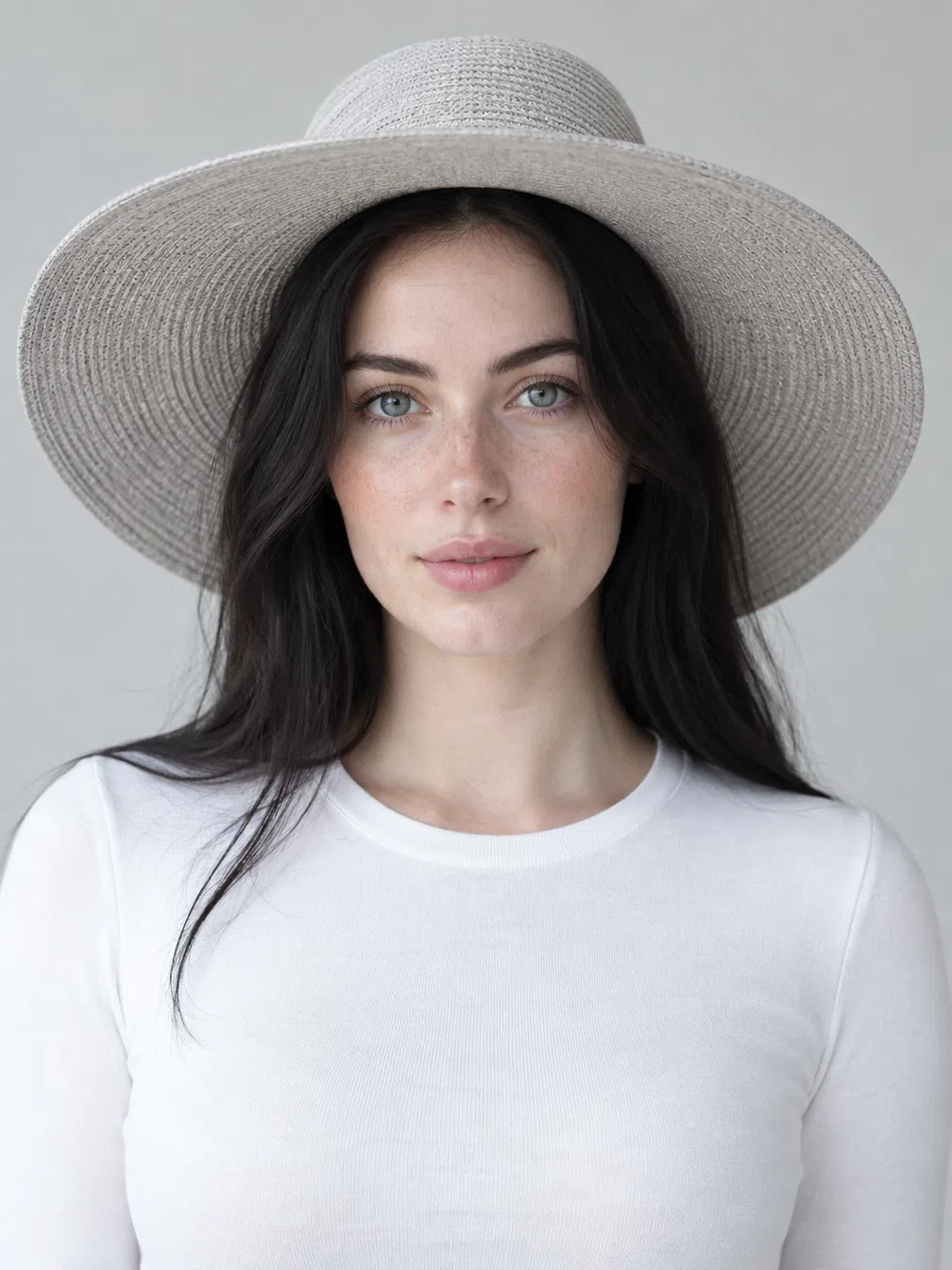
Hat
A hat holds its color farthest from the face, so this is the place for the strongest shades on the page.
Scarf
Worn this close to the skin, a scarf acts as a color test all day. For this type that is an advantage: contrast at the face is what the look runs on, not something to hide.
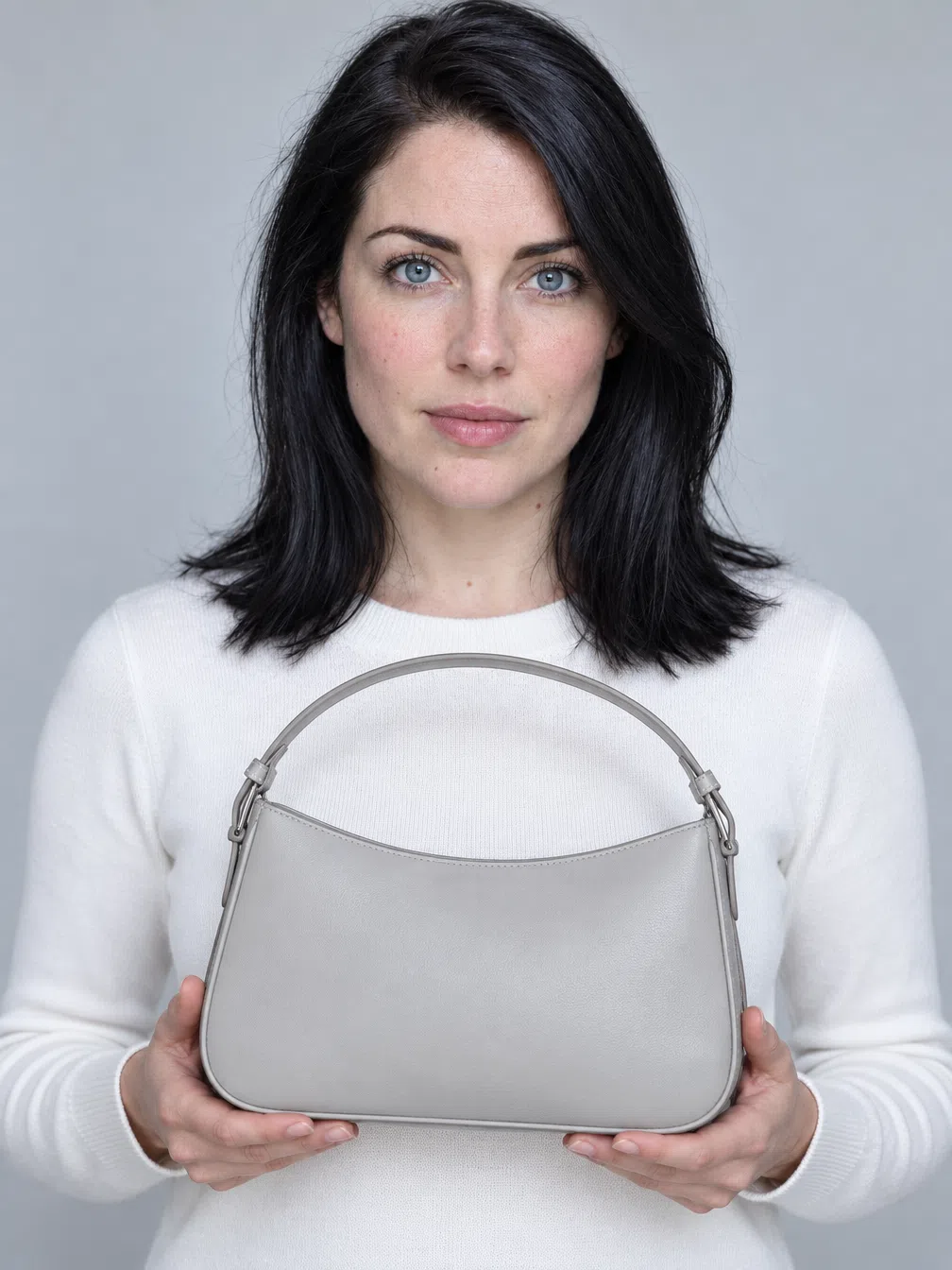
Bag
Well away from the face and no influence on the skin, a bag is the safest home for the loudest shade you own.

Neck scarf
The closest accessory to the skin - nearly as much a part of your coloring as your own skin. Icy and saturated shades both work here; muted ones are simply not in the palette.
Bright Winter colors to avoid
7 shades in 2 groups, shown on the same face as the palette above so the comparison is fair. Watch the skin and how sharply the features read, not the fabric: a muted color does not make this face plain, it blurs it - it eats the contrast that makes the coloring bright in the first place. Every card names a keeper to wear instead.
Muted and dusty: the group that does the most damage
None of these is dark and none is loud. Each shade has simply had gray mixed into it.
Why these do not work
- A clear face exposes the veil. Next to skin and eyes this clean, a dusty shade looks like fabric left too long in the sun. The gap in clarity is the first thing anyone notices.
- The contrast collapses. A mid-light, mid-muted shade lands between your hair and your skin in value and softens the step between them - the step the whole look is built on.
- The eyes lose their edge. Dusty color near the face takes the sparkle out of a clear iris and the brightness out of the whites around it.
Warm and earthy: an argument with the undertone
Here the problem is temperature, not intensity. A couple of these are properly bright; every one is built on yellow or orange.
Why these do not work
- Yellow lands on skin that has none. A pink-cool or olive-cool complexion has no gold to meet the warmth, so the warmth has nowhere to go but a yellowish film across the face.
- The shine goes out of the hair. Glossy dark hair reads dull and brownish beside orange-brown and yellow-gold fabric.
- The eyes turn murky. Clear blue and green irises pick up a yellowish reflection from warm fabric near the face and lose their jewel quality.
Bright Winter color combinations
Five ready outfits, every piece drawn from the palette above, with the swatches listed in dressing order.
Five formulas to wear as written
Three shades in two of them, two shades in the other three. Learn why they work and you can invent the sixth yourself.
Pure drama
An Optic white shirt, Gunmetal trousers and Ruby on the lips or the bag. The base trio of the whole palette.
Electric pair
An Ultramarine jacket over a Lemon top. A bold combination that only a very high-contrast face carries off.
Gem and slate
A Jewel green blouse under a Gunmetal suit - a case where the color does the work jewelry usually does.
Winter light
Optic white trousers, an Icy blue shirt and a French blue coat. A light outfit that never slides into pastel, because the blue holds it.
One color, two strengths
Hot magenta at the face and Icy lilac below it - the same family, saturated up top and diluted underneath.
What all five share is one strong difference: in lightness (black against white), in hue (blue against pink), or a neutral base carrying a single bright. What fails on this face is the in-between - two soft shades that meet halfway.
Bright Winter clothes and outfits: the capsule wardrobe
Eight pieces, clean lines, each on four complexions
For a Bright Winter, clothes are a way of matching the face rather than toning it down. Natural contrast and a cold, clear palette ask for garments that are just as saturated and clean, with sharp lines to carry the color. This part turns the palette into eight real pieces - a coat, a white shirt, a blazer, a dress, two pairs of trousers, a skirt and a sweater.
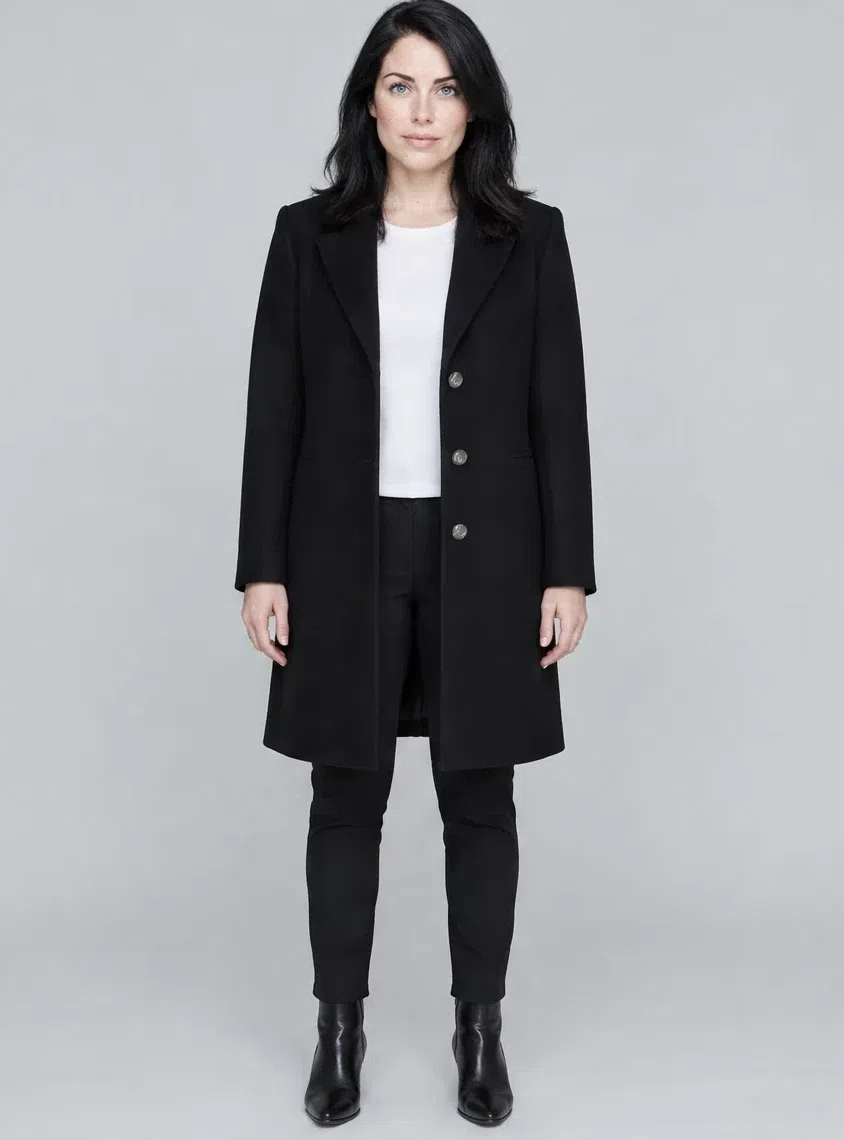
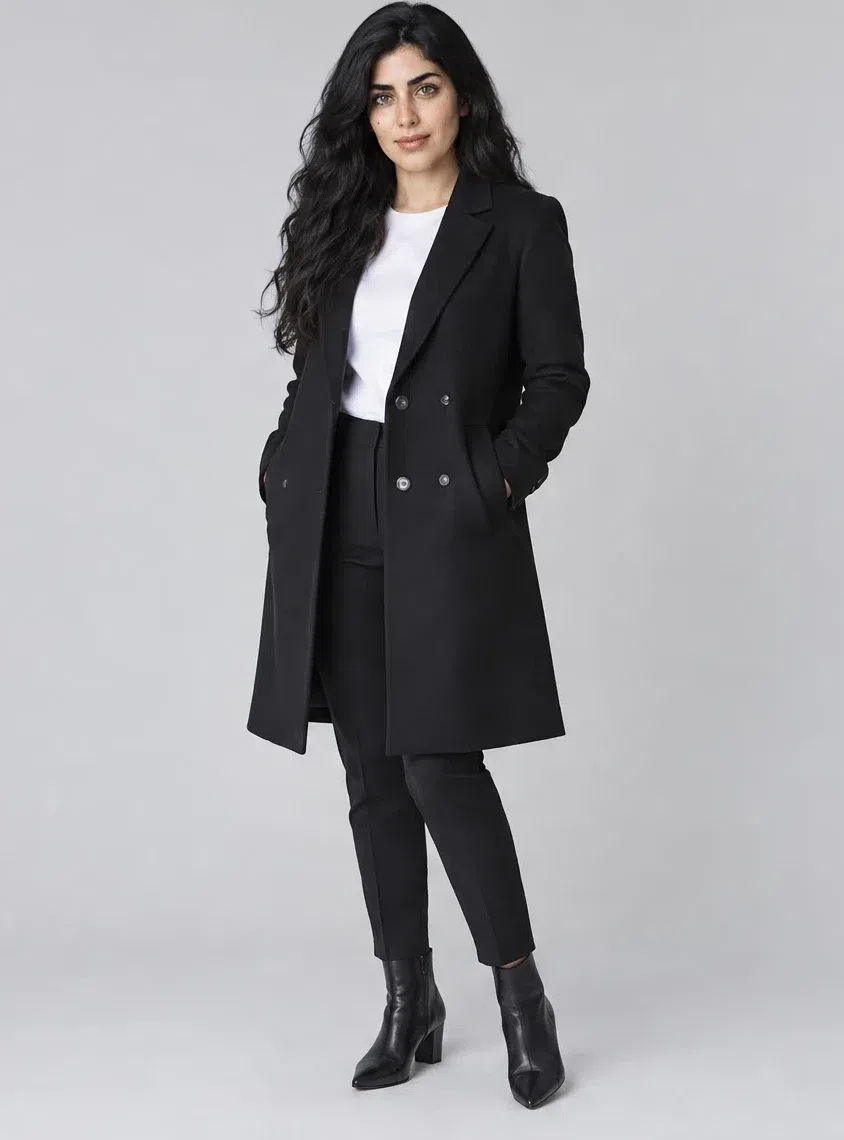
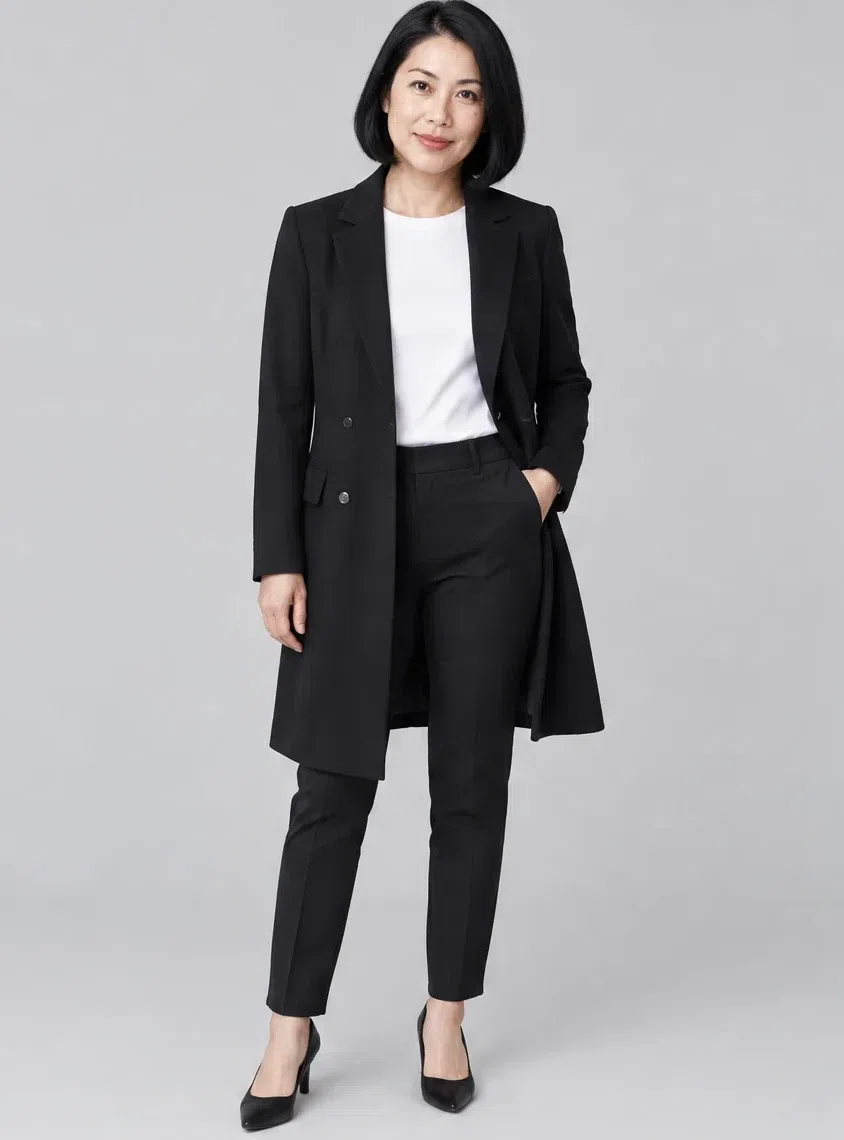
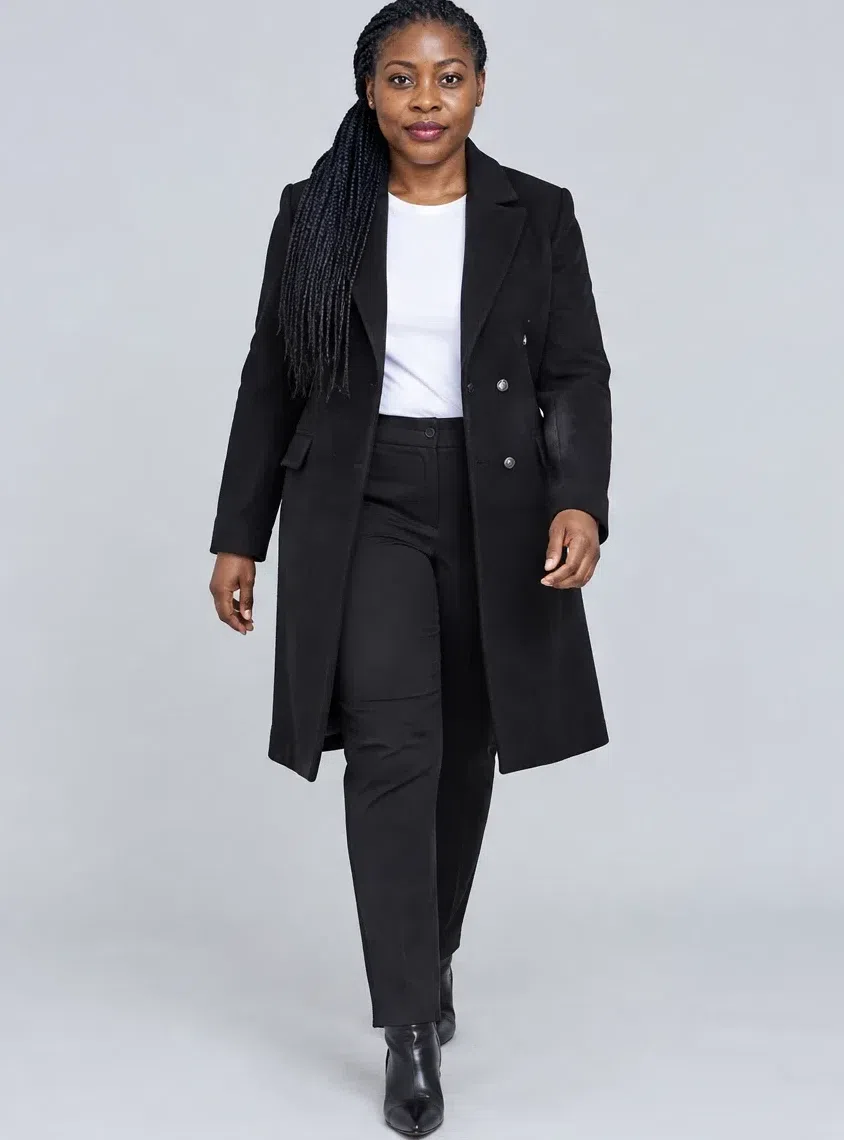
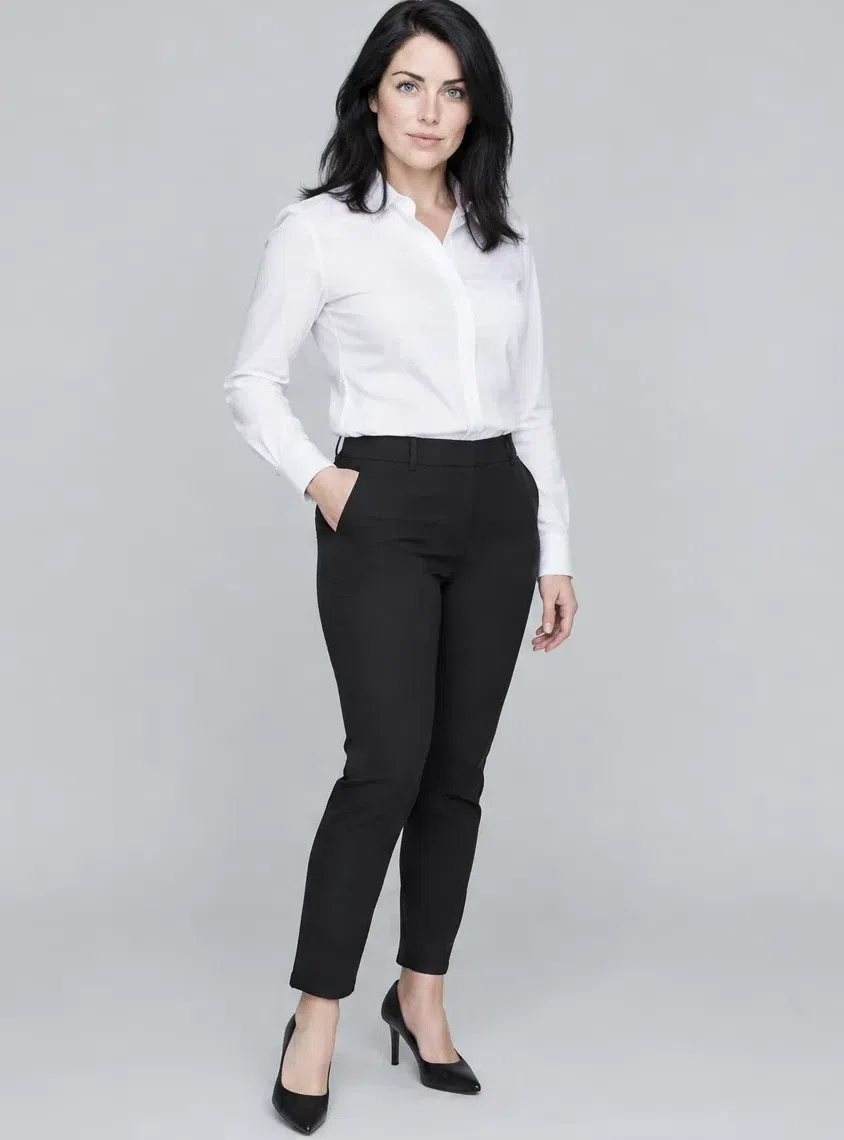
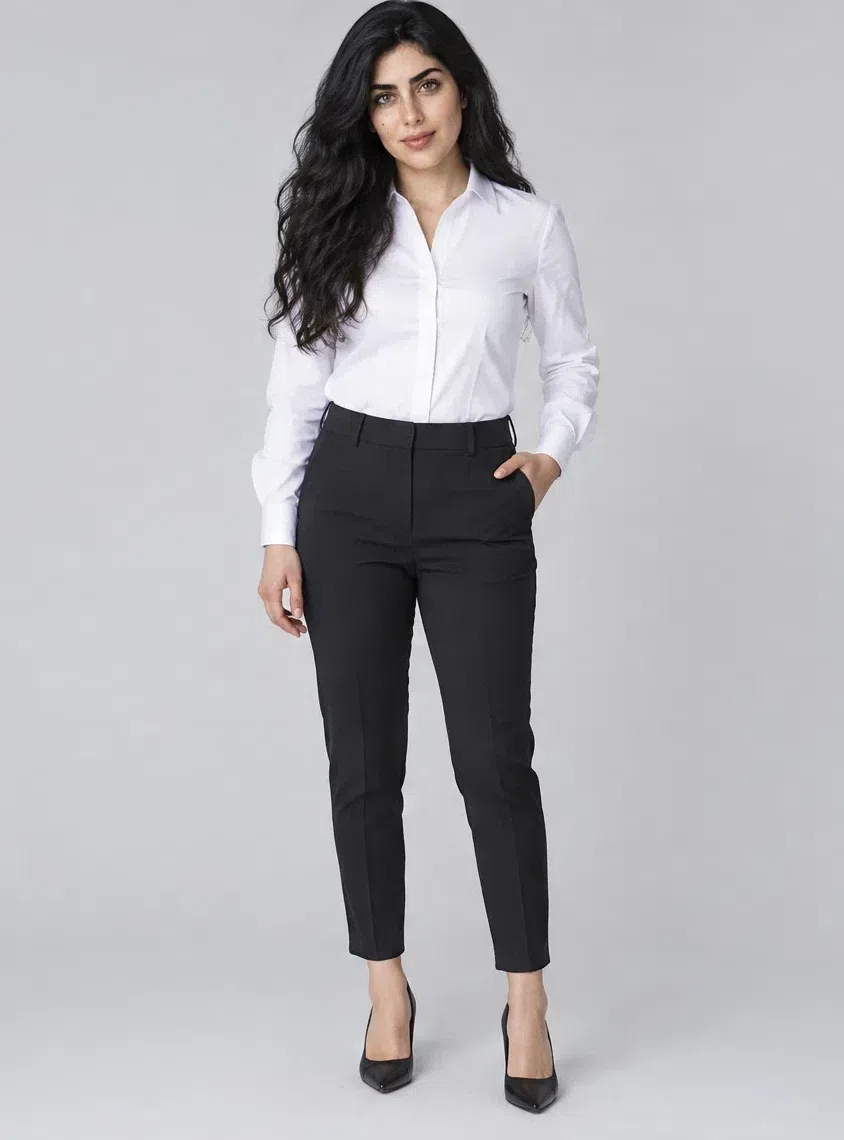
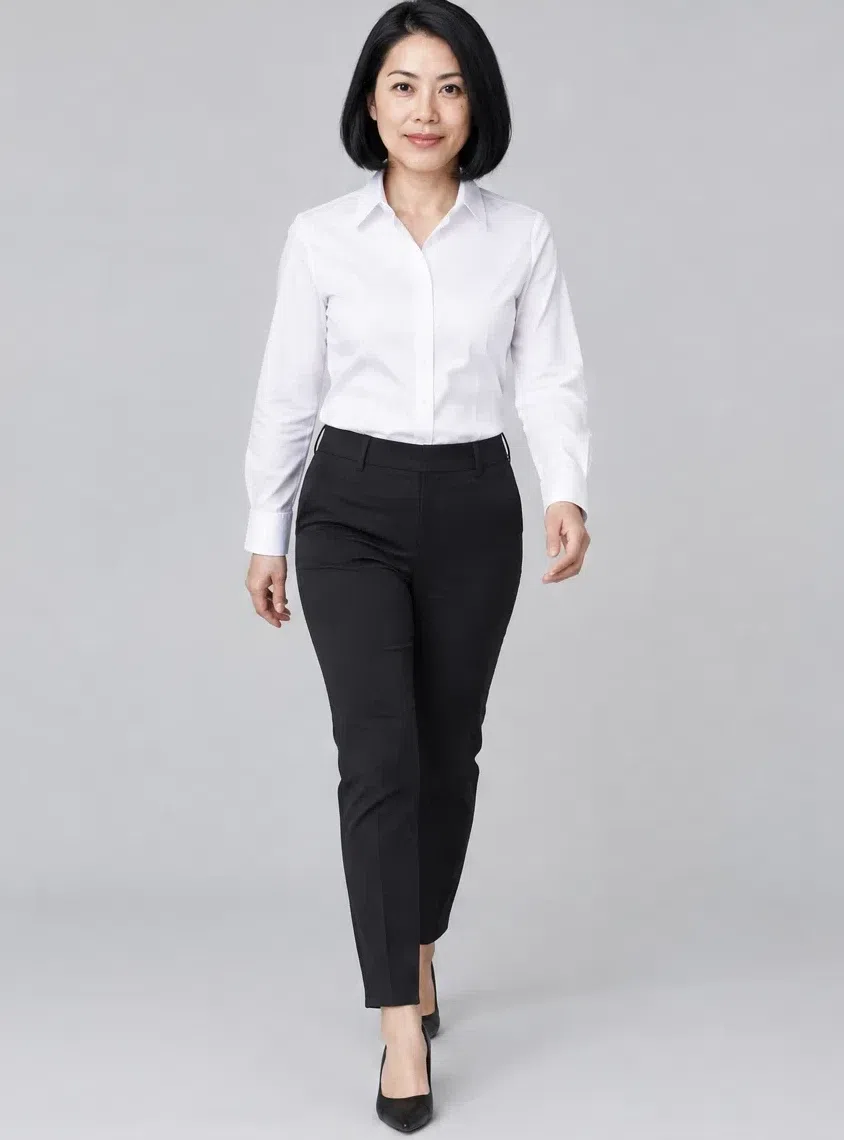
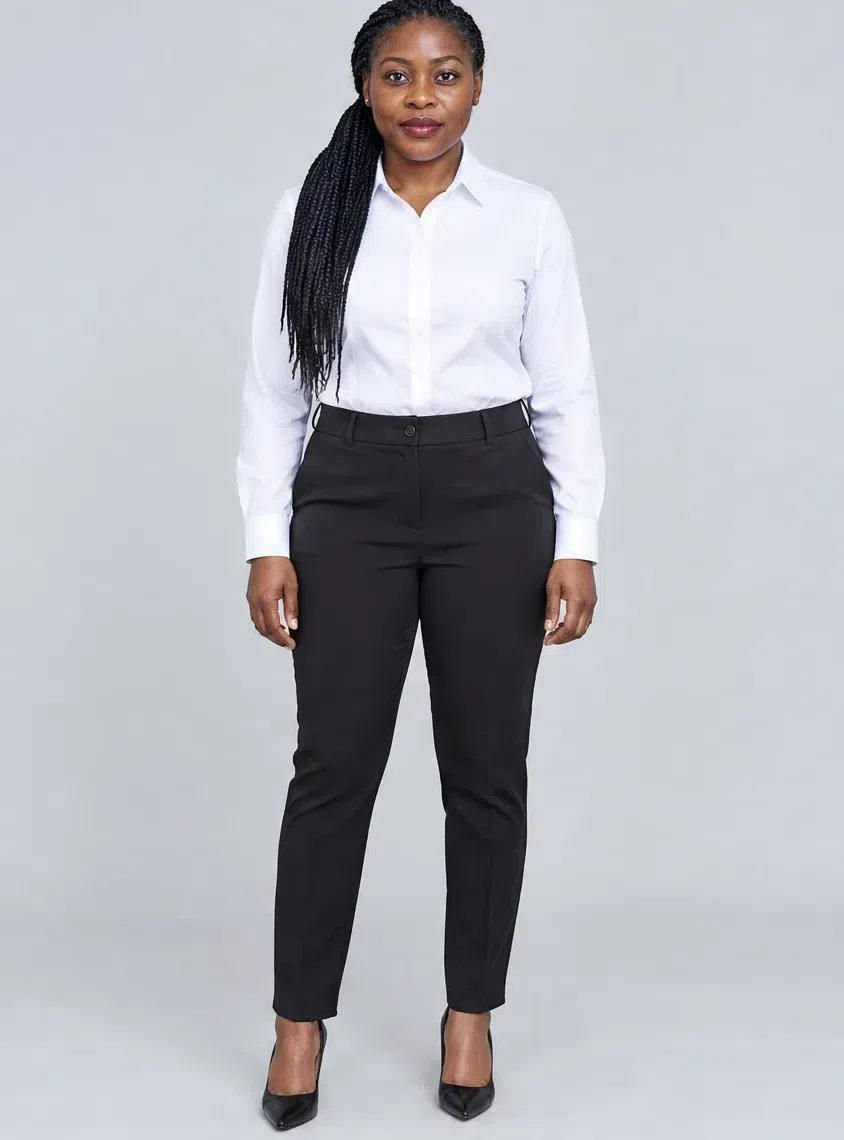
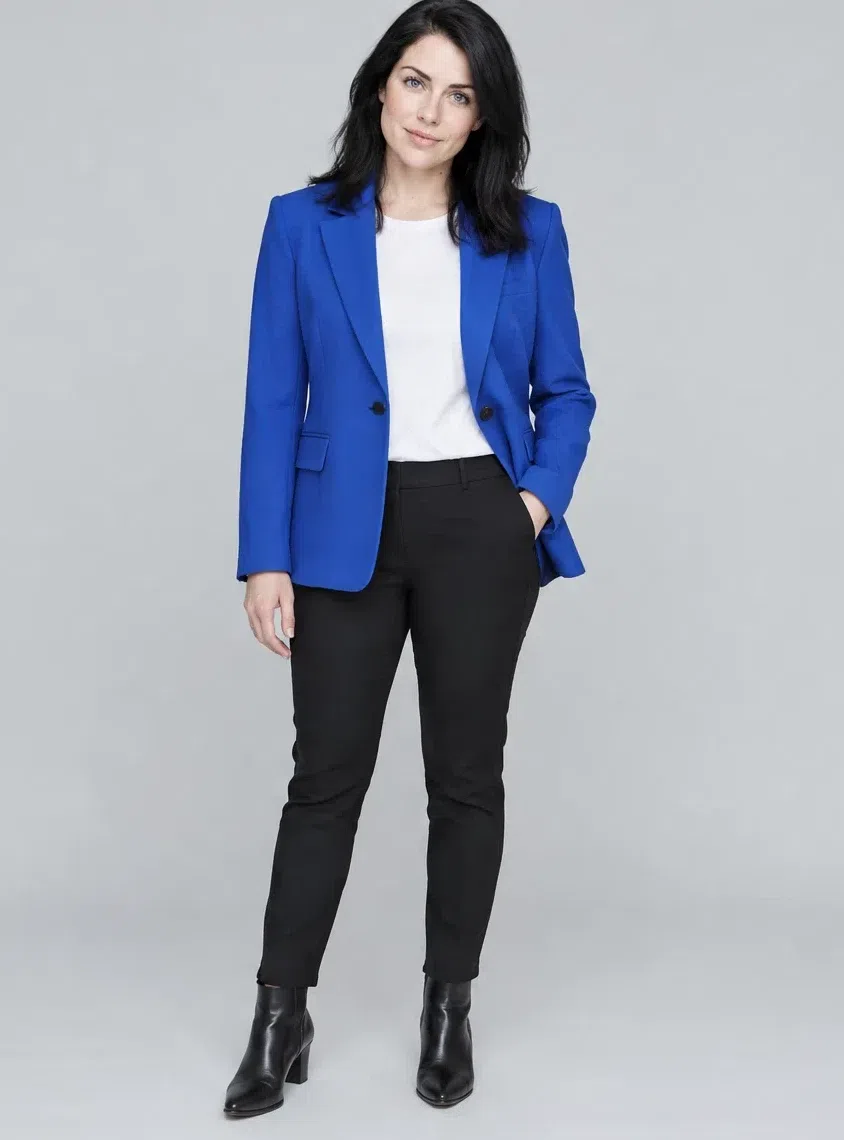
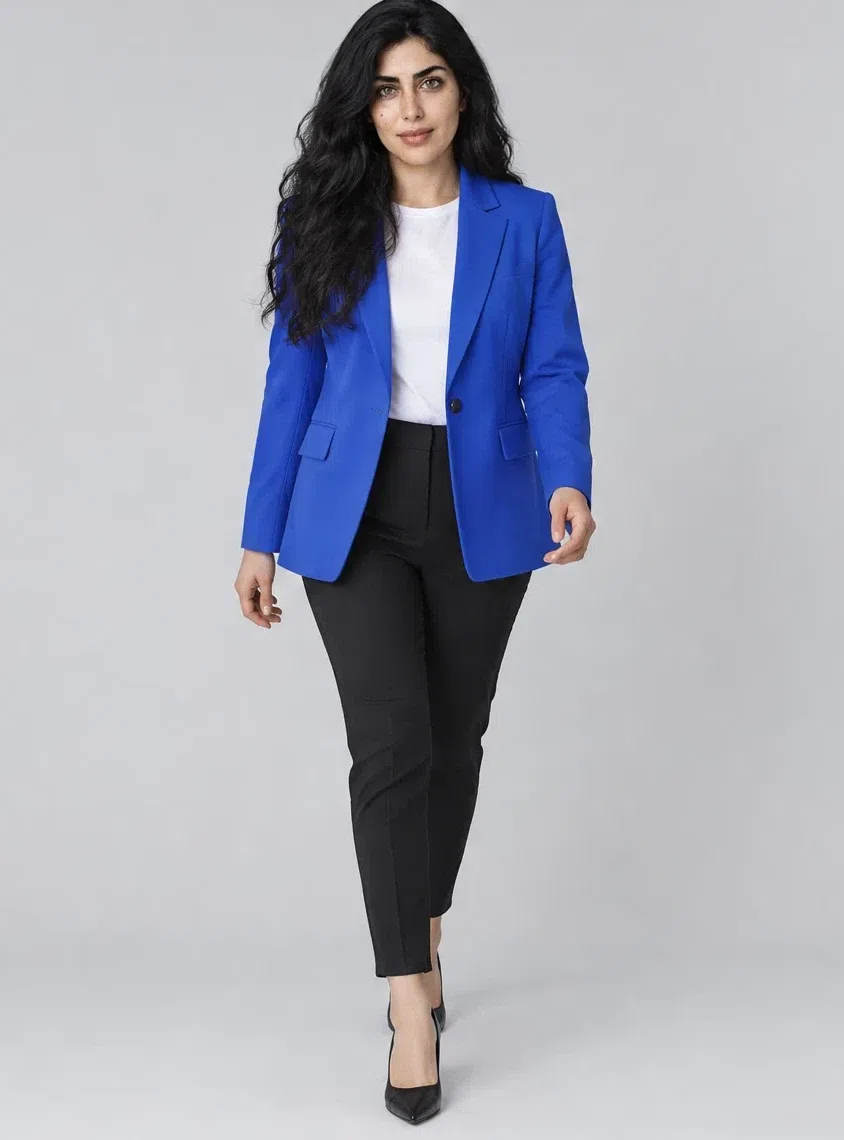
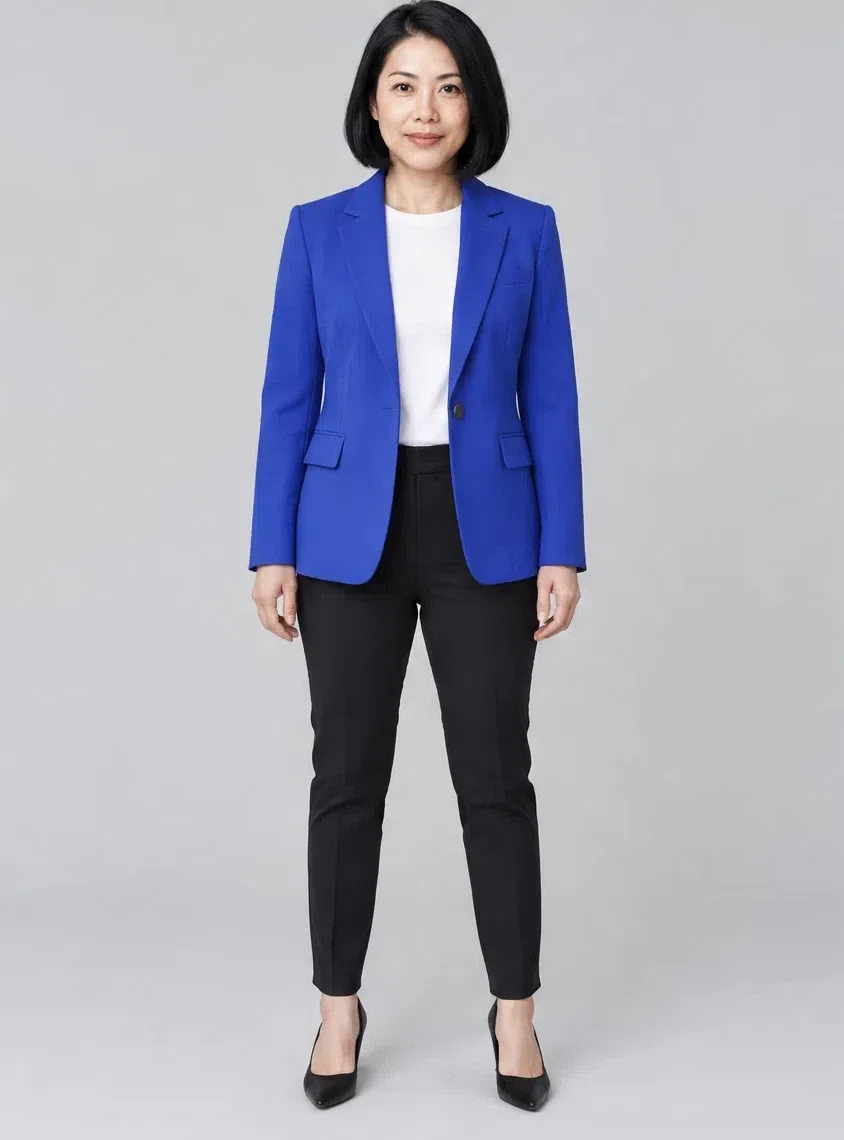
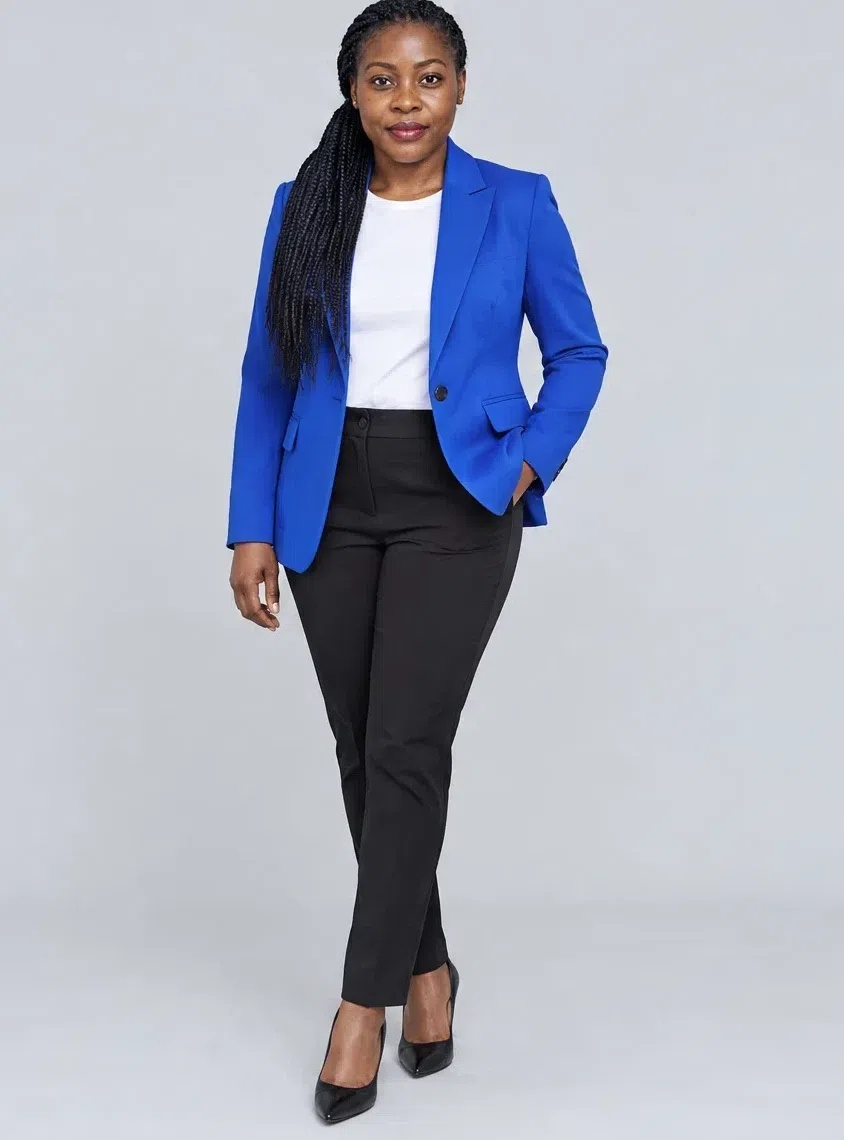
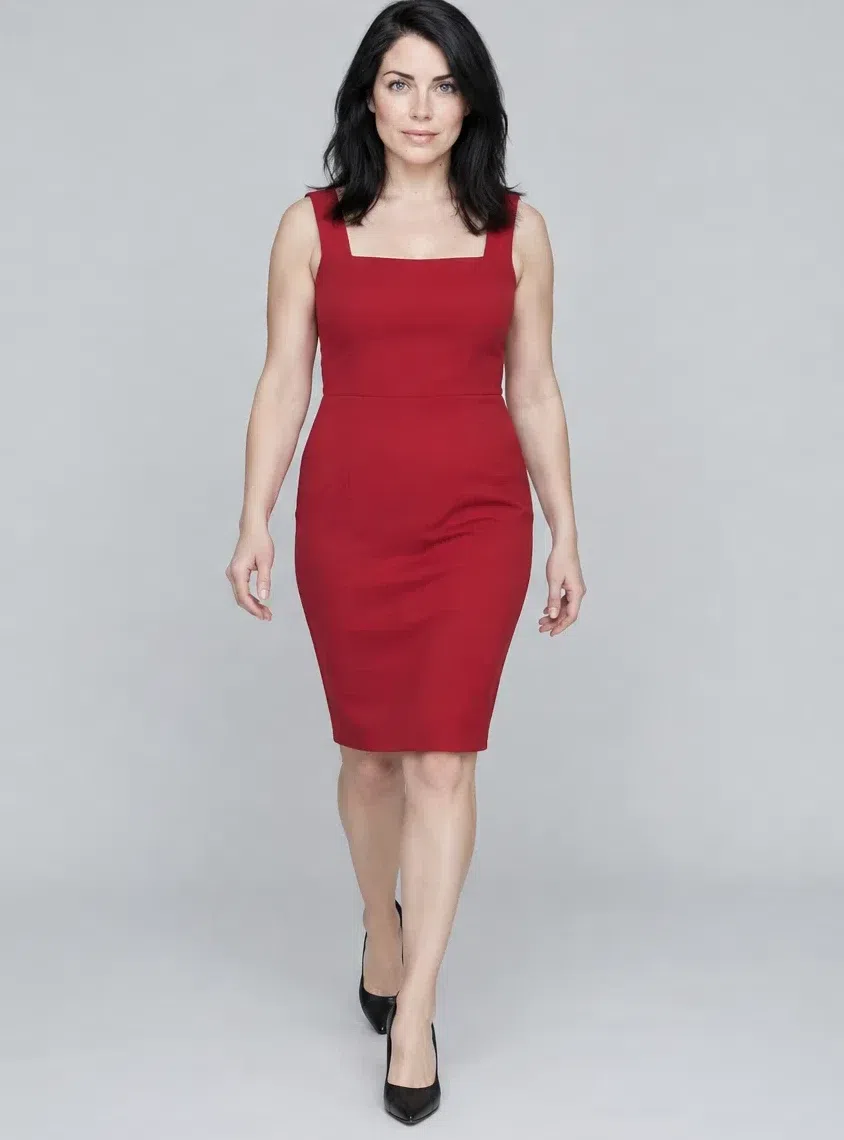
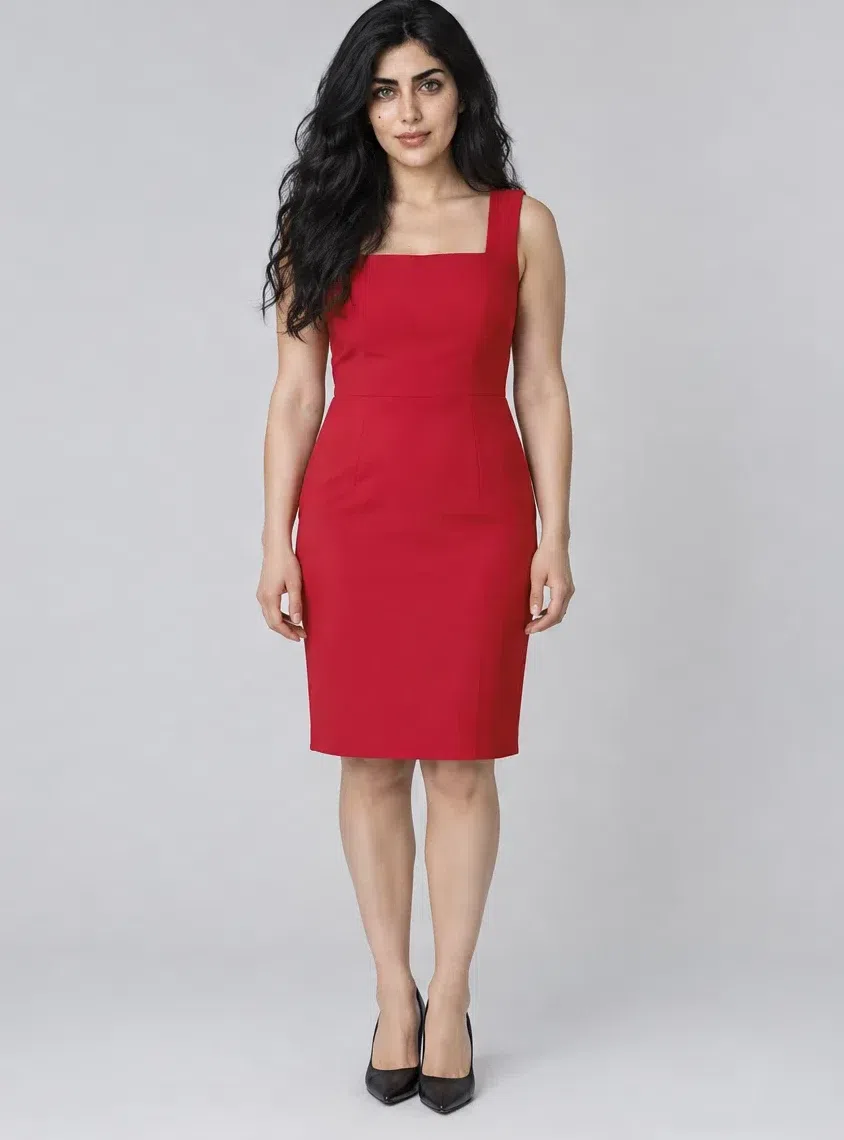
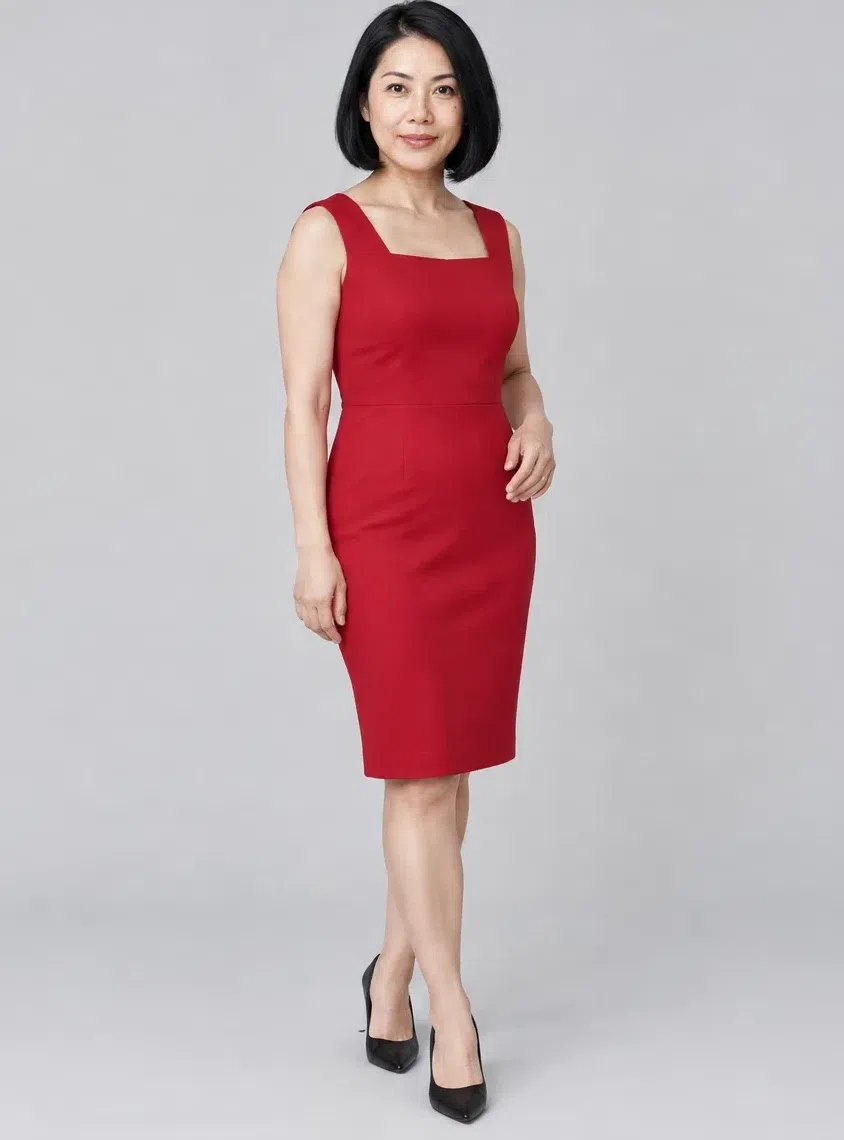
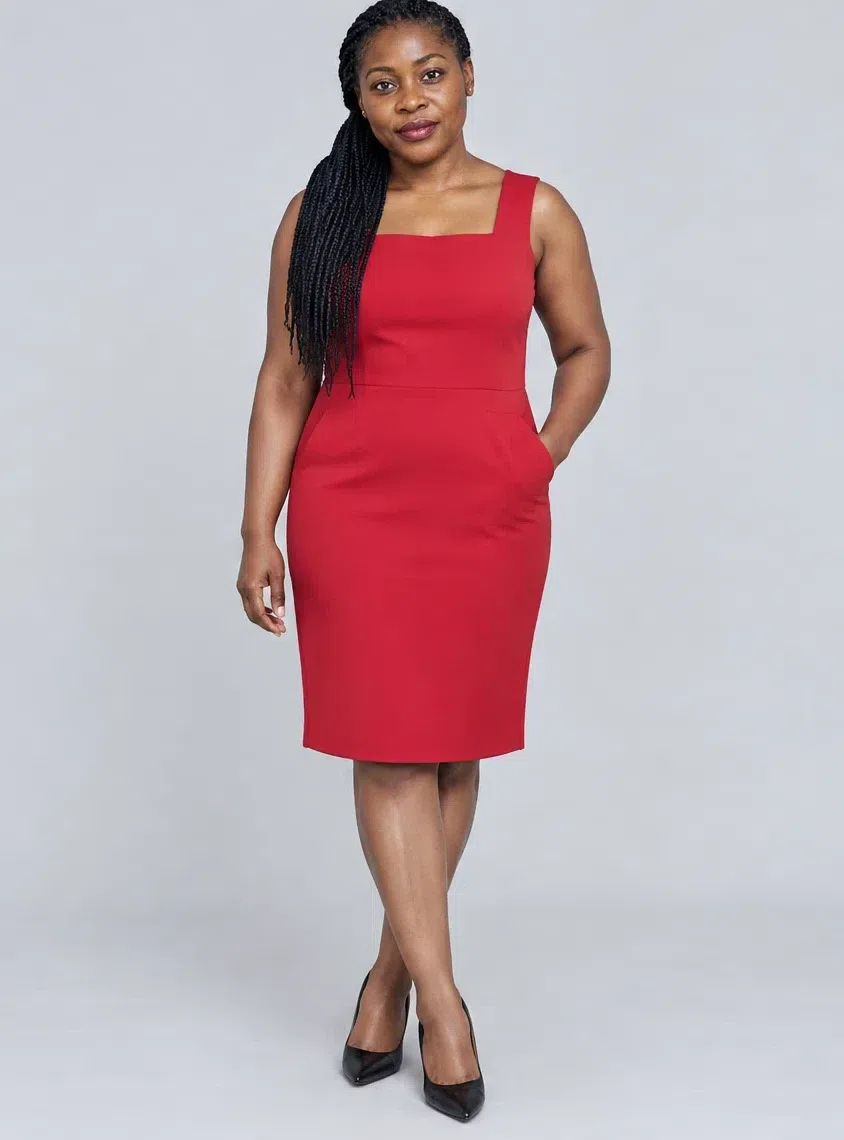
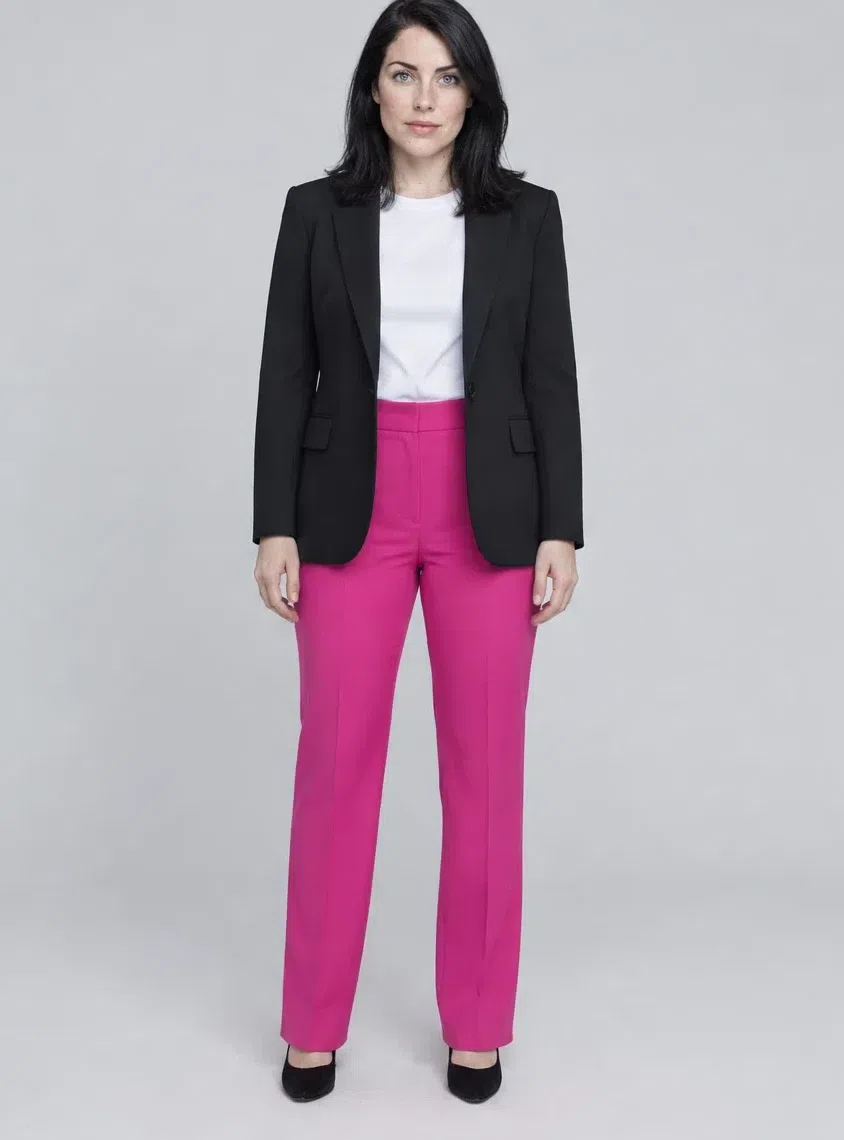
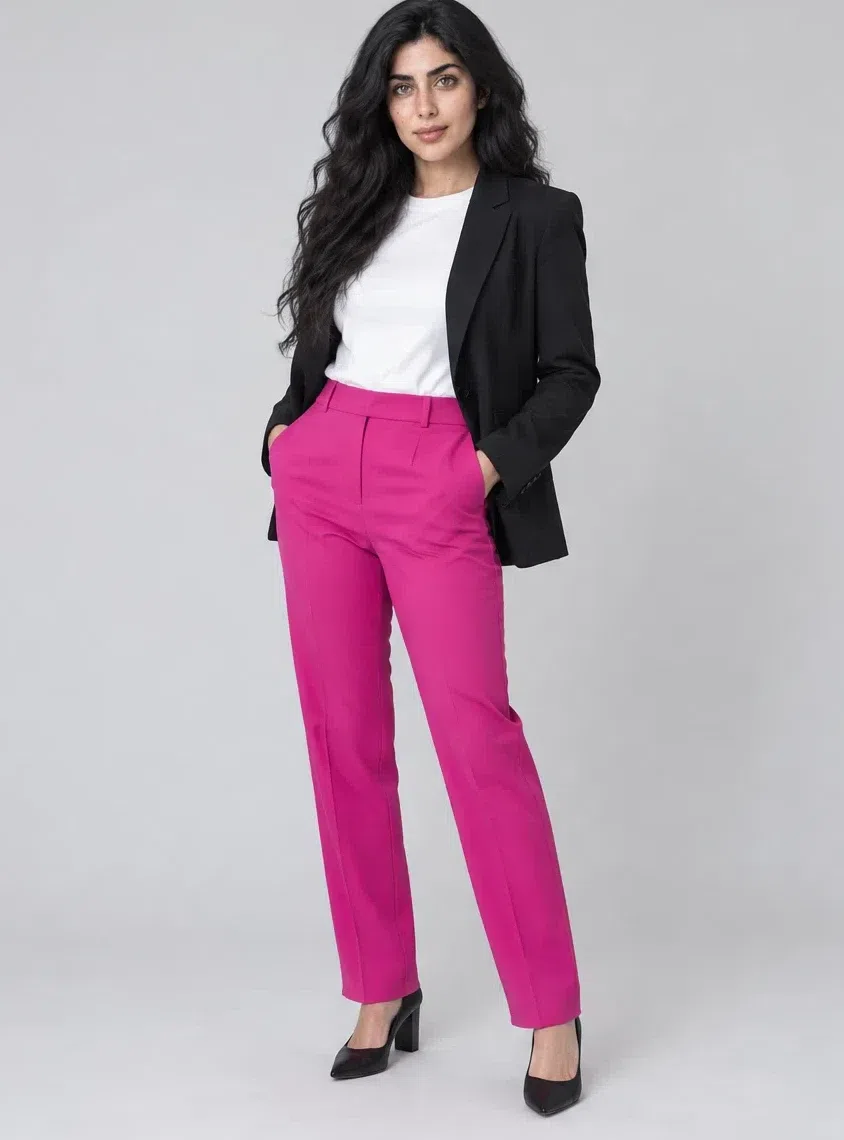
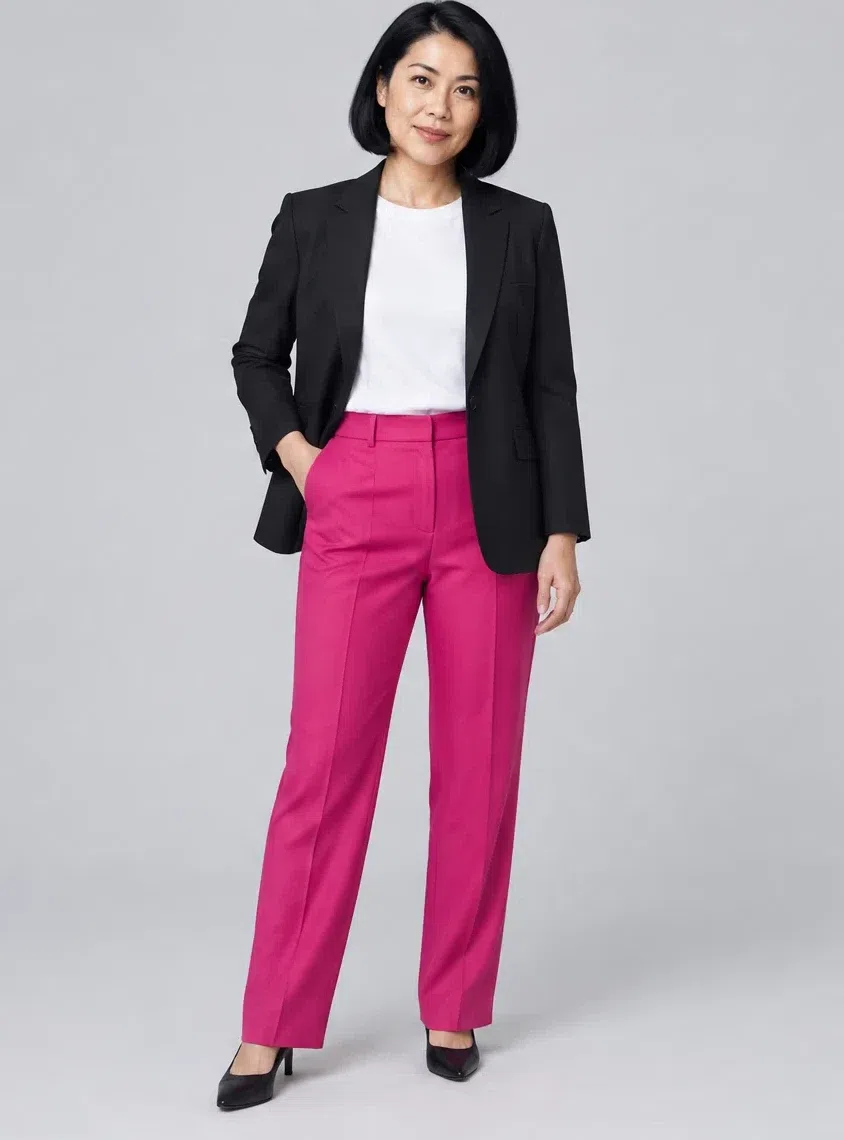
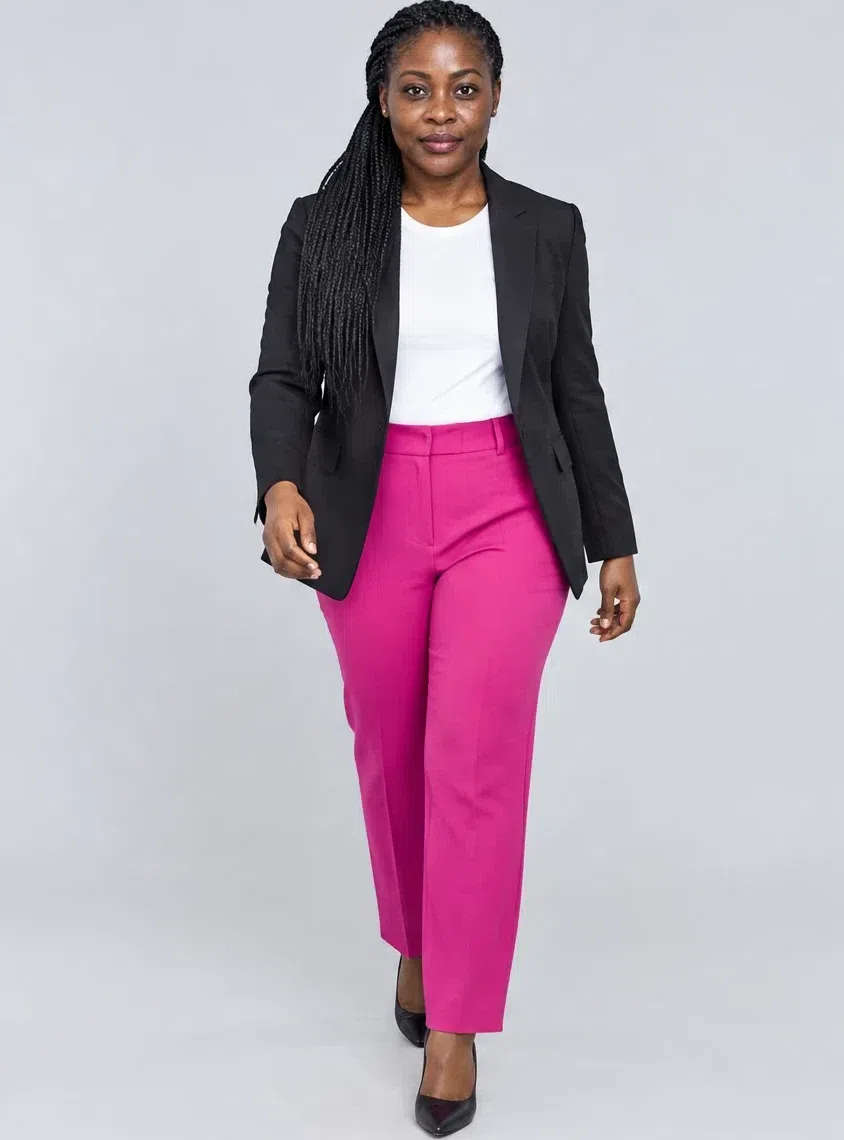
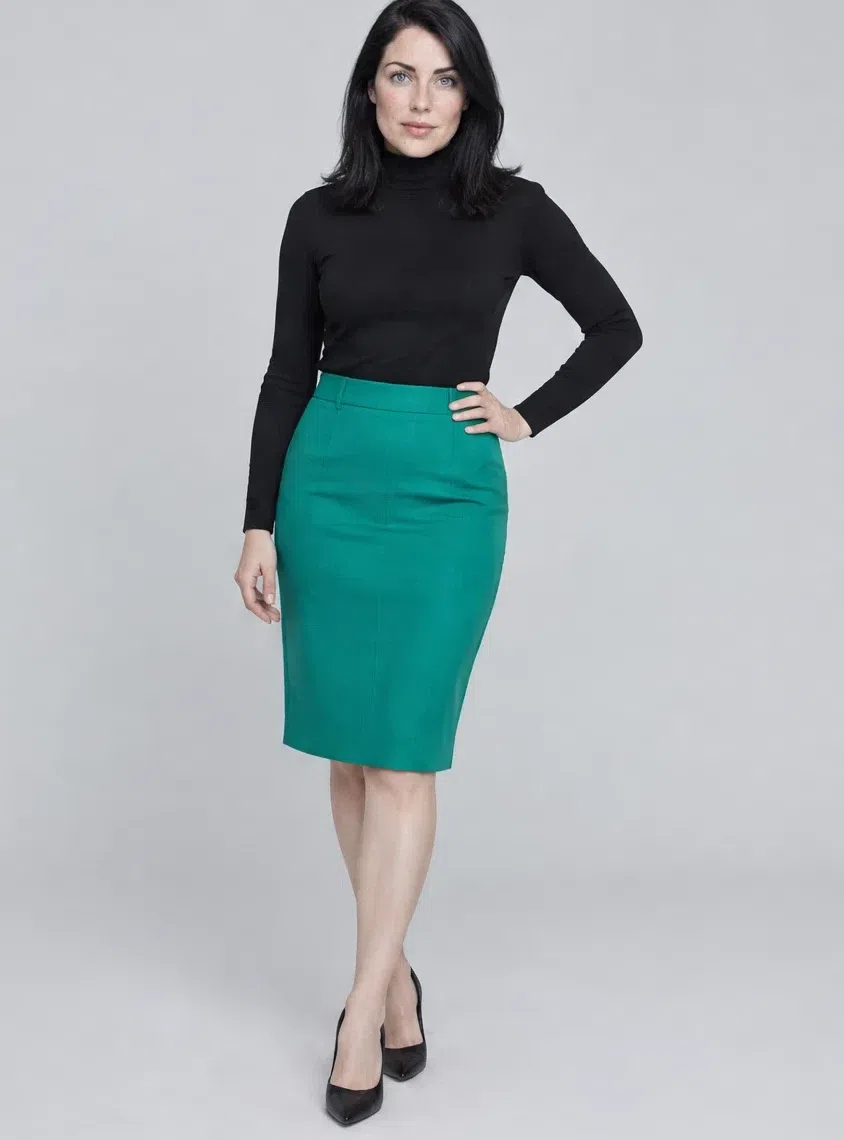
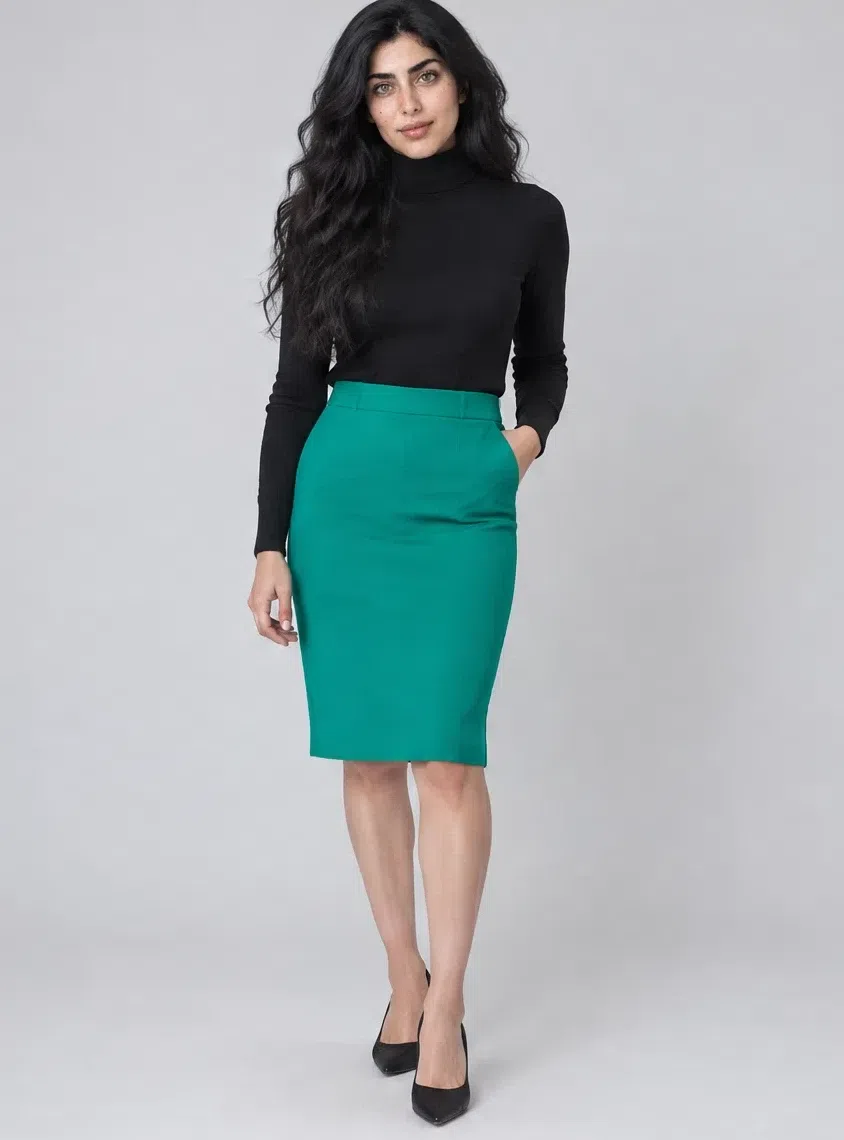
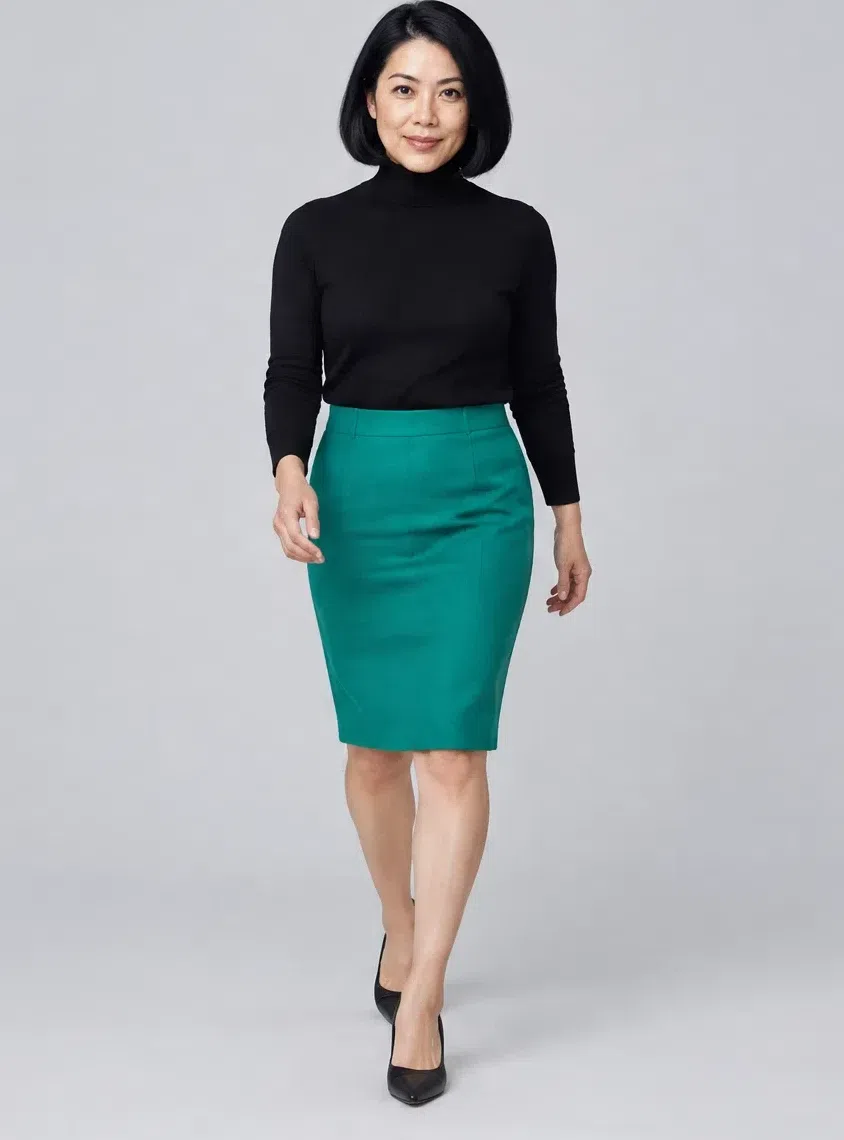
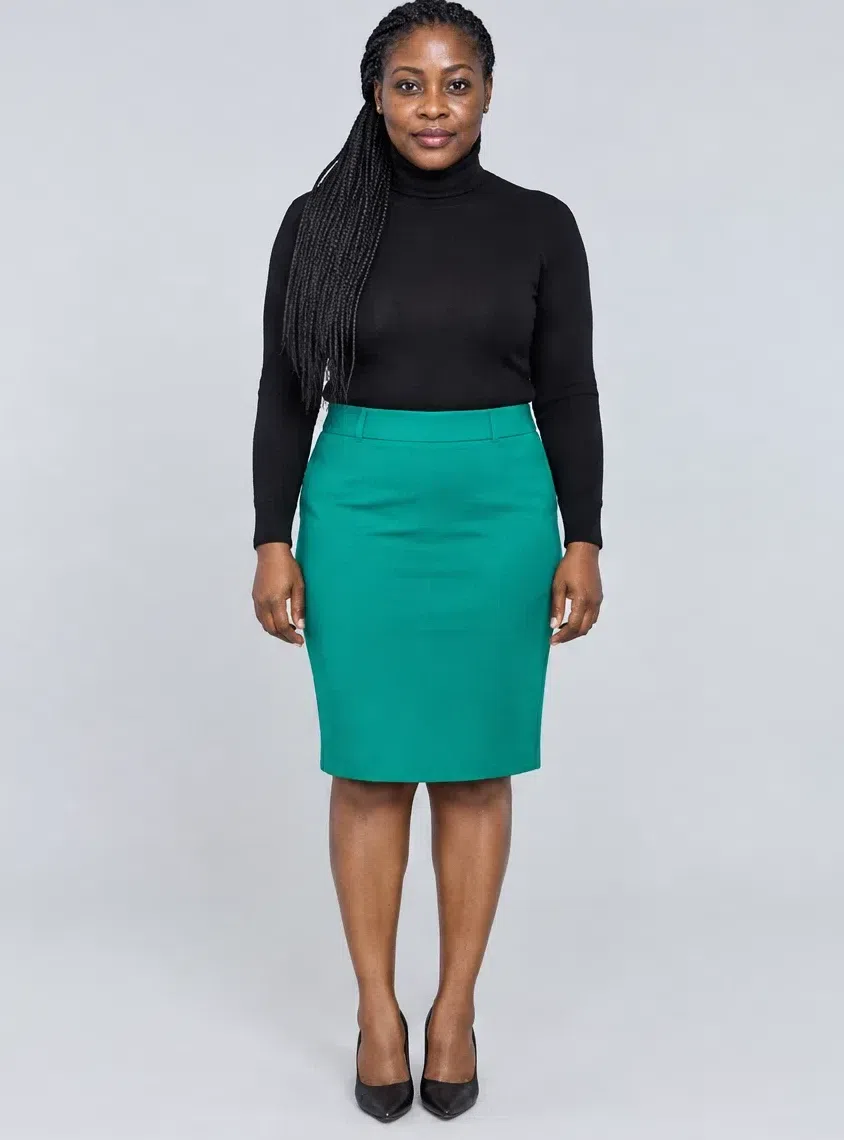
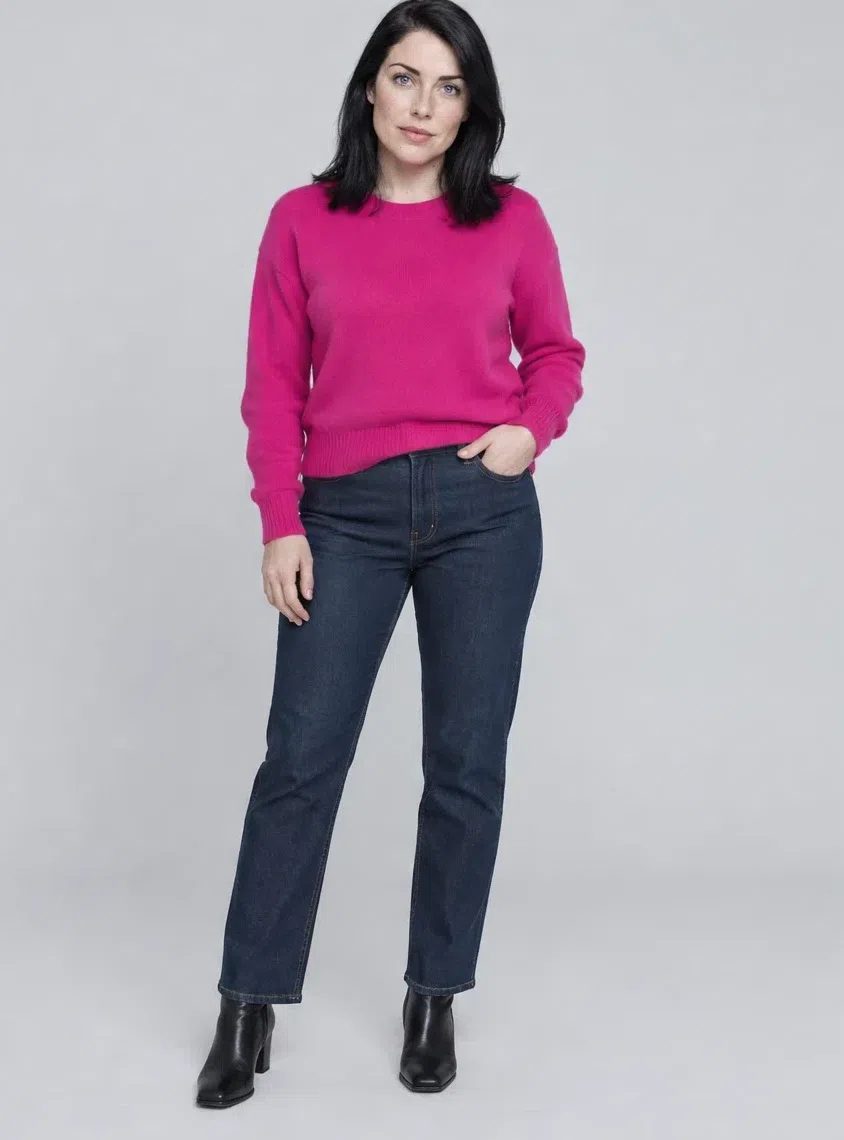
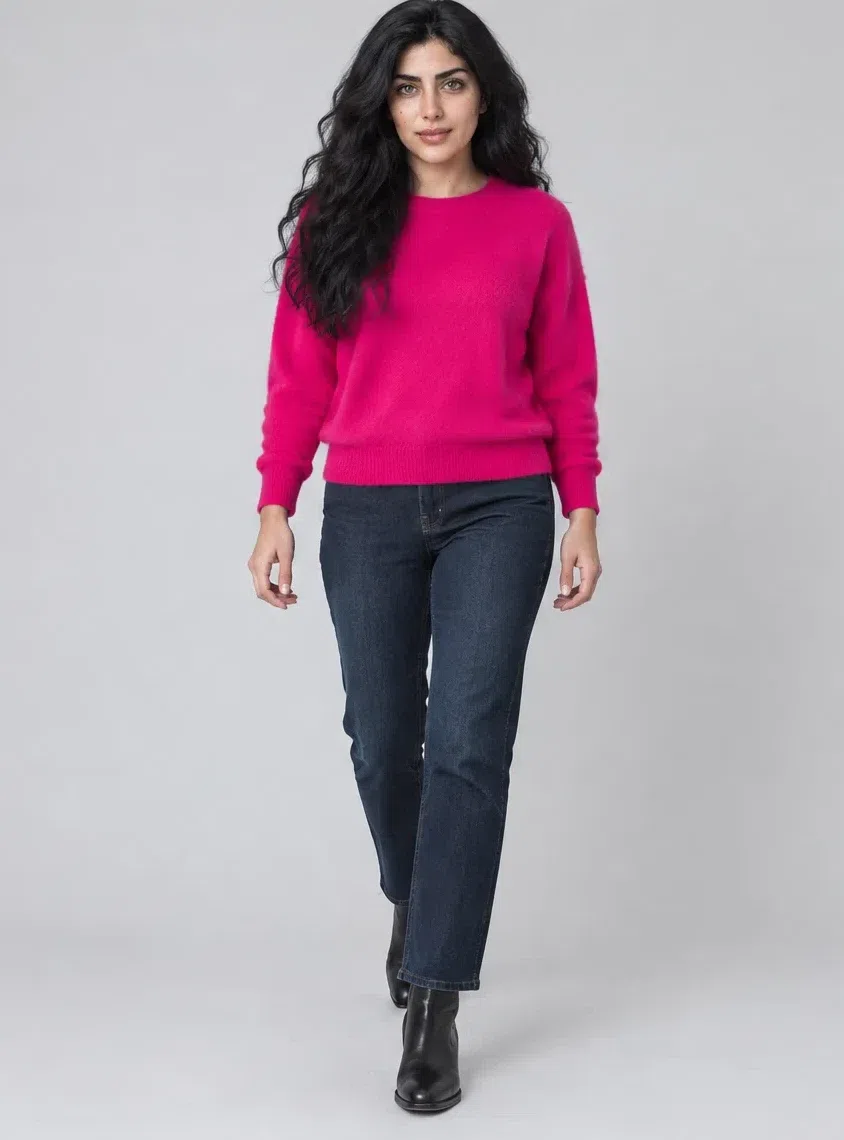
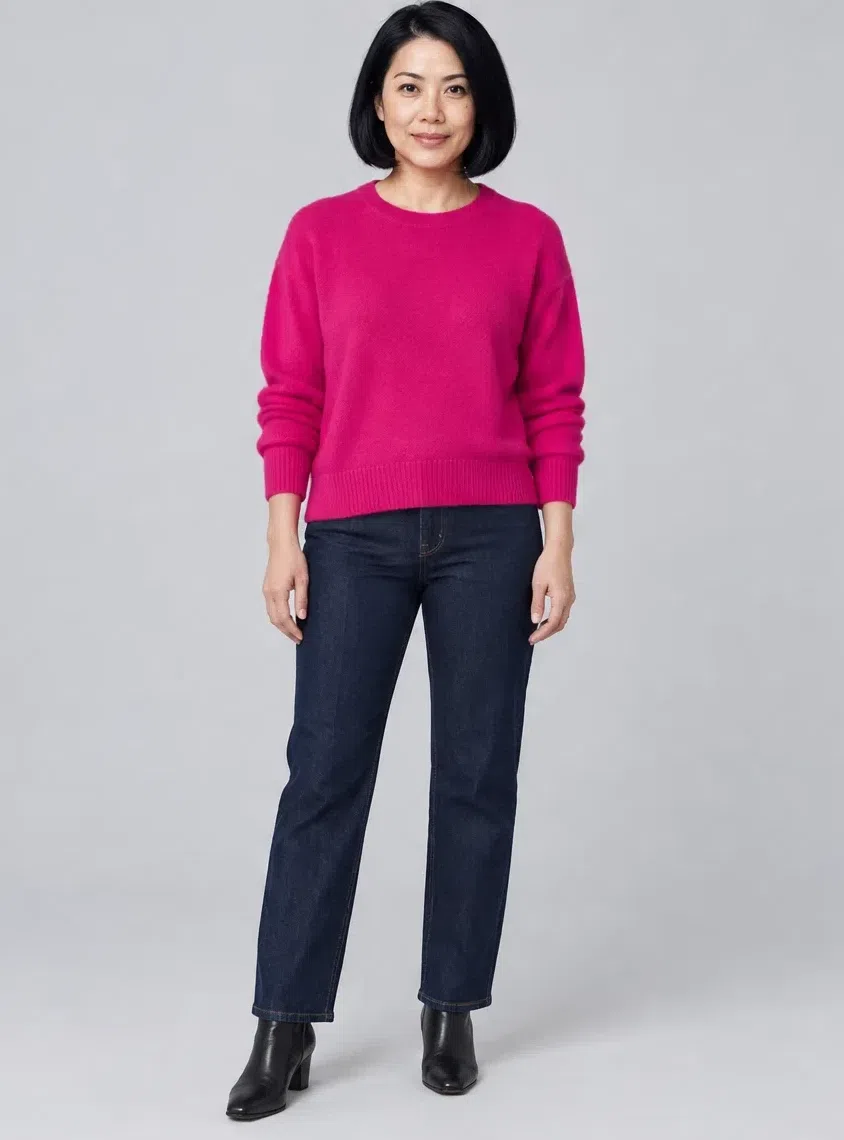
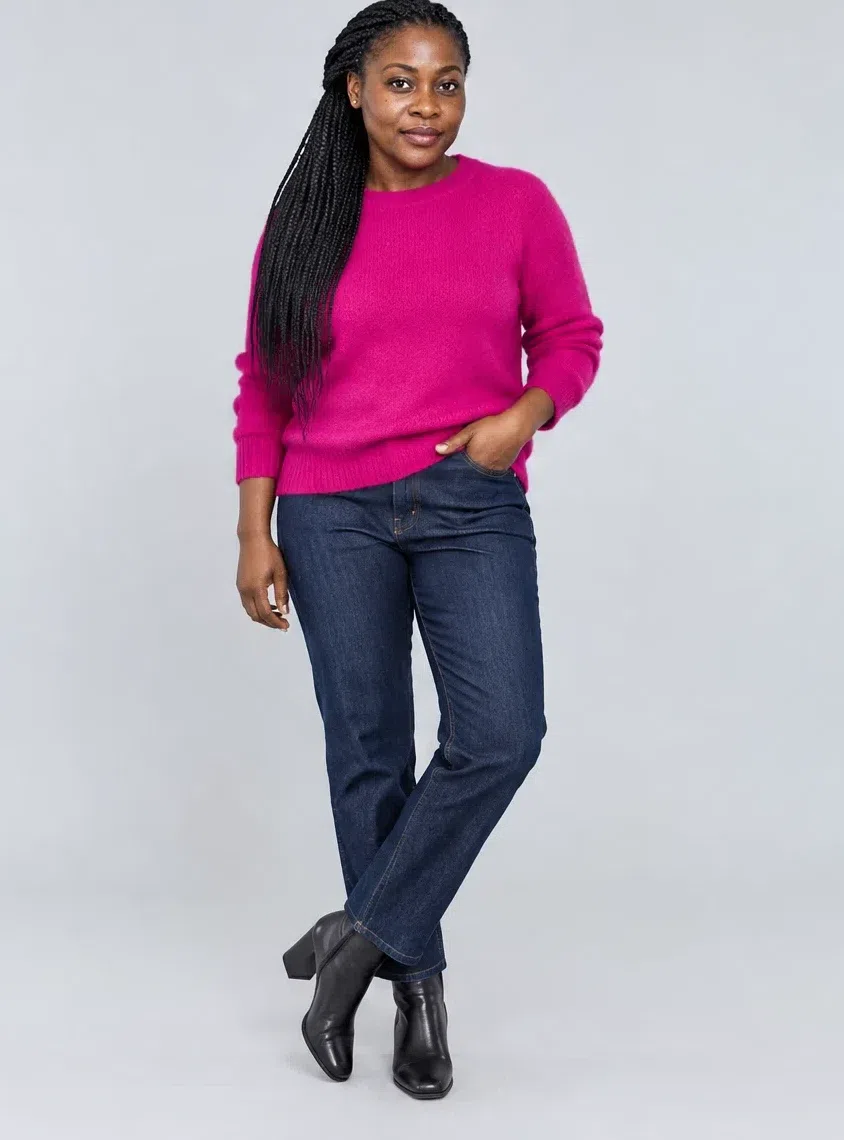
Each one is photographed on four Bright Winters, porcelain through deep brown, in exactly the same garment and exactly the same shade, so what you judge is the color rather than the model.
The Bright Winter capsule: eight pieces with sharp lines
Pure, saturated colors and clean cuts, chosen so that almost any two pieces combine. Each garment lists three palette shades, hex code included, to compare against a product photo before you buy.
Every piece here earns its place by color - it is what the Bright Winter palette asks for. How many pieces a capsule should hold, how many outfits it adds up to and what to buy first are questions for a general capsule guide, not this page.
1Jet black structured coat
Deep, true black with clean lines - straight or very slightly flared, at the knee or midi length. The fabric has to hold its shape: dense wool, wool with cashmere, a firm tweed. A faded or grayish black, or a soft shapeless cut, takes away exactly the contrast the coat is there to supply.
Tip Throw a Hot magenta or Jewel green scarf over it and the black stops looking severe and starts working for your face.
2Optic white poplin shirt
The piece every contrast outfit starts from. Dense cotton with a firm collar and cuffs, or a version with some drape or asymmetry at the front. The white must be cold and clean - cream and ivory read yellow against this skin. It sits under a blazer or a coat, or holds its own with dark trousers.
Tip Pair it with Midnight jeans or a Jet black skirt for the sharpest everyday contrast this coloring has.
3Ultramarine tailored blazer
A saturated blue jacket is a real alternative to black: it keeps the palette cold and adds color at the same time. Classic cut, defined shoulders, nothing fussy, in dense cotton, wool or tweed. It goes over trousers and skirts equally well.
Tip Optic white shirt, Ultramarine blazer, Jet black trousers: a balanced office outfit that is anything but gray.
4Ruby sheath dress
The one dress worth owning in color. A fitted sheath in dense crepe or stretch wool, knee length or just above, with room for an asymmetric hem or an interesting neckline. A cold ruby red clears the skin and brightens the eyes, and a plain cut leaves the color in charge. The little black dress works on this coloring too; the coat and the leather trousers already cover black here.
Tip Black pumps and bold silver earrings. It needs no second color.
5Hot magenta straight trousers
A bold piece, and a surprisingly easy one. Saturated pink-violet in a dense fabric, straight or slightly tapered, sits happily with every neutral in the palette - white, black, midnight - and turns the simplest outfit into one people remember.
Tip A plain Optic white tee and a Jet black blazer balance them for everyday wear.
6Jewel green pencil skirt
A saturated green pencil skirt for the office and for evenings out. Firm fabric - wool, tweed, suiting - at the knee. It echoes the cold of the palette and works under white tops and black ones alike.
Tip A Jet black turtleneck and pearl earrings turn it into a polished work outfit.
7Shocking pink mohair sweater
A cool pink that sits closer to fuchsia than to anything warm, in wool, mohair or cashmere - the casual piece that freshens the face fastest. Oversized is fine; shapeless is not.
Tip Dark jeans and black ankle boots underneath: a crisp contrast with no effort in it.
8Jet black leather trousers
Straight or slightly tapered, in good leather or a convincing alternative, matte or with a shine. They add edge and contrast, and they belong in a daytime outfit as much as an evening one. Every bright top in the palette sits well above them.
Tip With the Shocking pink sweater and white sneakers, this is the capsule at its most relaxed.
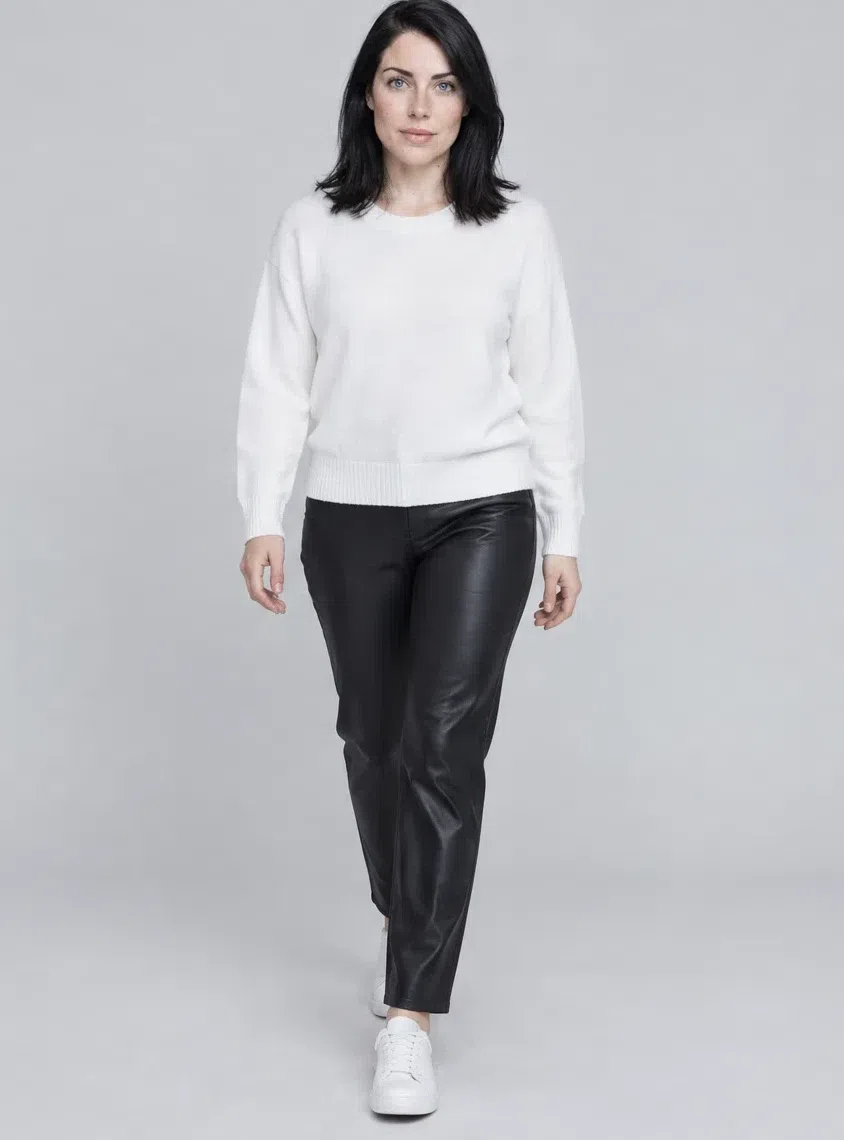
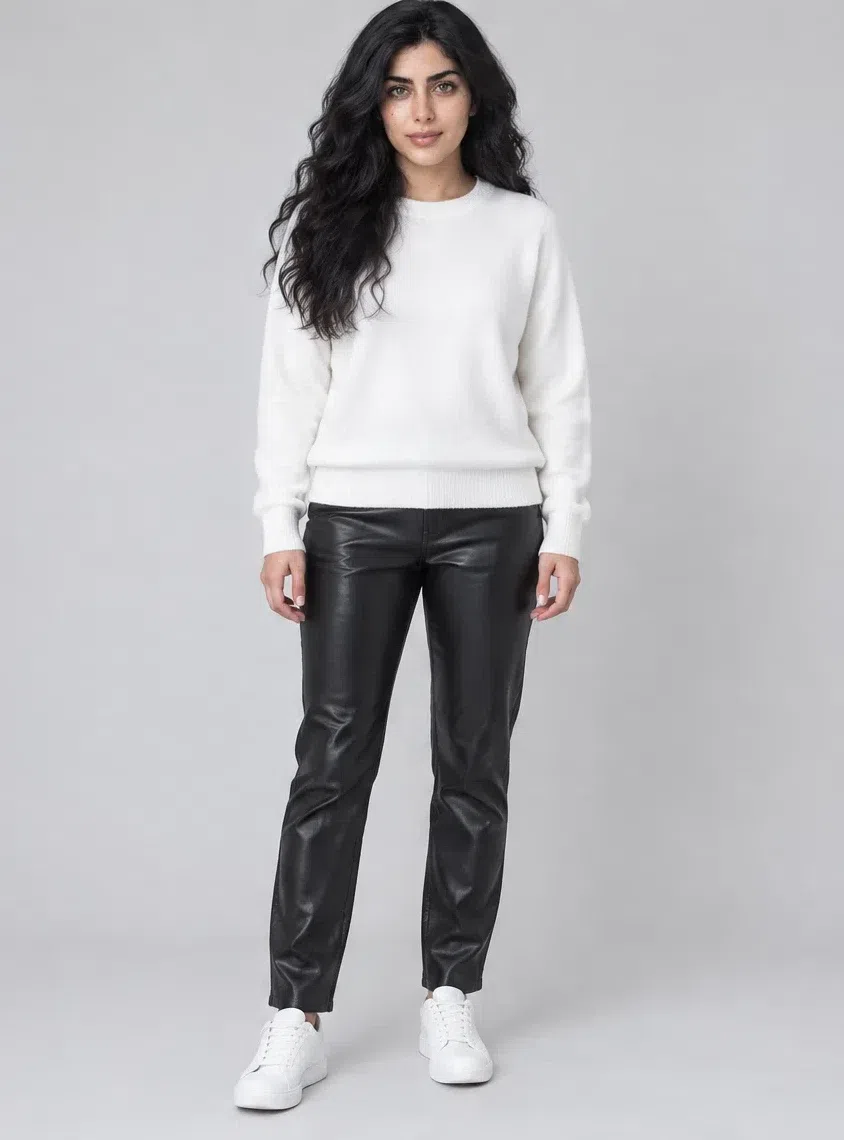
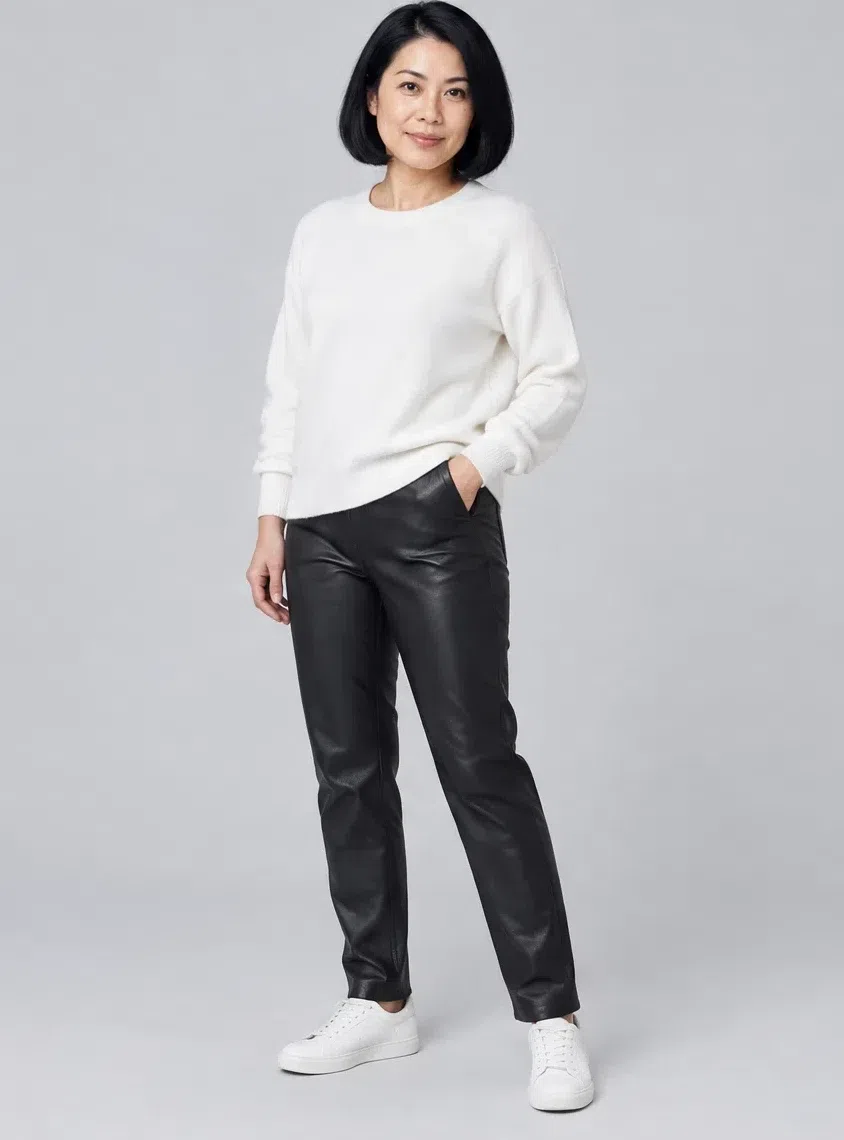
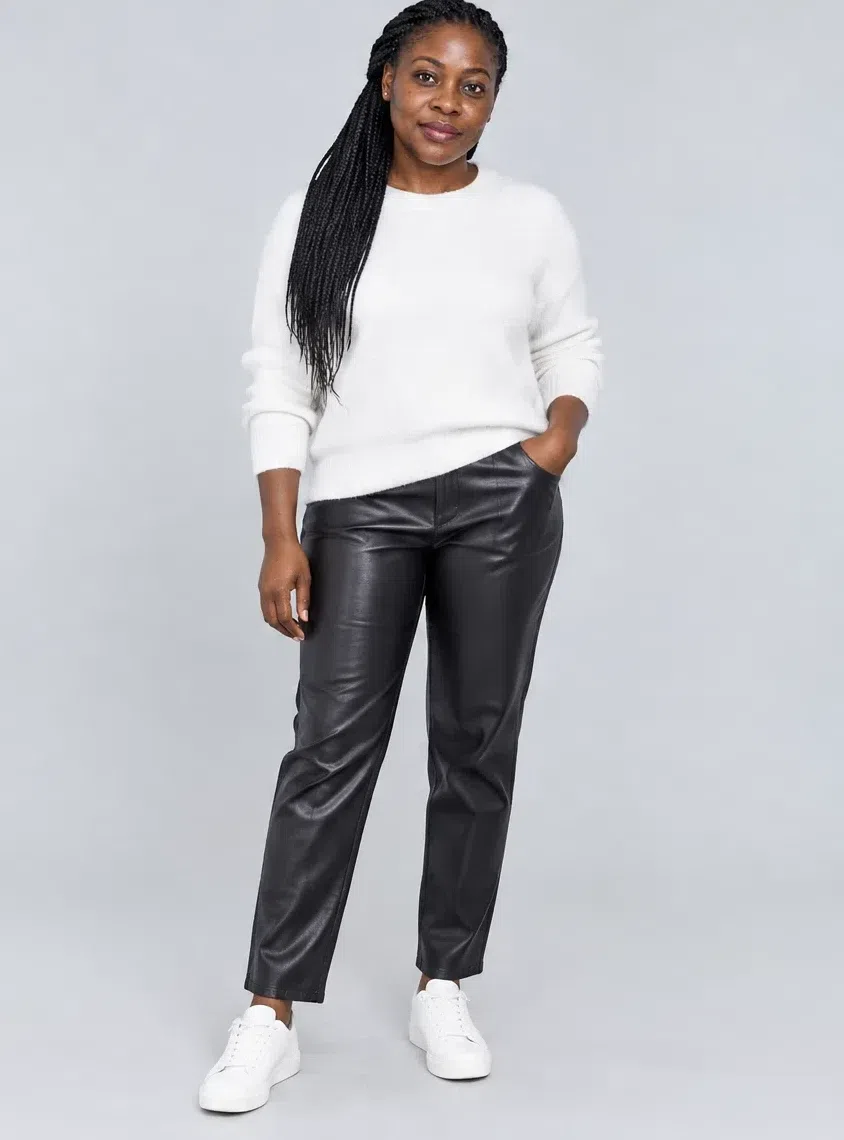
Five ways to put them together
- Contrast is the base. Pair dark with light - a Jet black skirt under an Optic white shirt - to echo the contrast already in your face.
- One bright on a neutral. Let one saturated piece carry an otherwise neutral outfit: Hot magenta trousers with black and white, or a Jewel green skirt under Charcoal.
- Monochrome with depth. Put two strengths of one cold color together, like Midnight with Ultramarine, for a one-color outfit that still has dimension.
- Keep the lines clean. Sharp silhouettes and minimal cuts suit a face this defined; soft, blurry shapes make it look unfinished.
- Matte against shine. Leather with wool, silk with tweed. Mixing surfaces keeps a two-color outfit interesting without adding a third color.
Makeup shades
Base products on four skin depths, then every shade family at a glance
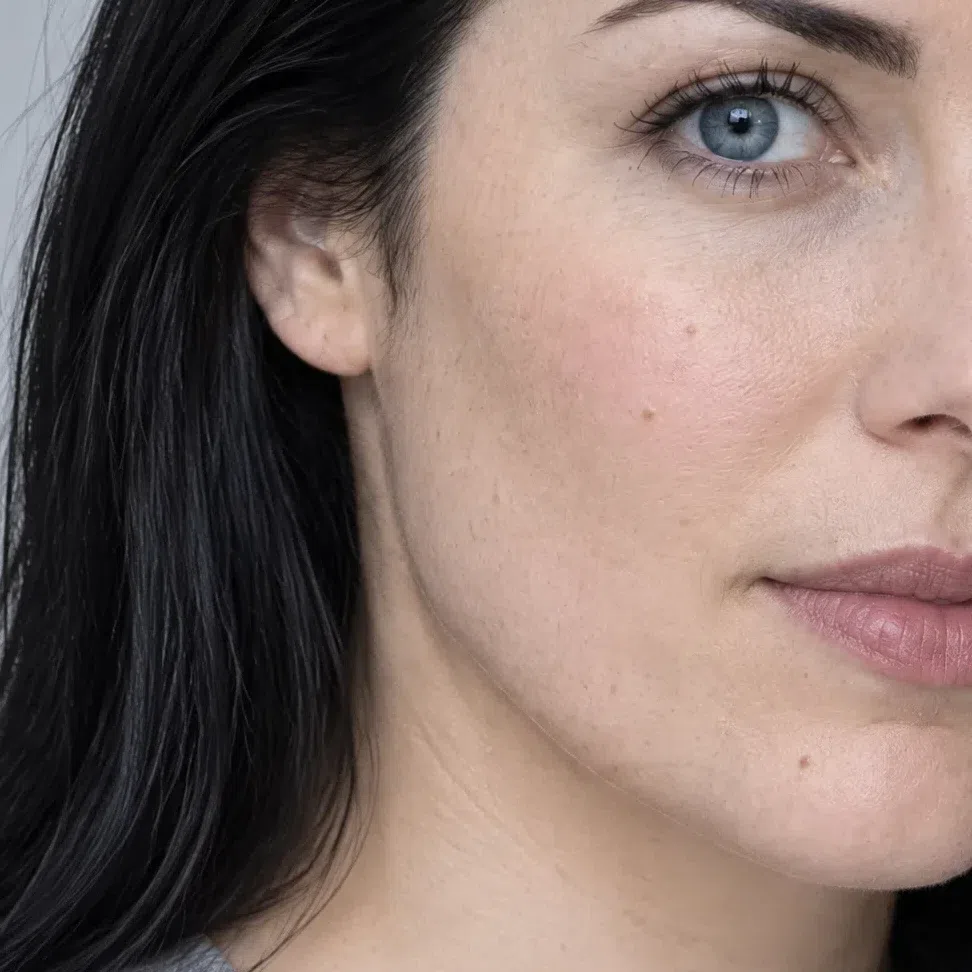
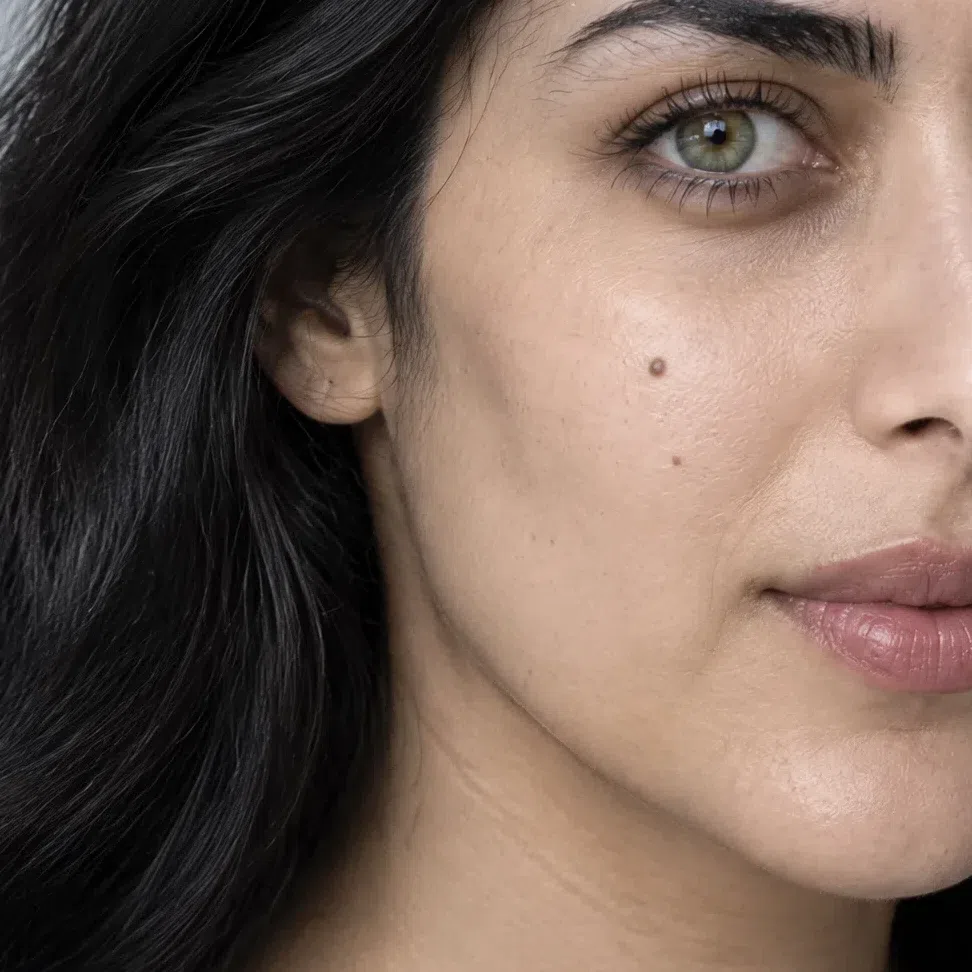
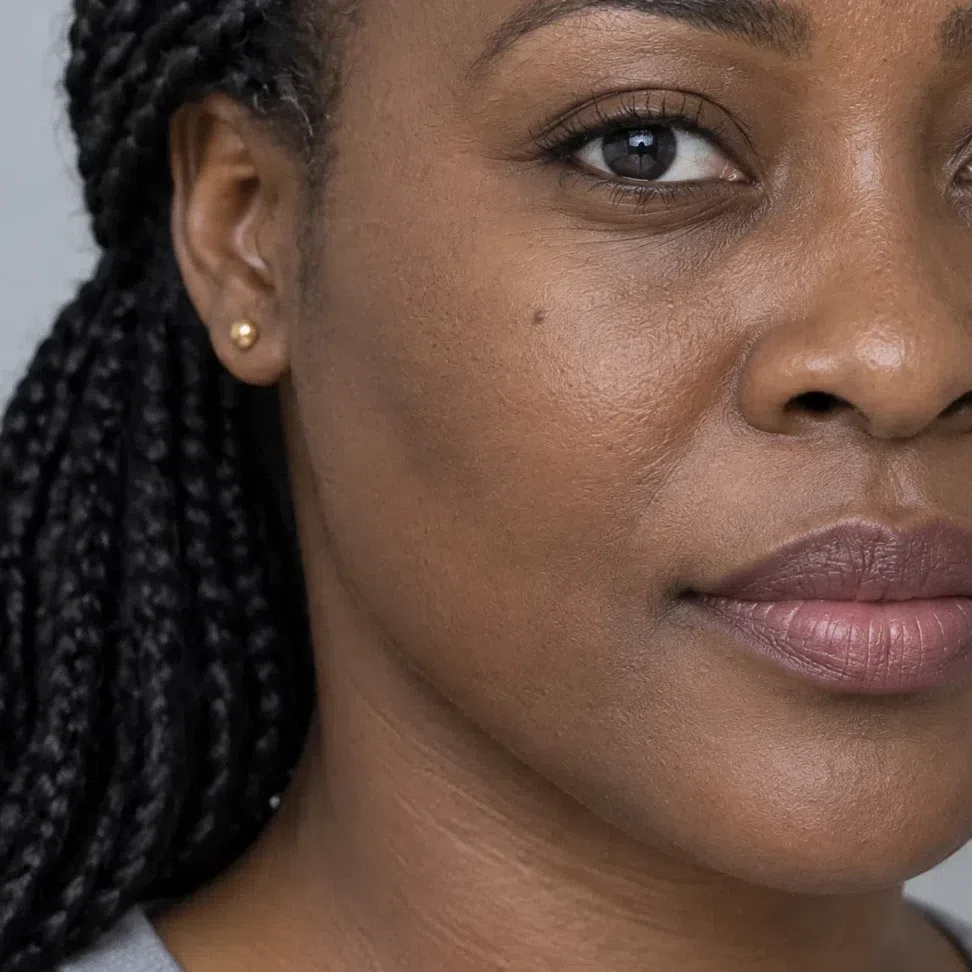
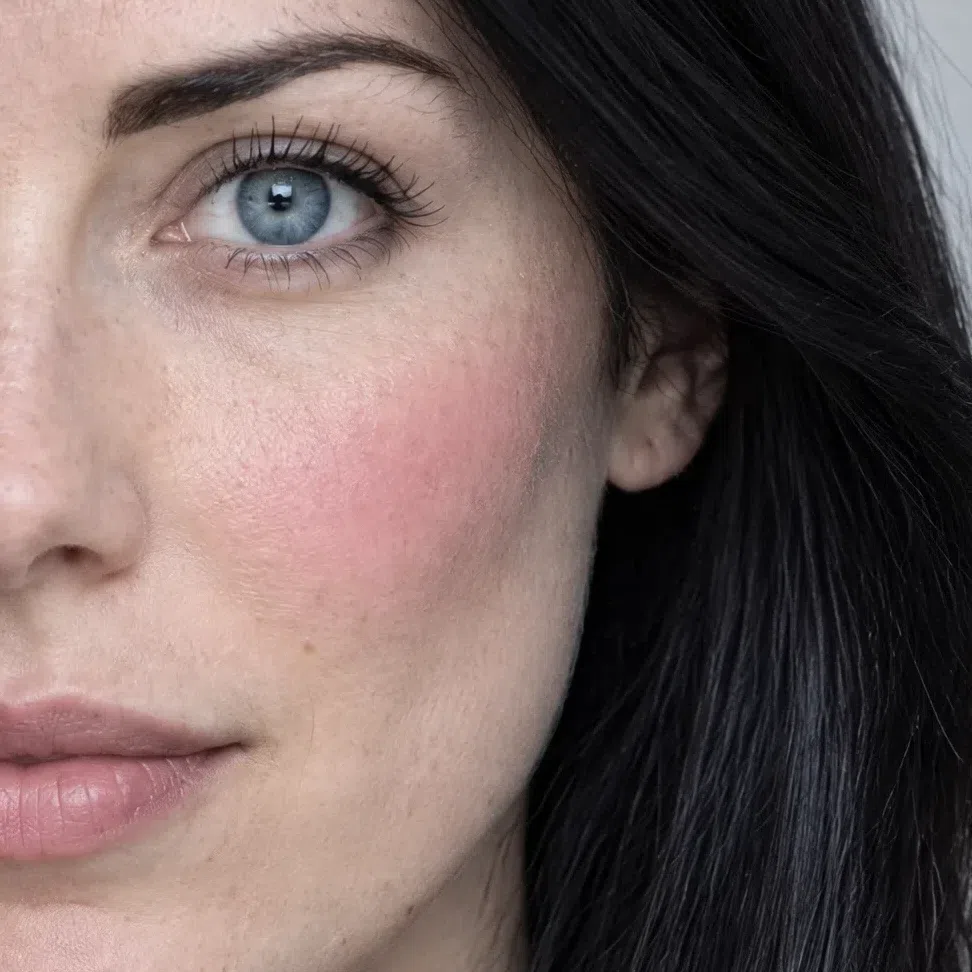
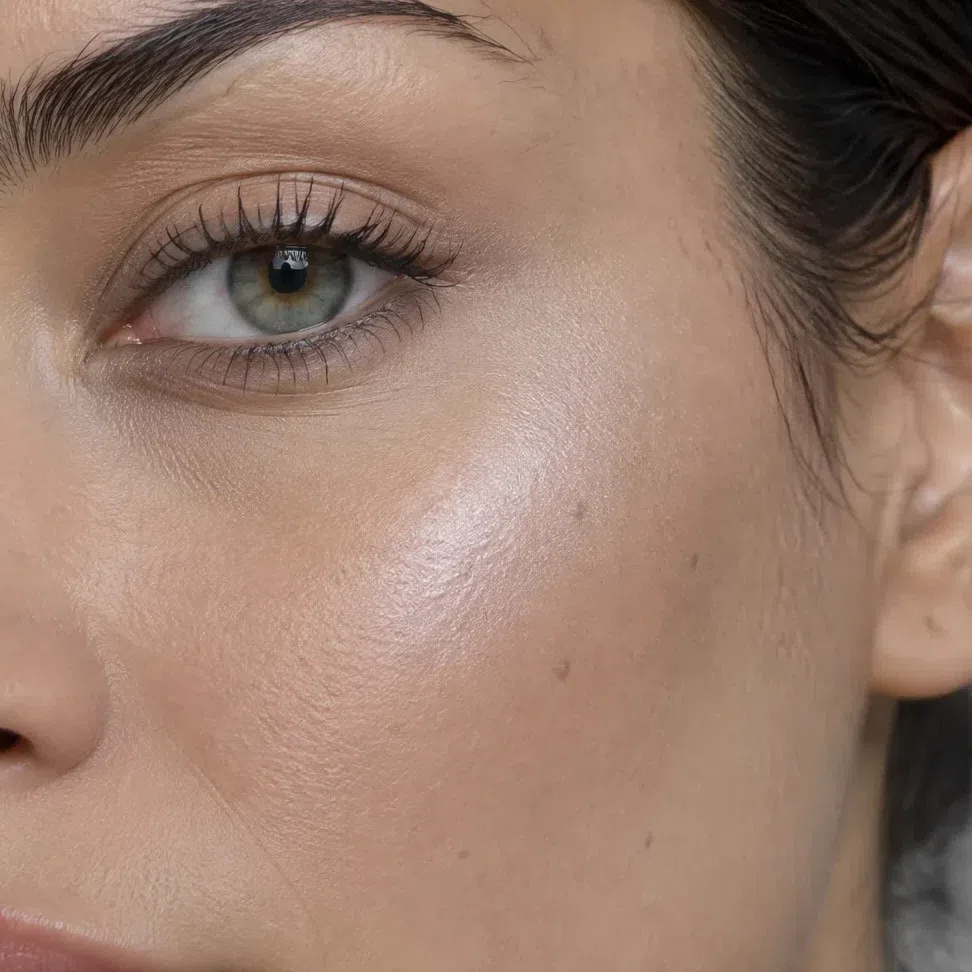
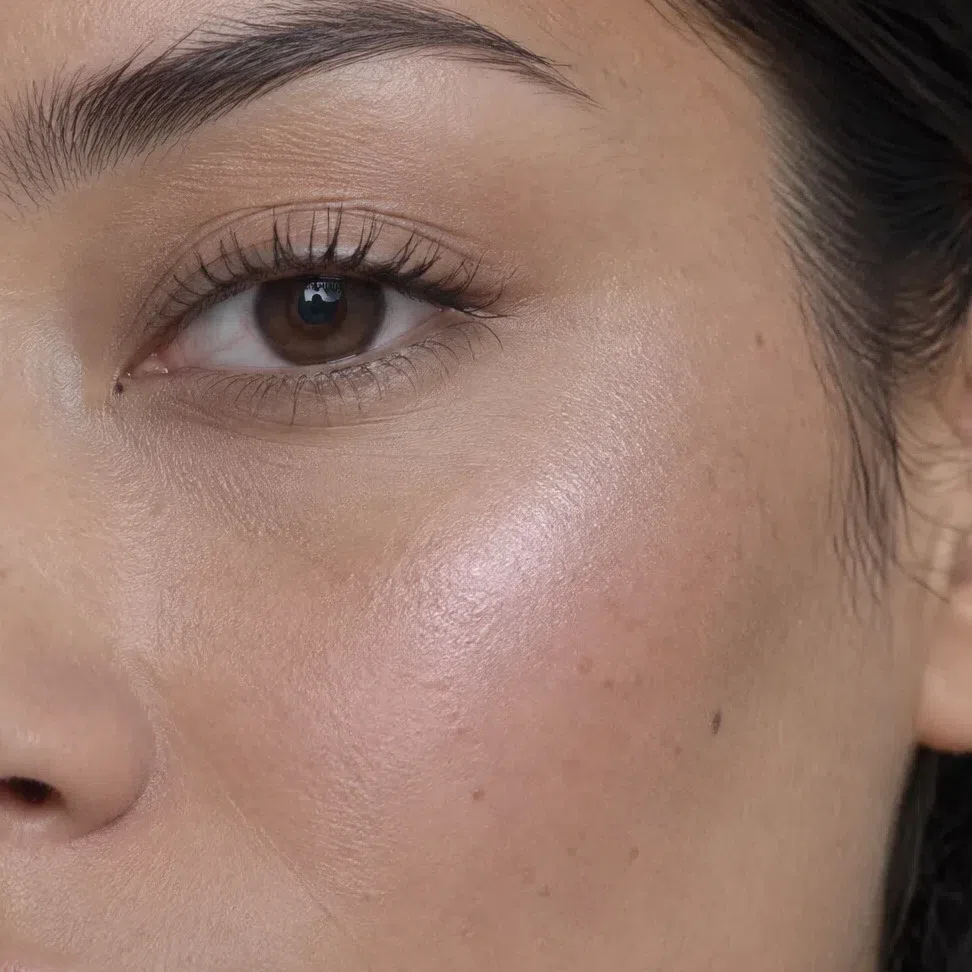
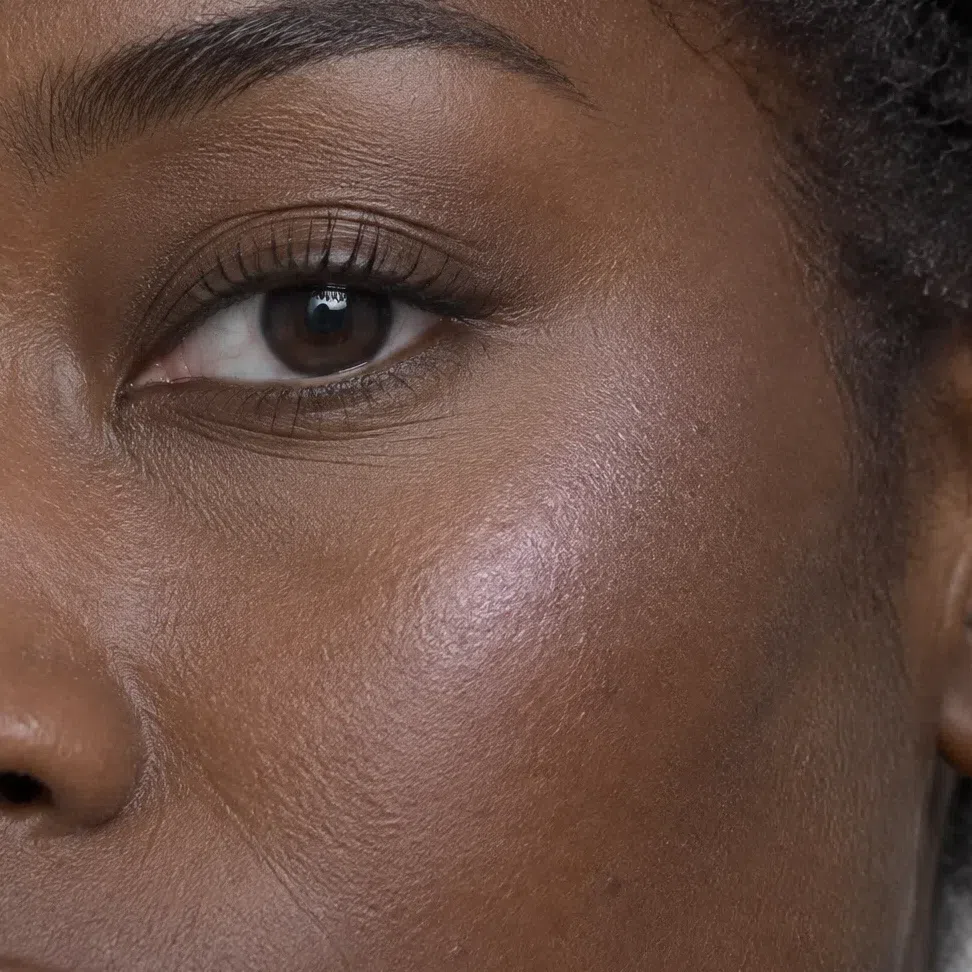
Foundation, blush and highlighter change from one complexion to the next, which is why all three appear on the four women below. The rows after that are a reference: this coloring decides the family - cold, clean and saturated - and your depth only chooses the value inside it.
Base: foundation, blush, glow and contour
Foundation matched to your depth
Cool porcelain, cool olive-beige, cool tan or cool espresso, matched exactly and never a shade warmer. A golden base is the quickest way to put an orange mask on this skin.

Blush matched to your depth
Cool pink, raspberry, plum-pink and berry, worn clearly rather than as a whisper. Peach, coral and brick look like a smudge on cool skin.
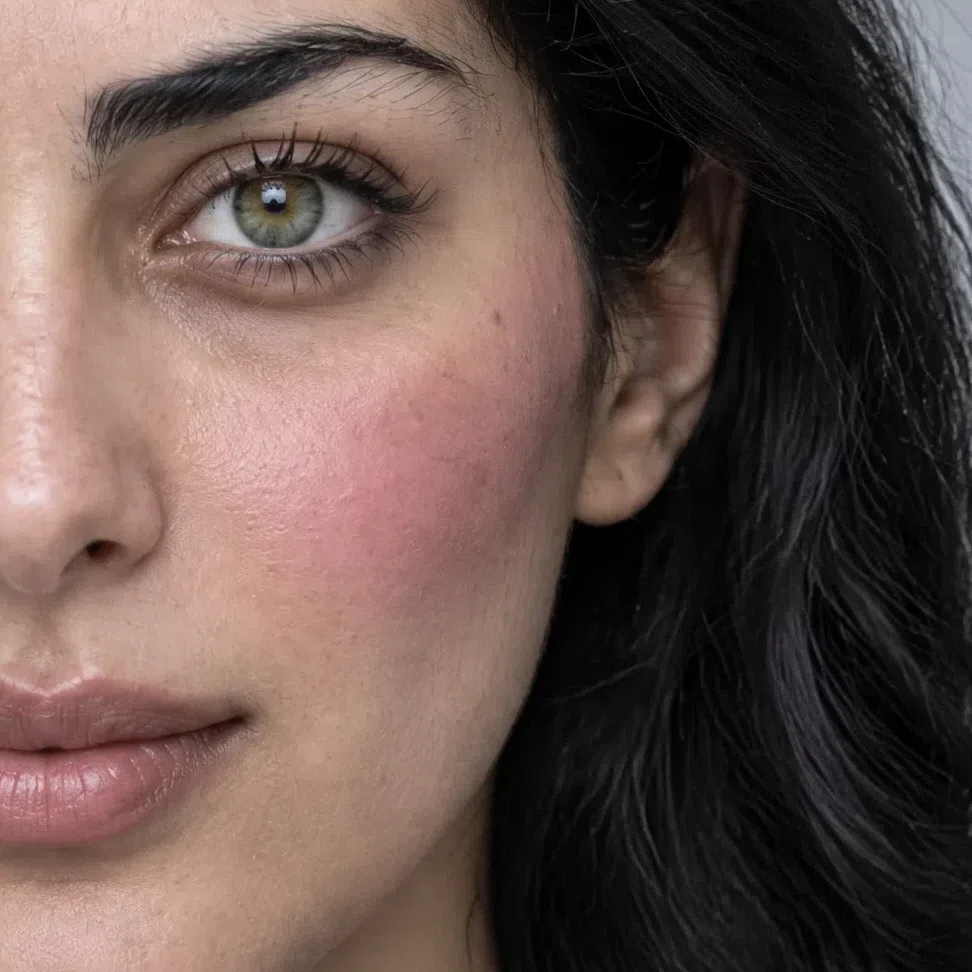
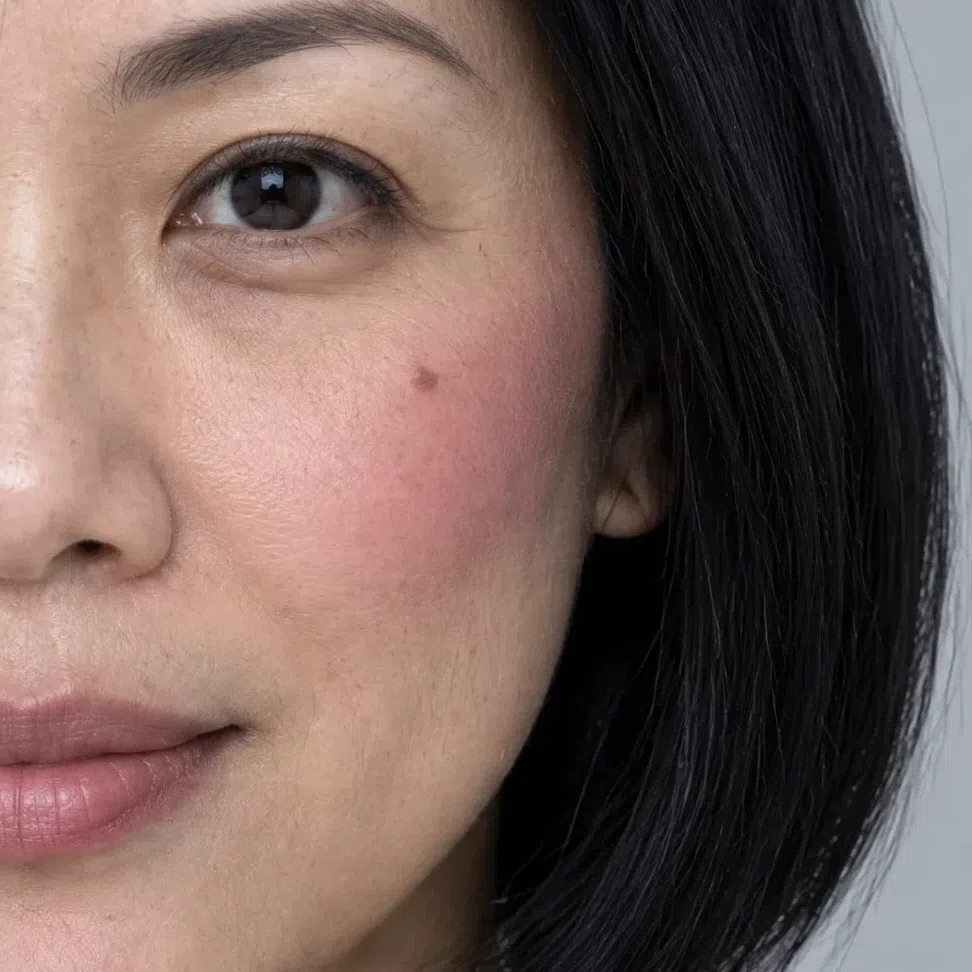
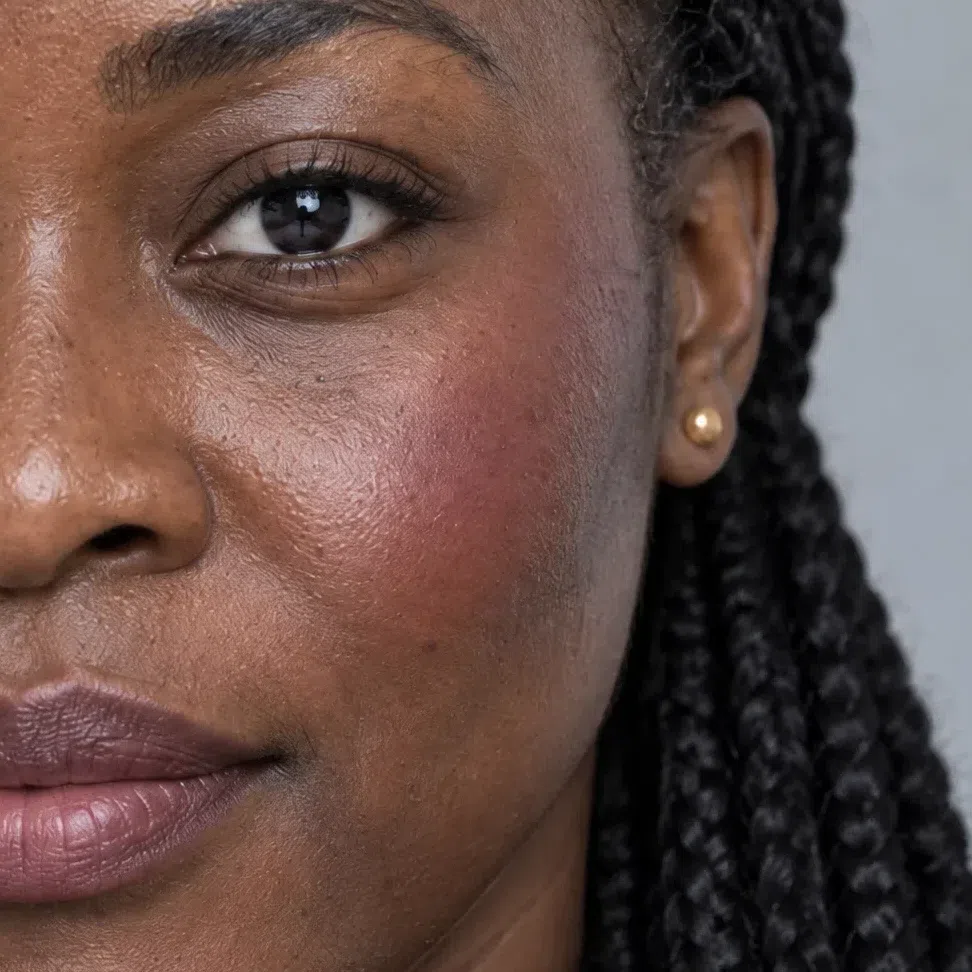
Highlighter matched to your depth
Icy champagne, silver, pearl pink or lilac pearl on the high points. A gold or bronze glow adds a warmth this face has no use for.
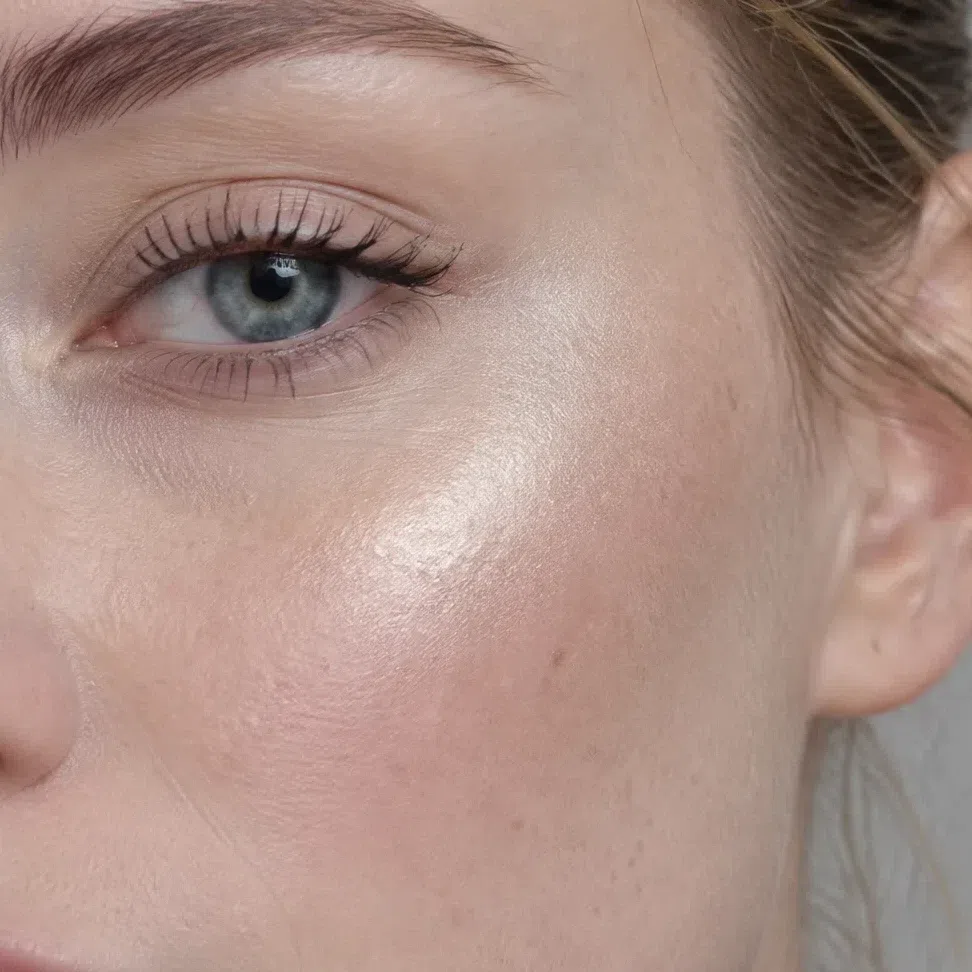
Contour
Light, or skipped: a cool taupe under the cheekbones and along the hairline. The look here runs on contrast, not a tan.
- Cool taupe contour #9C8878
Eyes: shadow, liner, mascara and brows
Everyday eyeshadow
Cold, quiet shades that still read clearly next to bright eyes.
- Frost gray #C7CDD4
- Icy rose #FDE9F4
- Icy lilac #CFC7E8
- Gray taupe lid #A69B92
Evening eyeshadow
Jewel colors and cool metallics at full depth.
- Jewel green #009B77
- French blue #1B7FC4
- Plum lid #6B3560
- Gunmetal #555B66
Eyeliner
Black for every day; navy and jewel green sharpen the eye whites against the iris. Brown liner softens the contrast this face runs on.
- Jet black #141414
- Charcoal #3F4448
- Midnight #1B2A4A
- Jewel green #009B77
Mascara
Black for maximum contrast, or a cold dark shade to lift blue and green eyes.
- Jet black #141414
- Midnight #1B2A4A
- Charcoal #3F4448
Brows
Cool, ashy browns, defined clearly but not heavily. Red-brown and auburn products argue with the hair.
- Cool dark brown brow #4A3A32
- Soft black brow #241F1E
- Ash taupe brow #6B5A50
- Dark ash brow #4F4A45
Lips: cold nudes, jewel brights and dark berries
Nude lips
For every day: cool pinks and berries that define the mouth without erasing it.
- Cool pink nude #D98BA0
- Orchid nude #B98CA0
- Berry nude #A85C74
Bright lips
The signature shades, and not only for evenings - with one of these on, the rest of the face can stay simple.
- Ruby #C8102E
- Hot magenta #D62598
- Shocking pink #E5007D
Dark lips
Near-black berries and plums for evening, cool all the way through. Coral, peach, terracotta and brown stay on the shelf.
- Deep plum lip #6B2350
- Blackberry lip #4A1F3D
- Cool wine lip #6E1A34
Hair shades
Cool darks, jewel accents, and the colors to leave alone
Hair color on a Bright Winter works when it keeps the contrast high and the tone cold. The darks deepen the frame around bright eyes and clear skin; the accents are for anyone who wants color for its own sake - this is one of very few colorings that can wear it without looking costumed.
Deep, cool darks
The classic route to maximum contrast, and it flatters porcelain and deep skin alike.
Dark, cold, glossy
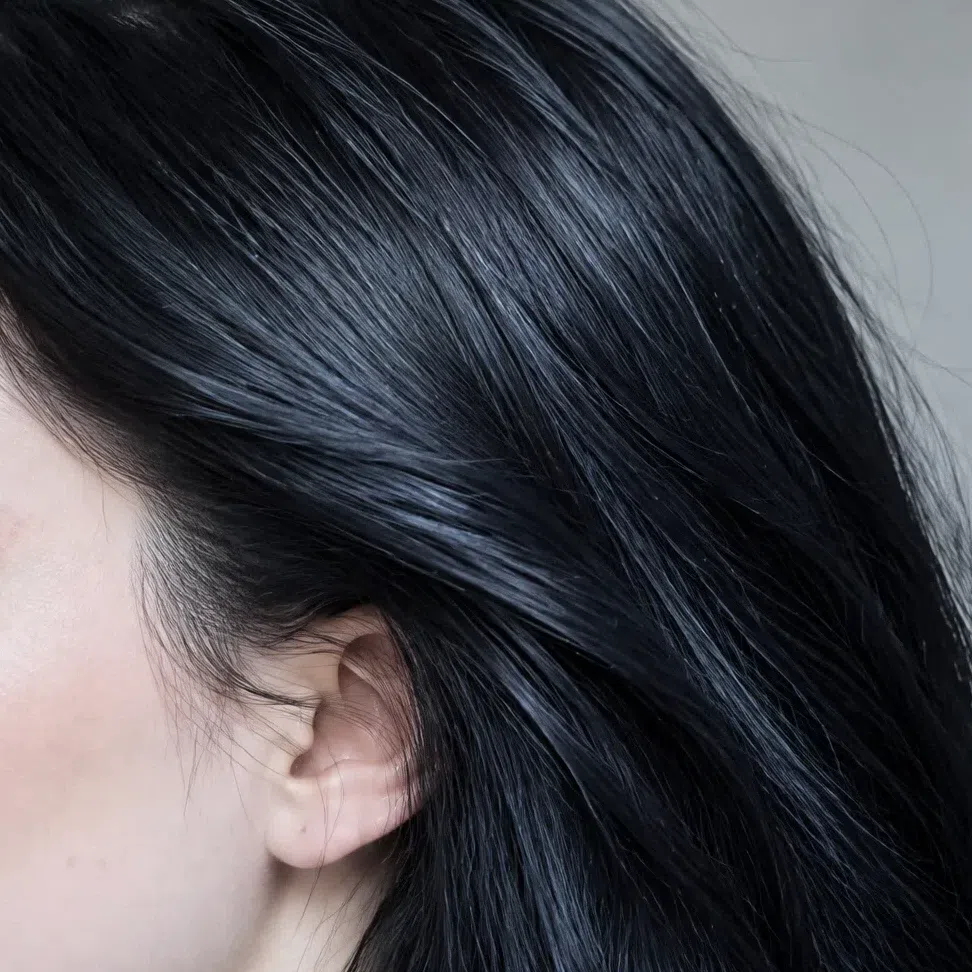
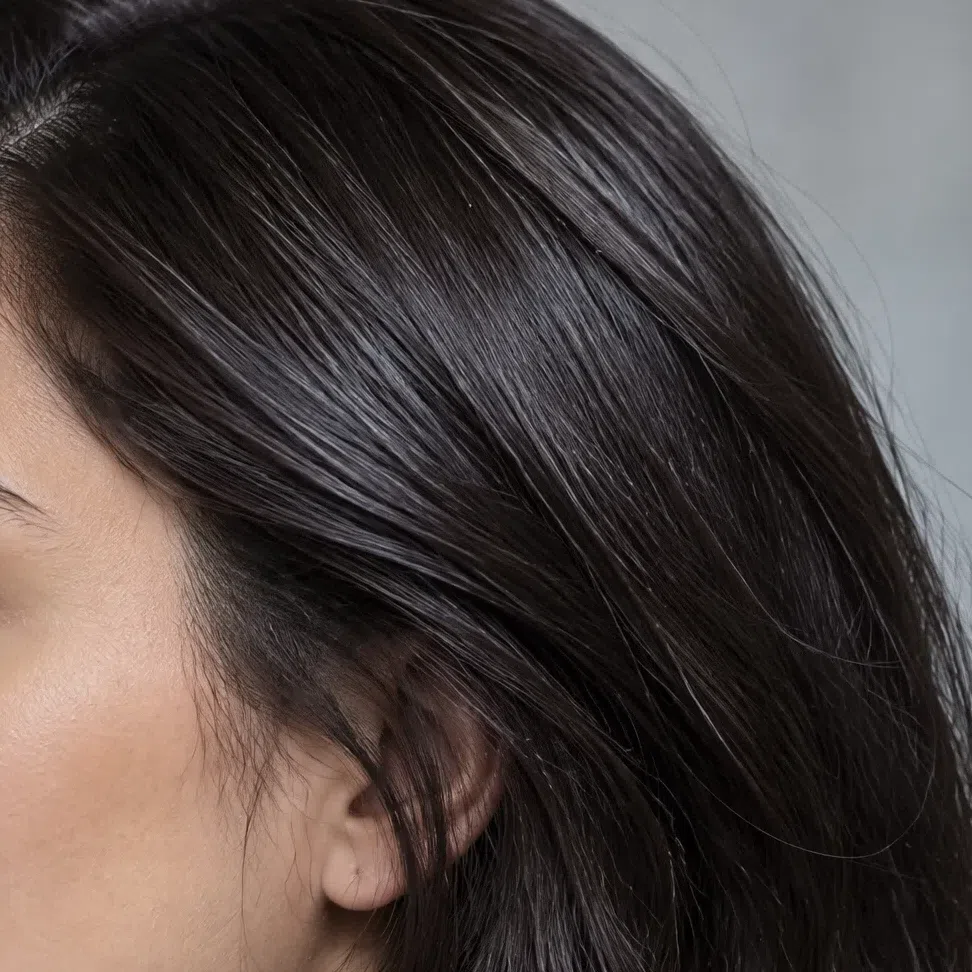
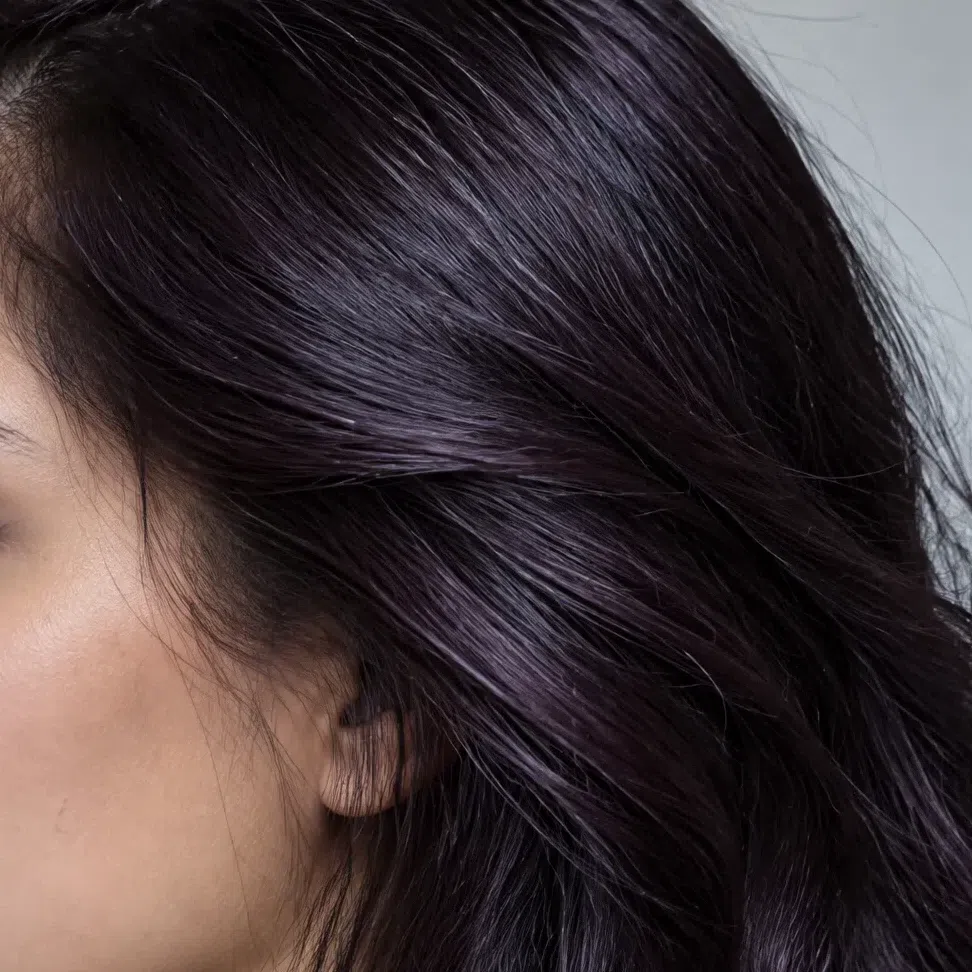
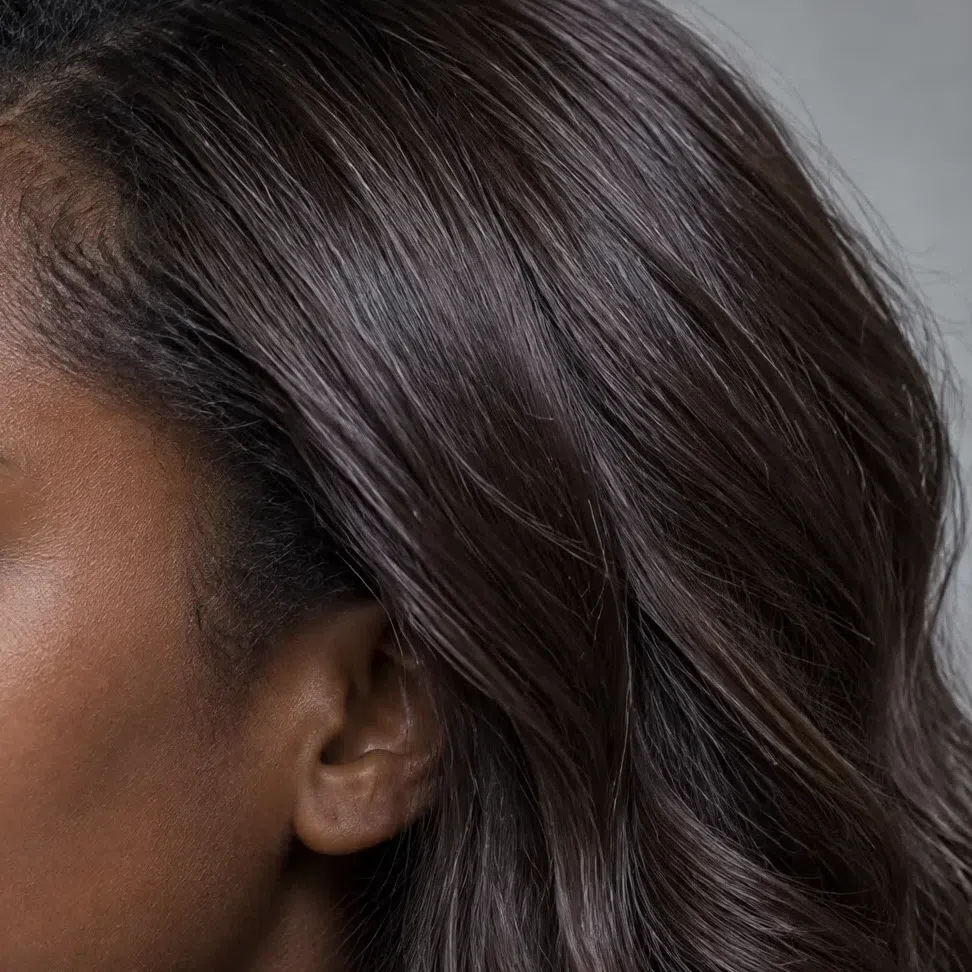
The strips step through neighboring salon levels, and the L number beside each tone is the one to quote to a colorist.
Jewel accents
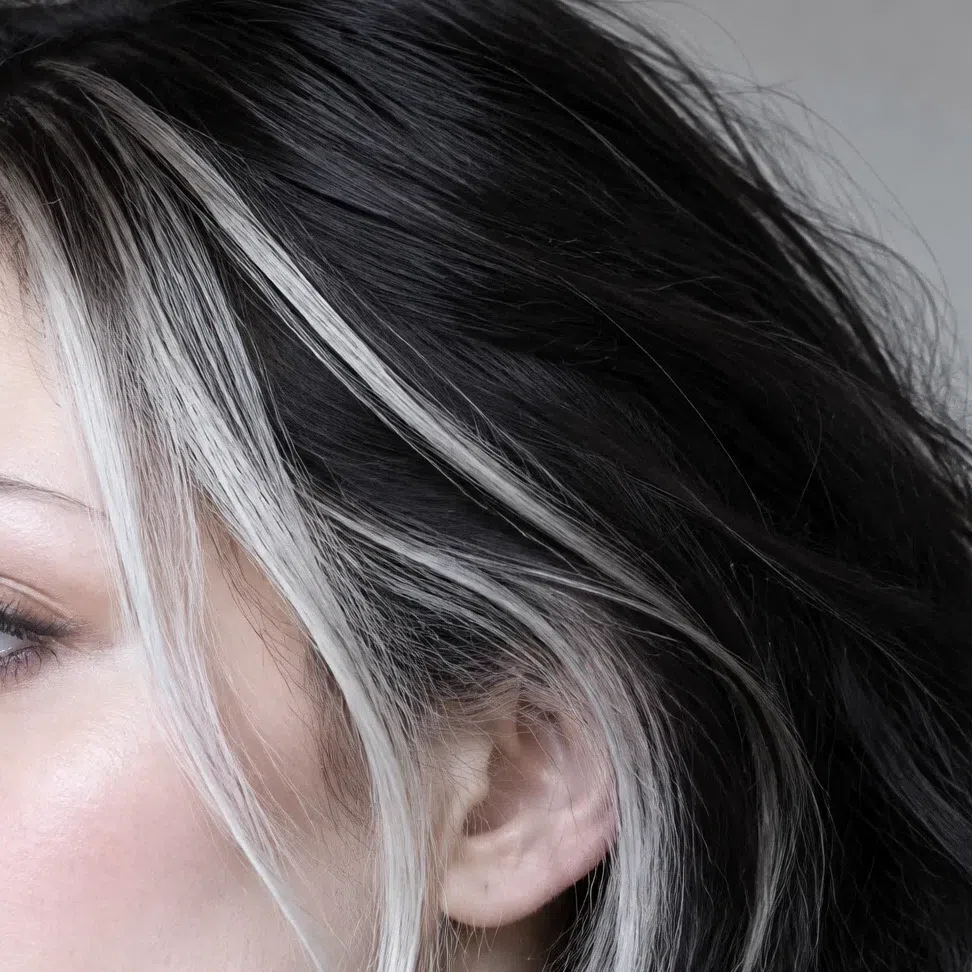
Color as a statement. Keep it clean and cold, like a gemstone, and set it against a dark base.
Bold, clean, cold
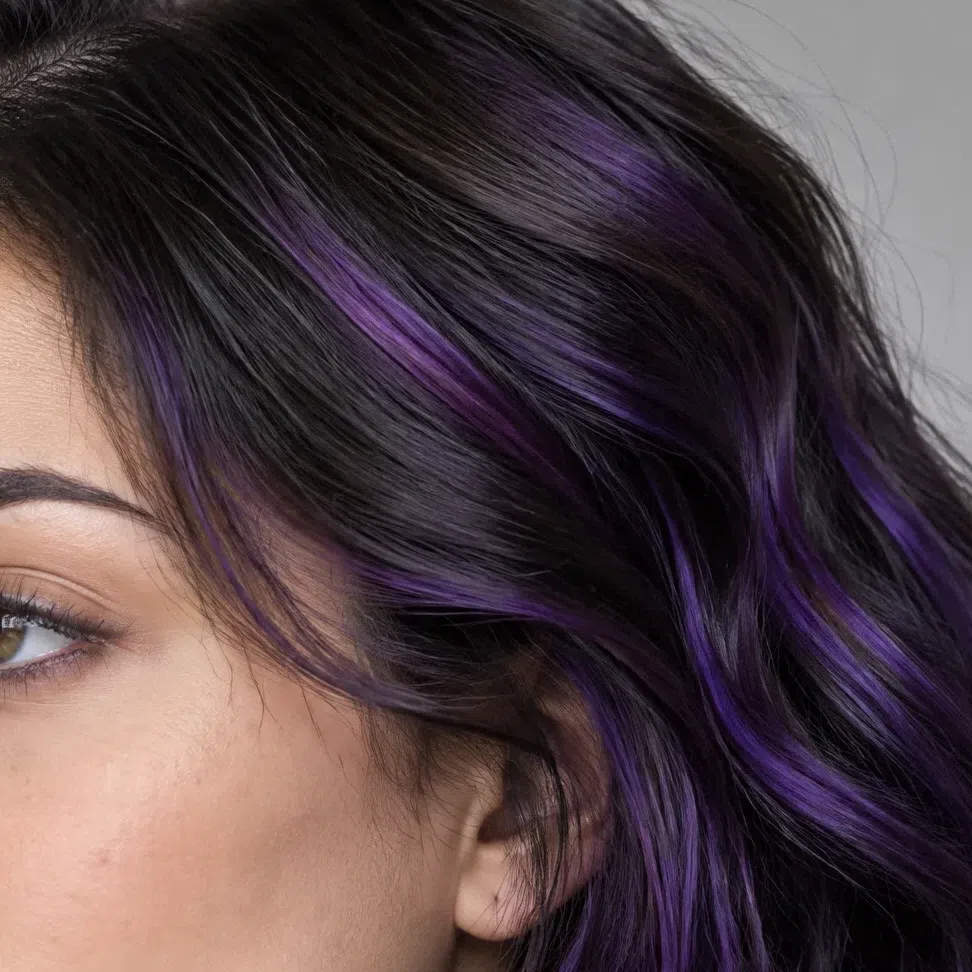
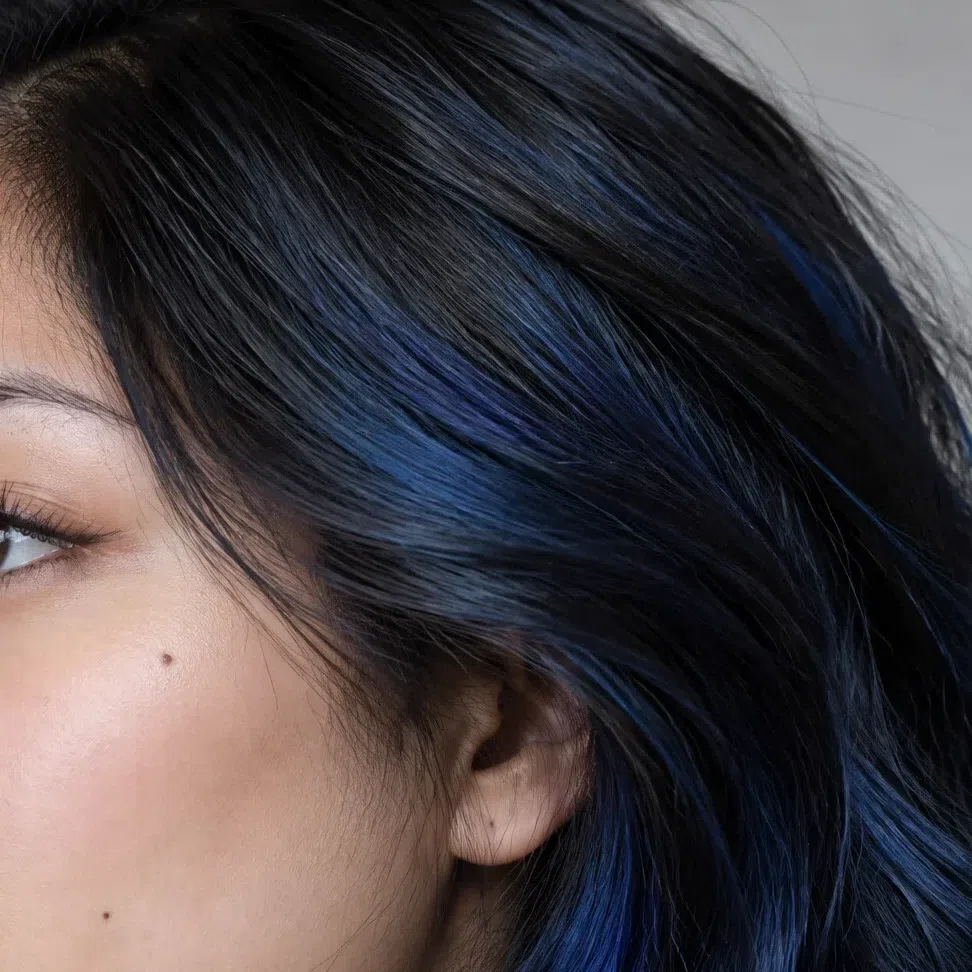
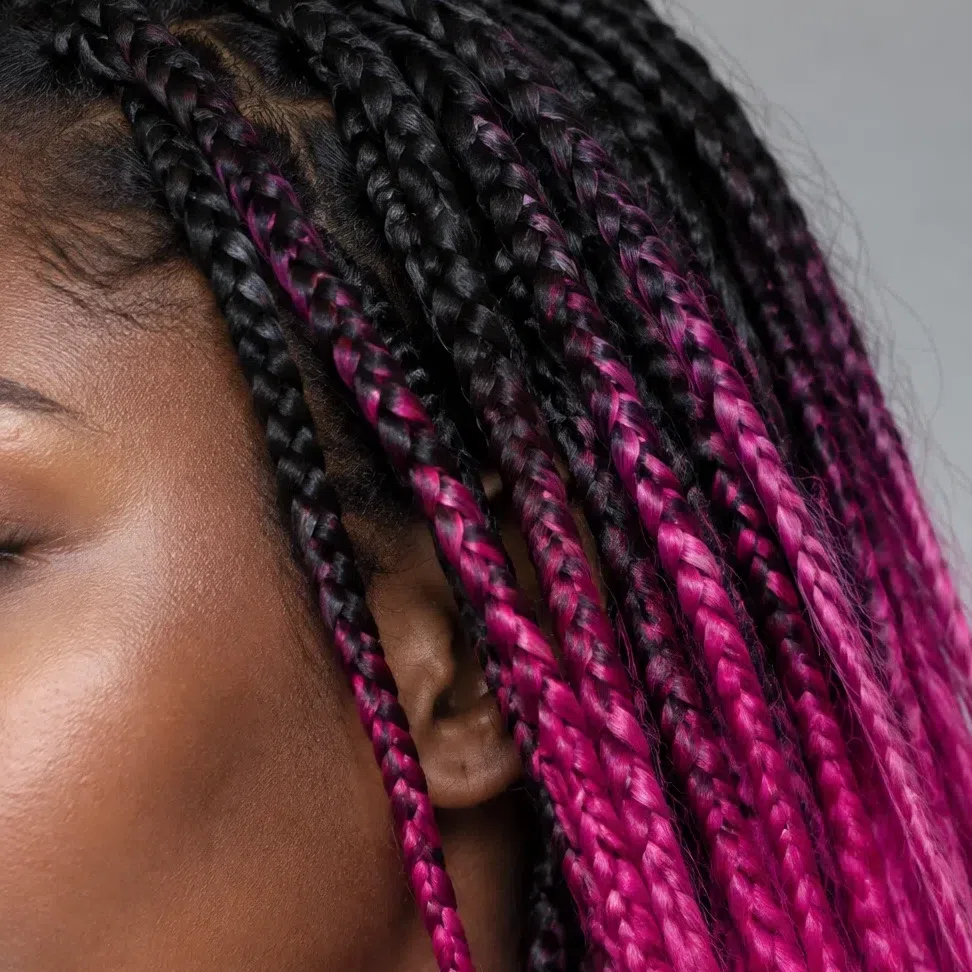
Hair colors to avoid
Two things undo this coloring: warmth, which fights the undertone, and dullness, which erases the contrast.
Warm and golden
Soft and dusty
Bright Winter vs Bright Spring, True Winter and Deep Winter
Three lookalikes, and a test to run in a mirror for each
People mistake Bright Winter for three other types, each for a different reason. Within winter, the disagreement is over which quality comes first: for Cool Winter it is the cold itself, for Deep Winter depth, and for you brightness and contrast. That is also where the search for a "cool bright winter" comes from - two colorings that are both cold, told apart by the strength of their color.
The trickiest mix-up is not a winter at all. Bright Spring is exactly as bright and exactly as clean, so the usual clear-or-muted check tells you nothing: you match on clarity, and only temperature separates you. That is where to start.
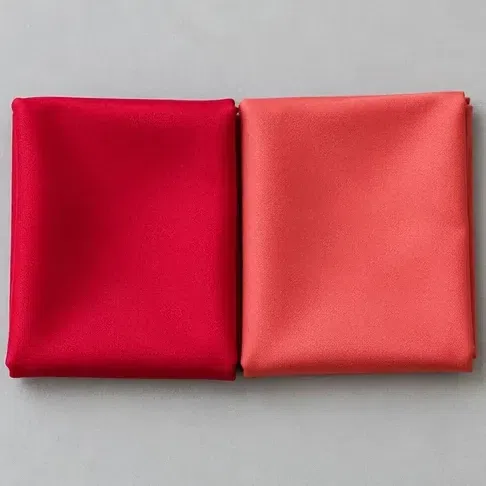
Hold a clean cold red under your chin, then a warm coral just as bright. Which one makes your face look cleaner?
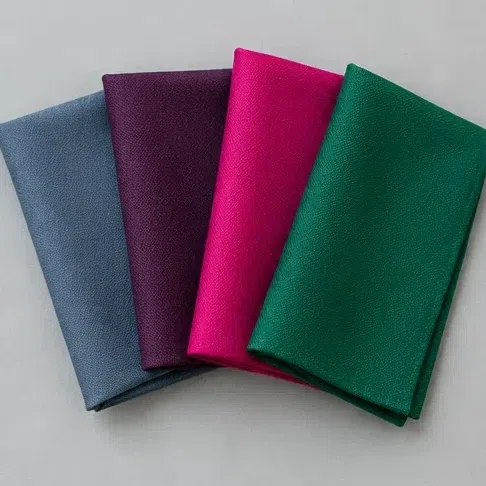
How strong a color can you wear right beside your face?
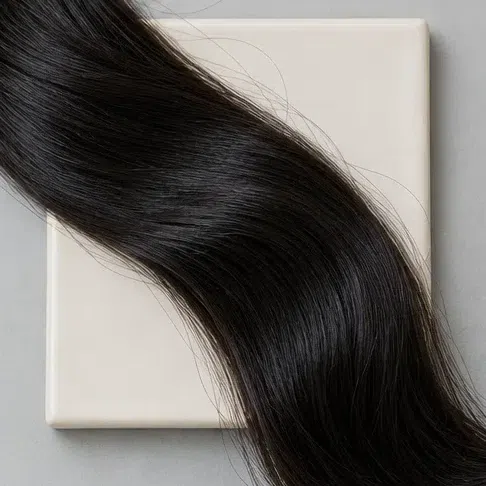
Look at your natural hair and your skin side by side. What does the step between them look like?
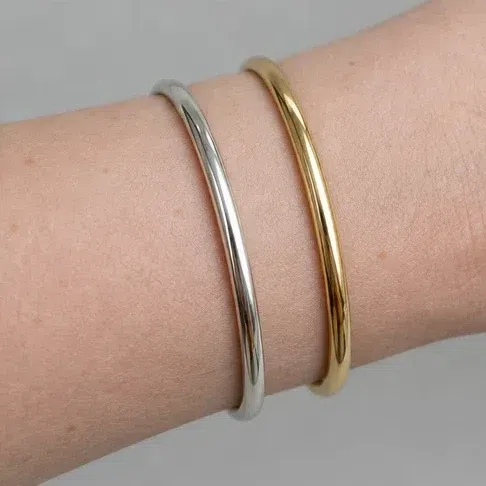
Silver or gold, held beside your face?
The answers agree: cold coloring at maximum contrast and clarity. This page is yours - start with the palette.
The temperature matches, but the cold itself leads rather than brightness, and very loud shades overpower you. Your guide is Cool Winter.
Depth suits you better than ringing color: rich dark shades pull your face together, while icy pastels get lost. See Deep Winter.
The same brightness with a warm undertone: gold and coral bring you to life, and a cold red leaves the skin grayish. Compare yourself with Bright Spring.
Four questions point you somewhere; they cannot rule. The borders between these four types are exactly where people misread themselves, and a photo analysis is how that argument gets settled.
Bright Winter vs Bright Spring
Bright Winter
Cold. Pink, blue-pink or clean olive under the skin, and a flush that comes up raspberry.
Dark and cool: blue-black, cool espresso, ash-based brown. The sun lifts nothing golden out of it.
Ruby, Jewel green, Hot magenta, Ultramarine - full voltage with blue underneath.
Optic white and Jet black, often together.
Silver, white gold and platinum.
Bright Spring
Warm. A golden or peachy undertone, ginger freckles, a coral flush.
Golden blonde through copper to warm chestnut, with gold showing in daylight.
Coral, warm turquoise, sunny yellow, leaf green - the same voltage with yellow underneath.
Ivory, camel and a warm navy; stark white and black look severe.
Polished yellow gold.
The test: magenta, then warm turquoise Take two drapes of equal strength - a clean magenta and a warm, yellow-leaning turquoise - and hold each under your chin in daylight. On a Bright Winter the magenta makes the face look rested and sharp, while the warm turquoise switches the contrast off and pulls a yellowish cast into the skin. A Bright Spring sees the mirror image. Neither color is duller or darker than the other, and that is the point: when brightness matches exactly, temperature is the only thing left to decide.
Bright Winter vs Cool Winter (True Winter)
Bright Winter
Brightness and contrast. Cold comes second.
High: very dark hair against much lighter skin, eyes that stand out.
Clean and ringing - Ruby, Jewel green, Hot magenta, Ultramarine.
Mutedness, not darkness.
Yes, as the light half of the palette rather than its base.
Cool Winter
The cold itself. Brightness comes second.
Medium to high: a softer step than a Bright Winter's.
Cool and a touch more restrained - icy, frosted jewel tones.
Color that is too loud, which talks over the face.
Yes, and they can carry an entire outfit.
The test: dusty blue, then Ultramarine Hold a dusty, grayed blue to your face, then a pure Ultramarine. If the dusty one makes you look tired and the clean one pulls your features together, you are a Bright Winter. That single swap is the whole disagreement between the two types, and it is what people are circling when they search for a "cool bright winter". So no, True Winter and Bright Winter are not the same thing: both are cold, but only one of them is led by brightness.
Bright Winter vs Deep Winter
Bright Winter
Maximum clarity. The color rings rather than broods.
The palette runs all the way up to the palest icy shades.
Ruby, Jewel green, Hot magenta, Icy blue.
A muted or complex shade that dims the face.
Sunlight on fresh snow and cut glass.
Deep Winter
High, with depth rather than ring.
The palette sits in the darker half.
Burgundy, deep emerald, aubergine, inky blue.
A shade so light it gets lost against the coloring.
A winter night lit by candles.
The test: a scarf in Icy blue Hold Icy blue under your chin. If it refreshes you and your eyes look lighter and clearer beside it, you are a Bright Winter. If it washes you out instead, and a navy or a wine suddenly looks more tempting, look at Deep Winter. The same pale shade that works as a real part of one palette reads as washed-out fabric in the other.
Two types still equally plausible after the tests? Return to the leading quality. If the first word anyone would use for your coloring is vivid, ahead of cold or deep, this is your page. For the wider picture, the color analysis guide covers all twelve.
Bright Winter: common questions
How do you tell if you are a bright Winter?
What undertone is bright Winter?
Is true winter and bright winter the same thing?
How is Bright Winter different from Bright Spring?
Are bright Winters rare?
What are the four types of winter?
What color would look best in a bright Winter?
What colors should a Bright Winter avoid?
Can a Bright Winter wear black and white?
What neutrals does a Bright Winter wear?
Is Bright Winter silver or gold?
What hair color would look best in a bright Winter?
What lipstick color suits a Bright Winter?
Can you be a Bright Winter with dark skin?
I'm a Bright Winter but I love warm colors. What now?
What celebrities are considered bright Winters?
Sources
A handful of sentences above make claims about light, skin and photography that anyone can check. Each of those gets a source here, with a note pointing at the sentence it backs.
-
Carole Jackson (opens in a new tab)
Wikipedia, 2026
The system this page narrows. Color Me Beautiful (1980) grouped winters with the blue undertones and advised them “rich saturated colors such as black, white, true red, fuchsia, and cobalt blue”. Splitting winter into Bright, Cool and Deep is a later refinement this article does not cover.
-
Human skin color (opens in a new tab)
Wikipedia, 2026
Behind the vein-test caveat in the checks: melanin is the main determinant of color in darker skin, whereas pale skin shows the tissue and the blood beneath it – the reason the veins are the least useful read on a deep complexion.
-
Color temperature (opens in a new tab)
Wikipedia, 2026
Supports the daylight-only instruction on the undertone tests in the checks. Its table lists standard incandescent lamps at about 2,400–2,700 K, cool-white LED lamps from 5,000 K, and overcast daylight at 6,500 K – three very different lights to judge skin under.
-
Grayscale (opens in a new tab)
Wikipedia, 2026
Behind the black-and-white photo test and the grayscale demo in the contrast block of the checks: a colorimetric conversion to grayscale keeps each pixel’s luminance, so what is left to compare between hair, skin and eyes is lightness alone.
-
Fitzpatrick scale (opens in a new tab)
Wikipedia, 2026
Stands behind one detail in the skin descriptions – that the fairest Bright Winters burn before they tan. The scale describes its palest type as one that “always burns, never tans”. It classifies sun reaction, not seasons, so it says nothing about how cool the tan turns out.
Only those five points are sourced. The 22 shades and 7 to avoid, the calls on metals, makeup and hair color, the depth-neutral reading of contrast, and the tests that separate this coloring from Deep Winter, Cool Winter and Bright Spring are our own analysis; color analysts draw these boundaries differently, and no study has settled which palette belongs to a Bright Winter.
What is color analysis, how do you find your season, and what are the 12 types?
The main guide covers all of it - the four axes your season is built from, all twelve subtypes side by side, and a free quiz that places you in about a minute.
What is color analysis? For women and men