Summer color palette: are you a Light, Cool or Soft Summer?
Cool, gentle coloring on fair, olive and deep skin alike. Find out if you're a Summer, which of the three - Light, Cool (True) or Soft - is yours, the colors every Summer shares, and why orange and mustard make the face look sallow.
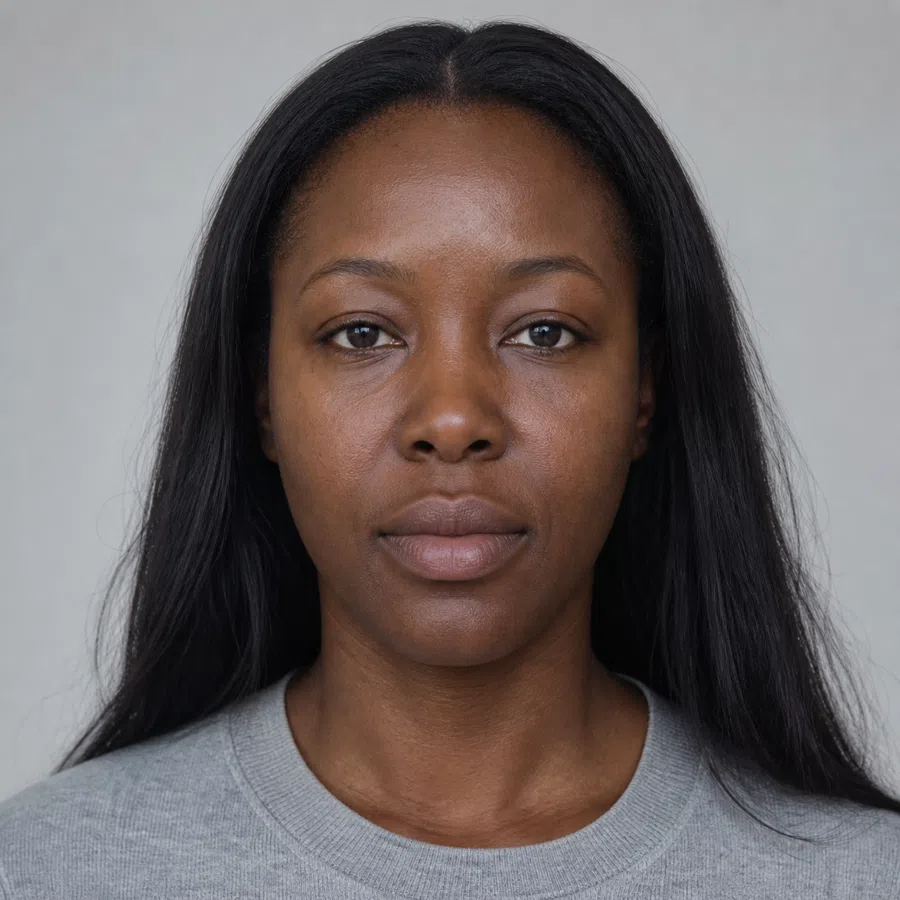
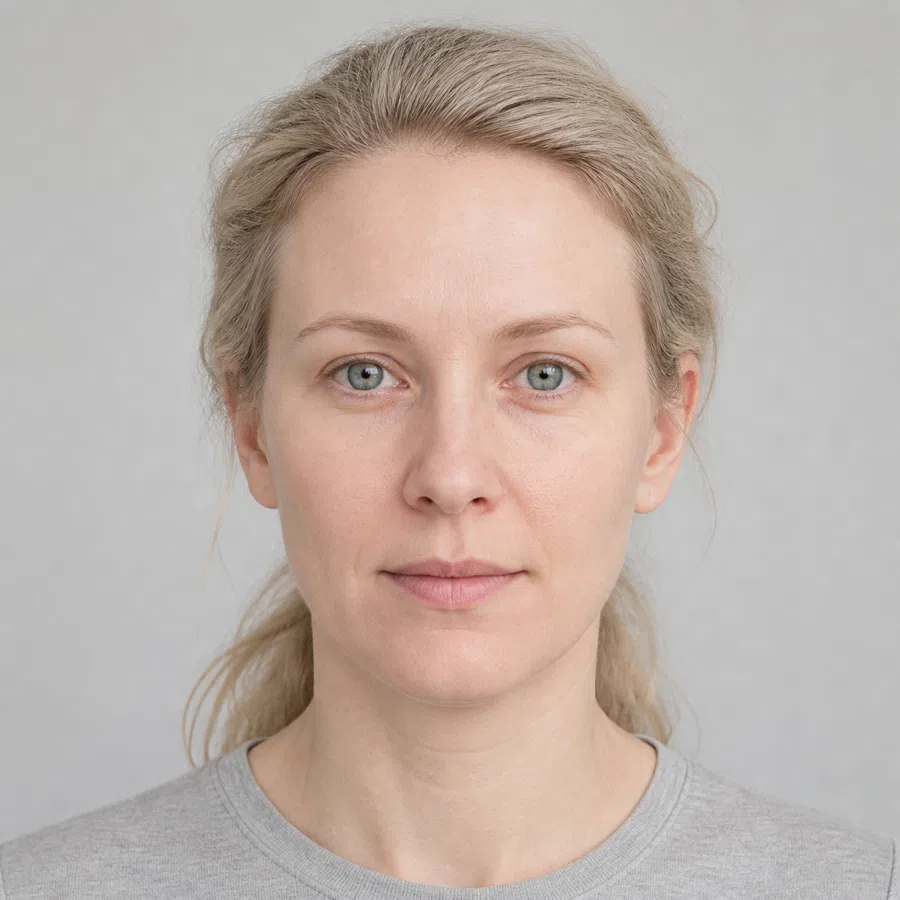
Every Summer is cool and soft: color with a little gray or blue folded into it, and nothing golden, orange or stark. She is a Summer with deep brown skin, and she opens the page on purpose - the season is usually pictured on a pale ash blonde, yet the shades that keep her complexion even and her lips rosy do the same at every depth - tap the faces beside her and watch the same twelve circles on a medium and a fair Summer. The first six circles are wardrobe neutrals, the next four are pastels for the neckline, and the last two are the deeper accents. Tap through and keep your eyes on her face rather than the fabric - the skin beneath her eyes and around her lips: a Summer shade leaves them clear, where a warm or harsh color would lay a dull, ashy film over the same skin.
Every Summer is cool and soft - rosy or blue-leaning under the skin, color that looks misted rather than sunlit or sharp - while skin depth varies freely, from porcelain to deep brown. Light Summer, Cool Summer (also called True Summer) and Soft Summer are that coloring pushed toward the palest, the coolest and the most muted.
Skin
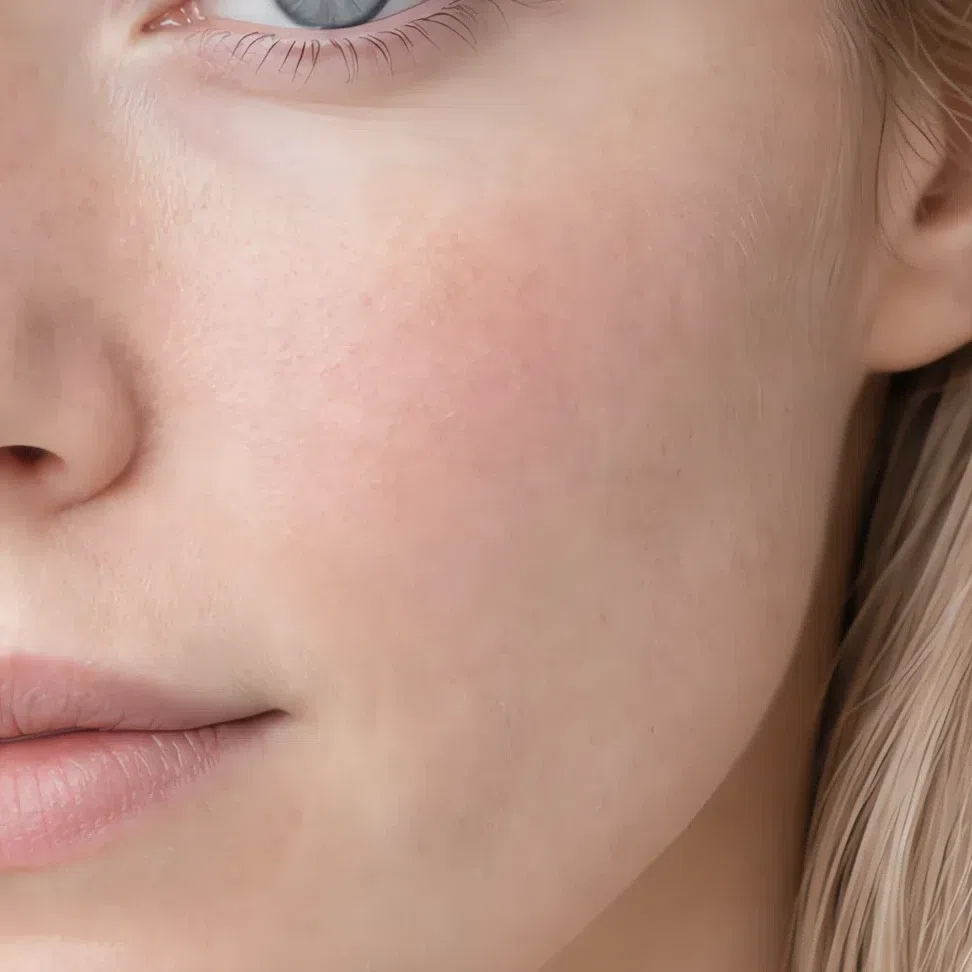
Pink, rosy or neutral-cool undertone at any depth; a tan turns ashy or rose-bronze, not golden.
Eyes
Soft rather than bright - gray-blue, gray-green, muted hazel or a gentle cocoa brown, with no gold flecks.
Hair
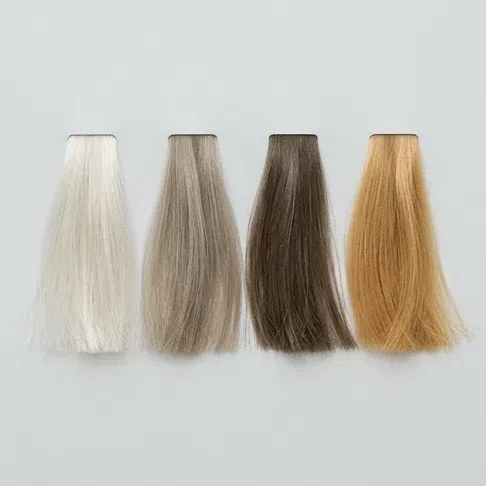
Ash at every level, from pale ash blonde to cool dark brown and soft black; no red, no brass.
Contrast
Low on Light and Soft Summer, medium on Cool Summer, and gentler than any Winter - so optic white and black overpower the face.
Metal
Silver, platinum and white gold; if it has to be gold, only a pale champagne.
Subtypes
Lightness leads a Light Summer, coolness a Cool (True) Summer, muting a Soft (Muted) Summer - whichever quality you notice first names yours.
The short version: warmth and hard contrast are what dim a Summer, not darkness, and that is as true of deep brown skin as of pale. To find your own Summer, go to Which Summer? below; if the fabrics leave you undecided, a photo analysis settles it.
Am I a Summer? Five ways to tell
Five checks for a daylit window, best done in this order
Two qualities hold for every Summer and one does not. The fixed pair is temperature and softness: the undertone is cool, and the whole coloring looks slightly veiled, as if a little gray or white had been blended into it. The free quality is depth - a Summer can have porcelain skin or deep brown skin, and depth shapes which of the three Summers fits, not membership in the season. Summers are usually misplaced in one of three directions: into Winter, which shares the coolness; into Spring, which shares the lightness; or into Autumn, which shares the softness. The order below goes from the broadest filter to the most decisive check.
The season follows undertone and softness, not how pale you are. Summers exist at every skin depth; the common ground is a cool undertone, blended rather than vivid coloring, and contrast that stays gentle.
11. Skin: cool underneath, whatever the depth
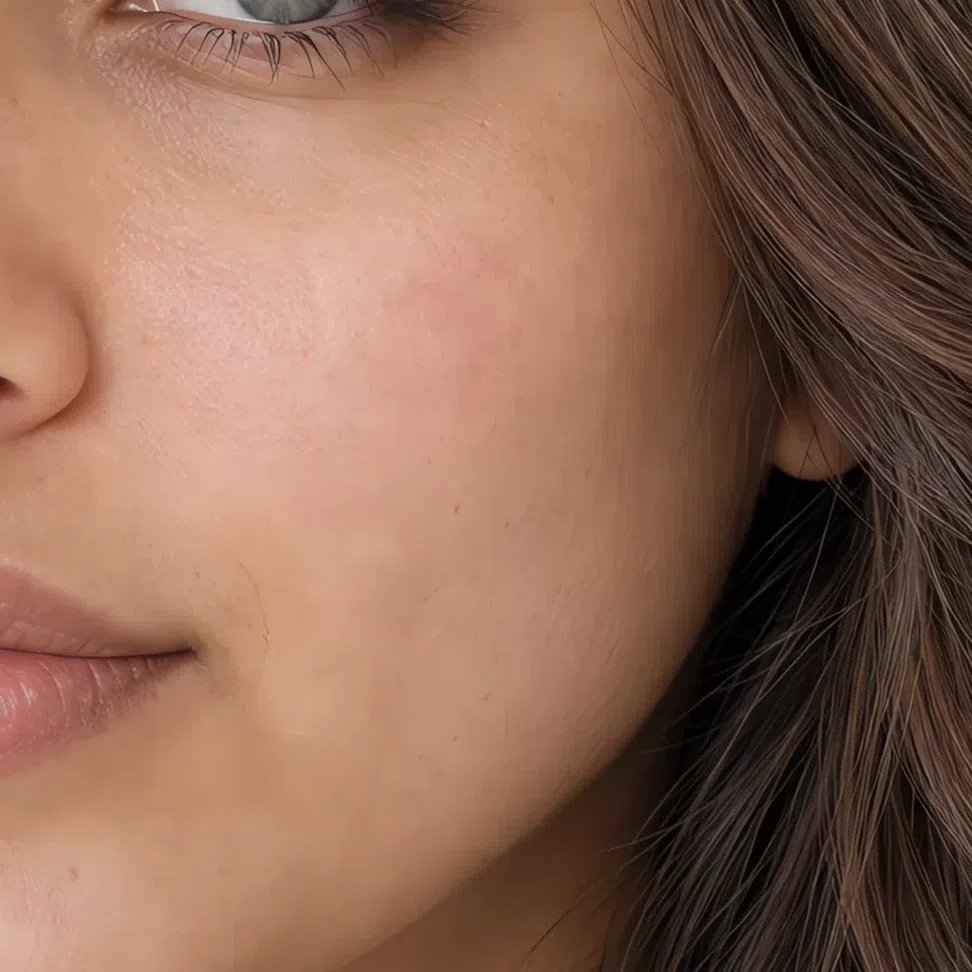
Read what sits below the surface. A Summer has pink, rose or bluish tones under the skin - on porcelain, on light olive, on beige and on deep brown alike.
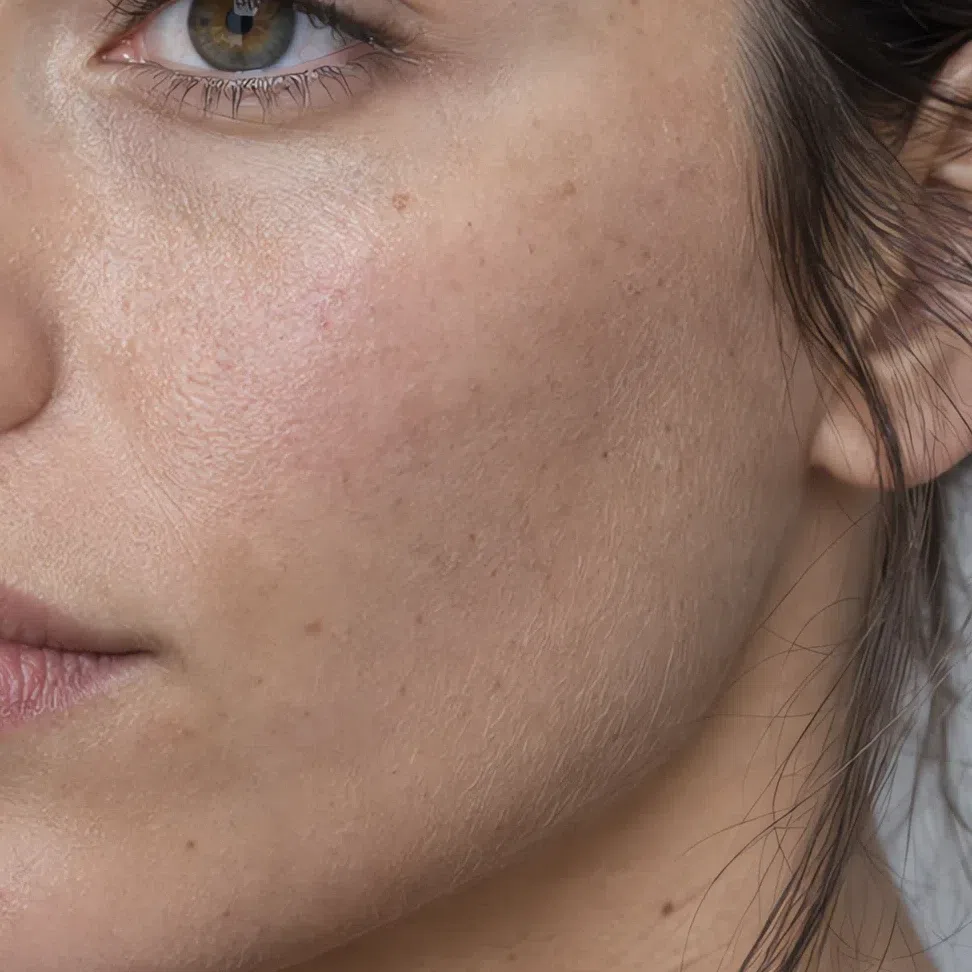
On fair skin it shows as a quick pink flush and redness that comes and goes. On olive skin the green is grayed rather than golden, on beige it reads rosy-taupe, and on deep brown it appears as a plum or rose undertone rather than copper. Sun turns a Summer ash-brown or rosy, or simply red, never the golden tan of a Spring or an Autumn, and freckles come up gray-brown instead of ginger.
One caution before the tests: Soft Summer sits close to neutral, so its skin can read as neither clearly cool nor clearly warm. A neutral result does not rule Summer out; it points toward the softest Summer and makes the drape test at the end decisive.
Three undertone checks
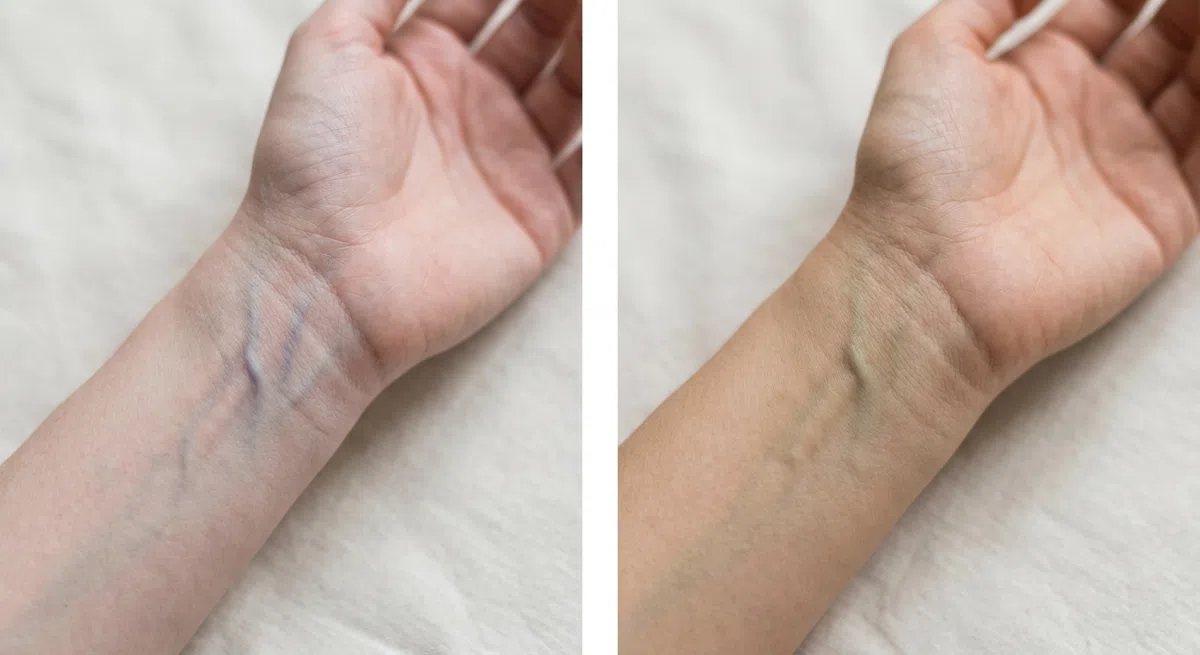
Test 1Vessels on the inner wrist
Only by a window - indoor bulbs tint the result. Turn your wrist up and take in the general tint of the vessels, not a single one.
Blue, violet or purple - cool. Summer is in play, and so is Winter.
Clearly green - warm, which points to Spring or Autumn.
A mix, or impossible to see - neutral, often a Soft Summer. Go on to the paper.
Weakest of the three. Deeper skin frequently hides the vessels completely, and very thin fair skin makes nearly everyone look blue. Let the paper overrule it.
Test 2Plain white paper under the jaw
Bare skin, hair pulled back, daylight. Use bright copier paper, not cream, and study the edge where the sheet touches skin, ignoring the rest of the face.
Skin looks rosy, pink or slightly blue beside it - cool, the Summer result.
Skin looks yellow, golden or peachy - warm.
Skin looks muted and a little gray - neutral. On a Summer, that usually means Soft Summer.
This one reads the same on every depth, which is why it carries the most weight. Wait a few minutes after exercise, a hot shower or cold air, since a passing flush reads falsely pink.
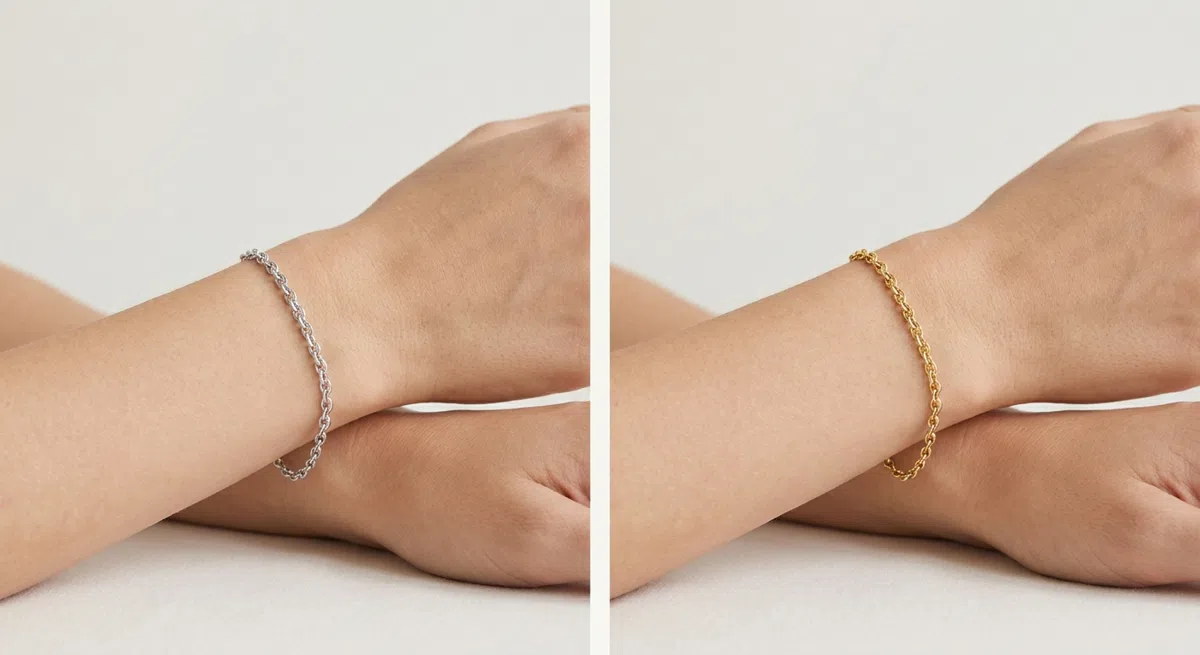
Test 3Silver beside yellow gold
Two simple pieces without stones. Lay each against the wrist or hold it by the cheek, and judge the skin right next to the metal.
Silver wins - the skin looks clearer and calmer. Most Summers land here.
Gold wins - the skin looks livelier with it; a warm undertone.
No clear winner - neutral. Brushed silver usually edges it on a Soft Summer.
Shine can mislead: a polished gold piece flatters almost anyone for a second. Look at the skin an inch away - gold should leave a Summer faintly yellow or sallow there, silver should not.
When the paper and the silver both come back cool, Spring and Autumn are out. Summer or Winter is left, and contrast - check 4 - is what separates them.
Fair - porcelain with a pink flushOlive - grayed, with rose in itMedium - rosy-taupe beigeDeep - brown with a plum undertone
22. Eyes: soft-edged, never glittering
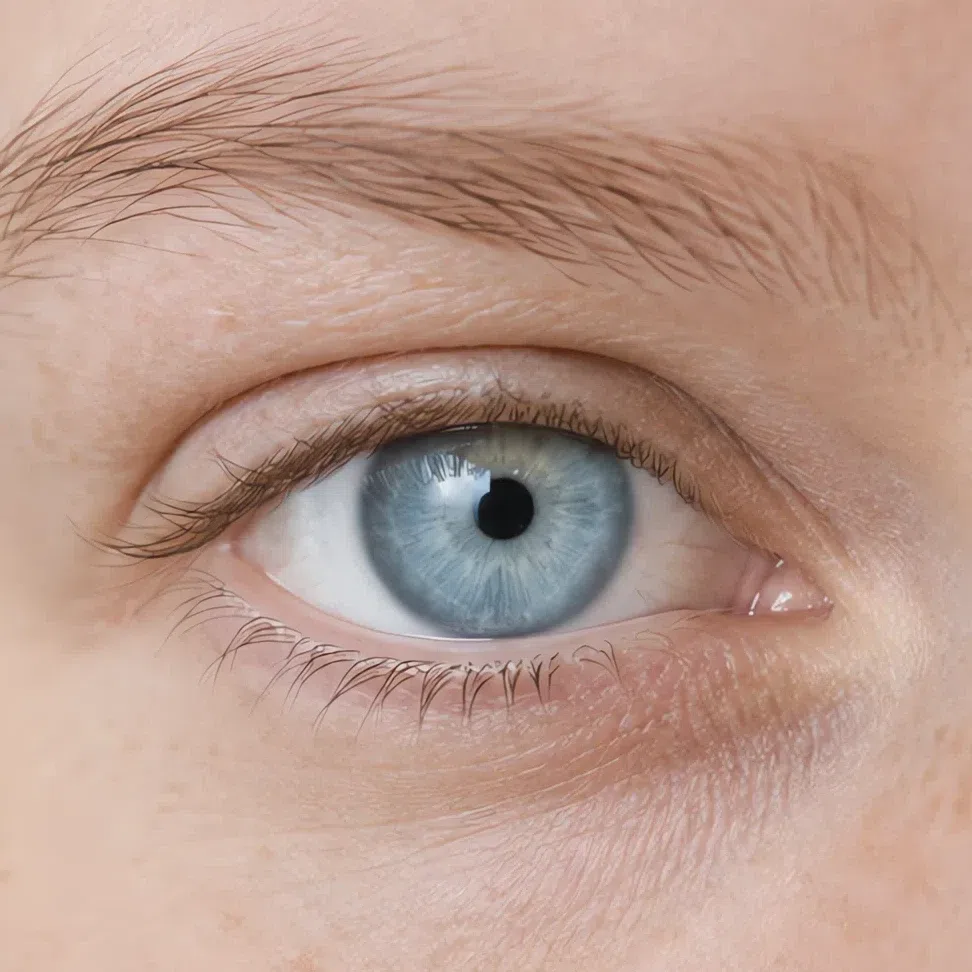
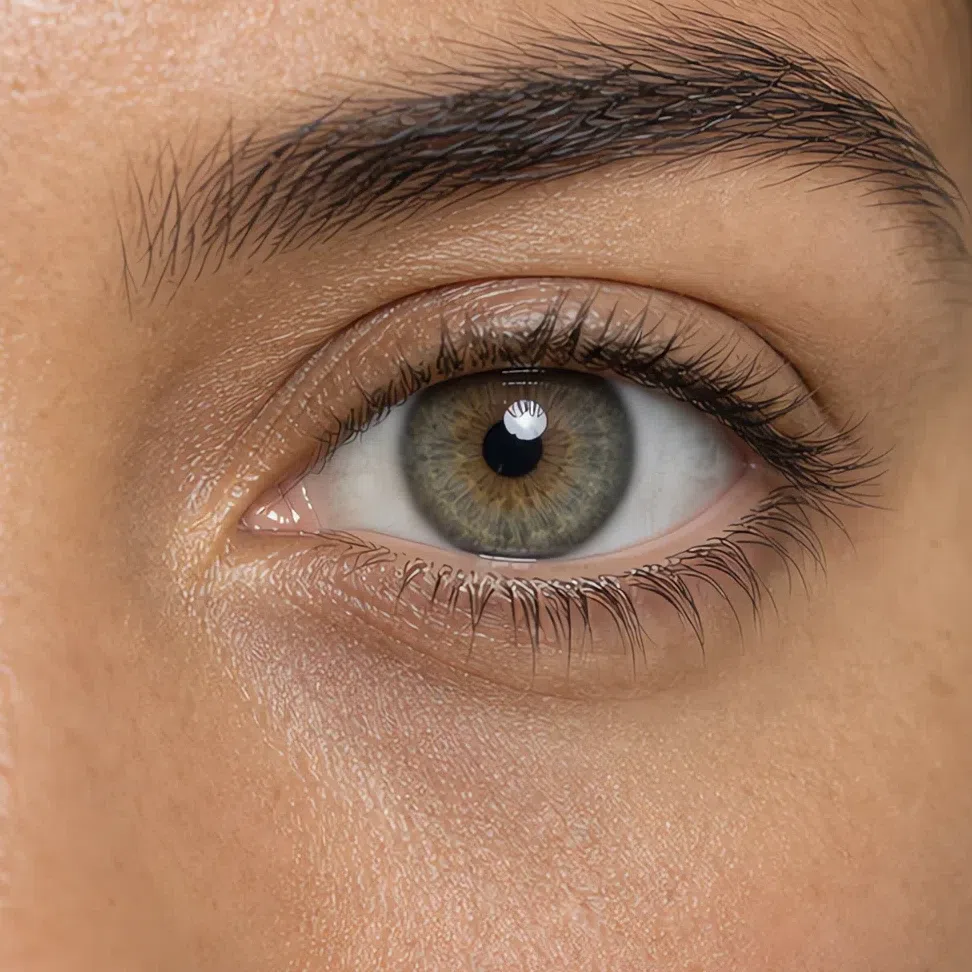
Summer eyes look gentle rather than bright. The iris blends at its edges - gray-blue, gray-green, soft hazel, taupe or a grayed cocoa brown - and there is no gold or amber glint around the pupil.
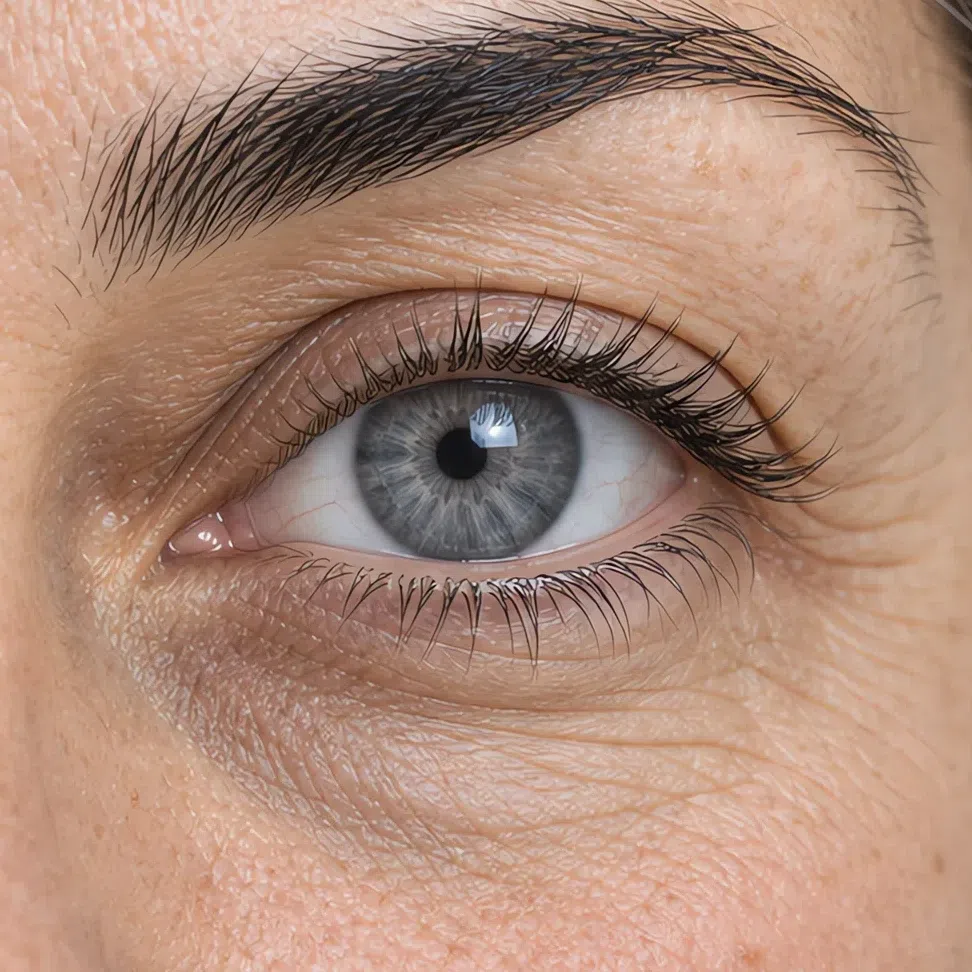
Color alone does not decide it. Summers can have brown eyes, at every skin depth; they are a soft, slightly smoky brown rather than a glossy chocolate or a lit amber. What all Summer eyes share is the blend: no sharp dark ring around the iris, whites that look soft rather than stark, and a gaze that reads calm. An icy, vivid blue or a near-black brown with bright whites belongs with Winter; a green or hazel full of gold flecks leans Spring or Autumn.
Look at how the iris is drawn, not at its color: a blended edge with no warm flecks is a Summer eye, blue or brown.
Gray-blueGray-greenGray-hazelSoft taupe-brown on deep skin
33. Hair: ash from the palest to the darkest
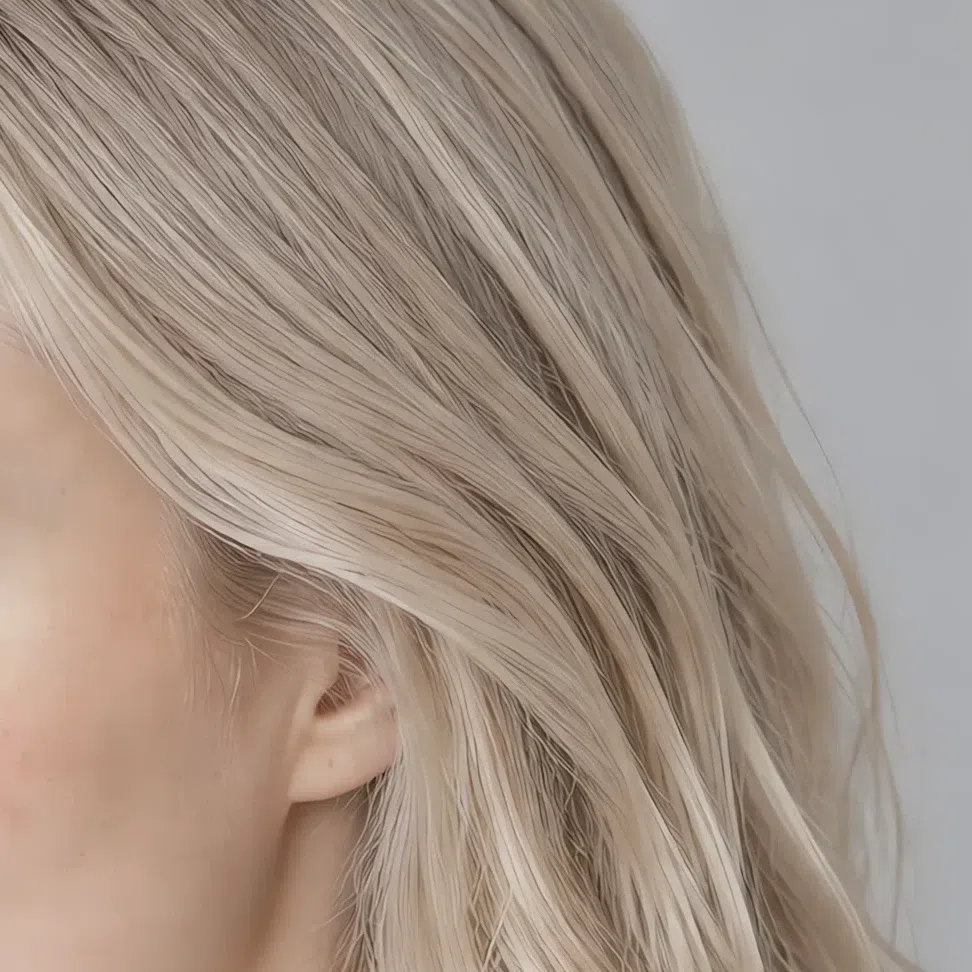
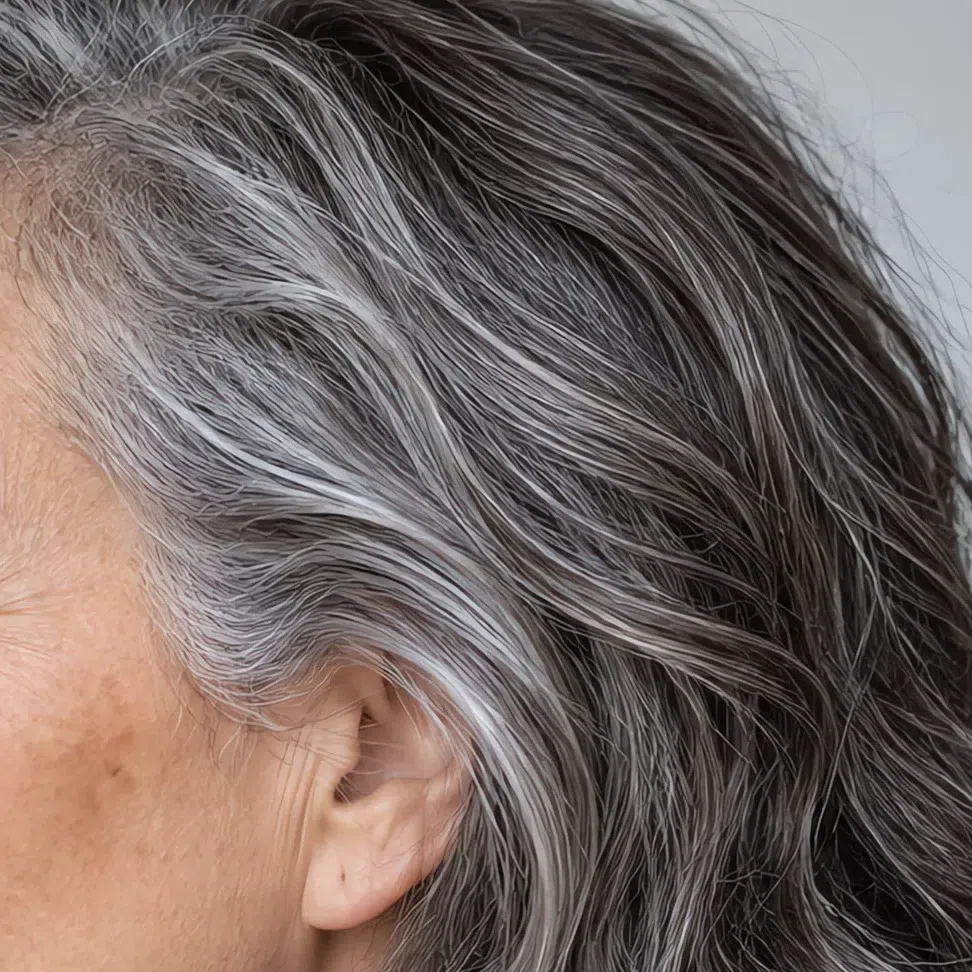
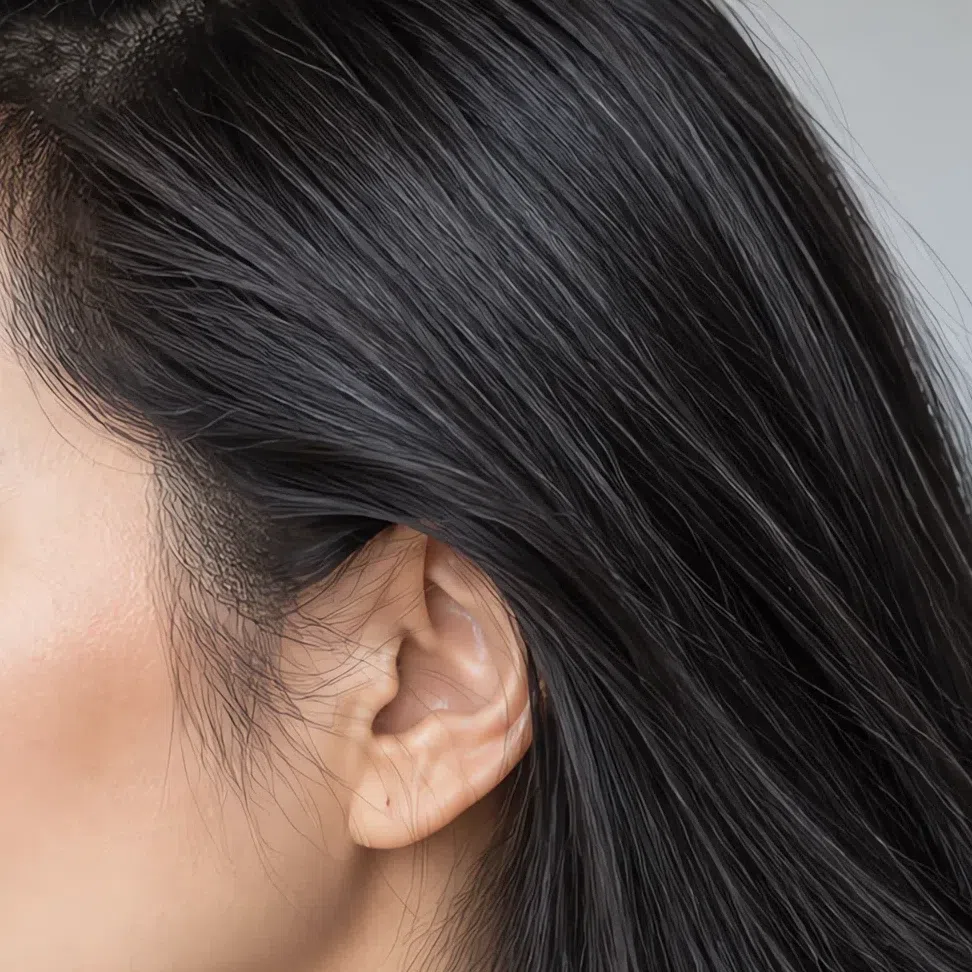
Natural Summer hair carries no red or gold at any level. It runs from ash blonde through mousy and ash brown to a cool deep brown or a soft black, and the sun lightens it to ash, not honey.
Level is not the test; the cast is. Hold a strand to a window: Summer hair looks gray-toned or smoky, where Spring and Autumn hair show gold, copper or red in the same light. With deep skin the hair is frequently near-black, and you read it the same way - a cool, soft black or dark brown with no reddish sheen at the ends. Summers also tend to gray toward silver rather than yellowish white.
Colored hair hides the answer. Go by regrowth at the part, or an old undyed photo. A tell many Summers recognize: warm dyes such as copper, caramel or golden blonde looked oddly artificial on them.
If daylight shows ash or smoke in your natural color at any depth, that is a Summer or Winter sign; gold or copper sends you to the warm seasons.
Summer and Winter are both cool, so this check is what pulls them apart. Hair, skin and eyes sit at neighboring or moderate distances on the light-to-dark scale; nothing jumps from near-black to near-white.
Light Summer and Soft Summer have the lowest contrast in the whole system - features melt into one soft register. Cool Summer has the most of the three, a visible step between darker hair and lighter skin, but still well short of the Winter look: jet hair and brows cutting against pale skin, or a vivid eye in a very dark face. Deep-skinned Summers follow the same rule - a dark face with dark hair and a soft transition between them.
Contrast is the gap between hair and skin, not how dark either one is. A deep face with a moderate gap is still a Summer.
Test it on your own photo
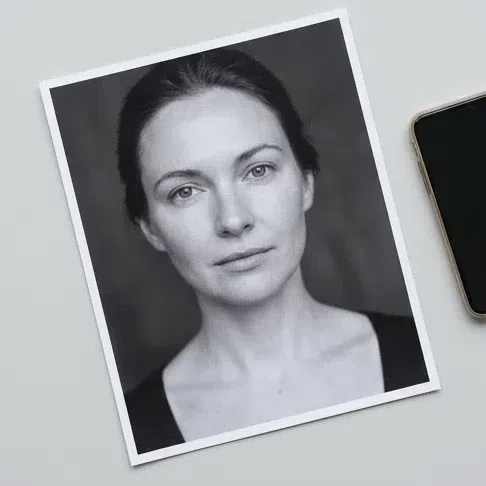
Snap a makeup-free selfie by a window, then desaturate it. When hair, skin and eyes blur into nearly one gray, your contrast is low; if the edges show but stay soft, it is medium. Hair or brows that drop to black against much lighter skin point to Winter.
Very low - a Soft Summer, light skinMedium - a Cool SummerLow - a Soft Summer, medium skinDeep skin, soft transition
Contrast with the color switched off
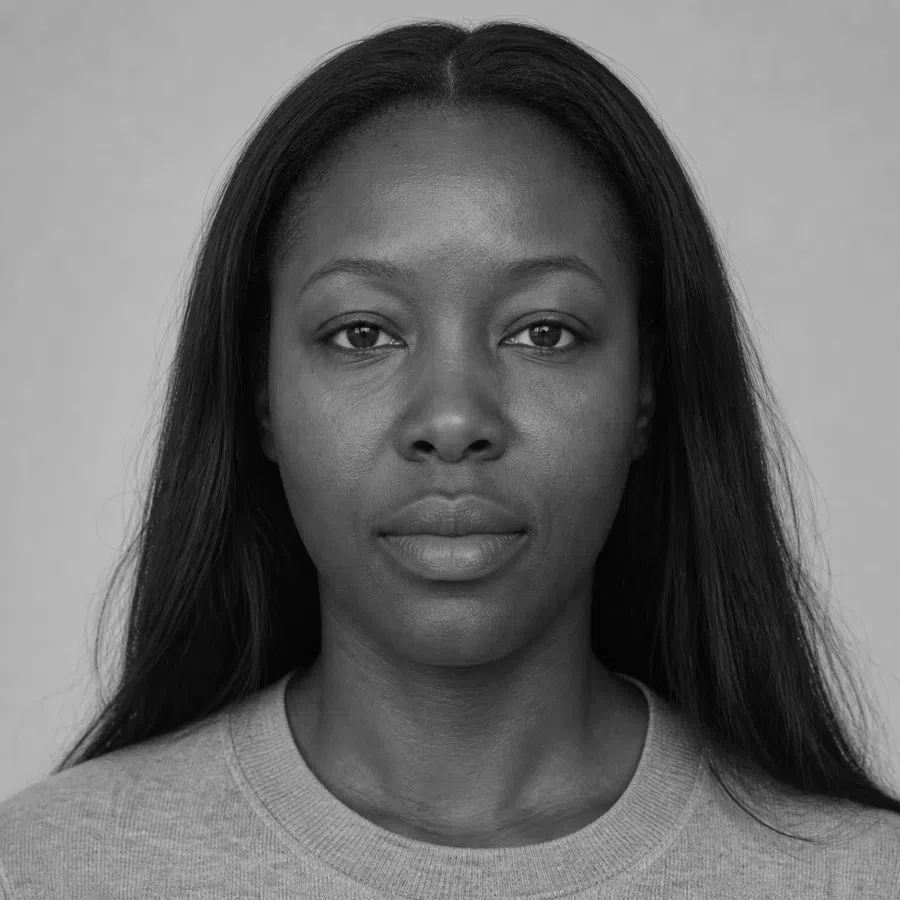
A Summer photographed in daylight on the left; the same frame drained to grayscale on the right. Once hue is gone, only lightness is left, and her hair, brows and skin come out as close neighbors on the gray scale.
In colorHue removed
Summer, fairAsh hair only a shade below the skinSummer, deepLower on the ramp, and still no cliffDeep WinterBlack hair dropping away from pale skin
HairSkinRamp runs black to white
Read every ramp separately. Depth is where a pair of dots lands; contrast is the distance inside the pair. The deep Summer's hair lands almost level with the Winter's, but her skin comes down with it, so the gap stays moderate. The Winter's skin stays up near the light end while her hair falls to black - that long gap is what no Summer has. Deeper faces spread a little more by nature, so compare a portrait with the Winter beside it, not with the fair Summer.
55. The drape test: fabric at the chin
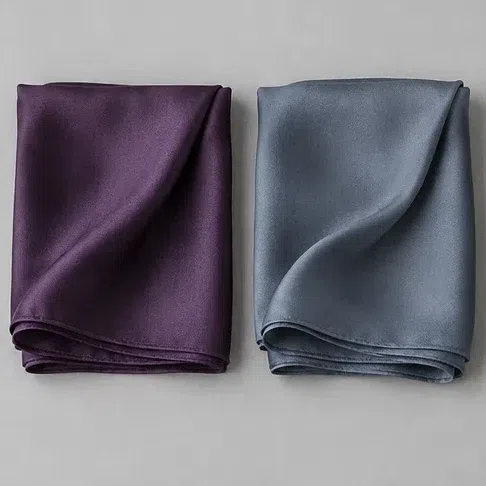
The most reliable of the five, and the one that settles a borderline case. Bare face, daylight, a mirror: hold each fabric just under the chin and watch your skin, not the cloth.
Cool, softened colors should make a Summer look fresher: the skin evens out, circles under the eyes fade, and features look more defined. Warm, bright colors do the opposite - the skin turns gray, tired or faintly yellow, shadows deepen, and the features blur. If orange and coral do that to you while dusty rose and smoky blue make you look rested, you have your season. Black is hard to judge as a small swatch, so try a real black top in a mirror; on a Summer it usually makes the face look paler and more tired than the same top in gunmetal.
Shades that refresh the face
When these calm your skin and lighten the shadows, you are looking at your season:
Dusty rose
Lavender
Duck egg
Smoky blue
Muted berry
Mint
Pewter
Soft white
Shades that tire it
If these turn your skin gray or yellowish and bring out shadows, they are not yours:
Bright orange
Mustard
Bright yellow
Jet black
Optic white
Summer vs Spring vs Autumn vs Winter
Two axes sort all four seasons. Temperature groups the cool Summer and Winter apart from the warm Spring and Autumn; softness puts Summer and Autumn together against the clearer Spring and Winter. Read those two rows first - everything below them follows.
If two columns both fit, reread Temperature and then Clarity: Summer is the cool, soft one; Winter pairs cool with clear, Spring warm with clear, Autumn warm with soft. Which of the three Summers you are comes next.
Three Summers
Which Summer are you: Light, Cool or Soft
All cool, all soft - but each led by a different quality
Summer divides into three, and the divide matters in practice: a color that brightens a Light Summer can look heavy on her, flat on a Soft Summer and timid on a Cool Summer. Every Summer is cool and every Summer is soft; the subtypes differ in which of their qualities is strongest. Lightness leads a Light Summer, coolness leads a Cool Summer (the one many sites call True Summer), and muting leads a Soft Summer. Once you know your lead quality, the palette, the wardrobe and the makeup all narrow to one column.
When two columns still tie at the bottom, leave the fine print. Pick the one adjective a friend would use about your coloring first: pale, cool, or soft.
The lightest Summer, bordering Light Spring. Lightness leads, so pastels flatter her and anything dark or dense overwhelms - a navy sweater at her collar reads as borrowed from a sister with darker coloring.
Skin very fair and porcelain, a cool pink undertone; burns instead of tanning
Eyes light blue, gray, gray-green - watery and soft at the edges
Hair from pale ash blonde to light ash brown, with no gold at any level
HeatherPeonyPowder blueMintWisteriaDenim
The one rule: Keep outfits in the lighter half of the value scale and add interest with texture, not darkness.
Also called True Summer, and the Summer that borders Cool Winter. Coolness leads, which is why she can take more saturation than the other two: a clear gray-blue sharpens her face, while a dusty khaki makes it look slightly unwashed.
Skin rosy, pink or porcelain at any depth; a tan goes ash, never gold
Eyes gray-blue, steel, gray-green or a soft taupe-brown, with no gold flecks
Hair ash brown through cool dark brown, darker than the skin but softly so
Also called Muted Summer, and the Summer closest to Autumn. Temperature is nearly neutral here and low saturation decides: a clean bright color arrives before her face does, while grayed, complex shades sit on her evenly.
Skin neutral with a cool cast, sometimes grayish or olive, at any depth
Eyes smoky gray-blue, gray-green or muted hazel; the iris looks blended
Hair mousy light to medium brown, or deeper on deep skin, always ashy
TaupeSlate blueDusty roseLavenderSageMuted berry
The one rule: Choose shades with gray underneath them - that gray is what pulls this coloring together.
Each question isolates one quality. Answer by daylight with a bare face, and treat the result as a direction to test, not a final answer - the edges between the Summers are where self-typing slips most often.
Question 1 of 4
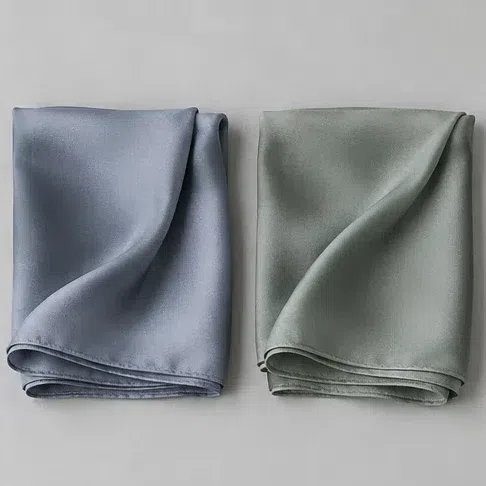
Try two scarves at the collar in turn: a clear gray-blue and a dusty sage. Which one works better?
What is your natural hair color, without dye?
How much darker is your hair than your skin?
What does a strong cool color do for you - plum or smoky blue, say?
Your likely subtype
Looks like Light Summer
Everything about your coloring stays pale, and a dense color at the collar weighs on it. Lightness leads, coolness follows.
Four questions narrow the field; they cannot close it. A photo analysis gives the answer.
Other names for the Summers
Twelve-season and sixteen-season systems label the Summers differently, and consultancies add names of their own. Several of those labels are not separate seasons under the twelve-season method used here. Here is where each one belongs.
True SummerCool Summer palette
Another name for Cool Summer - the Summer led by coolness, sitting next to Cool Winter. Same coloring, same palette.
Cool Summer →
Muted SummerSoft Summer palette
Another name for Soft Summer - low saturation leads, the undertone is close to neutral, and Soft Autumn is the neighbor. Same coloring, same palette.
Soft Summer →
Dusty SummerSame as Muted Summer
Used by some consultants for a Soft Summer with especially grayed, cool coloring. It is a shade of Soft Summer rather than a fourth Summer.
Soft Summer →
Bright SummerLight Summer + Cool Summer
Not a season in the twelve-season system. People who search for it usually have a light, cool coloring that takes clearer color than most Summers: that is Light Summer or Cool Summer. If truly vivid color - fuchsia, cobalt - suits you, check Bright Winter instead.
Light Summer →
Deep SummerCool Summer + Soft Summer
A sixteen-season and consultancy name for cool, soft coloring with dark hair or eyes, placed between Summer and Winter. In twelve seasons that is Cool Summer when the color stays clear, Soft Summer when it looks smoky, and Deep Winter if black and stark white genuinely suit you.
Cool Summer →
Dark SummerSame as Deep Summer
The same coloring as Deep Summer under a different label. Begin with Cool Summer, and look at Soft Summer if your best colors are grayed rather than clear.
Cool Summer →
This site works with three Summers because that is what the drapes reliably tell apart: one lead quality each, and every cool, soft coloring falls into one of them.
Summer on every complexion
One cool, gentle coloring seen at fair, olive, medium and deep
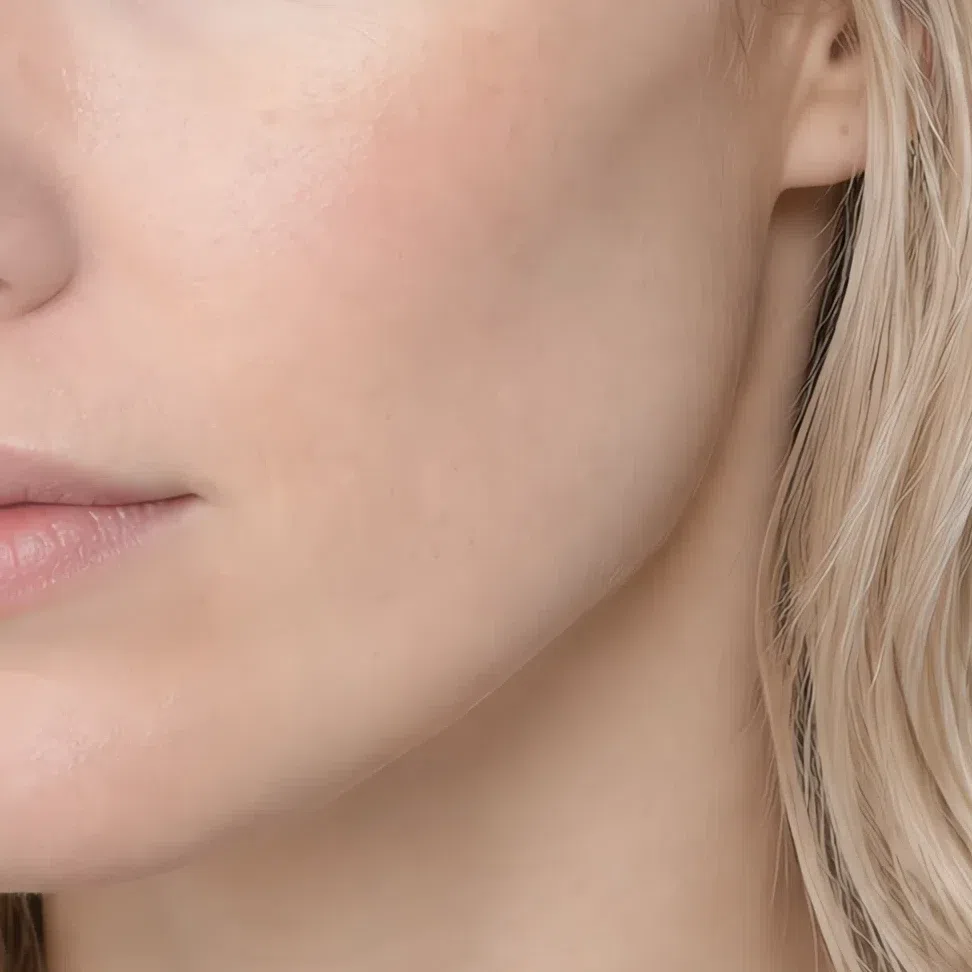
The Summer most people imagine is a pale woman with ash blonde hair and blue eyes. She is a Summer, but so is each face further down this section. The shared ground is a cool undertone and a gently blended coloring; the part that changes is how much depth the skin, hair and eyes carry. Each depth gets a portrait plus close-ups of its skin, eyes and hair, mixed from all three Summers, since no subtype owns a depth. All the photographs are of women. On a man, read the same signals at the beard line, the brows and the hairline - the palette that follows does not change.
Fair: pink beneath porcelain
Fair skin shows the Summer undertone most plainly. It is thin enough for pink or rose to come through, it colors quickly in cold or sun, and nothing golden sits under it.
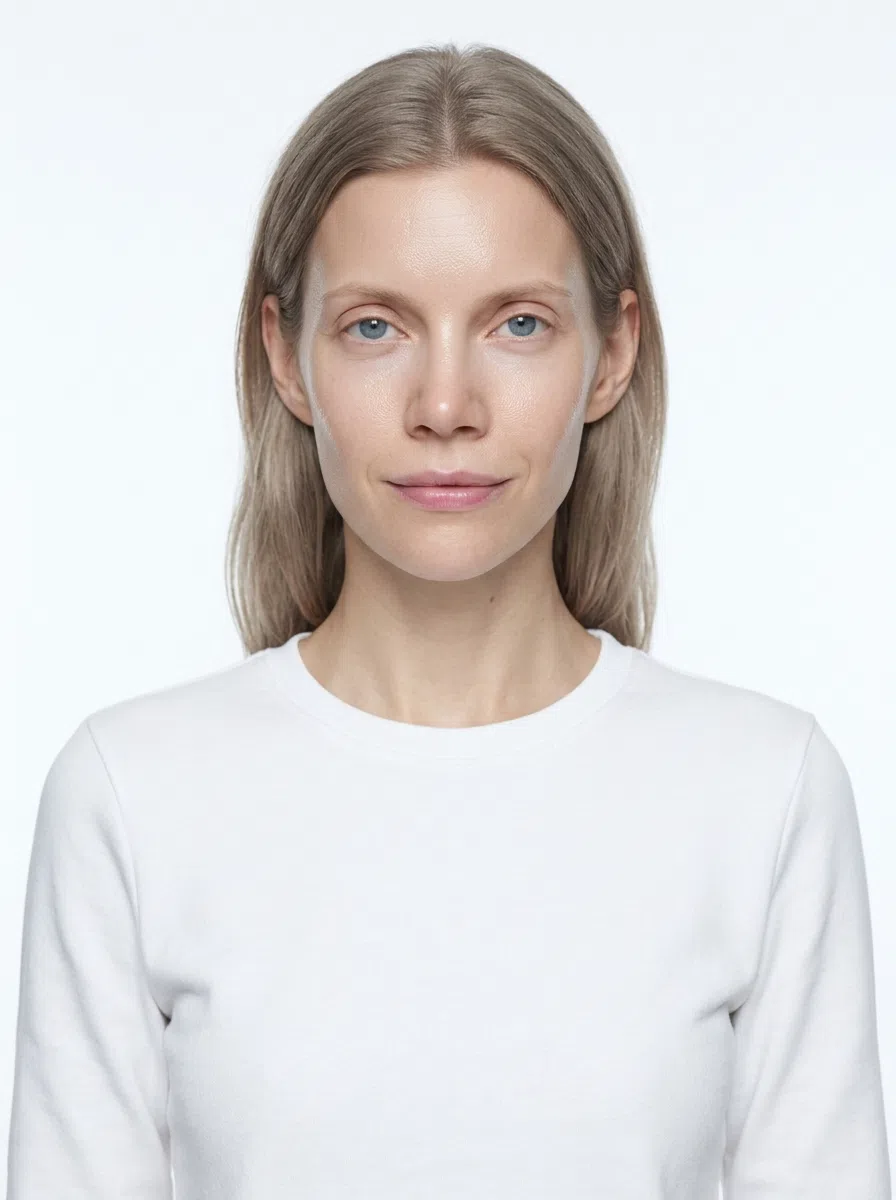
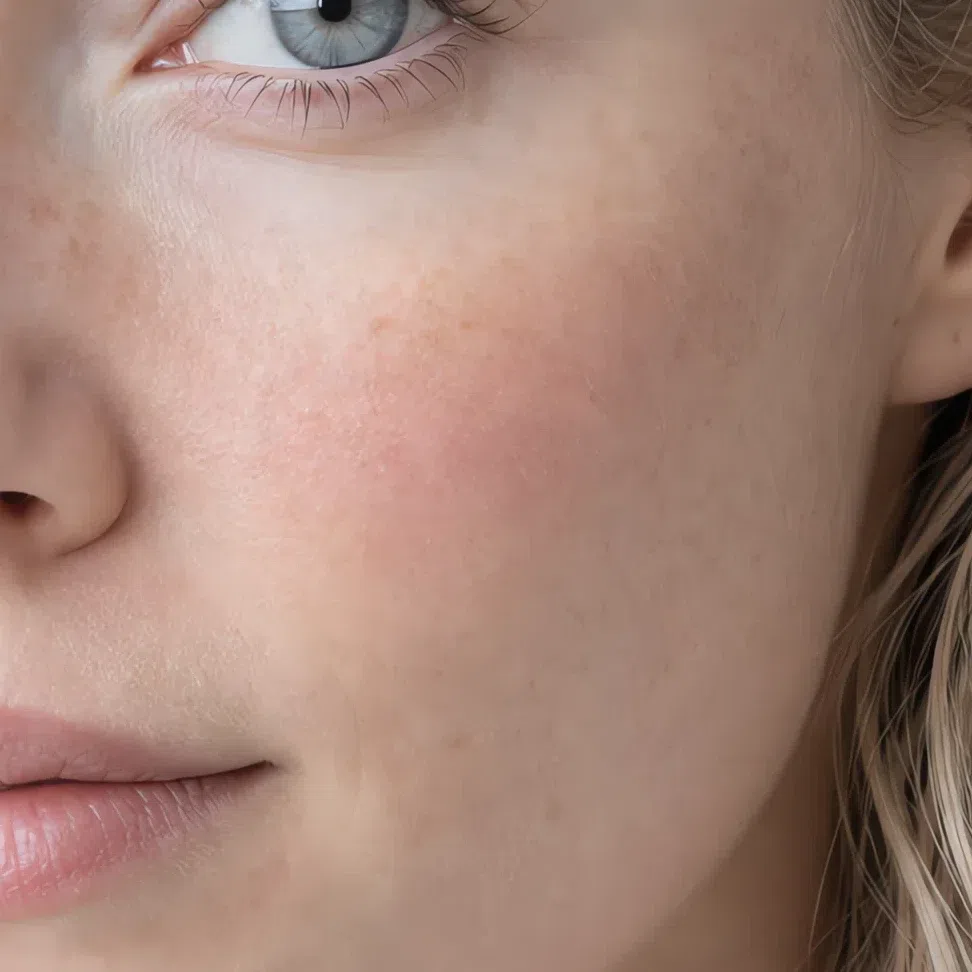
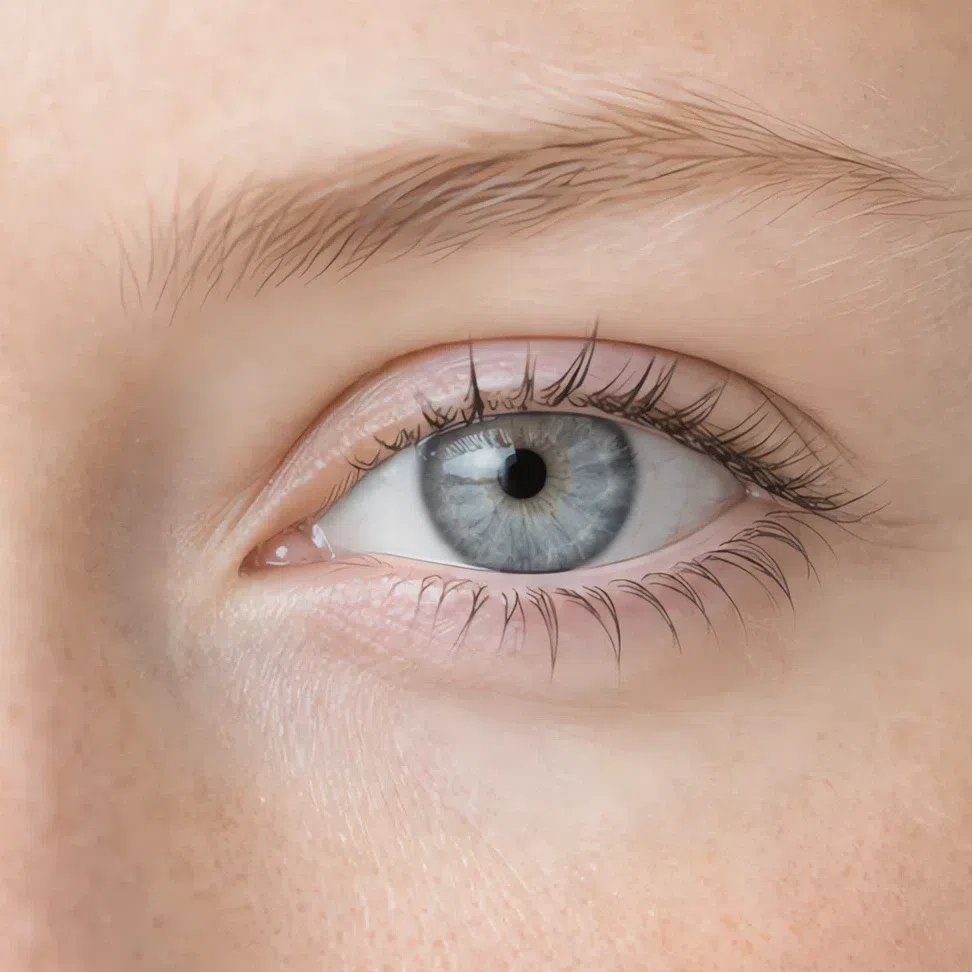
The portraitA Light Summer with very fair skin, pale ash blonde hair and light blue-gray eyes. Everything about the face sits in one soft, light register.SkinPink and rose just under the surface, especially across the cheeks. This skin reddens before it tans, and the color fades without ever turning golden.EyesA pale, watery blue that looks grayer beside neutrals and bluer beside blue clothing - soft at the rim, with nothing warm near the pupil.HairAsh blonde with a beige cast rather than a buttery one - often almost white in childhood before it deepens.
Do pale skin and blue eyes make me a Summer?
Not by themselves. Pale skin says how light you are, and blue eyes turn up in every season. A fair face becomes a Summer when the undertone reads pink or rosy, the hair is ash rather than golden, and the whole coloring stays gentle. The same pale skin with golden freckles and strawberry hair is a Spring; with near-black hair and stark contrast it is a Winter. The five checks sort it out.
Fair Summers are most often Light Summer, because at this depth lightness is the first thing anyone sees. With darker ash hair and a visible step against the skin, the same fair face can be a Cool Summer.
Olive: gray-green with rose underneath
Olive skin confuses more self-tests than any other depth, because the green cast looks like it should be warm. On a Summer it is a grayed olive, with rose rather than gold showing through.
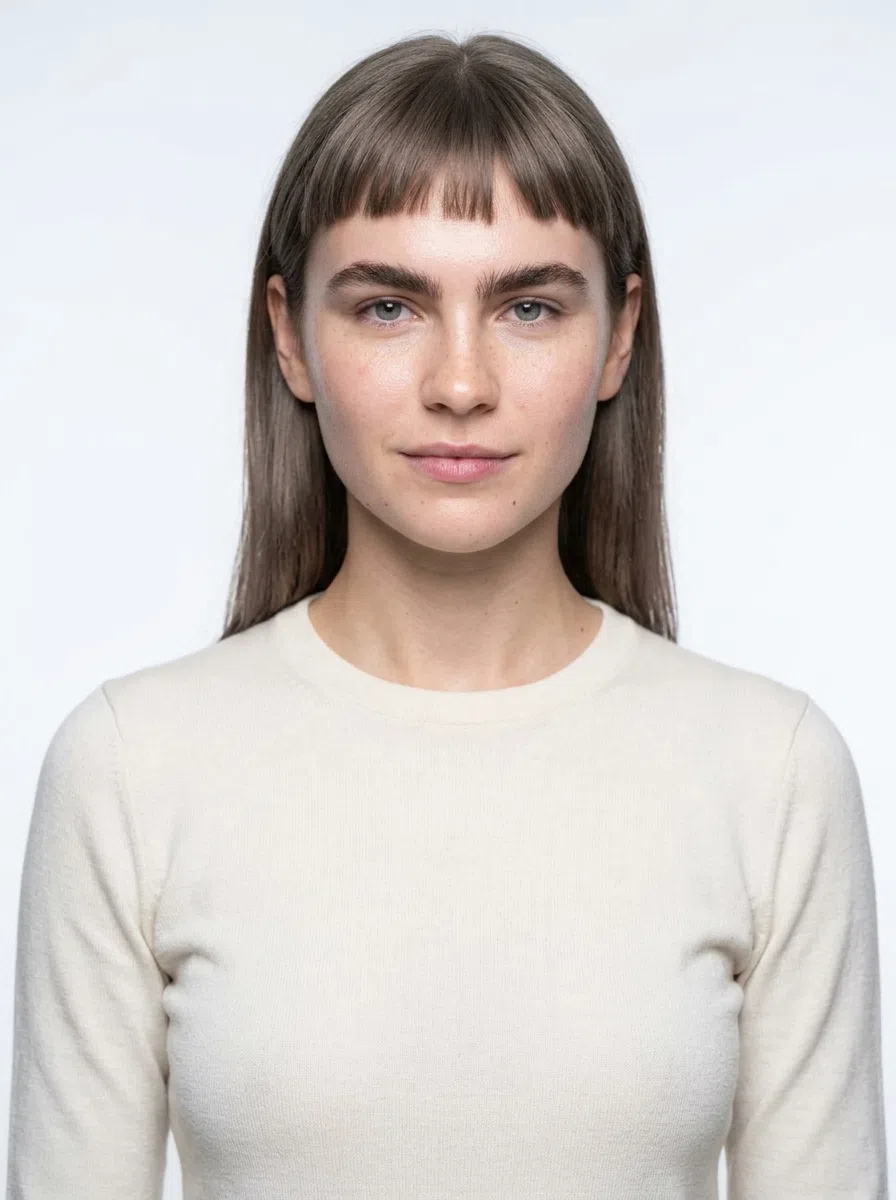
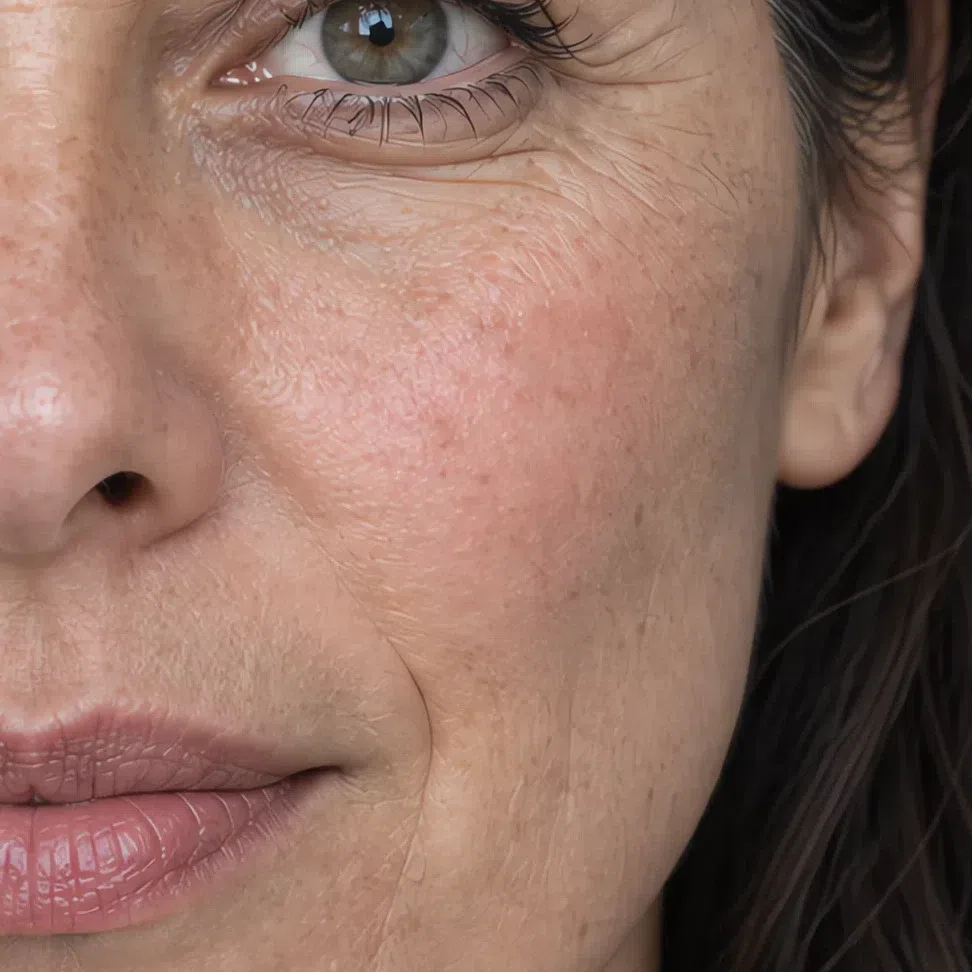
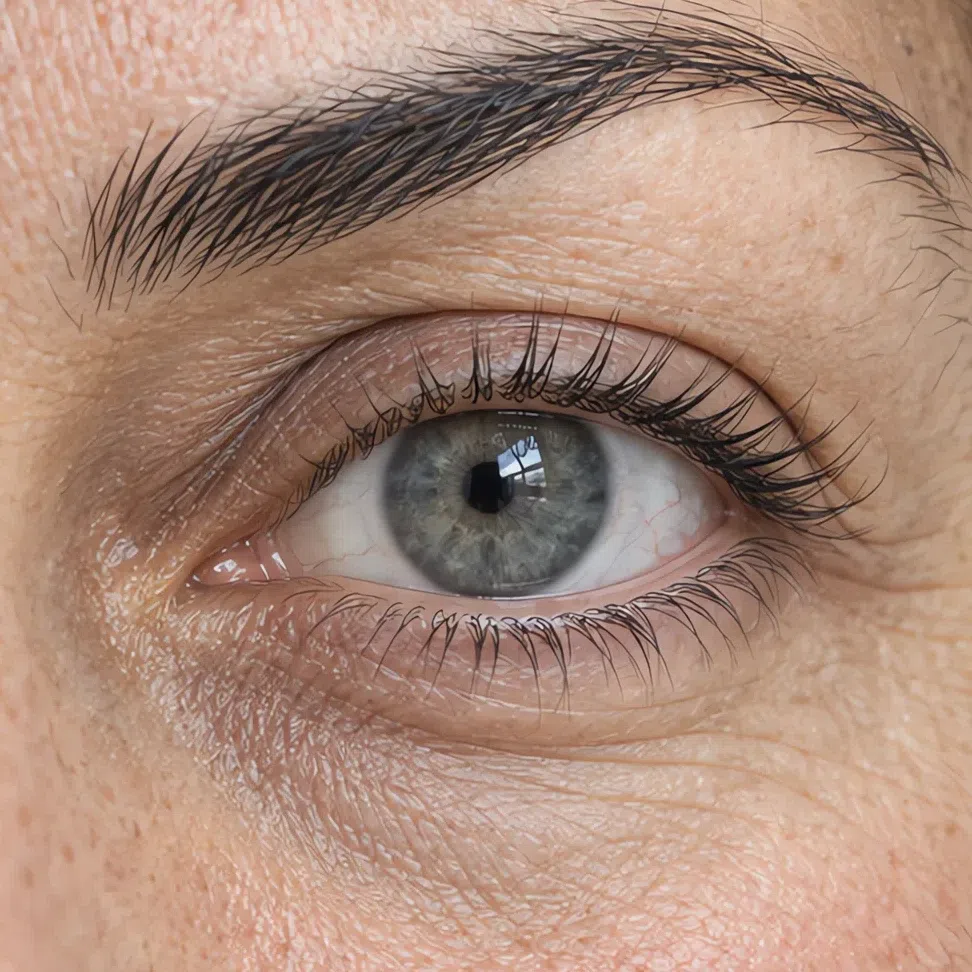
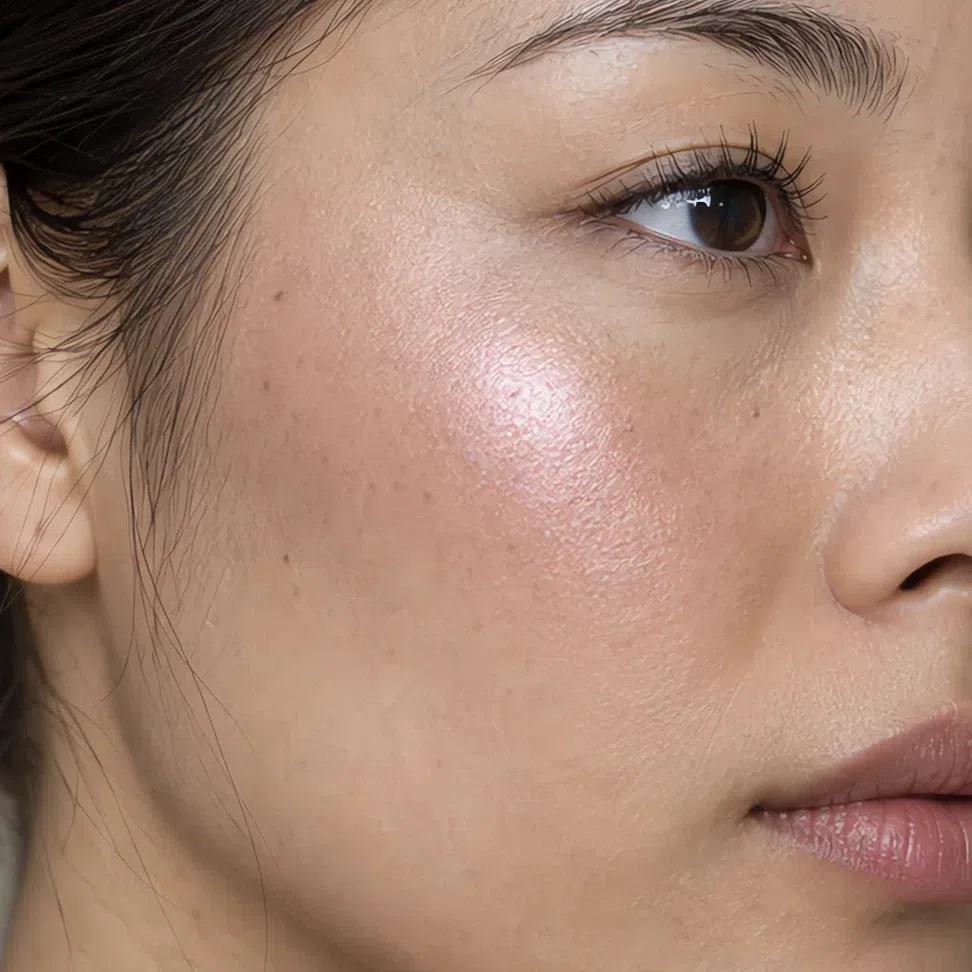
The portraitA Cool Summer with light olive skin, dark ash hair beginning to silver and blue-gray eyes. The olive surface is visible; so is the coolness beneath it.SkinSun turns it red first; whatever tan comes after stays grayish olive or a cool hazelnut and fades without passing through gold.EyesSteel gray with barely any blue, taking on whatever color is worn near it. A calm eye with a soft outline, common on olive Summers.HairDark ash brown going silver. Summer hair grays cleanly, toward steel rather than the yellowed white warmer hair can pick up.
Can olive skin be cool?
Yes. Olive is a surface cast, and it can sit over a cool, neutral or warm undertone. On a Summer the olive reads gray-green rather than golden: the skin looks clearer beside silver and dusty rose and turns sallow beside mustard or orange. If the same olive glows under coral and gold, the season is warm instead. The white paper test is the most dependable check at this depth.
Olive Summers are most often Soft Summer, where the grayed, near-neutral undertone is at home. When the hair is dark and the contrast visible, as in the portrait, the same skin belongs to Cool Summer.
Medium: cool beige and rosy taupe
At medium depth the skin carries real color of its own, and the Summer sign is what kind: a cool beige or rosy taupe that never turns honey or bronze, even after a summer outdoors.
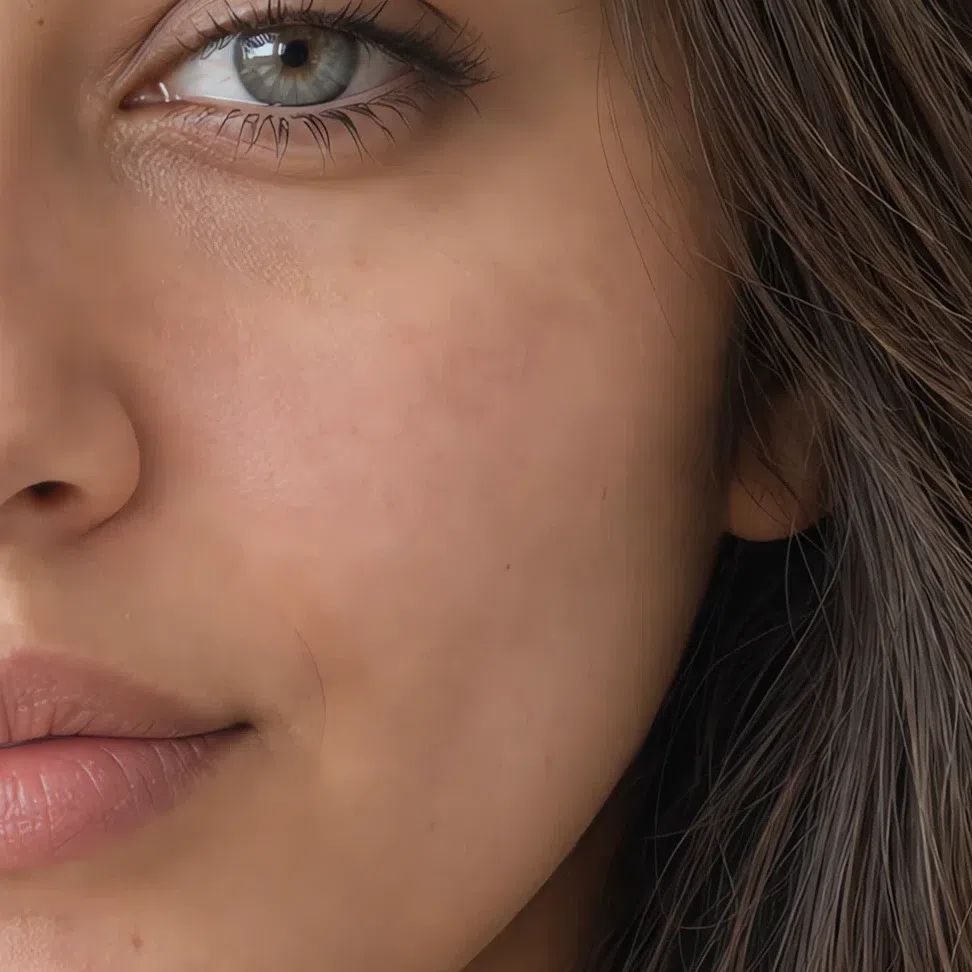
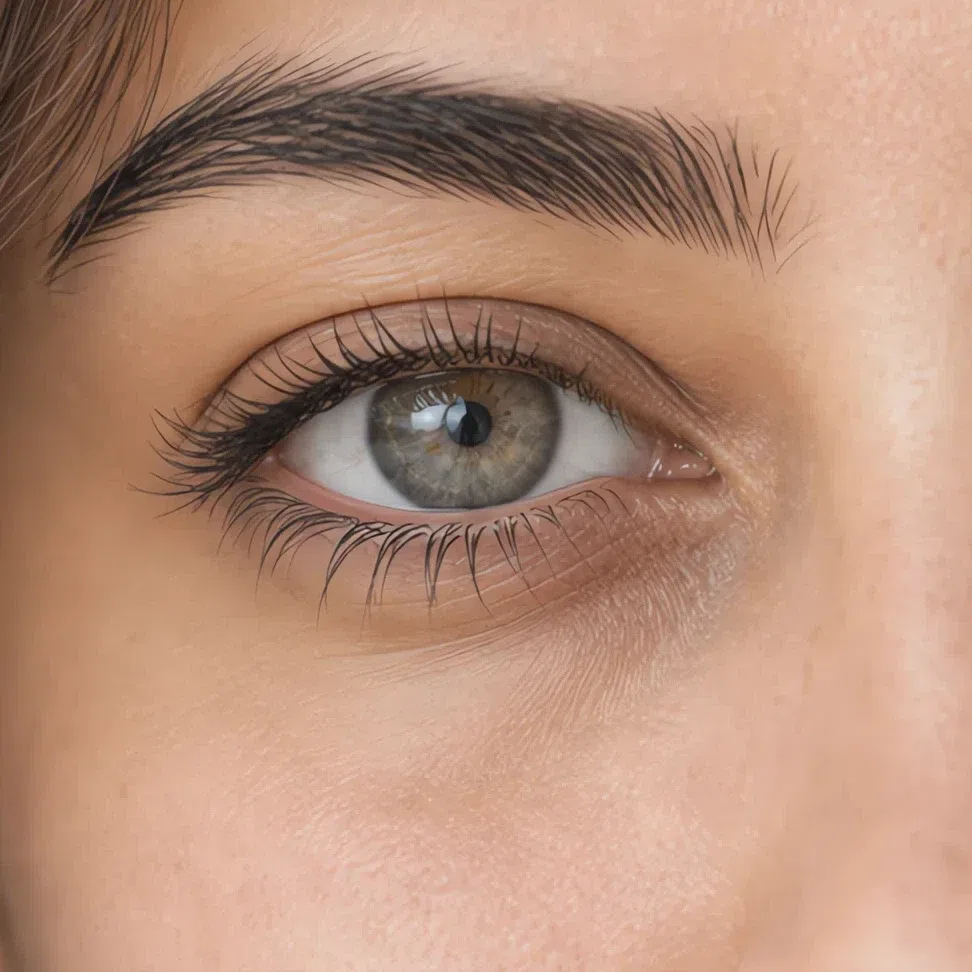
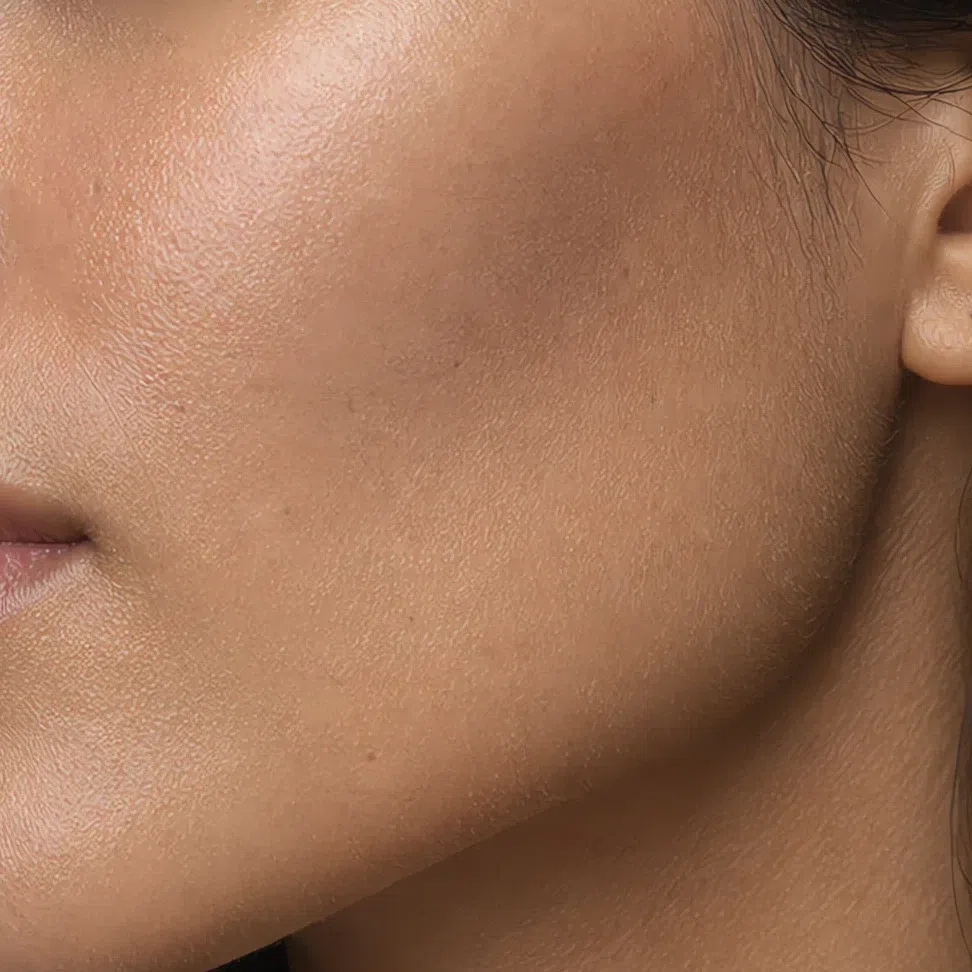
The portraitA Cool Summer with medium cool-beige skin, near-black straight hair and dark gray-brown eyes. The hair is dark, yet its matte, grayish cast keeps it from cutting hard against the skin.SkinColor arrives slowly and goes quickly: first a flat pink, then at most a light neutral beige, never a golden or coppery tan.EyesHazel with green, gray and soft brown woven together and none of them winning - the classic muted Summer eye.HairGraphite: almost black, smoky rather than glossy by a window, and without the blue-black shine that marks a Winter.
Does black hair rule out Summer?
No. What matters is the finish and the distance from the skin, not the darkness. Near-black hair with a soft, grayish cast that sits close in depth to medium or deep skin fits a Summer. Glossy blue-black hair against much lighter skin is the Winter pattern. Photograph yourself in daylight and turn the picture gray: a moderate gap between hair and skin keeps Summer in play.
Medium Summers divide between Soft Summer and Cool Summer. Smoky eyes and a blended look point to Soft; darker hair and a clearer, cooler palette point to Cool.
Deep: brown with a plum or rose undertone
On deep skin the Summer undertone shows as plum, rose or cool cocoa rather than copper or red-gold, and the coloring still reads gentle rather than stark.
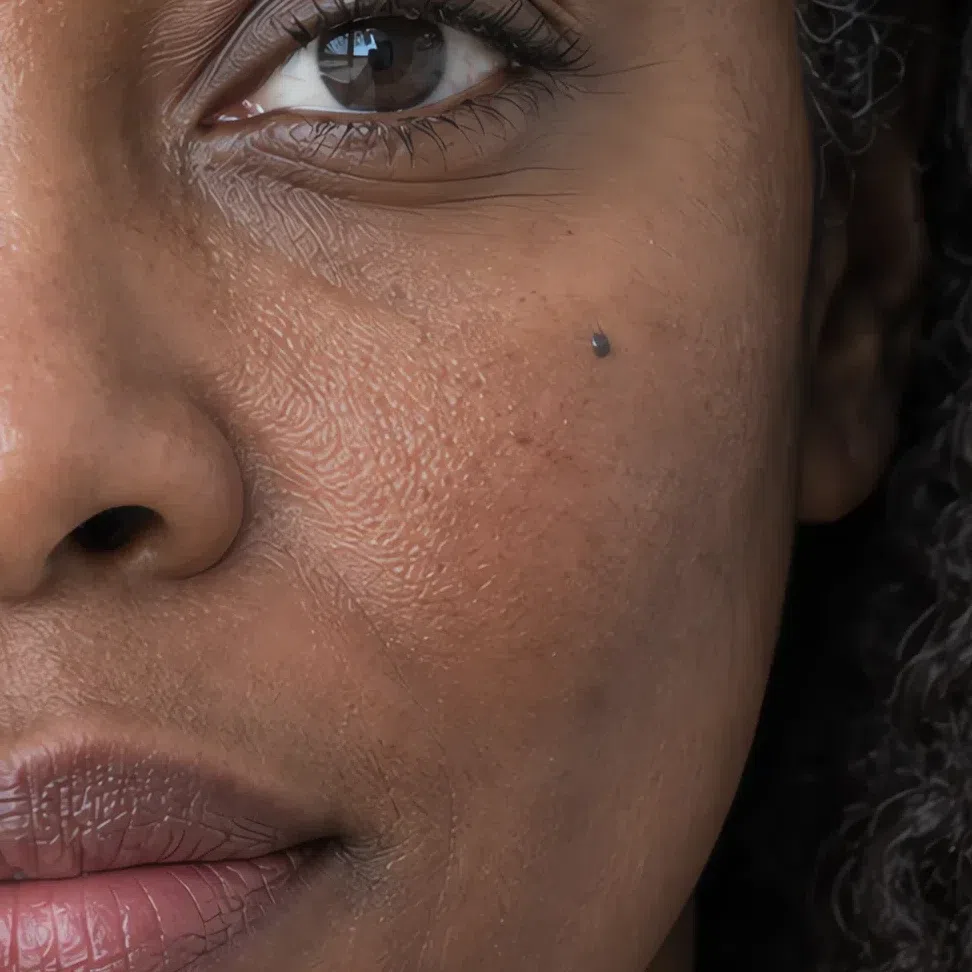
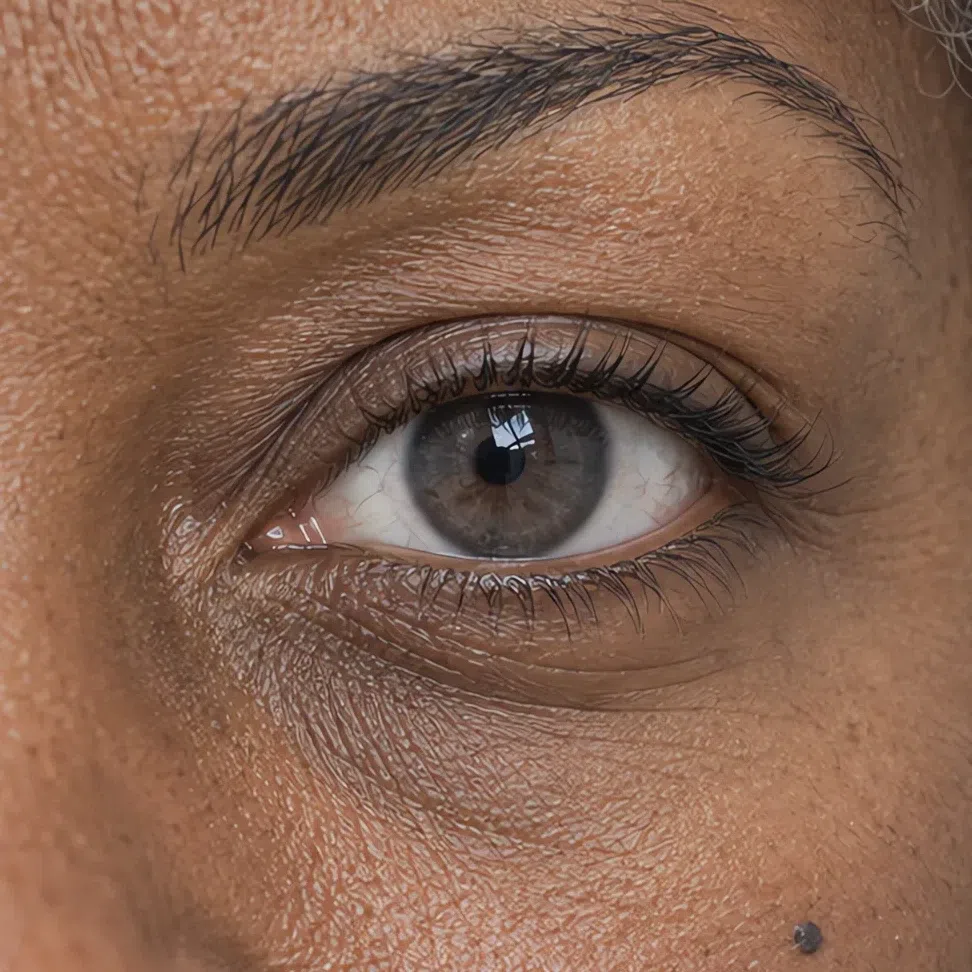
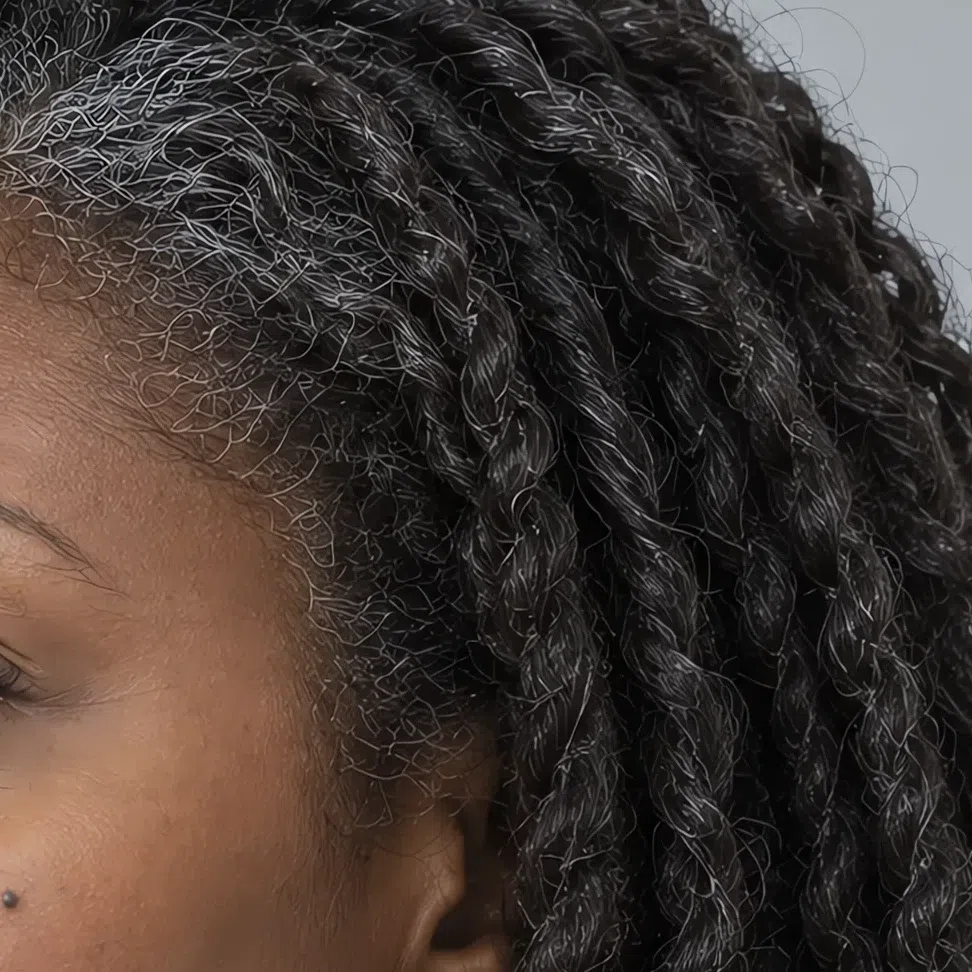
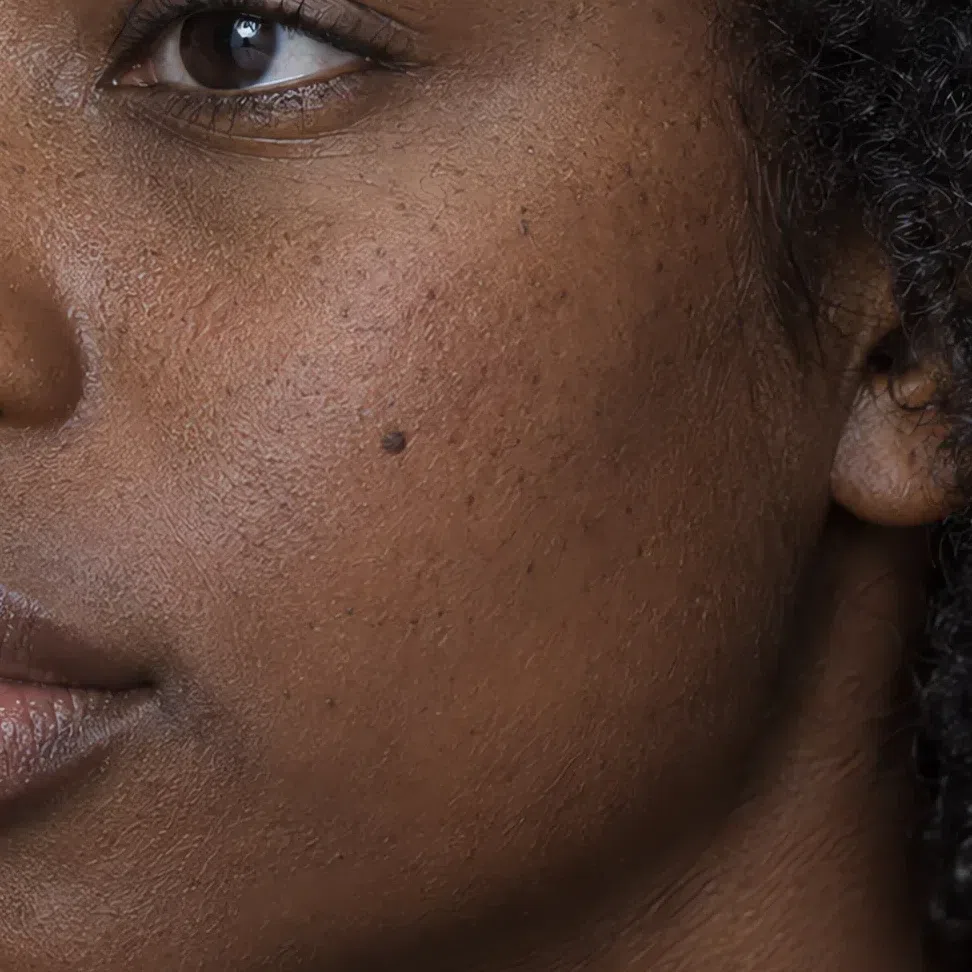
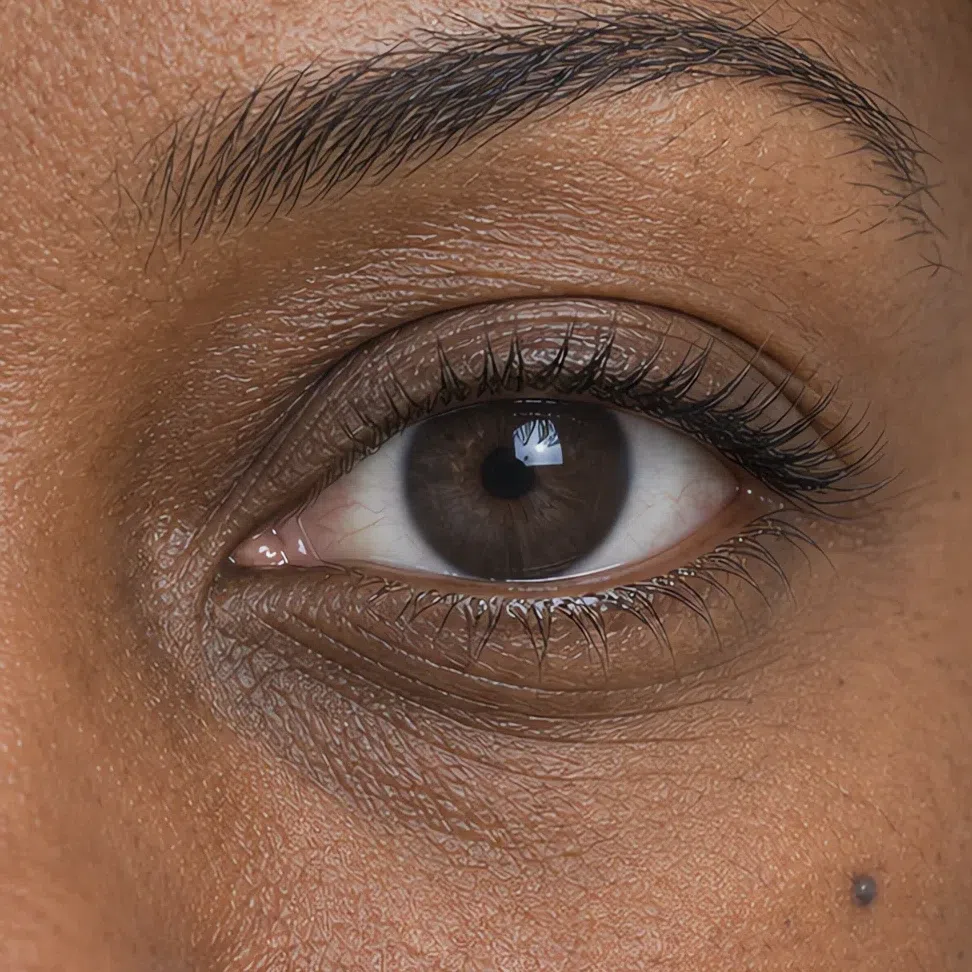
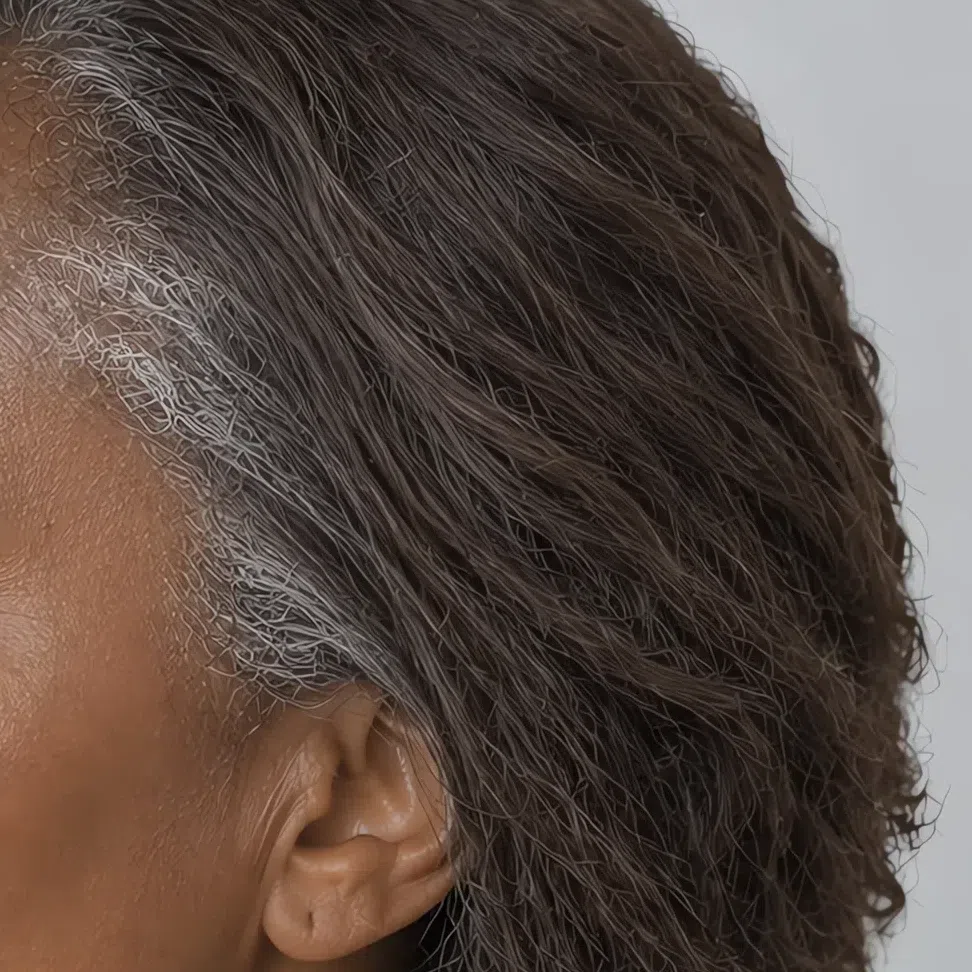
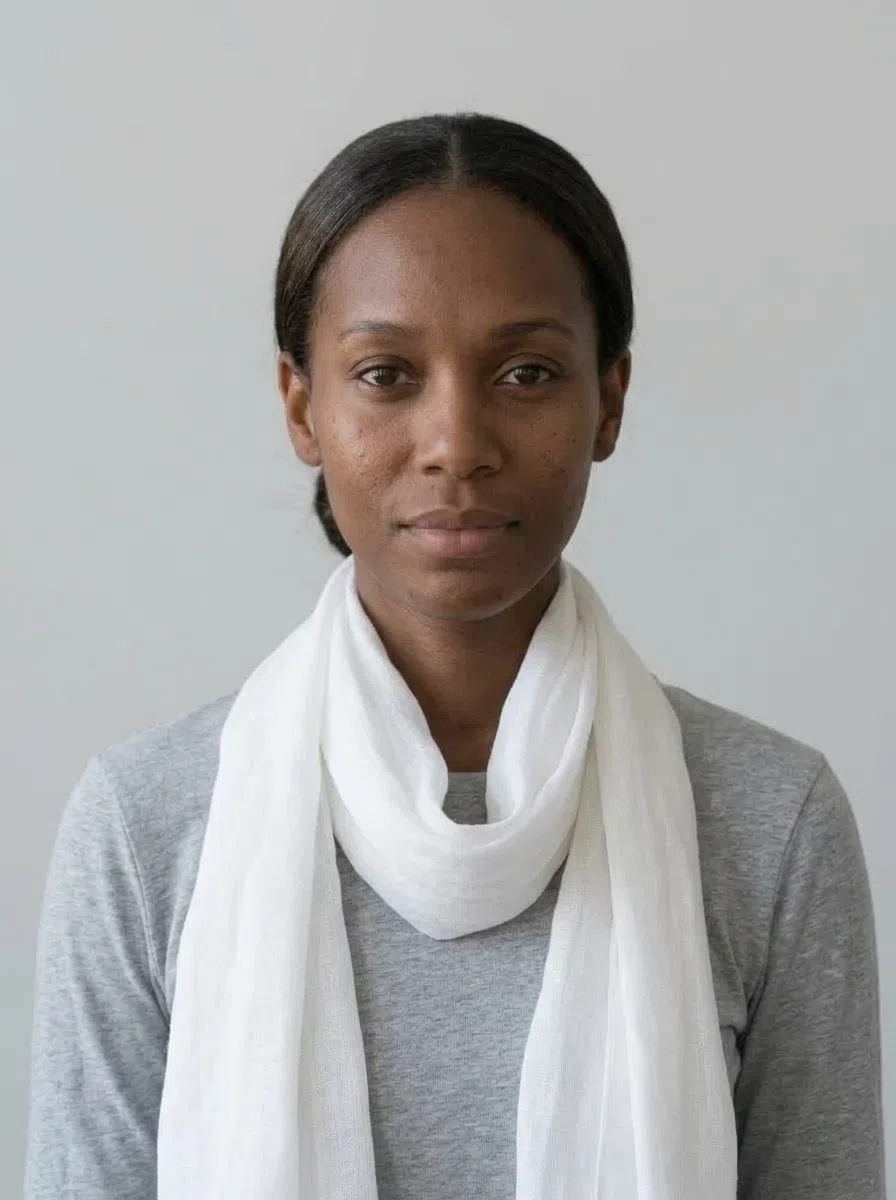
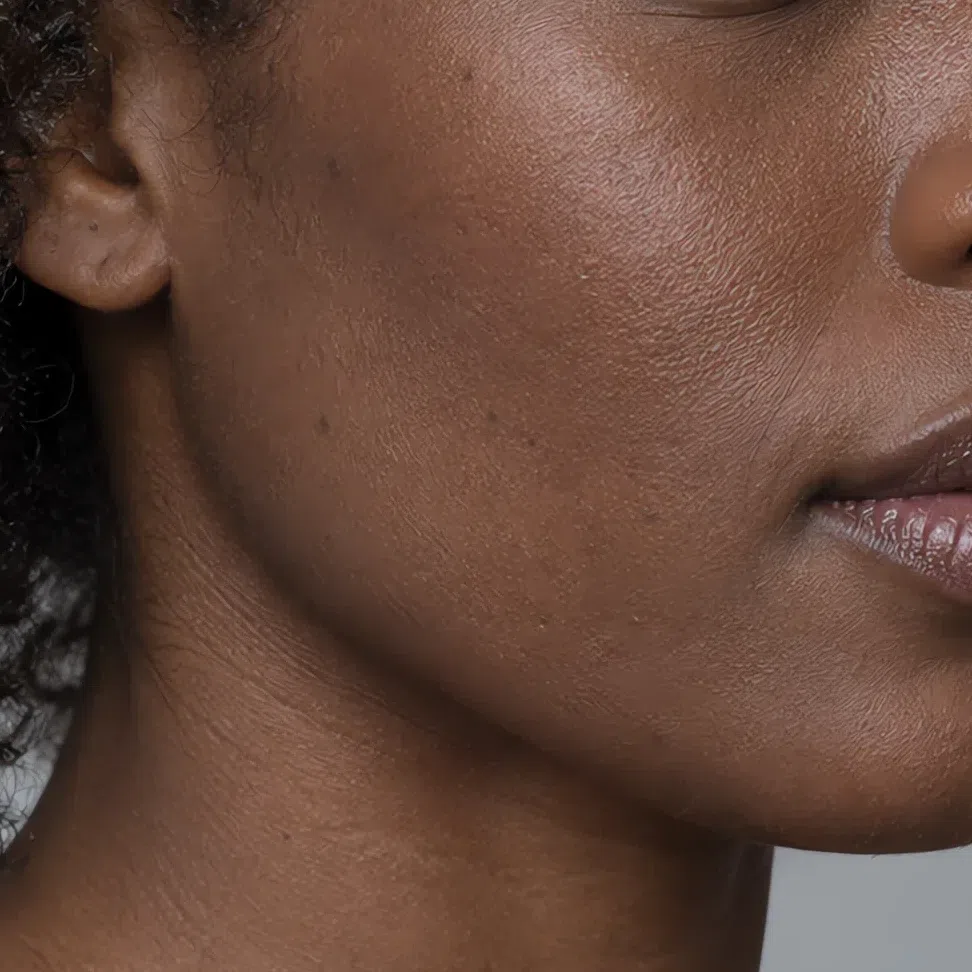
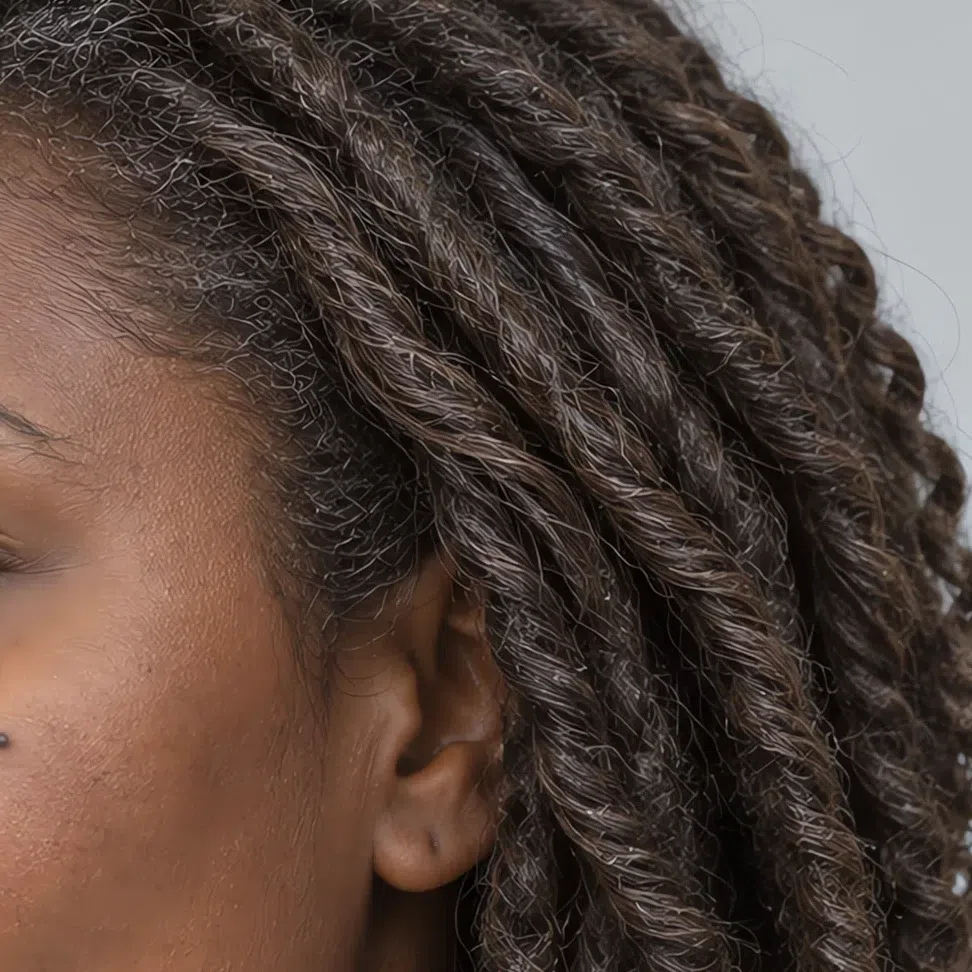
The portraitA Cool Summer with deep brown skin, dark twists touched with gray and soft dark eyes. The face is deep, and the contrast within it is moderate.SkinFreckles and moles in ash-gray or gray-brown, never ginger or copper. In daylight the skin keeps a cool, slightly rosy depth.EyesA grayed, bitter-chocolate brown without a trace of amber. Brown eyes are common on deep Summers, and they stay cool as long as no gold shows.HairAshy medium-dark brown with silver starting at the hairline. Soft-edged, and close enough to the skin in depth to keep contrast low.
Can you be a Summer with dark skin?
Yes. Undertone and softness decide the season, and neither depends on skin depth. Deep skin with a plum, rose or cool cocoa undertone, soft brown eyes and ashy or soft black hair is a Summer, and the palette works the same way on it: dusty rose, smoky blue and muted berry make it look even and rested, orange and mustard make it look dull. The woman in the color widget at the start of the page is a Summer at exactly this depth.
Deep Summers are most often Cool Summer when hair stands a clear shade darker than skin, and Soft Summer when the whole face looks smoky and blended. A deep Light Summer exists too - her hair still reads light against her skin - but she is the rarest of the three.
The Summer palette, worn by a real person
22 shades to wear and 6 to skip, each on the same face
Twenty-two shades that every Summer can wear, grouped the way a closet is built: six neutrals for the long-lasting pieces, six pastels for the neckline, six deeper accents for coats and suits, and four detail shades for scarves and bags. After them come six colors that turn against this coloring, each with its replacement, and five outfits to borrow.
What colors look good on a Summer skin tone? Cool, softened ones - color with a little gray, blue or white in it. If you want the season in three shades, take Dusty rose, Lavender and Smoky blue: a pink, a violet and a blue, all gently grayed, and all three flatter Light, Cool and Soft Summer at different strengths.
This is the part the three subtypes have in common. Each goes further on its own page - lighter on one, clearer or smokier on the others: Light Summer, Cool Summer and Soft Summer each carry their full set.
All cards reuse one photo - the model from the try-on near the top - with only the top repainted. Because her face is never edited, each card shows the pull of that shade on a deep complexion with a cool undertone. Some groups begin by trying a single shade on Light, Cool and Soft Summer side by side, and that is where the subtypes part company.
Base colors: the Summer wardrobe's foundation
Twelve shades carry most days. The neutrals are the pieces you keep for years - coats, trousers, knitwear - and the pastels sit close to the face, where the skin responds to them.
Neutrals: soft grays instead of black
Summer owns the gray family more completely than any season, as long as the gray stays soft. Can Summers wear black? Low on the body, yes - trousers, boots, a bag. At the collar, black draws a hard edge beside a gentle face, which then reads washed out and shadowed. Gunmetal and Flannel supply the same seriousness without that effect.
Flannel on the three Summers
Light SummerA little heavy for her. The same gray two steps lighter suits her better.Cool SummerHolds her contrast - the features stay crisp.Soft SummerThe most even result of the three; this is her home register.
A gray-blue is safe for the whole season. Light Summer takes it paler, Cool Summer can go denser.
Soft white
#E8E4D9The Summer white: milky rather than optic, so the face beside it keeps its softness.
Linen
#E3D7C6A beige with the yellow removed, for anyone who misses sand and camel.
Heather
#DAD8DEA pale cool gray for the pieces worn right against the skin - tees, shirts, fine knits.
Pewter
#949995Mid gray, the workhorse. Tailoring, coats and knitwear all live here.
Cameo
#B9A6A3A rosy gray-brown, the gentlest way to wear brown on a cool coloring.
Flannel
#787E89Gray with a blue note in it: office trousers, blazers, a good winter coat.
Six neutrals, four ways to combine them
Swap the black-and-white look. Soft white against Flannel keeps the clean, graphic feel with none of the glare.
Stay tonal. Heather, Pewter and Flannel from light to dark look considered because each step shares the same cool temperature.
Warm it up, the Summer way. Linen or Cameo softens an all-gray outfit without bringing any yellow near the face.
Add one color. Any neutral here under a single shade from the pastels or accents - Dusty rose, Lavender, Smoky blue - is the basic Summer formula.
Pastels for the neckline
Summer pastels are grayed and cool, like color seen through a light mist, and that haze is exactly what separates them from Spring's sunlit versions. The Summer pink is Dusty rose, the Summer violet is Lavender, and Mint is the green with blue rather than yellow under it.
Dusty rose on the three Summers
Light SummerLifts her face the most of the three.Cool SummerWorks, but it undersells her - she can carry stronger cool color.Soft SummerIdeal: the dustiness matches her coloring exactly.
Dusty rose suits every Summer. Cool Summer gains the least from it and can reach for something clearer.
Dusty rose
#D1A3ACPink with gray folded in - the one pastel to own if you own only one.
Lavender
#AEA4BFCool lilac for blouses and dresses. No warm season can borrow it.
Mint
#BCDBD4Green with a blue base: fresh without any yellow.
Duck egg
#B7D3DBA muted light blue that goes with every neutral above.
Blossom
#F0DCE3The palest pink here, with a faint gray sheen, for the face-framing pieces.
Frost blue
#D6E7ECAn icy pale blue that stays clean rather than chalky.
Accent colors: depth, then details
Ten accents in two roles: six denser shades for outerwear and tailoring, and four light ones for scarves, bags and jewelry. Summer accents gain depth, never glare.
Six for coats and suits
These are the shades with weight - the ones for a blazer, a coat or a dress that has to hold the room. Iris and Muted berry are the evening pair, Smoky blue and Lagoon the office pair, and Gunmetal takes over from black.
Smoky blue on the three Summers
Light SummerPulls the eye away from her - she needs a lighter version.Cool SummerCarries it with ease; the color and the face agree.Soft SummerSuits her, best in a matte fabric.
The paler the subtype, the lighter a dense color near the face should be. A dark coat is fine for anyone - it sits far enough from the face.
Lagoon
#6B8E8EA softened green-blue - the Summer turquoise, for jackets and coats.
Iris
#5A4D7AA cool dark violet. Quiet, elegant and very good after dark.
Smoky blue
#5B7B94Blue with gray in it, and the most useful accent for work.
Muted berry
#87546EThe strongest pink the whole season can share, with its brightness turned down.
Gray violet
#7A7A94Violet heavy with gray: on the body it reads as color, in a closet it behaves like a neutral.
Gunmetal
#555B66A deep gray that stands in for black in suits and outerwear, minus the severity.
Four for scarves and details
Light accents belong close to the face in small amounts, so here the shade sits on a scarf over a Gunmetal top. Lemon ice is the one yellow a Summer can wear - pale and grayed, and best kept to a detail like this. Moonstone is the accessory gray.
Mallow
#DBB5C6Ash pink for scarves and bags.
Lemon ice
#E8E8A8A grayed pale yellow - a scarf or a print, not a whole top.
Celadon
#B7D6C0A gray-green mint that freshens a gray outfit.
Moonstone
#BCC1CBGray with a pearly sheen, for bags, belts and knitted accessories.
Metals: silver first
Do Summers wear gold or silver? Silver. Silver, platinum and white gold echo the cool undertone on all three Summers; Soft Summer wears them brushed or matte rather than polished. When only gold will do, pick the palest champagne tone, and on a Cool Summer skip gold altogether. The discs are gradients because metal is never one flat tone.
SilverThe metal to build a jewelry box on. White gold and platinum belong to the same family, so choose by budget.
Champagne goldThe only gold that behaves, and only this pale. Best on a Light Summer; a Cool Summer does better without it.
Where the metals go
Jewelry. Silver, white gold or platinum for everyday; brushed or antiqued finishes for a Soft Summer. Yellow and rose gold push warmth toward the face.
Stones. Pearls, moonstone, amethyst, blue topaz and aquamarine - cool, soft stones that repeat the palette.
Bags and shoes. Pewter, Cameo and Gunmetal leather in place of black or tan; Moonstone for summer.
Glasses. Gray, smoky blue, rose or silver frames. Thick black frames draw a dark outline around the eyes, much as a black neckline does lower down.
Summer colors to avoid
Which colors are not good for a Summer? Warm ones - orange, coral, peach, rust, mustard - and harsh ones: black or stark white worn at the collar, and anything neon. Six cards in two groups, each with the shade to wear instead.
Warm shades
The failure is temperature, the one quality every Summer shares. Yellow and orange pigment at the collar turn cool skin gray, tired or faintly yellow.
Bright orange on the three Summers
Light SummerThe color drowns out her whole face.Cool SummerHer skin goes gray at once.Soft SummerHer face looks tired.
A warm color misses on all three Summers at once, which makes it the quickest self-test there is: if orange or coral at your collar does this, you are a Summer, whatever the subtype.
Bright orange
#F26A1BOrange, coral and peach all do the same thing here: the skin loses its color and looks lifeless.Wear insteadDusty rose#D1A3AC
Sienna
#8B4513Brick, rust and terracotta bring out every unevenness in the skin.Wear insteadCameo#B9A6A3
Mustard
#E1AD01Golden yellows leave a cool face looking yellowish and unwell.Wear insteadLemon ice#E8E8A8
Why warm fails
It fights the undertone. Warm pigment next to a cool undertone cancels both, and the result reads as sallow rather than warm.
It even misses on deep skin. Deep Summer skin looks dull and ashy under orange rather than glowing, which is how you tell a cool deep complexion from a warm one.
Hard and loud shades
Here the problem is contrast and intensity, the other shared quality. These shades are stronger than anything in a Summer face, so the garment arrives first.
Jet black
#000000Too hard against a gentle face: it looks pale and tired above it. Keep black below the waist.Wear insteadGunmetal#555B66
Optic white
#FFFFFFThe same glare from the light side. Soft white keeps the freshness and drops the edge.Wear insteadSoft white#E8E4D9
Bright yellow
#FFFF00Neon and pure bright colors pull all the attention away from the face, and a quiet coloring disappears behind them.Wear insteadLemon ice#E8E8A8
Why hard and loud fails
The gap is too wide. Summer contrast tops out at medium. Black and optic white open a distance between garment and face that the coloring cannot match.
A softer version fixes it. Each has a Summer stand-in at a similar strength - Gunmetal for black, Soft white for white, Lemon ice for yellow - so the outfit keeps its idea and loses the glare.
Summer color combinations
Five outfits built only from this page, chips listed in the order you would put them on.
Five to borrow
Most follow one shape: a soft neutral base, then a single grayed color near the face. Learn the shape and you will not need the list.
Gunmetal
+
Dusty rose
+
Soft white
The office classic
A Gunmetal suit with a Dusty rose blouse and Soft white accessories. Polished and calm, with nothing hard at the collar.
Smoky blue
+
Mint
+
Heather
Everyday casual
Smoky blue jeans, a Mint sweater and a Heather cardigan - relaxed, cool and easy.
Iris
+
Lavender
+
Cameo
+
Silver
Evening
An Iris dress with Lavender accessories and Cameo shoes, finished in silver.
Pewter
+
Heather
+
Mallow
Tonal and quiet
Pewter trousers, a Heather knit and a Mallow scarf: three soft steps and one pink.
Muted berry
+
Flannel
A meeting that matters
A Muted berry jacket over Flannel trousers - color with authority, and no black needed.
The thread through all five: a Summer builds contrast from soft color, not from dark against light. Dusty rose next to smoky blue creates the interest a Winter would get from black against white. One orange or mustard piece breaks the outfit; silver pulls two soft shades together.
Wardrobe, makeup and hair color: the Summer rules
One rule for each, and where Light, Cool and Soft Summer go their own way
On this hub, each of the three topics is reduced to a single principle, because the hands-on version belongs to your subtype. Every Summer subtype page carries an eight-piece capsule tried on four skin depths, a makeup section with products for each depth, and hair dye shades pictured on real hair - the links under each rule go straight there.
The wardrobe and hair color rules apply to men without any change.
Wardrobe
The rule: Build on soft grays, gray-blues and rosy taupes in place of black and beige, and keep grayed color near the face.
Pewter, Flannel, Cameo and Soft white do the jobs black, camel and optic white usually do, which means the basics are on the side of a cool undertone before a single color goes in. Color then goes up top - a blouse, a sweater, a dress - where it reflects onto the skin, and it works best when it looks slightly misted rather than bright. The four outfits below show the rule at four depths.
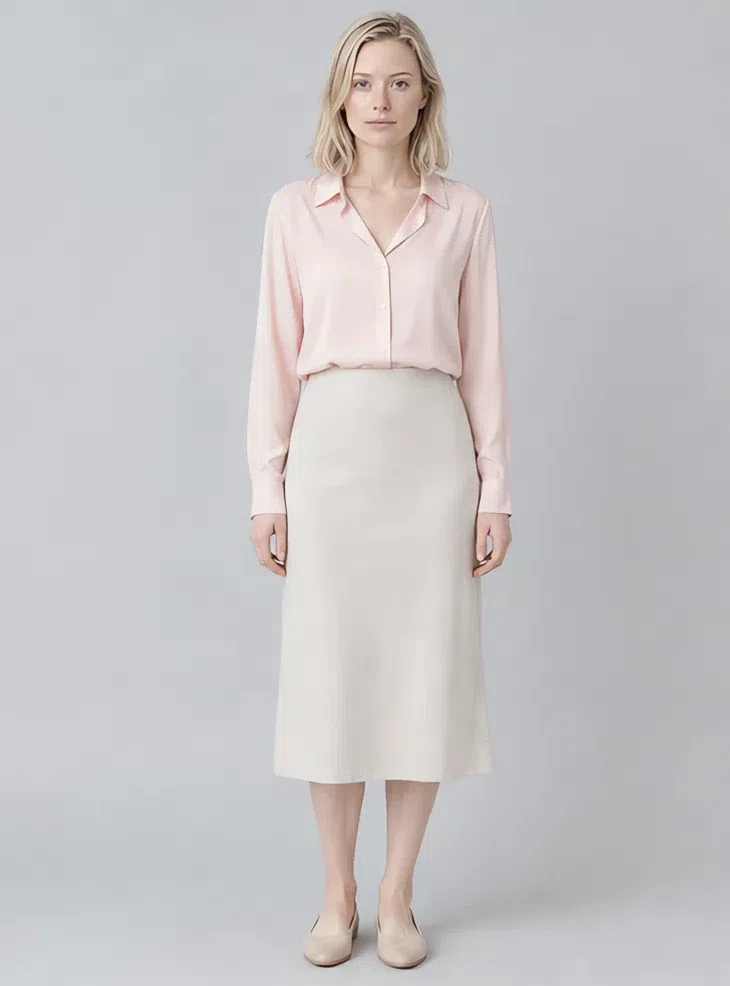
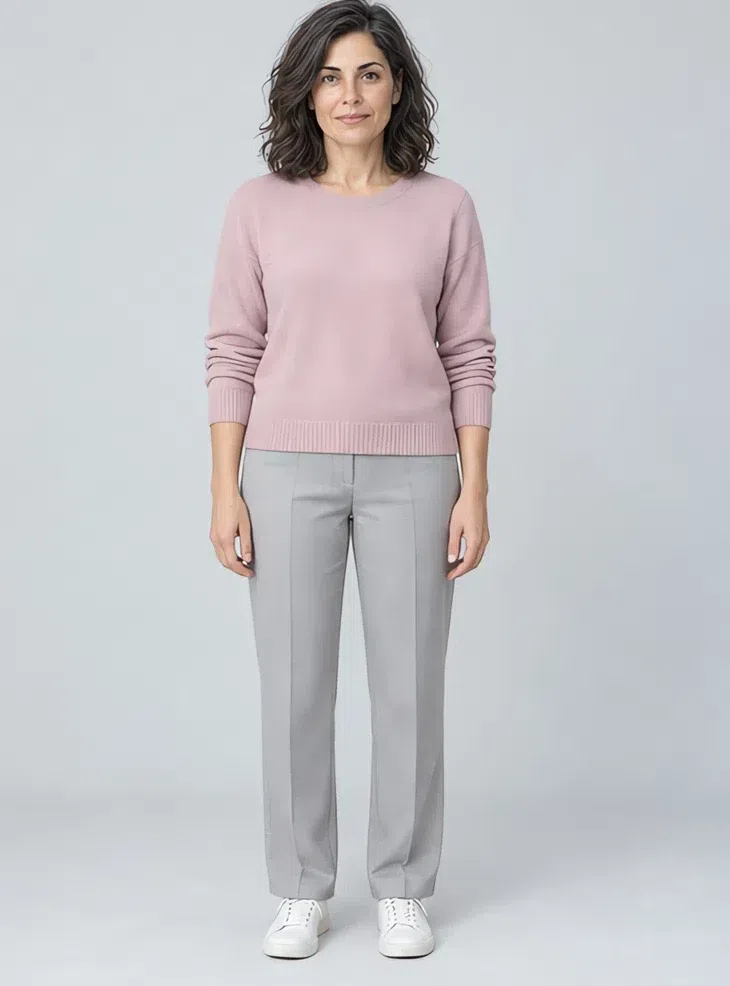
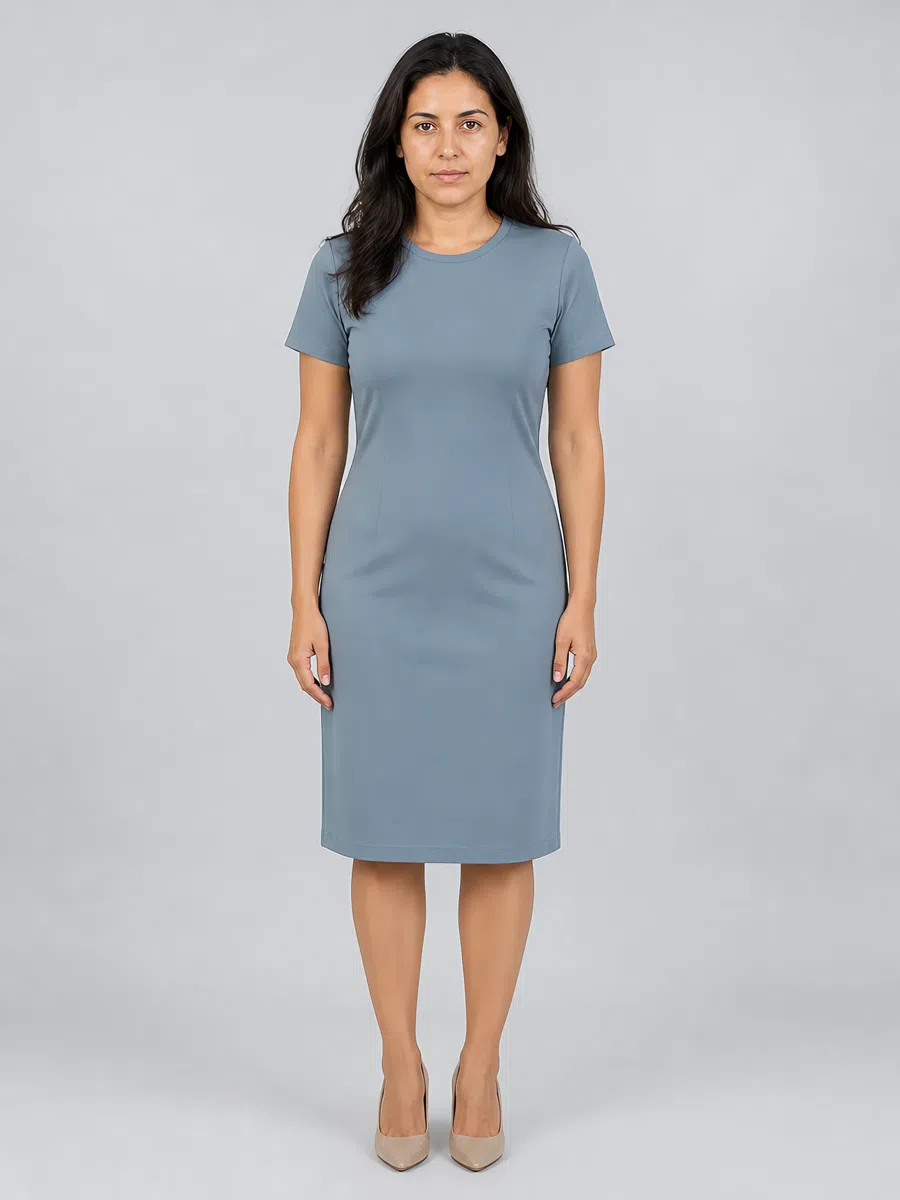
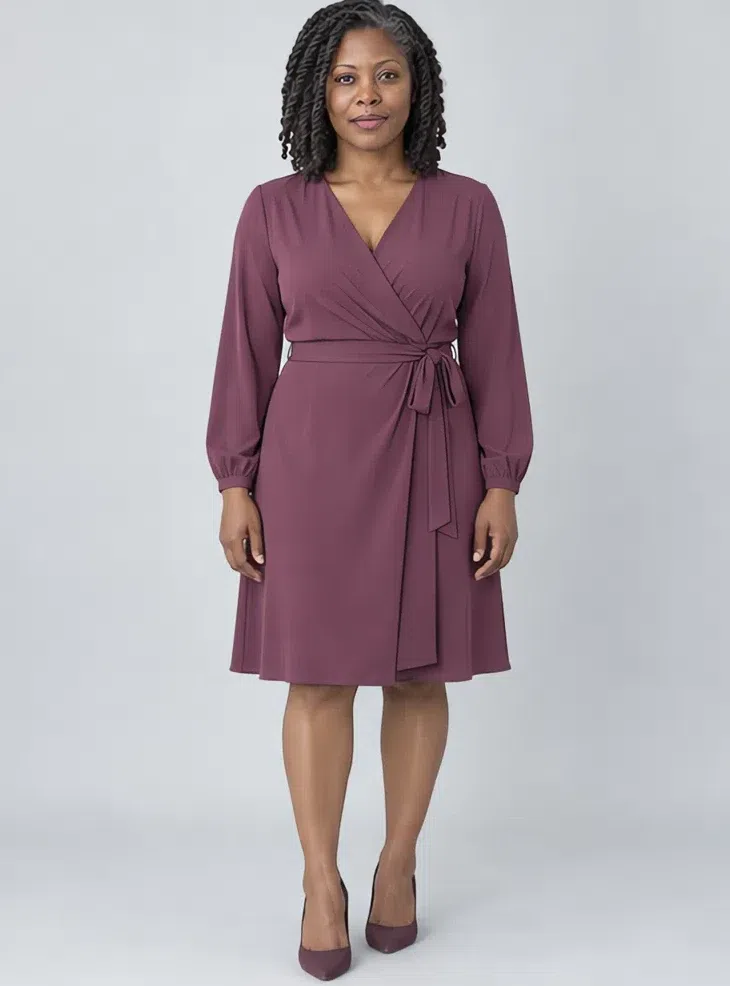
The subtypes stretch it in different directions. A Light Summer keeps the whole look pale and avoids anything dark at the collar. A Cool Summer can take clearer blue-based color, like raspberry or cornflower, and a deeper navy-gray coat. A Soft Summer does best with the most muted version of every shade and with matte fabrics.
Light Summer, fair: a peony silk blouseCool Summer, olive: a rose quartz sweaterSoft Summer, medium: a muted blue-gray dressCool Summer, deep: a mulberry wrap dress
The rule: A pink or neutral-cool base, rose and berry color, pearl glow - nothing orange, golden or bronze.
Foundation should carry a pink or neutral undertone at your depth; a yellow-based one sits on top of cool skin like a mask and leaves a faint line at the jaw. Blush and lips live in rose, dusty pink and soft berry. Contour in cool taupe rather than warm bronze, highlight in pearl rather than gold, and keep eyeshadow in gray, taupe, mauve and plum.
The subtypes differ in strength. A Light Summer wears everything sheer - a rosy balm, a pale pearl glow. A Cool Summer can wear a clear raspberry lip. A Soft Summer keeps colors smoky and matte, since shimmer and bright pigment look separate from her face.
Light Summer, fair: rose porcelain baseCool Summer, light: pink moonlight glowSoft Summer, medium: cool taupe bronzerCool Summer, deep: deep plum-brown base
The rule: Stay ash, beige or smoky at any level. Never copper, caramel, golden blonde or a glossy blue-black.
Whatever depth you choose, Summer hair color should read cool in daylight: pearl and ash blonde at the light end, mushroom and ash brown in the middle, cool chestnut, mocha and graphite at the dark end. Warm dye throws a yellow reflection onto the skin, and a shiny blue-black adds a hard frame the coloring does not carry. Summers who go gray usually suit silver well, so blending gray in often works better than covering it.
Each subtype has its range. A Light Summer stays between pearl blonde and light ash brown. A Cool Summer can go down to ash chestnut or graphite. A Soft Summer suits the smoky middle - walnut taupe, mousy brown, a soft ashy balayage.
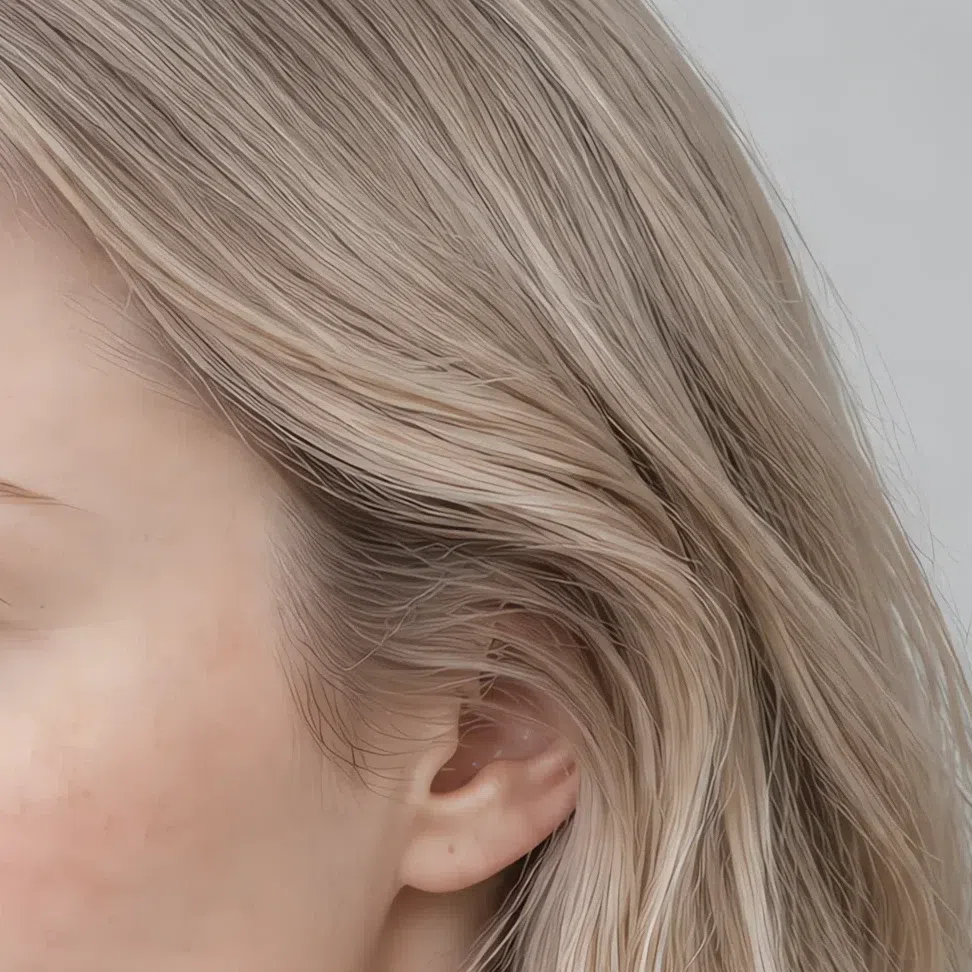
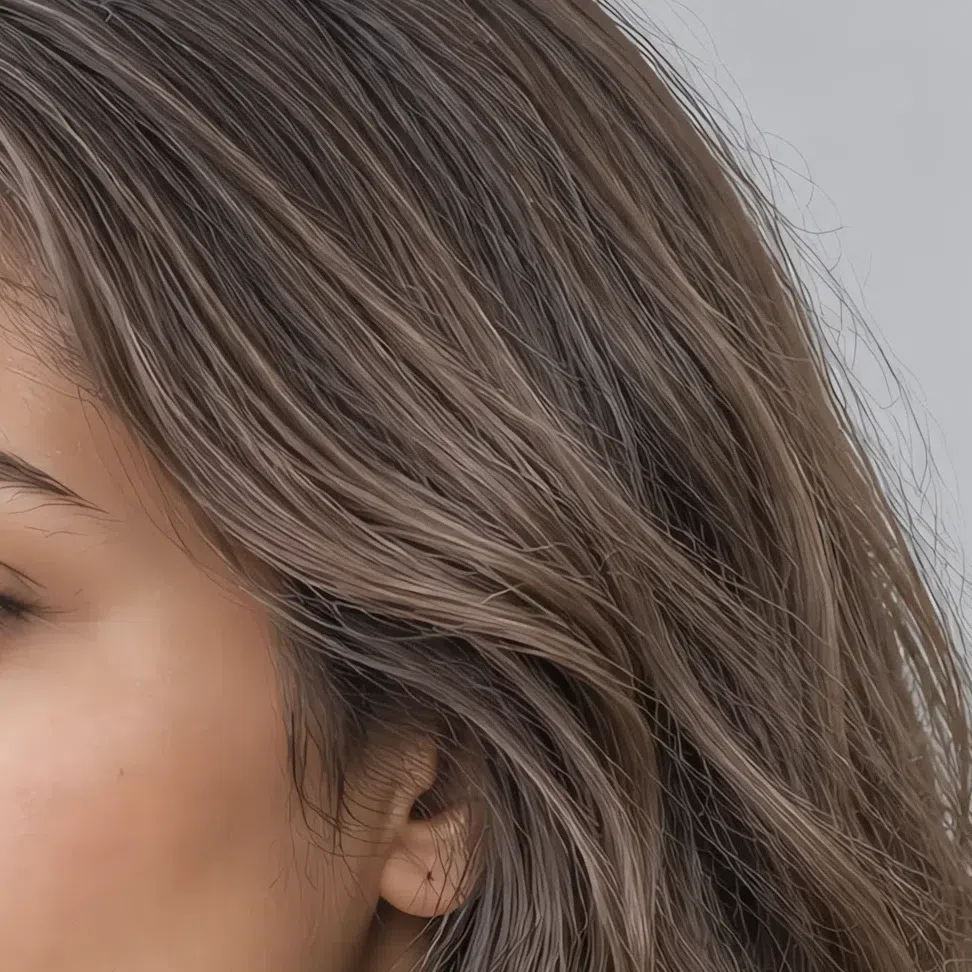
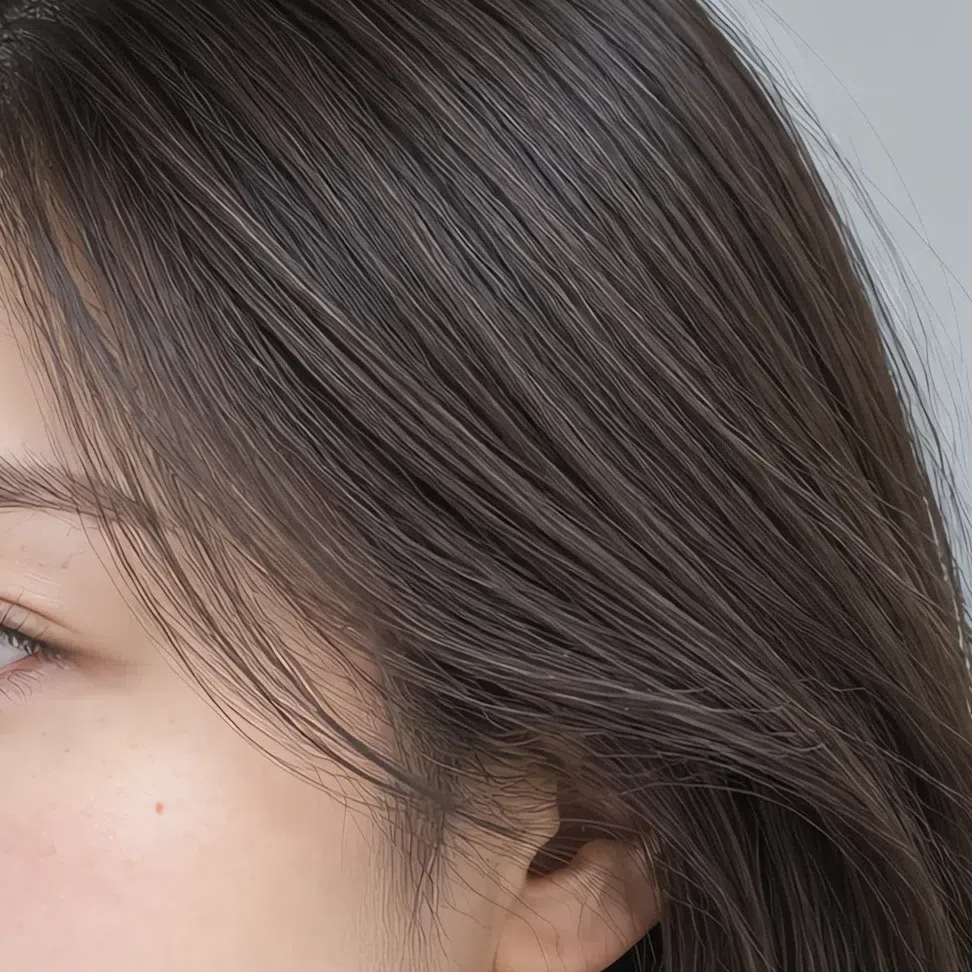
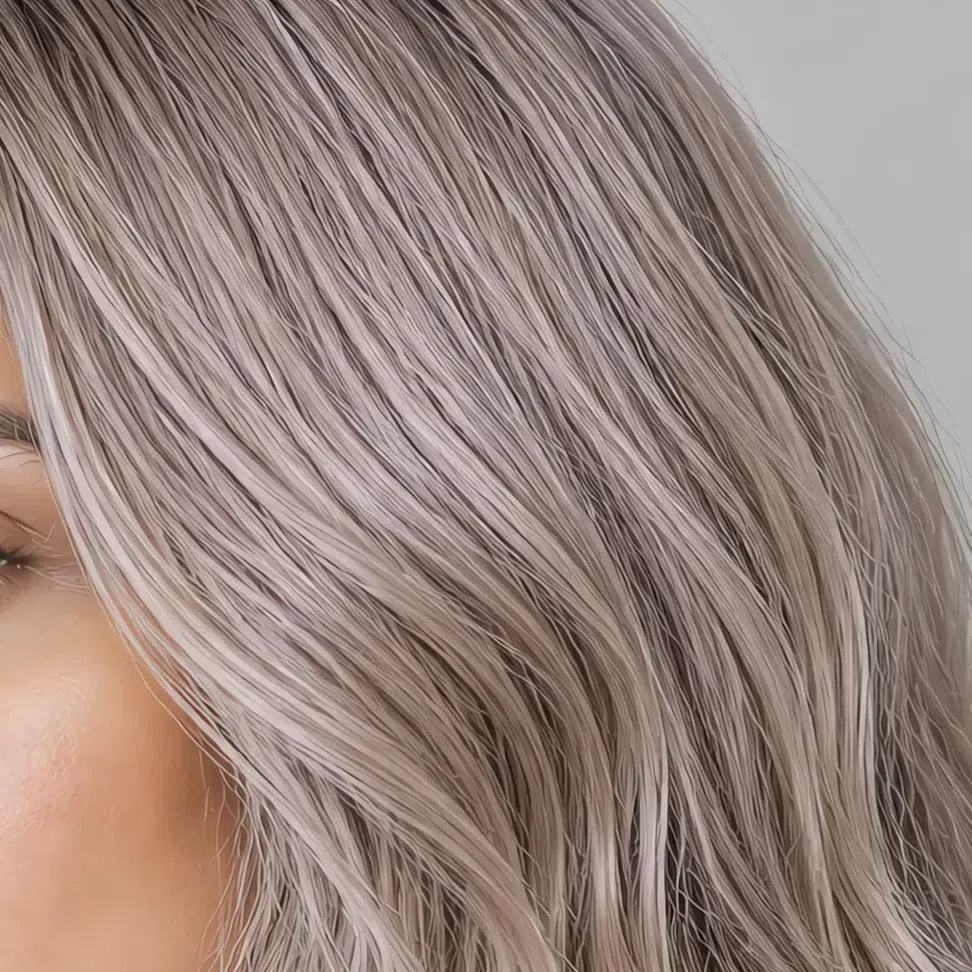
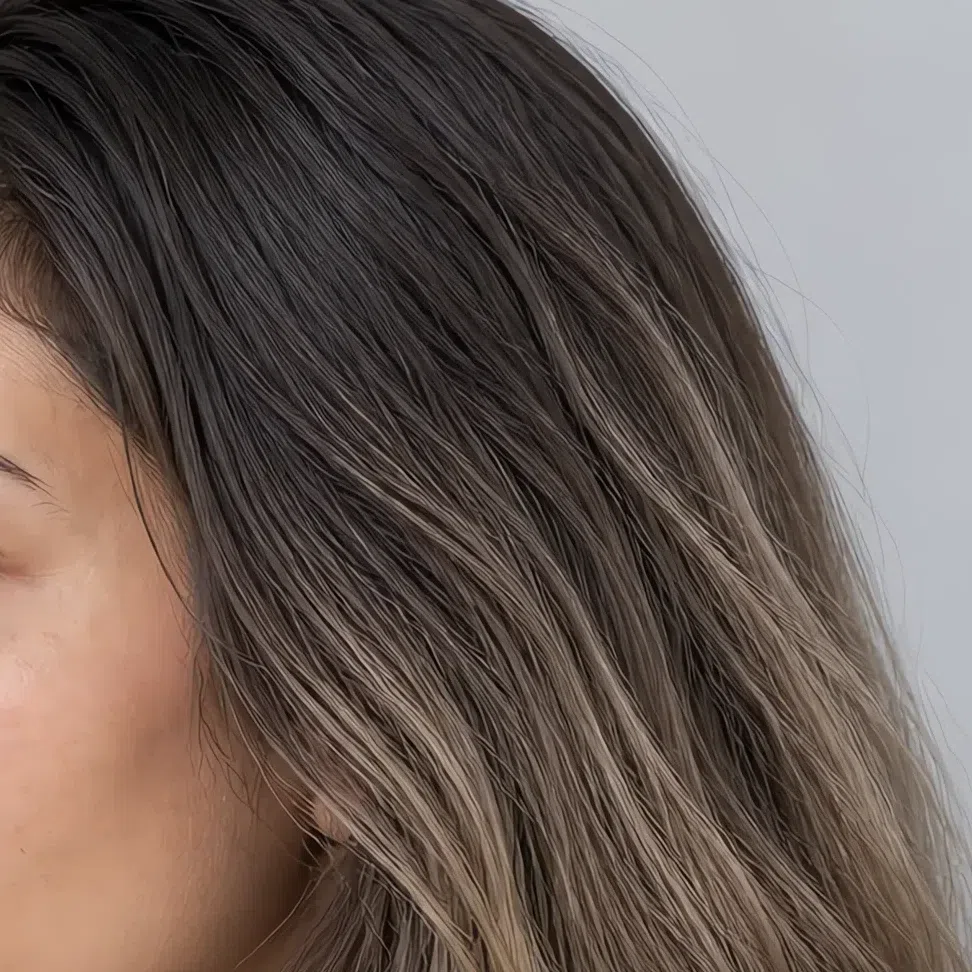
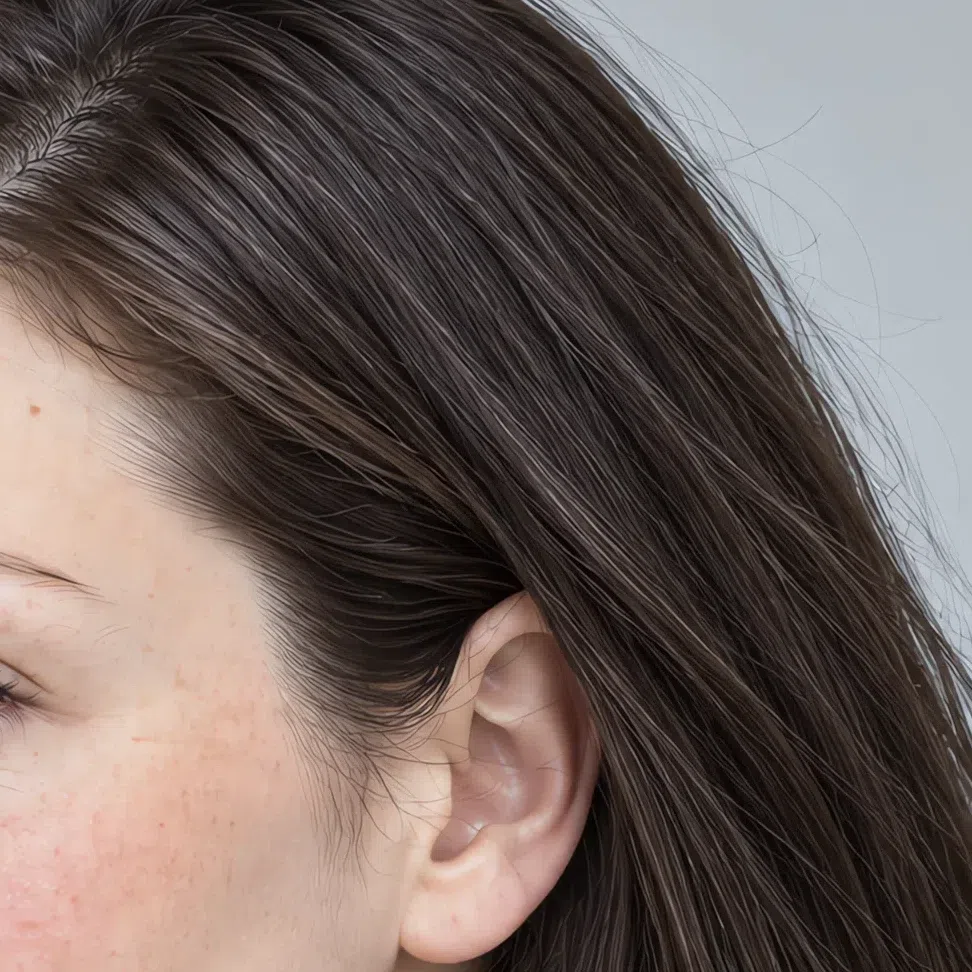
Light Summer: pearl blondeSoft Summer: smoky balayageCool Summer: ash chestnutCool Summer: natural cool brown twists
The three rules are one rule wearing different clothes: keep it cool and keep it soft, from the coat rail to the lipstick to the salon chair. Unsure of your subtype? Go back to Which Summer? for the table and quiz, or let a photo analysis decide.
Summer vs Spring, Autumn and Winter
Which quality each season shares with Summer, and the one that tells them apart
Every other season has one thing in common with Summer, and that shared quality is what causes the mix-ups. Spring is just as light and gentle but warm. Winter is just as cool but clear and high in contrast. Autumn is just as soft but warm. So each comparison below comes down to a single difference, and each ends with a fabric test designed to show only that difference.
Cool. Pink or rose under the skin, no peach; ash in the hair.
Clarity
Soft. Colors look faintly misted.
Colors
Dusty rose, Lavender, Duck egg, Mint - cool and hazy.
Metal
Silver and platinum. Gold looks yellow against the skin.
Overall impression
A cloudy morning: calm, cool and quiet.
Spring
Temperature
Warm. Peach or gold under the skin; honey or wheat in the hair.
Clarity
Clear. Colors look lit from behind.
Colors
Peach, coral, butter yellow, warm aqua - warm and fresh.
Metal
Yellow gold. Silver grays the skin.
Overall impression
Bright sunshine: lively and warm.
The test: powder blue against warm aqua Choose two light blues of the same lightness: a cool powder blue with a hint of gray, and a warm aqua that leans toward turquoise. Try them one after the other at the neckline, near a window. A Summer's skin looks smooth and rested in the powder blue, while the aqua leaves it slightly sallow. A Spring sees the reverse: the aqua brings color into her cheeks and the powder blue makes her look pale and cold. Lightness is equal, so the result can only come from temperature. This is the test that separates Light Summer from Light Spring, the closest pair across the two seasons.
Low to medium. Hair, skin and eyes shift into each other gradually.
Saturation
Muted. Every shade looks lightly powdered.
Colors
Smoky blue, Dusty rose, Iris, Mint - soft and cool.
Neutrals
Soft white, pewter, gunmetal and gray-blue; black and optic white stay away from the face.
Overall impression
Watercolor: blended edges and a gentle finish.
Winter
Contrast
High. A sharp step, such as dark hair against light skin.
Saturation
Vivid. Clean, intense color.
Colors
Fuchsia, emerald, cobalt, true red - strong and icy.
Neutrals
Pure black, stark white, charcoal and deep navy flatter her up close.
Overall impression
Ink on paper: crisp and graphic.
The test: black against soft gray Temperature cannot help here, since both seasons are cool, so this test keeps the color cool and changes only how hard it is. Put on a black top, then a soft charcoal-gray one, and look in a mirror in daylight. A Winter looks sharper and more awake in black, and the gray makes her look faded. A Summer looks pale and tired in black, with shadows under the eyes, while the gray lets her features come forward. Whichever one your face holds its own against tells you the level of contrast you carry. It is the test that splits Cool Summer from Cool Winter.
Ash or mousy at every level, with no red in the sun.
Overall impression
A misty lake: silvery and restrained.
Autumn
Temperature
Warm to neutral-warm. Golden, olive-gold or bronze beneath the skin.
Clarity
Muted, earthy. Softened by brown.
Colors
Terracotta, olive, camel, rust - dusty warm.
Hair
Copper, auburn or chestnut, with a red or gold glint in daylight.
Overall impression
A forest in October: rich and grounded.
The test: dusty rose against dusty apricot This is the border people misjudge most, because Soft Summer and Soft Autumn are both muted, so softness tells you nothing. Keep softness and lightness equal and change only warmth: a grayed dusty rose and a grayed dusty apricot. Hold each at the jaw in daylight. On a Summer the rose settles evenly and the apricot turns the skin faintly muddy; on an Autumn the apricot looks natural and the rose makes her look drained and slightly gray. When neither is dramatic, look at the natural hair in the sun - any red or gold glint points to Autumn.
Still between two seasons after all three tests? Whichever comparison stayed unclear marks your likely border, and the subtype page on that side of it has a fuller comparison. The photo analysis reads the same qualities from your own face.
FAQ
Summer color season: questions people ask
Are Summers warm or cool toned?
Cool. Every Summer has a pink, rosy or bluish undertone, and on Soft Summer it sits close to neutral with the cool side winning. Natural hair looks ashy instead of golden, and warm flecks are missing from the eyes. What separates Summer from the other cool season, Winter, is softness: Summer coloring looks blended and gentle instead of sharp. If your undertone reads clearly golden, Spring or Autumn is more likely. The five checks go through it step by step.
How do I know which Summer color palette I am?
Notice which quality stands out first in your face. If it is paleness, you are probably a Light Summer; if it is coolness with some clarity and contrast, a Cool Summer; if it is a smoky, muted look, a Soft Summer. For a quick check, compare three scarves by a window - pastel lavender, crisp gray-blue, dusty sage; the winner tends to match your subtype. The comparison table and four-question quiz narrow it down.
Do Summers wear gold or silver?
Silver. Silver, platinum and white gold sit in harmony with every Summer's cool undertone, and a Soft Summer looks best in brushed or antiqued finishes rather than high shine. Yellow gold puts a yellow cast next to the skin, which reads as sallow on a cool face. If you love gold, a very pale champagne gold is the one that behaves, mostly on a Light Summer. The same thinking applies to stones: pearls, moonstone, amethyst and aquamarine work better than amber or topaz.
Can Summers wear black?
Away from the face, yes. Black trousers, skirts, boots and bags cause no trouble. As a top or a dress, though, black brings more contrast than any Summer has, so the face above it often reads drained, with darker shadows. For the same depth near the face, choose gunmetal, charcoal-gray, smoky blue or a soft navy. If black genuinely makes you look sharper and more awake, test Winter - Summer vs Winter has the side-by-side check.
Which color is not good for Summer?
Warm colors and harsh ones. Orange, coral, peach, rust, terracotta, mustard and golden yellow fight the cool undertone and make the skin look gray or sallow. Black and optic white at the collar are too stark for a gentle face, and neon or very bright shades overpower it. Each has a Summer replacement at a similar strength - dusty rose for coral, gunmetal for black, soft white for bright white. The avoid list shows all six on a face with their swaps.
Is Cool Summer the same as True Summer?
Yes. Both labels describe one subtype: the Summer led by coolness, with blue-based color throughout and the most contrast and clarity of the three Summers. Different color analysis systems picked different labels - True Summer in some twelve-season schools, Cool Summer in others - but the coloring and the palette are the same. Its nearest neighbor is Cool Winter. This site uses the name Cool Summer; the Cool Summer guide covers it in full.
Can a Summer have brown eyes?
Yes, at every skin depth. Summer brown eyes are soft and slightly grayed - taupe, cocoa or a smoky hazel-brown - rather than glossy dark chocolate or a lit amber. The iris edge looks blended, with no sharp dark ring and no gold flecks near the pupil. Brown eyes are especially common on medium and deep-skinned Summers, and on Soft Summer at any depth. Eye color on its own never decides a season; undertone and softness do. Check 2 of the five signs covers eyes.
Can dark or deep skin be a Summer?
Yes. Depth and season are separate. Deep skin belongs to Summer when its undertone is plum, rosy or a cool cocoa instead of coppery, the eyes are soft brown, and the hair is ashy or soft black rather than glossy blue-black against much lighter skin. Most deep Summers are Cool or Soft Summers. The try-on model near the start of this page is a deep Summer, and the complexions section shows the season at all four depths.
Am I a Summer or a Winter?
Look at contrast and intensity, since both seasons are cool. A Winter has high contrast - dark hair against light skin, or very vivid eyes - and looks sharper in black, stark white and jewel tones. A Summer has low to medium contrast, and those same colors look too strong on her; soft gray, dusty rose and smoky blue suit her better. Try a black top and a soft charcoal-gray one in daylight: whichever your face stands up to is your answer. Summer vs Winter has the details.
Am I a Soft Summer or a Soft Autumn?
Test temperature, because both are muted. A Soft Summer has a neutral-cool undertone and ash hair; a Soft Autumn has a neutral-warm undertone and hair that shows red or gold in the sun. Compare two equally muted, equally light fabrics - a dusty rose and a dusty apricot: the rose settles evenly on a Soft Summer, the apricot on a Soft Autumn. Summer vs Autumn walks through it, and the Soft Autumn guide covers the other side.
What hair color suits a Summer?
Cool, ashy shades at whatever depth you choose. Pearl, ash and beige blondes, mushroom and ash browns, cool mocha, ash chestnut and graphite all work. Avoid copper, caramel, golden blonde and warm red, which put yellow next to the skin, and avoid shiny blue-black, which adds too hard a frame. Summers often gray to a clean silver, so blending gray in usually looks better than hiding it. Every subtype has its own range, and the hair section of the guide links to all three.
What makeup suits a Summer?
A pink or neutral-cool base with rose, berry and taupe color. Choose a foundation that is pink-based or neutral in your shade, blush in soft rose, lipstick from dusty pink to muted berry, and eyeshadow in gray, taupe, mauve or plum. Contour with cool taupe and highlight with pearl instead of gold. Avoid orange-toned bronzer, coral and peach lips, and golden shimmer. Intensity changes by subtype: sheer for Light Summer, clearer for Cool, smoky and matte for Soft. The makeup rule links to each.
Do color seasons apply to men too?
Yes, the same way. Undertone, softness and contrast belong to a face, not a gender. A man reads them at his jawline stubble, eyebrows and hairline, and a Summer man gets the same palette: gray, gray-blue and navy-gray instead of black, soft white instead of bright white, and a steel or silver watch. Dusty blue, lavender-gray and muted berry are strong shirt and knitwear colors. The wardrobe and hair rules apply without changes.
Does your color season change as you get older?
Your undertone does not change; your contrast often does. As hair fades or silvers and features soften, someone can move toward the lighter or softer end of their season. Summers usually age easily within the season, since gray hair is already cool and ashy; many move from Cool toward Soft or Light Summer shades. When familiar colors start to look off, run the checks again by a window before deciding the season has changed. The five checks still apply.
Which color season is the rarest?
There is no reliable answer. No study has measured how common each season is across a population, and different analysts draw the borders between seasons differently, so claims online about the rarest season are opinion rather than data. What is true is that example galleries often show one kind of Summer - fair, blue-eyed, ash blonde - which makes deep-skinned and brown-eyed Summers look rarer than they are. Summer on every complexion shows the range.
Is the Summer color palette the same as summer 2026 fashion colors?
No. Here Summer labels a type of coloring and has nothing to do with the calendar - a Summer wears the same palette in December as in July. The runway and retail colors announced for summer 2026 are trend forecasts meant for everyone. When a trend shade happens to be cool and soft, a Summer can wear it; when it is orange, golden or neon, it will not flatter her however fashionable it is.
Sources
Deciding which shade flatters a face is an expert call with nothing to cite. The page does lean on a handful of physical facts - about daylight, pigment and grayscale photos - and this list covers those. Each note names the statement it backs and where that backing ends. All six sources were opened and checked when the page was written.
Backs the advice, repeated in Am I a Summer? and in every fabric test, to judge colors by a window rather than under indoor lighting. Its reference table lists an ordinary incandescent bulb at 2,400 K and "soft white" household lamps at 2,700 K, while an overcast sky sits at 6,500 K. Indoor light is far warmer than daylight, which matters most for a cool coloring because it adds exactly the warmth a Summer lacks.
Supports a premise behind Summer on every complexion: depth and undertone are two different readings. Per the article, melanin chiefly governs the color of darker skin, whereas paler skin gets much of its tint from pale connective tissue beneath the dermis plus circulating hemoglobin. Color seasons are not discussed there; the takeaway is only that skin tone is built from several ingredients.
The instrument view of that premise. The abstract explains that pigmentation readings work because melanin attenuates light - while capillary hemoglobin absorbs some as well, so a measurement has to separate the two. On this page that is the basis for calling a deep complexion rosy or cool underneath. It offers nothing on which clothes flatter whom.
Backs two statements: that contrast between facial features and skin is a measurable property of a face, which the black-and-white check relies on, and the FAQ answer that contrast often changes with age while undertone does not. Across their adult participants, feature-to-skin contrast dropped as age rose, and faces with reduced contrast were rated older. Everyone studied was a Caucasian woman, and seasonal color is outside its scope.
Backs the black-and-white photo check in Am I a Summer?. According to the article, a colorimetric grayscale conversion keeps each pixel's relative luminance while discarding hue, which is why a desaturated selfie leaves only light and dark to compare across hair, brows and skin.
Backs the background to Other names for the Summers: seasonal analysis sorts coloring into Winter, Spring, Summer and Autumn and their sub-variants, and the article notes that the approach varies greatly between schools. It further calls the seasons partly arbitrary, mentions people who fall between two, and cites Carole Jackson calling the seasonal names a convenient artifice. It does not describe any particular Summer sub-variant or name.
No source above tells you what a Summer should wear. Everything specific here - 22 wearable shades, where Light, Cool and Soft Summer begin and end, how the alternate names map, the metal, makeup and dye rules, the scarf and top tests - reflects LooksFormula's own draping experience, not a study. Other color analysts place these borders elsewhere, and the field has no common standard.
What is color analysis, how do you find your season, and what are the 12 types?
The main guide covers all of it - the four axes your season is built from, all twelve subtypes side by side, and a free quiz that places you in about a minute.